Understanding Cover Letter Skills
Your cover letter is your first opportunity to make a strong impression on a potential employer. It’s more than just a summary of your resume; it’s a chance to showcase your personality, passion, and, most importantly, your skills. Highlighting the right skills can significantly increase your chances of landing an interview. Cover letters allow you to demonstrate how your abilities align with the specific requirements of the job, setting you apart from other applicants. It is a critical tool for making a memorable impact, illustrating the value you bring to the table and why you are the ideal candidate.
Why Skills Matter on Your Cover Letter
Skills are the cornerstone of any successful career. They represent what you can do and the value you bring to an organization. Including relevant skills in your cover letter shows that you’ve carefully considered the job requirements and are confident in your ability to perform the job duties. Employers often use cover letters to assess whether a candidate possesses the skills necessary for the role. A well-crafted cover letter that highlights the right skills can demonstrate your capabilities and increase your chances of advancing to the next stage of the hiring process.
The Importance of Tailoring Skills

Generic cover letters are easily spotted and often dismissed. Tailoring your cover letter, especially the skills section, to each specific job application is crucial. Review the job description carefully and identify the key skills the employer is seeking. Then, select the skills from your repertoire that match those requirements and explicitly mention them in your cover letter. This targeted approach demonstrates that you’ve done your research and that you understand the needs of the role and the organization. Personalizing your cover letter enhances your credibility and makes you a more appealing candidate.
Top 7 Skills to List on Your Cover Letter
Communication Skills
Effective communication is a fundamental skill valued in nearly every profession. Your cover letter itself is a testament to your written communication skills, but you can further highlight your abilities with specific examples.
Verbal Communication
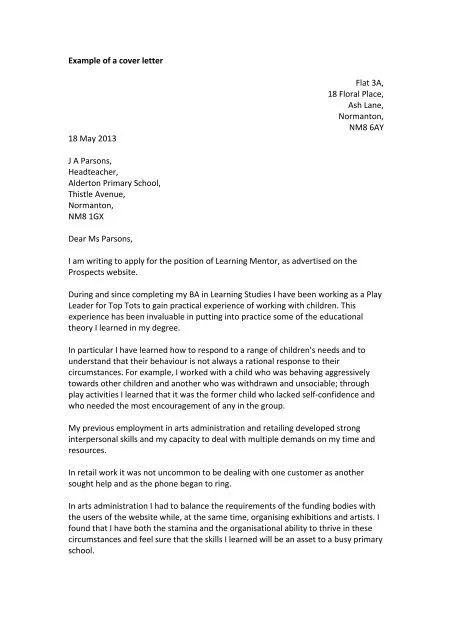
Verbal communication is key in many roles. If a job requires public speaking, client presentations, or team meetings, highlight your experience in these areas. Use action verbs to describe how you’ve used verbal communication to achieve results such as ‘presented,’ ’negotiated,’ or ‘facilitated’.
Written Communication
Showcase your written communication skills by mentioning experience in writing reports, emails, proposals, or other relevant documents. Focus on clarity, conciseness, and accuracy.
Problem-Solving Skills
Employers consistently seek candidates who can identify, analyze, and solve problems effectively. Highlighting your problem-solving skills demonstrates your ability to think critically and find solutions.
Analytical Thinking

Analytical skills involve the ability to collect and analyze information to identify the root causes of problems. Provide examples of how you’ve used analytical skills to improve processes or resolve issues.
Critical Thinking
Critical thinking allows you to evaluate situations and make sound judgments. Share instances where you’ve used critical thinking to make important decisions or identify potential risks.
Technical Skills
Technical skills are often industry-specific and are essential for performing job-related tasks. Make sure to highlight the technical skills most relevant to the position you are applying for. Include software proficiency, data analysis, and any other relevant technical expertise.
Software Proficiency

List any software programs or tools you are proficient in. Specify your level of expertise and if you have any certifications.
Data Analysis
If the job requires data analysis skills, highlight your ability to analyze data, interpret results, and create reports. Mention specific tools or methodologies you have experience with.
Leadership Skills
Leadership skills go beyond management. They encompass the ability to inspire, motivate, and guide others toward a common goal. Showcase your leadership skills by demonstrating your experience in team management, delegation, and mentoring.
Team Management

Describe your experience in leading and managing teams, including any successes you achieved through team collaboration.
Delegation
Highlight your ability to delegate tasks effectively, ensuring projects are completed efficiently and to a high standard. Mention how you empowered your team members.
Adaptability
The ability to adapt to change and learn new things is highly valued in today’s dynamic work environment. Showcase your flexibility and willingness to learn. Demonstrate your ability to handle changing priorities, learn new tools, and adjust to new situations.
Flexibility

Provide examples of times you successfully adapted to changes in projects or priorities. Show your ability to thrive under pressure.
Learning Agility
Demonstrate your capacity for continuous learning and your ability to quickly grasp new concepts and skills. Mention any professional development or training you’ve completed.
Time Management and Organization
Effective time management and organization are crucial for productivity and meeting deadlines. Highlight your ability to prioritize tasks, manage your time effectively, and stay organized.
Prioritization
Describe your approach to prioritizing tasks to meet deadlines. Explain how you manage multiple projects simultaneously.
Meeting Deadlines
Provide examples of how you successfully met deadlines and managed your time to ensure timely project completion. Show your reliability and commitment.
Interpersonal Skills
Interpersonal skills involve your ability to interact with others effectively. These skills are essential for building relationships, collaborating with colleagues, and creating a positive work environment. Focus on collaboration and empathy.
Collaboration
Highlight your ability to work well with others, contribute to team projects, and build strong working relationships. Describe your role in collaborative efforts and successful outcomes.
Empathy
Demonstrate your ability to understand and share the feelings of others, which is crucial for effective communication and teamwork. Show how you use empathy in your interactions.
Highlighting Skills Strategically
The way you present your skills is as important as the skills themselves. By following these strategies, you can improve the impact of your cover letter and increase your chances of getting hired. Make sure to align your skills with the job description, providing specific examples to back up your claims and use action verbs.
Where to Place Skills in Your Cover Letter
The best place to highlight your skills is in the body of your cover letter, where you can provide context and examples. Include a skills section or incorporate skills into your experience descriptions. You can also use a bulleted list for key skills, especially if the job description lists specific requirements. Tailor the skills section to each job and use the language from the job description.
Action Verbs to Describe Your Skills
Using action verbs to describe your skills will make your cover letter more engaging and demonstrate your accomplishments. Instead of saying ‘responsible for managing projects,’ say ‘managed projects.’ Use a variety of action verbs to demonstrate your range of skills. Examples include managed, led, developed, implemented, achieved, and collaborated.
Conclusion
Listing the right skills on your cover letter is key to getting noticed by employers. By focusing on the skills that align with the job requirements, you can make a strong impression and increase your chances of landing an interview. Remember to tailor your skills section to each job, provide specific examples, and use action verbs to effectively showcase your abilities. With a well-crafted cover letter, you can demonstrate your value and take a significant step toward achieving your career goals.