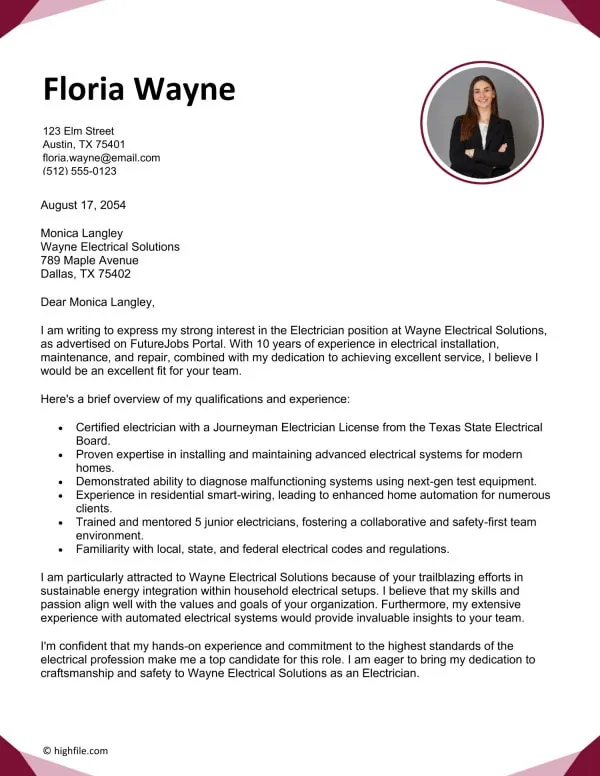
In the competitive job market, a well-crafted cover letter can be your secret weapon. It’s your first chance to make a strong impression and convince a potential employer that you’re the perfect fit. But with so much at stake, where do you begin? This guide unveils the top 7 essential tips for writing a cover letter that not only gets you noticed but also helps you land your dream job. From highlighting your skills to showcasing your accomplishments, we’ll cover everything you need to know to stand out from the crowd and make your application shine. Let’s dive in and transform your cover letter into a powerful tool for career success.
Why a Cover Letter Matters
Many job seekers underestimate the power of a cover letter, but it’s your opportunity to go beyond the bullet points of your resume and tell your story. A cover letter allows you to connect your skills and experiences directly to the job description, demonstrating your understanding of the role and the company’s needs. It’s a chance to showcase your personality, enthusiasm, and communication skills – elements that a resume alone can’t always convey. By addressing the hiring manager directly and expressing your genuine interest, you increase your chances of securing an interview and ultimately, the job.
Highlighting Your Key Skills
Your cover letter should be a focused presentation of your most relevant skills. Review the job description carefully and identify the key skills the employer is seeking. Then, in your cover letter, provide specific examples of how you have demonstrated those skills in previous roles. Don’t just list skills; illustrate them with brief anecdotes that showcase your abilities. Use action verbs to describe your accomplishments, such as ‘managed,’ ‘developed,’ ‘implemented,’ or ’led.’ This approach not only highlights your skills but also provides concrete evidence of your capabilities, making you a more compelling candidate.
Showcase Your Accomplishments

Instead of simply stating your job responsibilities, highlight your accomplishments. Quantify your achievements whenever possible. Instead of saying ‘Improved customer satisfaction,’ say ‘Increased customer satisfaction by 15% through implementation of a new feedback system.’ Use numbers and data to demonstrate the impact you made in previous roles. This shows potential employers the value you can bring to their company. By focusing on your accomplishments, you provide concrete evidence of your capabilities and set yourself apart from other applicants. Think about the results you achieved and how they benefited your previous employers.
Tailoring Your Letter for Each Job
One of the biggest mistakes job seekers make is sending generic cover letters. Take the time to tailor each cover letter to the specific job and company. Research the company’s mission, values, and recent projects. Address the letter to the hiring manager by name if possible. Mention specific aspects of the job description that resonate with your skills and experience. Show that you understand the company’s needs and explain why you’re a good fit for the role and the company culture. This level of personalization demonstrates your genuine interest and attention to detail, increasing your chances of a positive response.
Formatting Your Cover Letter
A well-formatted cover letter is easy to read and visually appealing. Use a professional font such as Times New Roman, Arial, or Calibri. Ensure your font size is between 10 and 12 points. Maintain consistent margins and spacing. Use clear headings and bullet points to break up large blocks of text, making your letter easier to scan. Keep the letter concise, ideally one page long. Avoid overly long paragraphs or dense text. Proper formatting demonstrates your professionalism and attention to detail, making a positive impression on the reader. A clean, organized layout will make your cover letter more engaging and readable.
Proofreading for Perfection

Typos and grammatical errors can undermine your credibility. Before submitting your cover letter, proofread it carefully. Check for spelling mistakes, grammatical errors, and punctuation issues. Read the letter aloud to catch awkward phrasing or unclear sentences. It’s also a good idea to have someone else review your letter. A fresh pair of eyes can often spot errors that you might miss. Proofreading demonstrates your attention to detail and professionalism. A flawless cover letter will give you a competitive edge and show that you take your job search seriously.
Making a Great First Impression
Your cover letter is your first opportunity to make a strong impression. Start with a compelling opening that grabs the reader’s attention. State clearly why you are applying for the job and what you bring to the table. In the body of your letter, highlight your key skills and accomplishments, providing specific examples. Show enthusiasm for the role and the company. End with a confident closing that reiterates your interest and includes a call to action, such as encouraging the hiring manager to review your resume or schedule an interview. A well-crafted letter will set the stage for a positive first impression.
The Value of a Well-Written Cover Letter
In a job market saturated with applicants, a well-written cover letter gives you a significant advantage. It allows you to stand out from the competition by showcasing your unique skills and experiences. It demonstrates your communication skills and professionalism. A cover letter is your chance to explain why you’re the best fit for the role, going beyond the information provided in your resume. This makes the hiring manager more likely to view your application favorably. Investing time and effort in crafting a compelling cover letter increases your chances of landing an interview and ultimately, the job.
Key Skills to Include in a Cover Letter

To make your cover letter as effective as possible, it’s essential to highlight the key skills employers seek. These skills often include communication, problem-solving, teamwork, and leadership. You should also focus on skills specific to the job you’re applying for, such as technical skills, project management, or data analysis. Tailor your letter to the job description, emphasizing the skills the employer is looking for. Provide concrete examples of how you’ve demonstrated those skills in the past. By showcasing relevant skills, you convince the hiring manager that you have the capabilities needed to succeed in the role.
Quantifiable Achievements to Feature
Quantifying your achievements is critical for showing the impact you made in previous roles. Use numbers and data to demonstrate your accomplishments. For example, instead of saying ‘Increased sales,’ say ‘Increased sales by 20% in one quarter.’ Or, instead of saying ‘Improved customer service,’ say ‘Reduced customer complaint resolution time by 15%.’ Quantifiable achievements provide concrete evidence of your capabilities and set you apart from other candidates. By focusing on measurable results, you make it easier for employers to understand the value you bring to the table and see your potential contributions to their company.
In conclusion, a well-crafted cover letter is an essential component of any successful job application. By following these top 7 tips, you can transform your cover letter into a powerful tool that showcases your skills, accomplishments, and enthusiasm. Remember to tailor your letter to each job, highlight your key skills, and quantify your achievements. Proofread carefully and make a strong first impression. With a compelling cover letter, you’ll be well on your way to landing your dream job. Good luck!