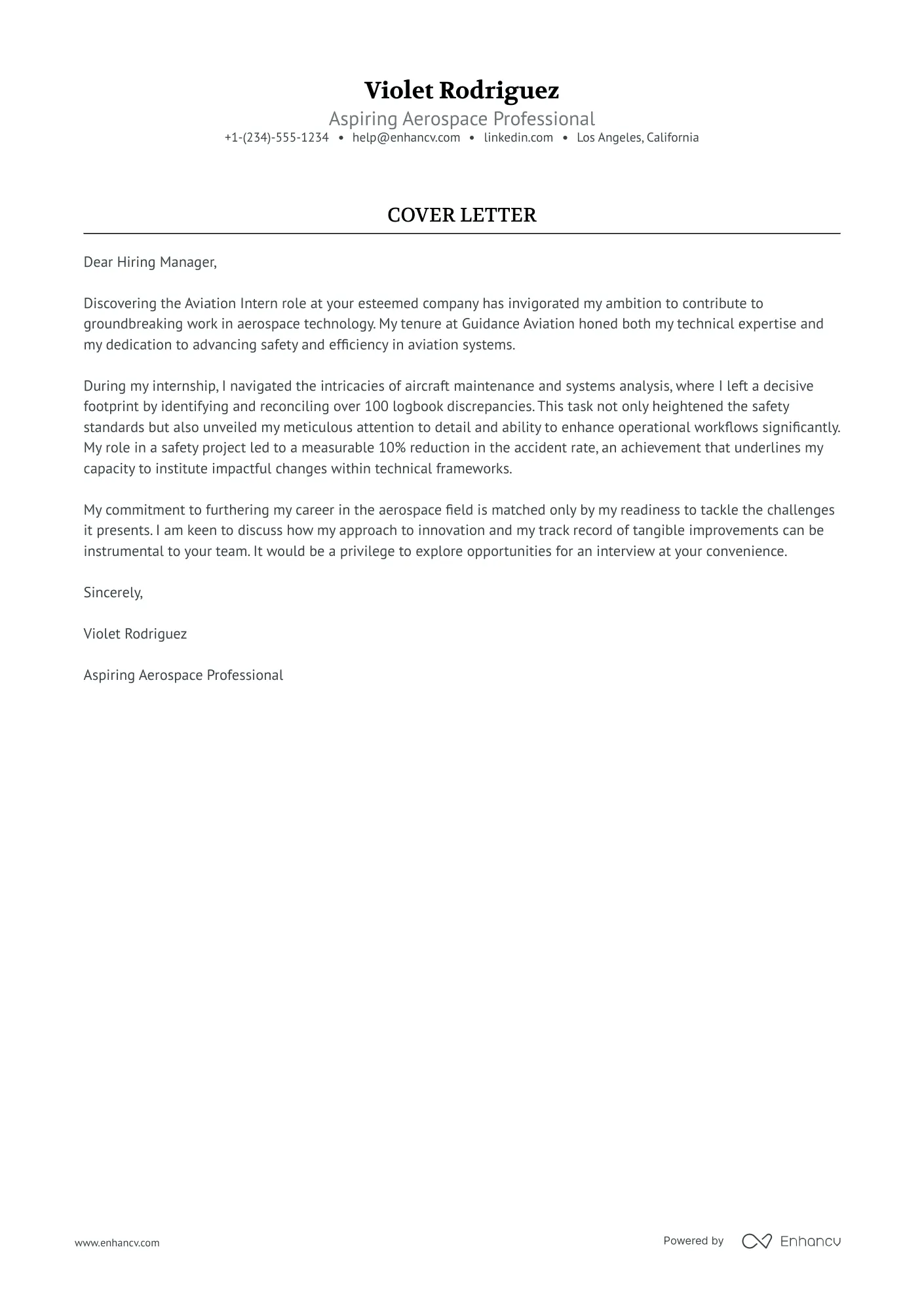
Crafting Your Teen Job Cover Letter
Securing a part-time job as a teenager can be an exciting step towards independence and gaining valuable experience. A well-crafted cover letter is your key to unlocking these opportunities. It’s more than just a formality; it’s your first impression and a chance to show potential employers why you’re the perfect fit. This guide will walk you through the process, from understanding the purpose of a cover letter to the essential elements that make it stand out. Prepare to impress and land that dream job. The cover letter allows you to highlight the skills and qualities that make you an ideal candidate, offering a glimpse into your personality and work ethic. By following these steps, you’ll be well on your way to creating a cover letter that gets you noticed and ultimately, gets you hired.
Understanding the Purpose of a Cover Letter
The primary purpose of a cover letter is to introduce yourself to a potential employer and express your interest in a specific job. Unlike a resume, which provides a factual overview of your qualifications, a cover letter gives you the opportunity to tell a story, explain why you’re interested in the role, and demonstrate your personality. It allows you to connect with the hiring manager on a more personal level, showcasing your enthusiasm and passion for the opportunity. A strong cover letter provides context to your resume, helping the employer understand how your skills and experiences align with their needs. It is your chance to shine and make yourself memorable. It is a perfect way to illustrate how you have the skills they need, even without extensive work experience. It also reveals your writing skills and attention to detail.
Highlighting Your Skills and Abilities

Even without a wealth of professional experience, teenagers possess a range of skills and abilities that make them valuable employees. The key is to identify these skills and effectively communicate them in your cover letter. Think about the skills you’ve developed through school, extracurricular activities, volunteering, or even hobbies. These skills are transferable and can be applied to various part-time jobs. The key is to showcase them in a way that highlights your potential and demonstrates your suitability for the position. Carefully consider the job description and align your skills with the employer’s requirements. This strategic approach increases your chances of being noticed and selected for an interview. Remember, your cover letter is your chance to shine, so make sure you showcase your abilities effectively.
Identifying Relevant Skills for Teen Jobs
Many skills are highly valued in teen jobs, even if you haven’t held a traditional job before. These skills can be honed through school projects, sports teams, volunteer work, or helping out at home. For instance, excellent communication skills, both written and verbal, are crucial for roles involving customer interaction or teamwork. Time management and organizational skills, developed through juggling school, extracurricular activities, and personal commitments, are highly desirable. Problem-solving abilities, gained through dealing with challenges in school or other settings, demonstrate your resourcefulness. Initiative and a willingness to learn are also essential, showing that you are proactive and eager to take on new responsibilities. Highlighting these skills, with examples, will make you a standout candidate.
Showcasing Soft Skills
Soft skills, often referred to as interpersonal skills, are critical for success in any job. They include communication, teamwork, adaptability, and problem-solving. To showcase these skills in your cover letter, provide specific examples. For example, if you’ve worked on a team project in school, describe your role and how you contributed to the team’s success. If you’ve volunteered, explain how you interacted with others and resolved any conflicts that arose. Highlight your ability to communicate effectively, both in writing and verbally. Show that you are a team player, willing to adapt to new situations, and capable of solving problems. These qualities are highly valued by employers and demonstrate your readiness to join the workforce. Focus on the attributes that reveal your personality and professionalism.
Demonstrating Hard Skills (If Applicable)

While soft skills are crucial, any relevant hard skills you possess should also be included. Hard skills are specific, teachable abilities, such as computer skills, proficiency in a certain language, or experience with specific software. If you have experience using a cash register, creating presentations, or working with social media, mention it. Even if your experience is limited, showcasing any hard skills you have can set you apart. If the job requires specific skills, tailor your cover letter to highlight those skills, even if they were acquired through school projects or personal pursuits. Employers often appreciate candidates who can quickly adapt to new technologies or use specific tools. Therefore, use this section to emphasize any specific computer programs you’re familiar with, or other technical knowledge that is relevant.
Structuring Your Cover Letter
A well-structured cover letter is easy to read and highlights your key qualifications. The standard format includes a header, a greeting, an introduction, body paragraphs, a conclusion, and a closing. Each section serves a specific purpose and contributes to the overall impact of your letter. Proper formatting ensures that your message is clear, concise, and professional. Keep the structure straightforward and easy to follow, making it simple for the hiring manager to quickly grasp your qualifications. Sticking to a proven structure guarantees that you include all the necessary information while maintaining a professional tone. A structured letter indicates professionalism and demonstrates respect for the employer’s time.
Header Section
The header of your cover letter should include your contact information, the date, and the employer’s contact information. Your contact information should include your name, address, phone number, and email address. Use a professional email address. Below your contact information, include the date you are writing the letter. Then, include the hiring manager’s name, their title, and the company’s address. If you don’t know the hiring manager’s name, research the company website or LinkedIn to find out. Make sure to double-check all the information to avoid any mistakes. This is the first part of your letter that the hiring manager will see, so make sure it looks neat, organized, and professional. Ensure it is easy to find the information to reach you.
Greeting the Hiring Manager

Start your cover letter with a professional greeting. If you know the hiring manager’s name, use it: ‘Dear Mr./Ms. [Last Name].’ If you can’t find the hiring manager’s name, use a general greeting like ‘Dear Hiring Manager’ or ‘Dear [Company Name] Hiring Team.’ Avoid generic greetings like ‘To Whom It May Concern’ as they are less personal. A personalized greeting immediately shows you’ve taken the time to research the company and role. This shows your attention to detail and professionalism. Using a specific name makes your letter more engaging. Always ensure you address the letter to the right person. This shows respect and effort on your part.
Body Paragraphs
The body of your cover letter is where you make your case for why you’re a good fit for the job. Break this section down into clear, concise paragraphs that highlight your skills, experience, and enthusiasm. Typically, the body consists of three paragraphs. This section should be well-organized and easy to follow, with each paragraph serving a specific purpose. Ensure you clearly explain your interest in the role and demonstrate your suitability. The body paragraphs are where you connect your skills and experiences to the job requirements. This section should be concise and impactful, keeping the reader engaged throughout. Be sure to customize this to fit each job you apply for.
First Paragraph State your purpose
The first paragraph should state the purpose of your letter and how you found the job. Mention the specific position you’re applying for and where you saw the job posting. Briefly state why you’re interested in the role and the company. This paragraph sets the tone for the rest of the letter and grabs the reader’s attention. Show your enthusiasm and your knowledge of the company or position. Keep it concise and to the point, highlighting your main objective. Indicate your interest and provide a brief reason for your interest. This initial impression is essential; make sure it’s compelling and to the point. This is a great time to reference the job description.
Second Paragraph Showcase Skills

The second paragraph is where you highlight your relevant skills and experience. Use specific examples to demonstrate your abilities. Connect your skills to the job requirements, using the job description as a guide. This section should clearly show why you’re qualified for the position. Provide examples of your skills and the positive outcomes you achieved. This is your opportunity to illustrate your capabilities, using concrete evidence. Focus on the skills that match the job’s requirements, and be sure to provide details from your background. This is the most critical part of the letter, where you show the employer what you can offer. Be specific and show how you can contribute to the team.
Third Paragraph Express Enthusiasm
The third paragraph should express your enthusiasm for the role and the company. Explain why you’re excited about this specific opportunity and what attracts you to the company. Show your personality and demonstrate your eagerness to contribute to the team. Tailor this paragraph to the specific company or job, showing that you’ve done your research. This is your chance to show that you fit the company culture and are genuinely interested in the position. Let your personality shine through and emphasize what makes you unique. Show your commitment and explain why you are the best person for the job.
Concluding Your Cover Letter
Conclude your cover letter with a clear call to action and a professional closing. Thank the hiring manager for their time and consideration. Express your eagerness to hear back from them and mention how you can be reached. Restate your interest in the position and your availability for an interview. The conclusion provides a sense of closure and reinforces your interest in the job. It’s your final opportunity to leave a positive impression. Make sure your call to action is direct and encouraging, and always close your letter professionally. This can reiterate your excitement for the role and thank the hiring manager again for their consideration. This will encourage them to contact you.
Call to Action

In your call to action, clearly state your availability for an interview and how the hiring manager can contact you. Provide your phone number and email address. Express your interest in discussing the position further and thank the hiring manager for their time and consideration. Make it easy for the employer to reach you. Make sure to reiterate your interest in the role and your eagerness to move forward in the hiring process. Include your contact information again to make sure they can reach you, ensuring the process is easy for them. Keep it concise and professional, and use clear and direct language.
Proofreading and Editing
Before submitting your cover letter, carefully proofread it for any errors in grammar, spelling, and punctuation. Errors can undermine your credibility and may lead to your application being rejected. Read the letter multiple times, and consider asking a friend, family member, or teacher to review it as well. Using spell-check and grammar-check tools can help catch some errors, but they aren’t foolproof. Pay close attention to your word choice and ensure your letter flows logically. A polished cover letter shows attention to detail and professionalism, which is important for making a good first impression. Proofreading is a crucial step to make sure your skills and enthusiasm come across.
Tailoring Your Cover Letter
A generic cover letter won’t impress employers. Tailor your cover letter to each job you apply for, matching your skills and experience to the job requirements. This shows you’ve taken the time to understand the position and the company. Research the company and the specific job, and incorporate keywords from the job description into your letter. Demonstrate that you understand what the employer is looking for and how your skills align with their needs. Customize your letter to reflect the specifics of each job. This attention to detail will help you stand out from other applicants. Customizing your cover letter shows that you are serious about the opportunity.
Researching the Company

Before writing your cover letter, research the company. Visit their website, read about their mission, values, and recent news. Understanding the company’s culture and goals will help you tailor your letter and show your genuine interest. Find out about the company’s history, products, and services. This research will also help you identify the specific skills and qualifications the employer values. Tailoring your letter based on your research demonstrates that you are genuinely interested in the opportunity and allows you to align your skills with their needs. This will also help you identify keywords for your cover letter.
Matching Skills to Job Requirements
Carefully review the job description and identify the key skills and qualifications the employer is seeking. Then, align your skills and experience with these requirements in your cover letter. Use the same keywords from the job description to highlight your relevant skills. Provide specific examples of how you have demonstrated those skills in the past. This approach ensures that your cover letter resonates with the employer and demonstrates your suitability for the role. Be sure to only include skills you possess. Matching your skills to the requirements will make your cover letter more persuasive.
Formatting and Presentation
The formatting and presentation of your cover letter are just as important as its content. A well-formatted letter is easy to read and creates a positive impression. Choose a professional font, use appropriate spacing, and keep the letter concise and well-organized. A clean and organized layout shows that you are detail-oriented and take pride in your work. Proper formatting and presentation demonstrate professionalism and attention to detail, both of which are essential qualities in any job. The presentation matters because this is how you create a first impression.
Font and Readability
Choose a professional and readable font, such as Times New Roman, Arial, or Calibri. Use a font size between 10 and 12 points for optimal readability. Ensure the font is easy on the eyes and doesn’t distract the reader. Maintain consistent formatting throughout the letter. Avoid using unusual or decorative fonts. Ensure there’s enough spacing between lines and paragraphs for easy reading. Well-formatted text significantly improves readability and makes it easier for the hiring manager to focus on your content. Choose fonts that give a professional look and feel. Maintaining consistent formatting ensures your letter looks neat and organized.
File Format for Submission
When submitting your cover letter, save it as a PDF file. PDFs preserve the formatting and layout of your document, ensuring that it appears exactly as you intended, regardless of the recipient’s device. Always check the job application instructions for any specific file format requirements. Avoid using other formats, such as Word documents unless explicitly requested. Ensure your file name is clear and professional. For example, use your name and the job title in the file name. Saving your letter as a PDF ensures that the formatting remains consistent across different devices, and ensures that your letter presents professionally.