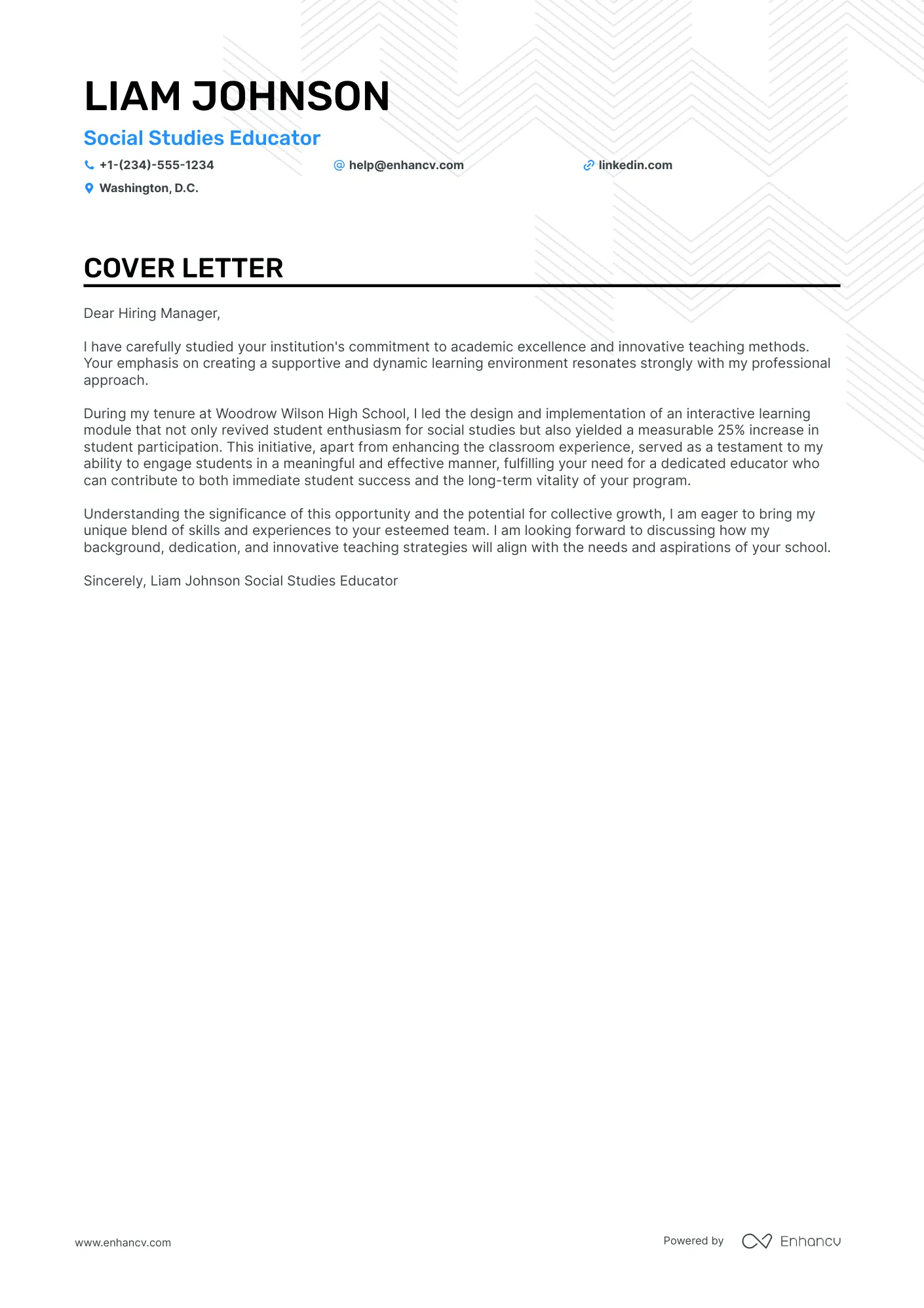
Why a Teacher Cover Letter Matters for Career Change
Embarking on a career change from teaching requires a strategic approach, and a well-crafted teacher cover letter is your most powerful tool. Unlike a resume, a cover letter gives you the space to tell your story, highlighting your transferable skills and explaining why you’re making the transition. It’s your chance to showcase your personality, enthusiasm, and how your experiences align with the new role. In a competitive job market, a compelling cover letter can significantly increase your chances of getting an interview. A generic resume might not highlight these unique assets and could be overlooked. A good cover letter can also help you overcome any initial hesitation an employer might have about your career change, demonstrating that you’ve thoughtfully considered the move and are ready to embrace new challenges. It shows that you have the necessary skills.
Highlighting Transferable Skills in Your Cover Letter
Teachers possess a wealth of transferable skills that are highly valued across various industries. Your cover letter should strategically highlight these skills to make your application stand out. Focus on skills such as communication, leadership, organization, problem-solving, and adaptability. Provide specific examples from your teaching experience that demonstrate these skills in action. For instance, you can describe how you managed a classroom of diverse students (leadership and adaptability), developed lesson plans and met deadlines (organization and time management), or resolved conflicts between students (problem-solving and communication). By translating your teaching experiences into language that resonates with the new role, you can effectively showcase your value to potential employers. Remember to use keywords from the job description to demonstrate that you are the perfect fit for the job.
Identifying Your Core Competencies

Before writing your cover letter, identify your core competencies. These are the fundamental skills and abilities that define your professional strengths. For teachers, these often include curriculum development, classroom management, student assessment, and parent communication. Consider which of these competencies are most relevant to the new role you’re targeting. Are you applying for a project management position? Highlight your organizational skills, ability to manage multiple tasks, and experience meeting deadlines. Are you seeking a role in training and development? Emphasize your ability to create engaging content, deliver presentations, and adapt to different learning styles. Identifying and emphasizing your core competencies will help you tailor your cover letter and make a strong case for your candidacy.
Showcasing Communication Skills
Excellent communication skills are a cornerstone of any successful teacher’s career. In your cover letter, emphasize your ability to communicate effectively with diverse audiences, including students, parents, colleagues, and administrators. Give specific examples of how you’ve adapted your communication style to suit different situations. For instance, describe how you’ve delivered complex information in a clear and concise manner, presented information to parents during parent-teacher conferences, or negotiated with students to resolve conflicts. Demonstrate your proficiency in written and verbal communication, active listening, and the ability to tailor your message to the audience. You can also showcase that you can work as a team.
Demonstrating Adaptability and Flexibility
Teaching often requires adaptability and flexibility, as teachers regularly adjust lesson plans, manage unexpected classroom situations, and accommodate diverse learning styles. Highlight these qualities in your cover letter by providing examples of how you’ve adapted to changing circumstances. For example, describe how you’ve successfully implemented new teaching methods, integrated technology into your lessons, or modified your approach to meet the needs of individual students. Show employers that you are comfortable with change and can quickly learn new skills. If you have experiences that demonstrate your ability to thrive in a fast-paced environment, be sure to mention it. Employers are looking for adaptability and flexibility as critical skills.
Emphasizing Leadership Abilities

Teachers often serve as leaders within their classrooms, schools, and communities. Showcase your leadership abilities by providing examples of how you’ve guided and motivated students, collaborated with colleagues, or taken initiative on school projects. Highlight any experience you have leading teams, managing projects, or mentoring others. Even if you don’t have formal leadership titles, you can demonstrate leadership through your ability to inspire, influence, and guide others. Emphasize your ability to take initiative, solve problems, and make decisions. Showcasing your leadership skills will help you stand out as a strong candidate for any role, demonstrating that you can take charge when necessary.
Tailoring Your Cover Letter to the New Role
A generic cover letter is unlikely to impress potential employers. Instead, customize your letter for each job application. This involves carefully reviewing the job description, identifying the key requirements, and tailoring your letter to showcase how your skills and experience align with those requirements. Research the company and its values, and mention how your background aligns with their mission. This level of personalization shows that you’ve done your homework and are genuinely interested in the position. By tailoring your cover letter, you demonstrate your understanding of the role and your ability to contribute to the company’s success, significantly increasing your chances of getting an interview.
Understanding the Job Description
The job description is your roadmap. Analyze it carefully to identify the key skills, experience, and qualifications the employer is seeking. Highlight the keywords and phrases used in the description, and incorporate them into your cover letter. Use the job description as a guide to structure your letter, ensuring that you address the employer’s specific needs. If the job description emphasizes project management skills, for instance, highlight your experience managing projects, meeting deadlines, and organizing tasks. Understanding the job description will help you target your cover letter effectively and demonstrate that you are a strong fit for the role.
Researching the Company Culture

Before writing your cover letter, research the company’s culture, values, and mission. This information can help you tailor your letter to resonate with the employer. Visit the company website, read articles about the company, and check its social media profiles. Understanding the company’s culture will allow you to demonstrate how your values align with theirs and how you can contribute to their success. Consider incorporating specific examples that demonstrate your understanding of the company’s goals and your ability to fit in. For instance, if the company values teamwork, highlight your collaborative skills and experience working on teams. Show the employer that you understand their environment.
Customizing Your Letter’s Tone
The tone of your cover letter should be professional, enthusiastic, and tailored to the specific role and company. Avoid using a generic or overly formal tone. Instead, aim for a conversational style that showcases your personality and enthusiasm for the opportunity. Use language that reflects the company’s culture, and avoid jargon that might not be understood by employers in other industries. Make sure that you show your personality. Proofread your letter carefully to ensure that your tone is appropriate and aligns with the company’s values. You should also make sure you keep the tone appropriate for the job that you are applying for.
Structuring Your Teacher Cover Letter for Impact
A well-structured cover letter is easy to read and highlights your key skills and experiences effectively. The following structure can help you create a compelling cover letter that grabs the reader’s attention and makes a strong case for your candidacy. Use headings, subheadings, and bullet points to organize your thoughts and make your letter more visually appealing. The most important thing is that the letter is easy to read, as some applications might not be as easy to read as others. Make sure the structure is appropriate for the job.
Header and Contact Information

Start your cover letter with a professional header that includes your name, contact information (phone number, email address, and LinkedIn profile URL if applicable), and the date. If you know the hiring manager’s name, include their name and title, followed by the company’s address. This shows that you’re organized and detail-oriented. Make sure your contact information is accurate and up-to-date. Double-check everything before submitting your cover letter, so that the employer can easily contact you, if they want.
Opening Statement: Capturing Attention
The opening statement is your chance to grab the reader’s attention. Start with a strong hook that captures your interest and sets the tone for the rest of your letter. Briefly introduce yourself, mention the position you’re applying for, and state why you’re interested in the role. Show your enthusiasm and connect with the employer immediately. Tailor your opening to the specific job and company. Show that you are a good fit and that you have spent time researching the role. An opening that is too general might not capture the reader’s attention and could lead to your cover letter being overlooked.
Body Paragraphs: Selling Your Skills
The body paragraphs are where you sell your skills and experience. Use these paragraphs to highlight your transferable skills, demonstrate your achievements, and explain why you’re making a career change. Provide specific examples from your teaching career that showcase your abilities. Quantify your achievements whenever possible (e.g., “Increased student test scores by 15%”). Tailor each paragraph to address the key requirements outlined in the job description. Use action verbs to describe your skills and experiences. Show the employer that you have the skills and experience that they are looking for. This is a good opportunity to showcase the reasons why you’re the perfect fit for the role.
Closing: Call to Action and Enthusiasm

End your cover letter with a strong closing statement. Reiterate your interest in the position, and thank the employer for their time and consideration. Include a call to action, such as inviting the employer to contact you for an interview or indicating your willingness to provide further information. Express your enthusiasm for the opportunity. Proofread your closing statement carefully to ensure that it’s free of errors and reflects your professionalism. Make sure the letter sounds authentic and shows your interest in the job.
Essential Elements of a Career Change Teacher Cover Letter
Several key elements are essential for a successful career change cover letter. These elements should be carefully considered. Including these elements will help your cover letter stand out from the crowd. Consider all the elements and how you can include them in your cover letter.
Quantifying Achievements and Experience
Whenever possible, quantify your achievements and experiences. Use numbers, statistics, and data to demonstrate the impact of your work. For example, instead of saying, “Improved student engagement,” say, “Increased student engagement by 20% through implementing project-based learning.” Quantifying your achievements gives employers a clear understanding of your accomplishments and makes your cover letter more impactful. Show the employer what you can do and what results you have achieved. Showing quantifiable achievements in your cover letter will make it more appealing to employers.
Addressing the Career Change Directly

Don’t shy away from addressing your career change directly. Acknowledge that you’re transitioning from teaching and explain your reasons for the change. Be honest and transparent. Focus on your transferable skills and how they align with the new role. Frame your career change as a strategic decision that aligns with your career goals and demonstrates your commitment to personal and professional growth. The explanation should be brief, confident, and enthusiastic. Be ready to answer any questions.
Highlighting Relevant Projects or Accomplishments
Showcase relevant projects or accomplishments that demonstrate your skills and experience. Include details that support your claims. For example, if you’re applying for a project management role, describe how you successfully managed a school project, met deadlines, and collaborated with a team. Tailor these examples to the specific requirements of the new role. Highlighting relevant projects or accomplishments will show that you have the skills and experience that the employer is seeking. You can use projects or accomplishments to showcase your skills.
Avoiding Common Mistakes
Avoiding common mistakes can improve your cover letter and increase the likelihood of getting an interview. Here are some mistakes that you should be aware of.
Generic Letters and Lack of Personalization
Avoid sending generic cover letters that are not tailored to the specific job or company. Generic letters often fail to capture the reader’s attention and demonstrate a lack of interest in the role. Personalize your cover letter for each application by researching the company, highlighting relevant skills and experiences, and addressing the specific requirements outlined in the job description. Demonstrate that you understand the company and the role, and show that you’re a good fit. Always include the name of the hiring manager, if possible.
Focusing on Teaching Only
When transitioning from teaching, avoid focusing solely on your teaching experience. While your teaching experience is valuable, you should also highlight the transferable skills and experiences that are relevant to the new role. Frame your teaching experience in a way that highlights these skills. If you’re applying for a project management role, highlight your organizational skills and experience meeting deadlines. Focus on how your skills and experience align with the job requirements. Tailor your letter to make it appropriate for the new role.
Ignoring the Company’s Needs
Don’t ignore the company’s needs. Your cover letter should address the employer’s specific requirements and demonstrate how your skills and experience align with their goals. Research the company and its mission, and tailor your letter to showcase how you can contribute to their success. Highlight how your background aligns with the company’s values and mention specific projects or accomplishments that are relevant to their needs. Make sure that the reader is aware of what the company is looking for.
Resources and Further Tips
Here are some additional resources and tips to help you write a successful career change cover letter.
Cover Letter Examples for Different Roles
Review cover letter examples for different roles that are relevant to your career change. This will give you a better understanding of how to tailor your letter to specific industries and job titles. Search online for cover letter examples for career changes. Pay attention to how the authors highlight transferable skills, address career changes, and quantify their achievements. Use these examples as inspiration, but always customize your letter to reflect your unique skills and experiences.
Tools and Templates for Teachers
Utilize cover letter templates and tools designed for teachers making career changes. These tools can help you structure your letter, highlight your skills, and avoid common mistakes. Use these tools to make writing your cover letter faster. Several online resources offer cover letter templates, guides, and examples. These tools can help you streamline your writing process and create a professional and compelling cover letter.