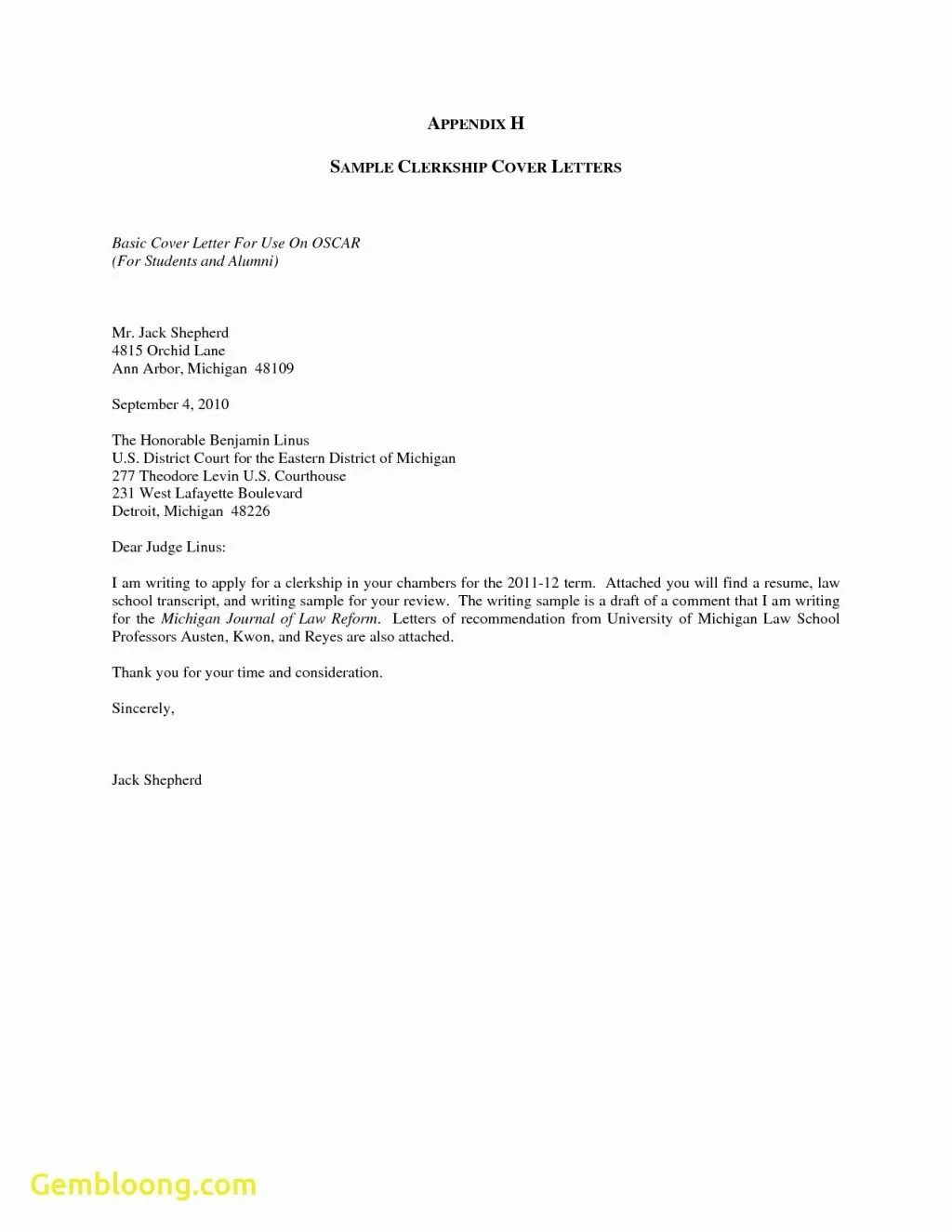
What is a Small Cover Letter Sample
A small cover letter is a concise and focused document that accompanies your resume when applying for a job. Unlike traditional cover letters, which can sometimes span a full page, small cover letters aim to quickly capture the reader’s attention and highlight the most relevant aspects of your qualifications and experience. They are designed to be easily scannable and provide a brief overview of your suitability for the role, encouraging the hiring manager to delve deeper into your resume. Think of it as your elevator pitch – a brief introduction that leaves a lasting positive impression. These letters are particularly effective when applying for jobs where the hiring managers are likely to be overwhelmed by applications, or when you want to make a strong first impression quickly. Using a small cover letter demonstrates your ability to communicate clearly and efficiently, a valuable skill in any professional setting. Therefore, a good small cover letter sample is the one that highlights your skills and achievements in a brief and clear manner, increasing your chances of getting hired.
Why is a Small Cover Letter Important
In today’s fast-paced job market, a small cover letter serves as your initial point of contact with a potential employer and it is more important than ever. It’s your opportunity to make a memorable first impression and demonstrate that you’re a good fit for the role and the company. A well-written small cover letter can significantly increase your chances of getting noticed by quickly summarizing your qualifications and highlighting your most relevant skills and experiences. Moreover, a small cover letter sample demonstrates your ability to be concise and to the point, which is essential for effective communication in the workplace. It shows that you respect the hiring manager’s time while still conveying a strong message. Furthermore, it allows you to add a personal touch to your application and express your enthusiasm for the position and the company, which a resume alone cannot achieve. Ultimately, a good small cover letter acts as a powerful tool that helps differentiate you from other applicants and significantly increases your chances of getting an interview, paving the way for a successful job application.
5 Tips to Craft a Winning Small Cover Letter

Crafting a winning small cover letter requires a strategic approach, as you need to convey a lot of information in a short amount of space. To help you stand out, here are five essential tips to create a compelling cover letter sample that will impress hiring managers and get you noticed.
Keep it Concise
Brevity is key when it comes to small cover letters. Aim for a letter that can be read within a few seconds, ideally a few short paragraphs. Focus on the most important information: your key skills, relevant experience, and a clear statement of why you’re the ideal candidate. Avoid unnecessary jargon or lengthy explanations. Every word should serve a purpose. Focus on what matters most to the employer. You want to pique their interest and make them want to read your resume. A good rule of thumb is to keep the letter under 200 words, ensuring it’s easily digestible. Being concise shows you value the hiring manager’s time and can communicate effectively.
Highlight Key Skills and Achievements
In your small cover letter, showcase your most relevant skills and accomplishments. Focus on those that align directly with the job description. Instead of listing everything you’ve ever done, select a few key achievements that demonstrate your abilities and the value you can bring to the role. Use action verbs to describe your accomplishments and quantify them whenever possible, for example, “Increased sales by 15% in Q2”. This makes your achievements more impactful and memorable. This helps the hiring manager quickly understand your capabilities. Tailor your highlights to match what the employer seeks. This focus shows you’ve carefully considered the job requirements and can deliver on them.
Tailor to the Job Description

Never send a generic cover letter. Each cover letter should be customized to the specific job and company you’re applying to. Carefully review the job description and identify the key skills, experiences, and qualifications that the employer is seeking. Then, tailor your letter to highlight how your skills and experience align with those requirements. Mention specific projects, experiences, or accomplishments that are relevant to the job and show that you understand the role and the company’s needs. This demonstrates that you’ve done your homework and are genuinely interested in the position, not just sending out a mass application. This personalization significantly increases your chances of getting noticed and moving forward in the hiring process.
Showcase Your Enthusiasm
Your small cover letter should convey your enthusiasm for the position and the company. This is an opportunity to express your genuine interest and excitement about the opportunity. Start with a strong opening statement that captures the reader’s attention and clearly states why you are interested in the role. Mention something specific about the company or the job that excites you. This shows that you’ve done your research and are not just applying for any job. Avoid generic statements and let your passion shine through. End with a confident closing statement, reiterating your interest and expressing your eagerness to learn more and to discuss how you can contribute to the company’s success. Genuine enthusiasm can make a big difference.
Proofread and Edit
Before sending your small cover letter, carefully proofread it to ensure there are no errors in grammar, spelling, or punctuation. Mistakes can create a negative impression and undermine your credibility. Read the letter aloud to catch any awkward phrasing or unclear sentences. It is helpful to have someone else read your letter to provide feedback and catch any errors you may have missed. Pay attention to the formatting, making sure the letter is easy to read and visually appealing. Also, ensure the letter is formatted correctly, including proper margins, font choice, and spacing. A polished, error-free cover letter demonstrates your attention to detail and professionalism, which are essential qualities for any job.
Small Cover Letter Examples

Here are some example of small cover letters sample to give you a better understanding of how to create your own. These are adapted for different roles.
Entry-Level Cover Letter Sample
Dear [Hiring Manager Name],
I am writing to express my keen interest in the [Job Title] position at [Company Name]. I am a recent graduate from [University Name] with a degree in [Your Degree], and I am eager to apply my skills in [relevant skill] and [another relevant skill] to contribute to your team. During my studies, I gained experience in [relevant experience], which aligns well with the requirements of this role. I am a highly motivated and quick learner and am keen to bring fresh perspectives. Thank you for your time and consideration. I look forward to discussing how I can be an asset to [Company Name].
Sincerely, [Your Name]
Professional Cover Letter Sample
Dear [Hiring Manager Name],
I am writing to express my interest in the [Job Title] position at [Company Name]. With over [Number] years of experience in [Your Field], I have a proven track record of success in [relevant achievement]. In my previous role at [Previous Company], I [key accomplishment]. I am adept at [key skill] and [another key skill], and I am confident in my ability to contribute to the success of [Company Name]. I am particularly drawn to [Company’s mission or value] and excited about the opportunity to leverage my expertise. Thank you for your time, and I look forward to your response.
Sincerely, [Your Name]
Conclusion

Creating a compelling small cover letter is a crucial step in any job application process. By following the tips outlined and using the samples provided, you can effectively showcase your skills, experience, and enthusiasm in a concise and impactful manner. Remember to keep it brief, highlight key achievements, tailor your letter to each job, demonstrate your passion, and always proofread. These strategies will increase your chances of getting noticed by hiring managers and securing that all-important interview. So, take the time to craft a well-written small cover letter and watch your job application success rate soar! Good luck with your job search!