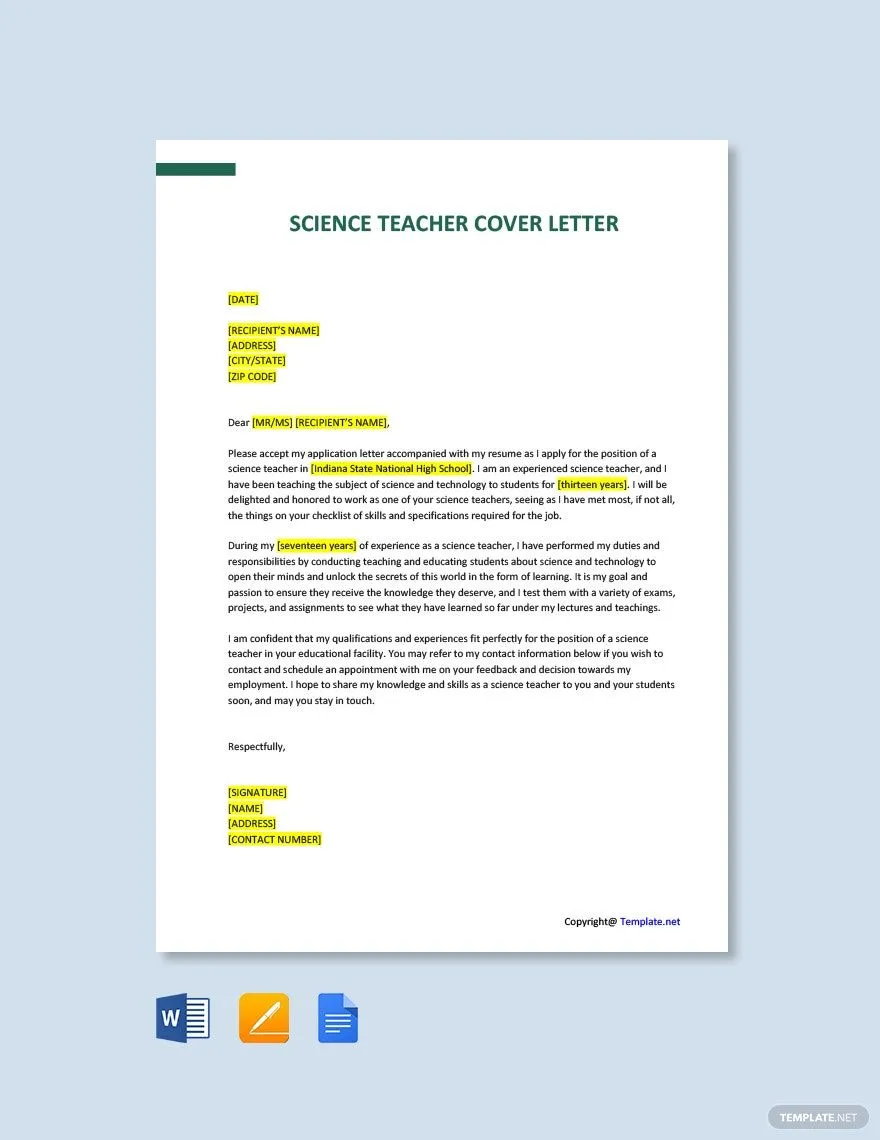
The Science Cover Letter Secrets Unveiled
In the competitive world of science, a compelling cover letter can be your golden ticket to landing your dream job. More than just a formality, a well-crafted cover letter provides an opportunity to showcase your skills, experience, and passion in a way that a resume alone cannot. It’s your first chance to make a lasting impression on a potential employer and demonstrate why you’re the perfect fit for the role. This guide reveals the secrets to writing a science cover letter that grabs attention and sets you apart from the competition. Mastering these techniques can significantly increase your chances of securing an interview and ultimately, the job. Prepare to transform your job application from a simple submission into a persuasive argument for your candidacy.
Understanding the Importance of a Science Cover Letter
Many job seekers underestimate the power of a well-written cover letter. However, in the realm of science, where competition is fierce and specialization is key, a cover letter serves as a crucial tool for differentiating yourself. It allows you to go beyond the basic information provided in your resume and highlight the specific skills and experiences that align with the job requirements. It provides the context and narrative that your resume cannot. By demonstrating your understanding of the position, the company, and the field, you position yourself as a thoughtful and prepared candidate. Consider it your personal introduction to the hiring manager, a chance to build a connection before you even meet them in person.
Why a Great Cover Letter Matters
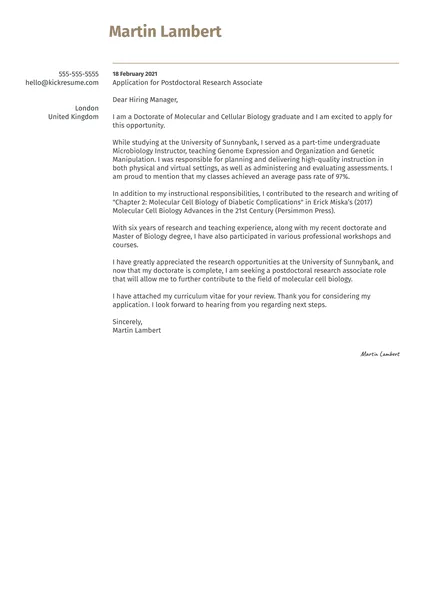
A great cover letter quickly conveys your enthusiasm and showcases your unique value proposition. It demonstrates your writing ability, attention to detail, and genuine interest in the opportunity. The ability to clearly and concisely communicate scientific concepts and your professional goals is highly valued. A strong cover letter highlights your personality and demonstrates your cultural fit, making you more than just a list of qualifications on paper. For the hiring manager, it provides crucial insights into your suitability for the role, allowing them to quickly assess whether you are a candidate worth further consideration. It is your chance to stand out from a pool of equally qualified candidates.
Common Mistakes to Avoid
Several common mistakes can quickly sink your application. Generic cover letters that are not tailored to the specific job are a major red flag. Failing to properly proofread for errors in grammar, spelling, and punctuation also demonstrates a lack of attention to detail. Another mistake is simply restating your resume; the cover letter should expand on, not duplicate, information found there. Avoid vague language and focus instead on concrete examples of your achievements. Finally, neglecting to address the specific requirements and interests of the hiring company shows a lack of research and preparation. By avoiding these pitfalls, you can significantly improve the effectiveness of your cover letter.
Crafting a Compelling Opening
Your opening paragraph is the most critical part of your cover letter because it sets the tone and determines whether the reader will continue. It should immediately grab the reader’s attention and clearly state the purpose of your letter. Avoid generic phrases such as “I am writing to apply.” Instead, aim for a captivating introduction that showcases your enthusiasm. Mention the specific position you are applying for and how you learned about it. You can also briefly highlight a key achievement or skill that directly aligns with the job requirements. A strong opening immediately establishes your value and encourages the reader to continue reading and consider your application.
Highlighting Your Skills and Experience
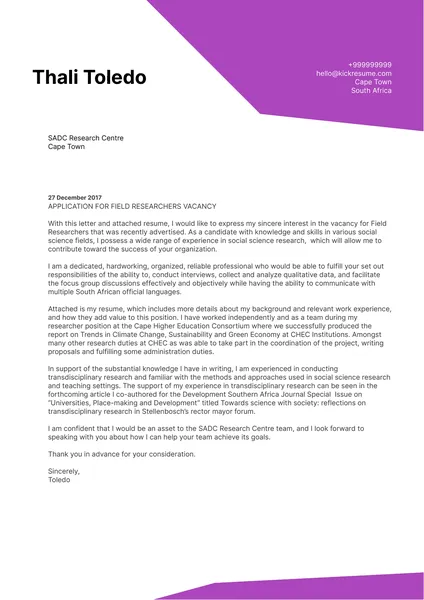
The body of your cover letter should focus on highlighting your relevant skills and experiences. Carefully review the job description and identify the key qualifications and responsibilities. Then, provide specific examples from your past work or academic experiences that demonstrate your ability to meet these requirements. Use strong action verbs to describe your accomplishments. Instead of simply listing your duties, explain how you successfully completed projects, solved problems, or achieved positive outcomes. Make sure to tailor your examples to the specific needs of the role and emphasize the skills that align most closely with the employer’s needs.
Tailoring Your Letter to the Specific Job
One of the most common mistakes job seekers make is sending out generic cover letters. To truly impress, customize each letter to the specific job and company. Research the company’s mission, values, and current projects. Then, use this information to demonstrate how your skills and experiences align with their goals. Mention specific projects, research, or technologies that you’ve encountered that make you excited to work there. Tailoring your cover letter shows that you’ve taken the time to understand the role and the company, making you a more compelling candidate. Remember, the more effort you put into personalizing your cover letter, the greater your chances of getting noticed.
Showcasing Relevant Projects and Accomplishments
Showcasing specific projects and accomplishments is vital for demonstrating your capabilities. Don’t just list your job duties; instead, provide concrete examples of your achievements. Quantify your accomplishments whenever possible. For instance, if you improved efficiency, state the percentage. If you led a team, mention the number of team members and the project’s results. For scientific positions, be sure to highlight any research projects, publications, or presentations you’ve been involved in. Provide enough detail so the employer understands the significance of your contributions. The goal is to present tangible evidence that supports your claims and sets you apart from other candidates.
Quantifying Your Achievements

One of the most effective ways to demonstrate your impact is by quantifying your achievements. Instead of simply saying you “improved efficiency,” specify by how much. Did you increase output by 15%? Did you reduce costs by a certain amount? These metrics provide concrete evidence of your skills and the value you can bring to the role. Whenever possible, include numbers, percentages, and specific figures. It will make your accomplishments more compelling and easier for the hiring manager to grasp the scope and value of your work. Quantitative data provides objective proof of your capabilities and demonstrates you can achieve results.
Demonstrating Your Passion for Science
Science is driven by passion. Your cover letter should express your genuine enthusiasm for the field and the specific role. Discuss what motivates you and what you find most exciting about science. Show how your interests align with the company’s goals and mission. This can be achieved by sharing specific examples of projects you are passionate about, specific research you have found exciting. Do your homework to truly portray that you are in line with the companies values. A clear articulation of your passion not only makes your letter more engaging but also demonstrates your commitment to the profession. This can be what seals the deal.
Expressing Enthusiasm for the Role and Company
Beyond expressing a general passion for science, make sure to highlight your enthusiasm for the specific role and the company. Research the company’s work, values, and culture. Then, explain how your interests and skills align with their mission. Do you admire a particular project they are working on? Do you align with their values? Share why you are interested in this specific opportunity and what excites you about the work they are doing. This personalized approach shows that you have researched the role, understand the company, and are genuinely interested in contributing to their success. Conveying specific interest also enhances your chances of securing an interview.
Researching the Company and Its Values

Thoroughly researching the company and its values is essential for writing a compelling cover letter. Visit their website, read their mission statement, and explore their social media presence. Learn about their current projects, research initiatives, and company culture. Identify how your skills and experiences align with their goals and values. Use this information to tailor your cover letter, demonstrating that you are not only qualified but also a good fit for the organization. By demonstrating this level of preparation, you greatly increase your chances of getting noticed. Research is key to personalizing your cover letter and making a lasting impression.
The Art of a Strong Closing
Your closing paragraph should leave the reader with a positive impression and clearly state your intentions. Restate your interest in the position and thank the hiring manager for their time and consideration. State your availability for an interview and provide your contact information. Proofread the closing carefully to ensure it’s error-free and professional. The closing paragraph provides a final opportunity to reinforce your qualifications and reiterate your interest in the role. It’s your final chance to make a strong impression. Always show appreciation to the hiring manager.
Reiterating Your Interest and Availability
The closing should reiterate your enthusiasm for the opportunity. Briefly summarize why you are a good fit for the role and express your interest in the next steps. State your availability for an interview and provide your contact information. Make it easy for the hiring manager to contact you by including your email address and phone number. Expressing your willingness to follow up is a professional touch, but be mindful of not being too pushy. A clear and concise closing paragraph reinforces your interest and makes it easy for the hiring manager to take action.
Proofreading and Editing Your Letter

Before submitting your cover letter, proofread and edit it meticulously. Errors in grammar, spelling, and punctuation can undermine your credibility and diminish your chances of getting an interview. Carefully review your letter for any typos, inconsistencies, or awkward phrasing. Have a friend, career counselor, or mentor review your letter as well. A fresh pair of eyes can catch mistakes you might have missed. Ensure that the formatting is consistent and professional, and that the letter is well-organized and easy to read. A polished cover letter demonstrates your attention to detail and commitment to excellence.
Formatting and Presentation Tips
The formatting and presentation of your cover letter play a crucial role in making a positive impression. Use a professional font, such as Times New Roman, Arial, or Calibri. Maintain a consistent font size and style throughout the document. Use clear headings and subheadings to organize the content and make it easy to read. Keep the letter concise and avoid excessive use of jargon. The ideal length is typically one page. Proofread to ensure perfect formatting. Avoid excessive bolding, underlining, or italics. A clean, well-formatted cover letter shows attention to detail and respect for the reader’s time. Good formatting enhances readability and professionalism.
Writing a strong science cover letter is a crucial step towards landing your dream job. By understanding the importance of a well-crafted letter, avoiding common mistakes, and following these secrets, you can increase your chances of impressing potential employers and securing an interview. Remember to showcase your skills, tailor your letter to the specific job, demonstrate your passion for science, and proofread meticulously. Good luck with your job search!