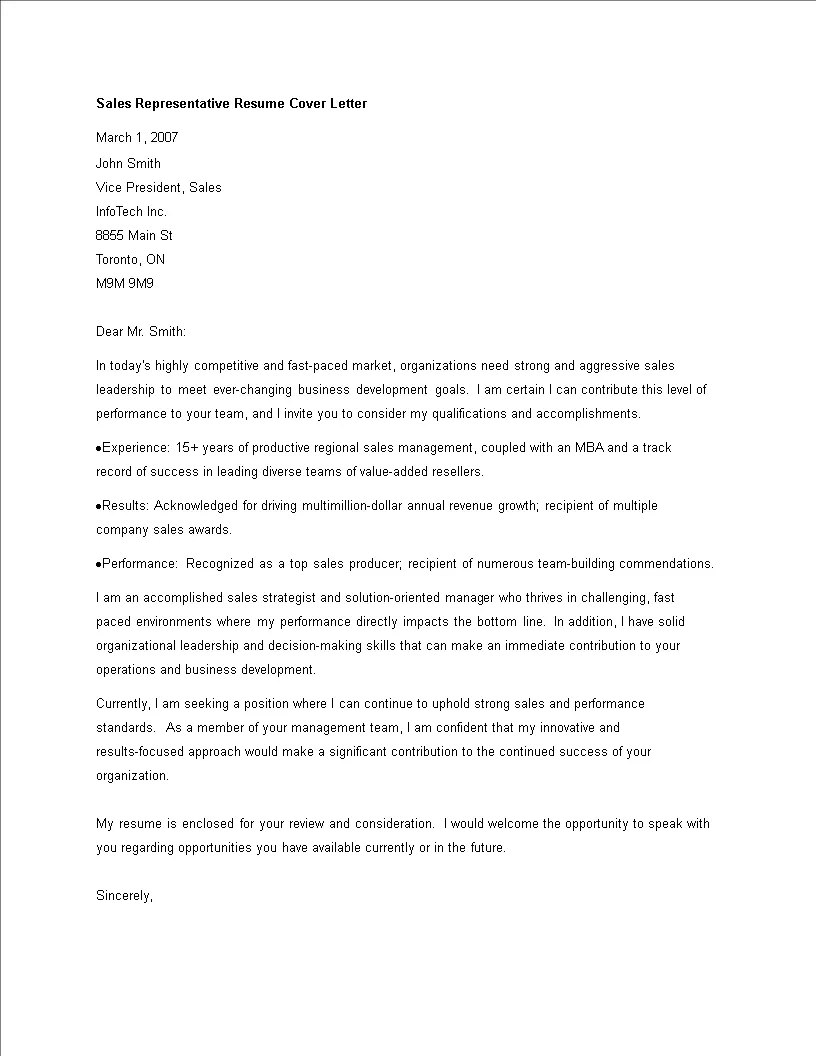
Crafting a Winning Sales Rep Cover Letter
A compelling cover letter is your first opportunity to make a lasting impression on a potential employer and secure a sales representative position. It’s more than just a formality; it’s your chance to showcase your personality, highlight your achievements, and demonstrate why you’re the perfect fit for the role. This guide will walk you through the essential elements of crafting a winning sales rep cover letter that grabs the attention of hiring managers and sets you apart from the competition. Mastering the art of writing a persuasive cover letter is crucial. It can significantly increase your chances of landing an interview and ultimately, the job. You need to highlight the key aspects of your sales experience, skills, and personality to create an impact on the hiring managers.
Understanding the Purpose of a Sales Rep Cover Letter
The primary purpose of a sales rep cover letter is to introduce yourself and your qualifications to a potential employer. It serves as a bridge between your resume, which provides a factual overview of your experience, and your personality, which you’ll present during an interview. The cover letter allows you to explain your career goals, express your enthusiasm for the specific role, and demonstrate how your skills and experience align with the company’s needs. A well-written cover letter is an opportunity to make a positive first impression, showcasing your communication skills and attention to detail. It also allows you to tailor your application to the specific requirements of the job and the values of the company. It’s a tool to convey your understanding of the company’s products or services. It’s your chance to provide additional context to your resume, and explain gaps or highlight achievements.
Highlighting Your Sales Achievements

One of the most crucial aspects of a sales rep cover letter is highlighting your sales achievements. Instead of simply listing your responsibilities, focus on quantifying your accomplishments and demonstrating your ability to drive results. This means providing specific examples of how you’ve exceeded sales targets, increased revenue, acquired new clients, or improved customer satisfaction. When writing about your achievements, use the STAR method – Situation, Task, Action, Result – to provide context and illustrate your impact. This helps the hiring manager understand your approach to sales. This method is about storytelling, this enables the employer to visualise your work. It adds depth to your experiences and making your accomplishments more relatable and impactful. Make sure your results are also recent, and relevant to the role you’re applying for. Remember that the goal is not just to state what you did, but to demonstrate the tangible benefits you brought to previous employers.
Quantifying Your Success
Numbers speak volumes in the world of sales. When describing your achievements, always quantify your success whenever possible. This includes using specific metrics like percentage increases in sales, the exact amount of revenue generated, or the number of new clients acquired. For example, instead of saying “Increased sales,” you could say “Increased sales by 25% in one year, generating $500,000 in revenue.” This level of detail provides concrete evidence of your capabilities and makes your achievements more credible. Include metrics like your close rates, average deal size, and customer retention rate. Use these metrics in a way that shows your impact, and highlight how your skills contributed to the growth of your previous employers. Be transparent and honest, as misleading claims can damage your credibility and jeopardize your application. Always double-check the accuracy of your figures before submitting your cover letter. Make sure it directly connects to the sales rep position.
Tailoring Your Cover Letter to the Job
A generic cover letter is unlikely to impress a hiring manager. To stand out, you must tailor your cover letter to the specific requirements of each job you apply for. This involves carefully reviewing the job description and identifying the key skills, experiences, and qualifications that the employer is seeking. Then, in your cover letter, explicitly address these requirements and provide examples of how your skills and experience align with them. This demonstrates that you’ve taken the time to understand the role and are genuinely interested in the opportunity. Customize your letter to emphasize your knowledge of the company, and any specific aspects of the job requirements. Make sure you showcase how your skills are beneficial to them. By doing this, you are showing that you are interested in their company, and not just sending out a standard cover letter to all companies.
Researching the Company
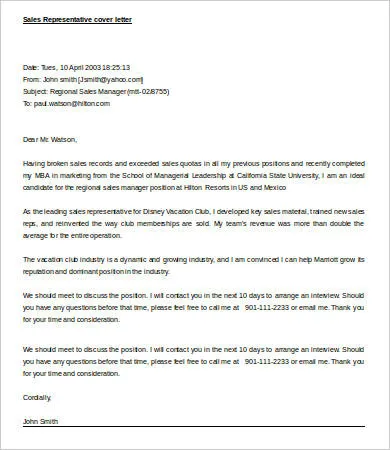
Before writing your cover letter, invest time in researching the company. Learn about their products or services, their target market, their mission and values, and any recent news or developments. This information will allow you to tailor your cover letter to demonstrate that you understand the company’s needs and are genuinely interested in the opportunity. For example, you can mention a specific product or service that resonates with you, or highlight how your skills could contribute to their current goals. Researching the company also shows your initiative, preparation, and genuine interest in the company’s long-term goals. You should visit the company’s website, browse their social media profiles, and read any relevant articles or news stories. This information will help you personalize your cover letter and make a more compelling case for why you’re the right fit. It shows that you have a good knowledge of the company’s past achievements and are ready for the role.
Showcasing Relevant Skills
In your cover letter, it’s essential to showcase the skills most relevant to the sales representative position. This includes both hard skills, such as sales techniques, CRM software proficiency, and market analysis, and soft skills, such as communication, negotiation, and relationship-building. Refer back to the job description to identify the specific skills that the employer is looking for and provide examples of how you’ve demonstrated those skills in the past. This could involve describing a successful sales pitch you delivered, a complex negotiation you managed, or a challenging customer relationship you resolved. When describing your skills, provide concrete examples, and quantify your achievements whenever possible. This will make your claims more believable and impactful. Remember that the goal is not just to list your skills, but to demonstrate how you’ve used them to achieve positive results. Make sure your skills are aligned with the industry. Tailor your skills based on the job requirements.
Communication and Interpersonal Skills
Effective communication and strong interpersonal skills are crucial for success in sales. In your cover letter, emphasize your ability to communicate clearly and persuasively, both verbally and in writing. Describe how you build rapport with clients, understand their needs, and tailor your approach to their specific requirements. This could involve highlighting your active listening skills, your ability to explain complex information in a clear and concise manner, or your knack for building long-term relationships. Sales representative jobs require a lot of communication with potential and existing clients, so your ability to make a good impression is essential. Showcase your emotional intelligence, adaptability, and your ability to work with diverse personalities. Be honest about your limitations and showcase the abilities and skills you’ve gained that you believe will make you successful in this role. Make your skills measurable and quantifiable. Describe how your communication and interpersonal skills have contributed to your success in the past. Be genuine to make a long-lasting impact.
Closing with Confidence and a Call to Action

Your cover letter should end with a strong and confident closing that reinforces your interest in the position and encourages the hiring manager to take the next step. Reiterate your enthusiasm for the opportunity, summarize your key qualifications, and express your confidence in your ability to contribute to the company’s success. Include a clear call to action, such as requesting an interview or offering to provide further information. For example, you could say, “I am eager to learn more about this opportunity and discuss how my skills and experience can benefit your team. Thank you for your time and consideration. I look forward to hearing from you soon.” Make sure that your call to action is specific and easy for the hiring manager to follow. This shows professionalism and a proactive approach. The closing paragraph is your final chance to make an impression. Always thank the hiring manager for their time and consideration. Let them know how excited you are, and when you’re available for an interview.
Proofreading and Formatting
Before submitting your cover letter, meticulously proofread it for any errors in grammar, spelling, and punctuation. A single mistake can undermine your credibility and make a negative impression on the hiring manager. Ask a friend, family member, or career counselor to review your letter as well. Fresh eyes can often catch errors that you might have missed. In addition to proofreading, pay close attention to the formatting of your cover letter. Use a clear and professional font, such as Times New Roman or Arial, and maintain consistent spacing and margins. Ensure that your cover letter is easy to read and visually appealing. Pay attention to layout, ensuring all the sections are clearly separated, and the content is organised logically. Make sure your cover letter fits on a single page. Poor formatting can make your letter difficult to read and distract from your message. A polished and error-free cover letter demonstrates your attention to detail and professionalism, significantly increasing your chances of landing an interview. The cover letter should look professional and be easy to read, making a good first impression.