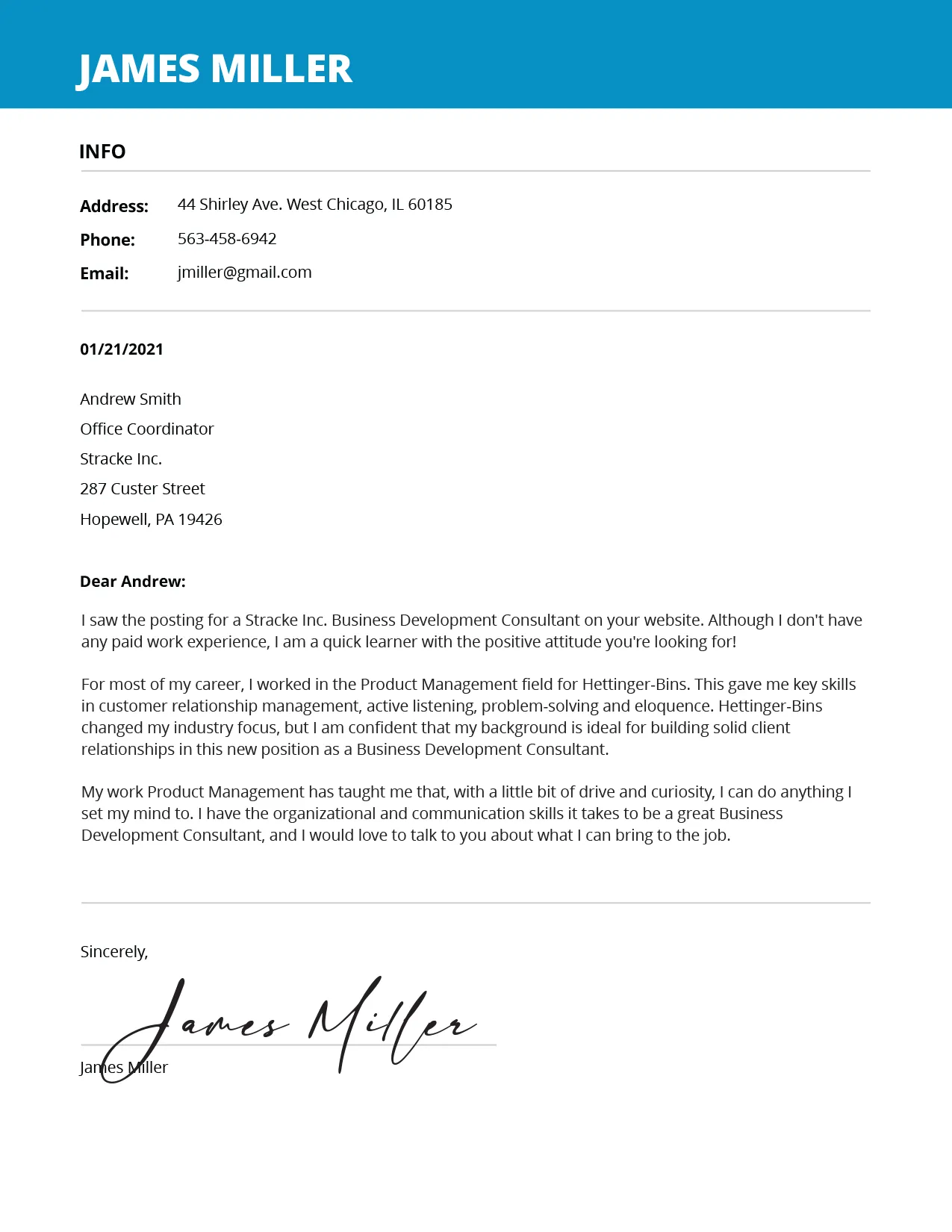
What Is a Resume and Cover Letter
In the competitive world of job applications, a resume and cover letter are your essential marketing tools. A resume, often called a curriculum vitae (CV), is a concise document that summarizes your professional history, skills, and education. It gives potential employers a quick overview of your qualifications. A cover letter, on the other hand, is a personalized introduction that accompanies your resume. It’s your opportunity to express your interest in the specific job, highlight relevant experiences, and showcase your personality. Both are crucial components of any job application, and creating them effectively can significantly increase your chances of landing an interview. A well-crafted resume and cover letter combination not only presents your qualifications but also demonstrates your communication skills, attention to detail, and genuine interest in the position.
Resume vs Cover Letter Know the Difference
Understanding the difference between a resume and a cover letter is critical to crafting effective job application materials. The resume is a factual summary of your professional history. It should be easy to scan and highlight key skills, experiences, and achievements. It’s focused on providing concrete evidence of your qualifications. The cover letter, however, allows you to explain why you’re a good fit for a specific role. It allows you to convey your personality, career aspirations, and how your skills align with the job requirements. The cover letter provides a narrative that brings your resume to life. Think of the resume as the ‘what’ – what you’ve done – and the cover letter as the ‘why’ – why you’re the perfect candidate. These two documents work in tandem. The resume provides a quick reference, and the cover letter provides the compelling explanation.
Resume Section Details

A well-structured resume is easy to read and quickly conveys your most relevant qualifications. Start with your contact information at the top, including your name, phone number, email, and LinkedIn profile URL (optional). Next, consider including a brief summary or objective statement. If you have extensive experience, a summary highlights your key skills and achievements. If you’re just starting out, an objective statement can describe your career goals. Then, list your work experience in reverse-chronological order, detailing your responsibilities and accomplishments for each role. Include your education, listing degrees, certifications, and any relevant coursework. Finally, include a skills section, categorizing your abilities (e.g., technical, soft skills). Be sure to tailor your resume to each job application, highlighting the skills and experiences most relevant to the position.
Contact Information
Your contact information should be at the very top of your resume and is easily accessible. Include your full name, professional email address, and phone number. It is crucial that your email address sounds professional and is easy to read. Adding a link to your LinkedIn profile is optional but recommended. It is a great way for potential employers to view your professional network and see endorsements and recommendations from colleagues.
Summary or Objective
Your summary or objective statement is a concise introduction to your resume. A summary statement is best for experienced professionals and highlights your key skills and achievements in a few sentences. An objective statement, on the other hand, is better suited for entry-level candidates or those changing careers. It clearly states your career goals and what you’re looking for in a position. Tailor this section to the specific job you’re applying for to make your qualifications immediately apparent to the hiring manager. This section should be concise, clear, and compelling, grabbing the reader’s attention.
Work Experience

The work experience section is the heart of your resume. List your previous jobs in reverse chronological order, starting with your most recent position. For each role, include the job title, company name, location, and dates of employment. Use bullet points to describe your responsibilities and accomplishments, focusing on quantifiable results whenever possible. Use action verbs to start each bullet point and keep your descriptions concise. The work experience section should be tailored to the specific job application, emphasizing the skills and experiences that match the job requirements.
Education
In the education section, list your degrees, certifications, and any relevant coursework. Include the name of the institution, your degree, major, and graduation date (or expected graduation date). If you have limited work experience, you may want to provide more detail, such as your GPA (if it’s strong), relevant coursework, or academic achievements. If you have multiple degrees, list them in reverse-chronological order. This section provides crucial information about your academic background and can be particularly important for recent graduates or those in fields where education is a key requirement.
Skills Section
The skills section is where you highlight your abilities. Categorize your skills into relevant sections such as technical skills, software proficiency, and soft skills (e.g., communication, teamwork, problem-solving). Be specific and use keywords from the job description to tailor your skills section. Use a combination of hard skills and soft skills to demonstrate your comprehensive abilities. Consider creating a separate section for certifications or licenses if they are relevant to the job. Ensure that the skills you list align with the requirements of the positions you’re applying for, and always be honest about your proficiency.
Cover Letter Section Details

A well-written cover letter complements your resume and provides an opportunity to express your personality and interest in a job. The cover letter should be structured with a clear format, using the proper sections for the best impression. Begin with a professional header, addressing the hiring manager by name if possible. In the opening paragraph, state the position you’re applying for and how you found it. In the body paragraphs, highlight relevant experiences, skills, and achievements that align with the job requirements. Show your enthusiasm and explain why you are a good fit for the company. End with a strong closing paragraph that reiterates your interest and includes a call to action, such as requesting an interview.
Header
The header of your cover letter is crucial for a professional presentation. Include your contact information (name, phone number, email, and LinkedIn profile URL). Then, include the date and the hiring manager’s name and title, along with the company’s address. Use a professional and clean font, ensuring that all information is easily readable. Make sure the header is formatted consistently with the rest of your document. A well-formatted header immediately shows attention to detail and professionalism.
Opening Paragraph
Your opening paragraph is your first opportunity to grab the reader’s attention. Immediately state the position you’re applying for and how you learned about the opportunity. Show your enthusiasm for the role and the company. If possible, mention something specific that attracted you to the job. Keeping it concise is key. The opening paragraph should provide a clear and compelling introduction to the rest of your letter. Make the reader eager to continue reading by highlighting your key qualifications early on.
Body Paragraphs

The body paragraphs are the heart of your cover letter, where you highlight your skills, experiences, and achievements that align with the job requirements. Focus on the job description and use it as a guide for what to emphasize. Select two or three key qualifications and provide examples that demonstrate your abilities. Use the STAR method (Situation, Task, Action, Result) to describe your accomplishments and the impact you made in your previous roles. Each paragraph should focus on a specific point, making sure that it is clear, concise, and compelling. Focus on showing the hiring manager why you are a perfect fit for the job and what you can bring to the company.
Closing Paragraph
Your closing paragraph should reiterate your interest in the position and the company. Thank the hiring manager for their time and consideration. Include a call to action, such as requesting an interview. Express your eagerness to discuss your qualifications further and your hope to hear from them soon. Ensure the tone is professional and enthusiastic, leaving a positive impression. Proofread the entire cover letter and resume to ensure the closing is error-free and leaves the reader with a clear understanding of your interest in the job.
Resume and Cover Letter Tips
To create standout resumes and cover letters, keep these tips in mind. Make sure both documents are tailored to each job application, highlighting the skills and experiences most relevant to the specific role. Use action verbs to start your bullet points and quantify your accomplishments whenever possible. Proofread both documents carefully for any errors in grammar, spelling, and punctuation. Consider the formatting – use a clean, easy-to-read font and structure your content logically. Include a professional headshot (optional but recommended). Get feedback from trusted sources, such as career counselors or mentors. Following these tips will help you create application materials that get noticed.
Tailoring to the Job

Tailoring your resume and cover letter to each job application is essential for success. Start by carefully reviewing the job description and identifying the key skills and experiences the employer is seeking. Customize your resume and cover letter to reflect these requirements. Highlight the relevant skills and achievements from your past roles that align with the job description. Use keywords from the job posting throughout your application materials. The goal is to show the hiring manager that you possess the specific qualifications the company is looking for. Taking the time to tailor your application will significantly increase your chances of landing an interview.
Formatting Tips
Effective formatting can greatly enhance the readability and impact of your resume and cover letter. Choose a clean, easy-to-read font, such as Arial, Calibri, or Times New Roman, and use a font size between 10 and 12 points. Use clear headings and subheadings to break up the text and make it easier to scan. Utilize bullet points to list accomplishments and skills. Maintain consistent margins and spacing throughout the document. Consider using bolding or italics sparingly to emphasize important information. Make sure your documents are visually appealing and free of any distracting elements. A well-formatted resume and cover letter convey professionalism and attention to detail.
Proofreading and Editing
Proofreading and editing are crucial steps in the resume and cover letter writing process. Errors in grammar, spelling, and punctuation can create a negative impression and undermine your credibility. Carefully review your documents multiple times. Use a spell checker and grammar checker, but also read through your resume and cover letter manually. Ask a friend or family member to proofread your materials. Consider reading your resume and cover letter out loud. Proofreading is important to make sure your materials are perfect and free from any mistakes. Investing time in proofreading will demonstrate your attention to detail.