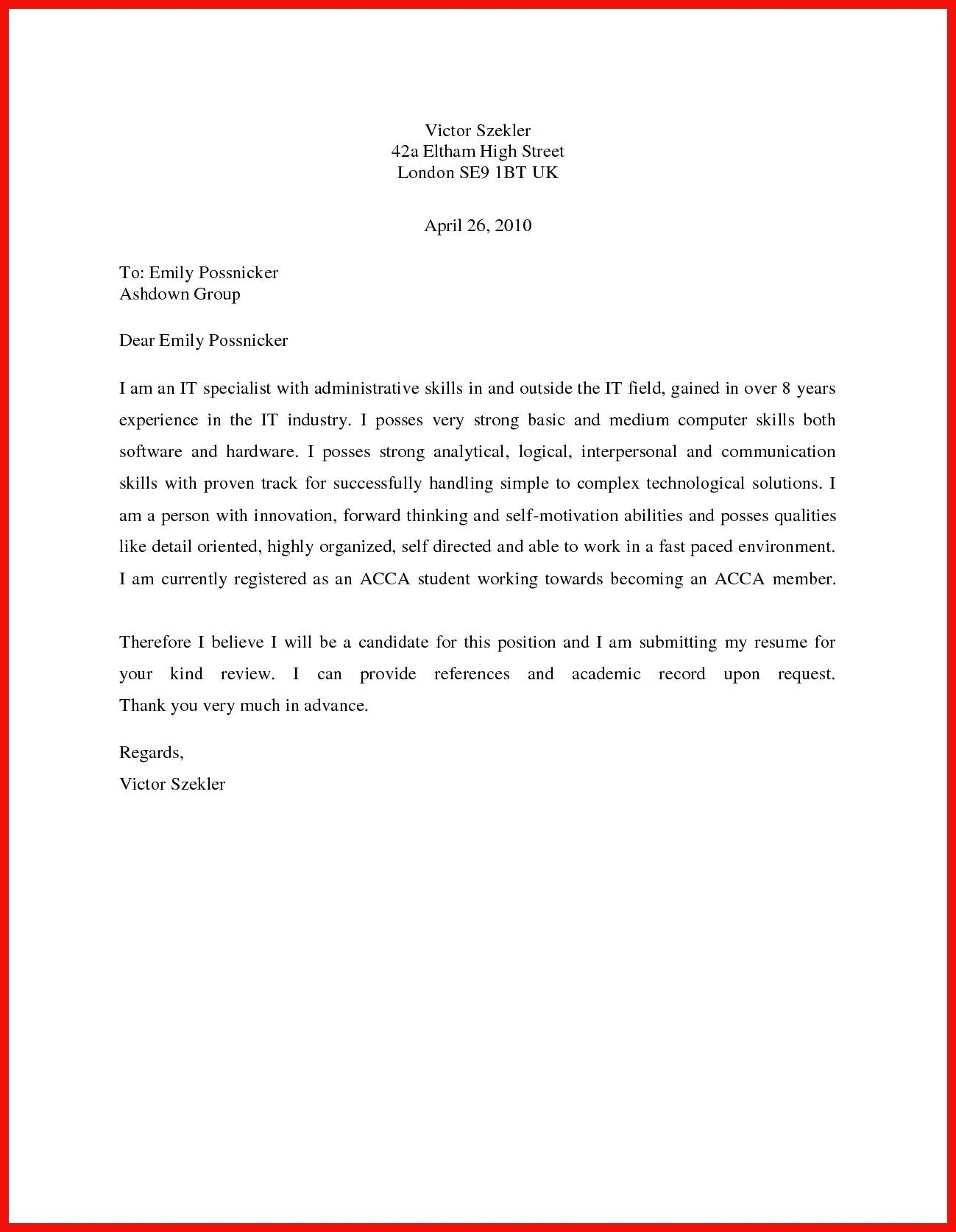
What Is a Resume Cover Letter?
A resume cover letter is a crucial document that accompanies your resume when applying for a job. It serves as a personalized introduction, allowing you to highlight your key skills, experiences, and qualifications in a way that directly relates to the specific job you’re applying for. Think of it as your opportunity to make a strong first impression and convince the hiring manager that you are the ideal candidate. Unlike your resume, which is a factual summary of your background, the cover letter allows you to showcase your personality, enthusiasm, and writing abilities. It provides context to your application and helps you stand out from other applicants by explaining why you’re interested in the role and the company.
Why Is a Cover Letter Important?
In today’s competitive job market, a cover letter is more than just a formality; it’s a necessity. Many employers use cover letters to quickly assess a candidate’s communication skills, attention to detail, and overall fit for the role and company culture. A well-written cover letter significantly increases your chances of getting noticed and securing an interview. It demonstrates that you’ve taken the time to understand the job requirements and are genuinely interested in the opportunity. This proactive approach shows initiative and professionalism, setting you apart from candidates who only submit a resume. Furthermore, the cover letter allows you to address any potential gaps or weaknesses in your resume, providing context and explaining how your skills are transferable and valuable.
Key Elements of a Cover Letter

A compelling cover letter is well-structured and contains specific elements. These elements work together to present a clear and persuasive case for your candidacy. Each section serves a distinct purpose and contributes to the overall effectiveness of your letter. Careful attention to detail in each element is essential to create a cover letter that captivates the reader and encourages them to consider your application further. By incorporating these key elements, you can craft a cover letter that not only meets the requirements but also distinguishes you from other applicants, increasing your chances of securing an interview.
Contact Information
Your contact information is essential for the recipient to reach you. Make it easy for the hiring manager to know who you are and how to contact you. It’s crucial to be readily available for any follow-up communication or interview scheduling.
Your Name and Contact Details
At the top of your cover letter, include your full name, address, phone number, and email address. Ensure the email address is professional-sounding. This is the information needed for the recipient to contact you, and it should be readily available. This is the first part of your letter, the recipient must immediately know who you are and how to contact you.
Date

Below your contact information, write the current date. This provides context and shows that your application is current. It helps the employer know when you sent the application. This is a standard practice.
Employer’s Information
Include the hiring manager’s name (if known), their title, the company name, and the company’s address. If you don’t know the hiring manager’s name, use a generic greeting like ‘Dear Hiring Manager’. If you cannot locate the company address, you do not need it.
The Salutation
The salutation sets the tone for your cover letter. It is crucial to address the recipient appropriately. Using the hiring manager’s name, if available, adds a personal touch and shows you have done your research. If you are unsure of the name, a generic greeting is acceptable, but try to find the hiring manager’s name if possible, as it makes your letter feel less impersonal.
The Body of Your Cover Letter

The body of your cover letter is the core of your application, where you showcase your skills, experience, and enthusiasm. A well-structured body can significantly increase your chances of success. Each paragraph serves a specific purpose. Your goal should be to grab the reader’s attention and keep them interested in what you have to offer. By tailoring the body to the job description and company, you demonstrate your genuine interest and suitability for the role.
Opening Paragraph
Start with a strong opening that grabs the reader’s attention. Clearly state the position you are applying for and where you saw the job posting. Briefly mention why you are interested in the role and the company. This section is critical for making a positive first impression. It should immediately establish the connection between your skills and the job requirements, showing your genuine interest from the start. This sets the stage for the rest of your letter, highlighting the main reasons you are the right fit for the role.
Highlighting Your Skills and Experiences
The most important part of your letter is where you demonstrate your capabilities and how they relate to the job. Select the most important skills and experiences from your resume, and provide concrete examples of how you have used them in the past. Use action verbs to describe your accomplishments. Focus on what makes you a strong candidate. By linking your skills to the job’s needs, you show how you can contribute to the company’s success.
Tailoring to the Job Description

Customize your cover letter to align with the job description. Carefully review the job posting and identify the key requirements and qualifications. Emphasize the skills and experiences that match these needs, and provide specific examples of how you’ve demonstrated them in previous roles. Show that you have carefully reviewed the job description and understand the requirements. Doing this indicates that you are not only qualified but also enthusiastic about the role. This tailored approach helps you stand out by showing how you can solve their specific needs.
Demonstrating Your Enthusiasm
Express your genuine interest in the company and the position. Briefly explain why you are excited about the opportunity and what motivates you. This could include the company’s mission, values, or the impact you hope to make in the role. Show your interest in the company’s culture and goals, as this demonstrates your commitment to the role and the organization. Enthusiasm, when sincere, is a highly attractive quality to potential employers and makes you more memorable. You have to convince the hiring manager you want the job.
The Closing
The closing section is an important step to reiterate your interest and make it easy for the hiring manager to take the next step. The closing should be professional and end on a positive note.
Expressing Gratitude

Thank the hiring manager for their time and consideration. Expressing your appreciation shows professionalism and courtesy. A simple thank you can leave a positive lasting impression. This shows you are respectful of their time and that you appreciate the opportunity to apply for the role.
Call to Action
Include a call to action to prompt the next step. For example, you can state your availability for an interview and reiterate your enthusiasm. Making it easy for the hiring manager to take action increases your chances of moving forward in the hiring process. Providing clear instructions can boost your chances of receiving a response. Don’t make the hiring manager guess what the next step should be.
Closing
End with a professional closing, such as ‘Sincerely’ or ‘Respectfully’, followed by your name. This maintains a formal tone and signals the end of your letter. Ensure your name is clearly visible. Choose a closing that matches the overall tone of your letter. Ensure that the closing is concise and to the point, leaving a positive final impression.
Formatting and Design Tips

The appearance of your cover letter is important, so make sure it is visually appealing and easy to read. Proper formatting and design help the hiring manager quickly grasp the content and appreciate your attention to detail. Clear formatting, including appropriate spacing, font choices, and organization, reflects well on your professionalism. It helps present your information effectively. When done right, formatting and design enhance readability and make a positive first impression.
Proofreading and Editing
Before submitting your cover letter, carefully proofread and edit it for any errors. Spelling and grammatical errors can make your letter look unprofessional. Ensure the tone of the letter matches the job and company culture. Correct any grammatical errors and typos. Have someone else review your letter for clarity and effectiveness. It is essential to review the cover letter because any mistakes can damage your chances of getting a job.
Common Mistakes to Avoid
Avoiding common mistakes can greatly improve your cover letter. Be mindful of these points as you write your letter to ensure it effectively presents your qualifications and demonstrates your interest in the role. These common pitfalls can deter potential employers and reduce your chances of being selected for an interview. By avoiding them, you can significantly increase your chances of success. Do not write a generic cover letter, and make sure to customize the letter for each job application.
Cover Letter Examples and Templates
Using examples and templates can help you structure and write your cover letter. Many online resources offer a variety of cover letter examples for different industries and job roles. Reviewing these can help you learn how to craft effective letters and tailor them to various positions. Start with a template and customize it. The goal is to help you get started and provide inspiration. Ensure the templates are tailored to your unique skills and experience.
Where to Get Cover Letter Help
If you need additional help with your cover letter, there are various resources available. Career counselors, resume writers, and online platforms can provide valuable guidance and support. Seeking assistance from career professionals ensures your cover letter meets industry standards and effectively highlights your strengths. Take advantage of available resources. Professional help may be a worthwhile investment to help improve your job search success. Consulting experts can help you create a professional cover letter.