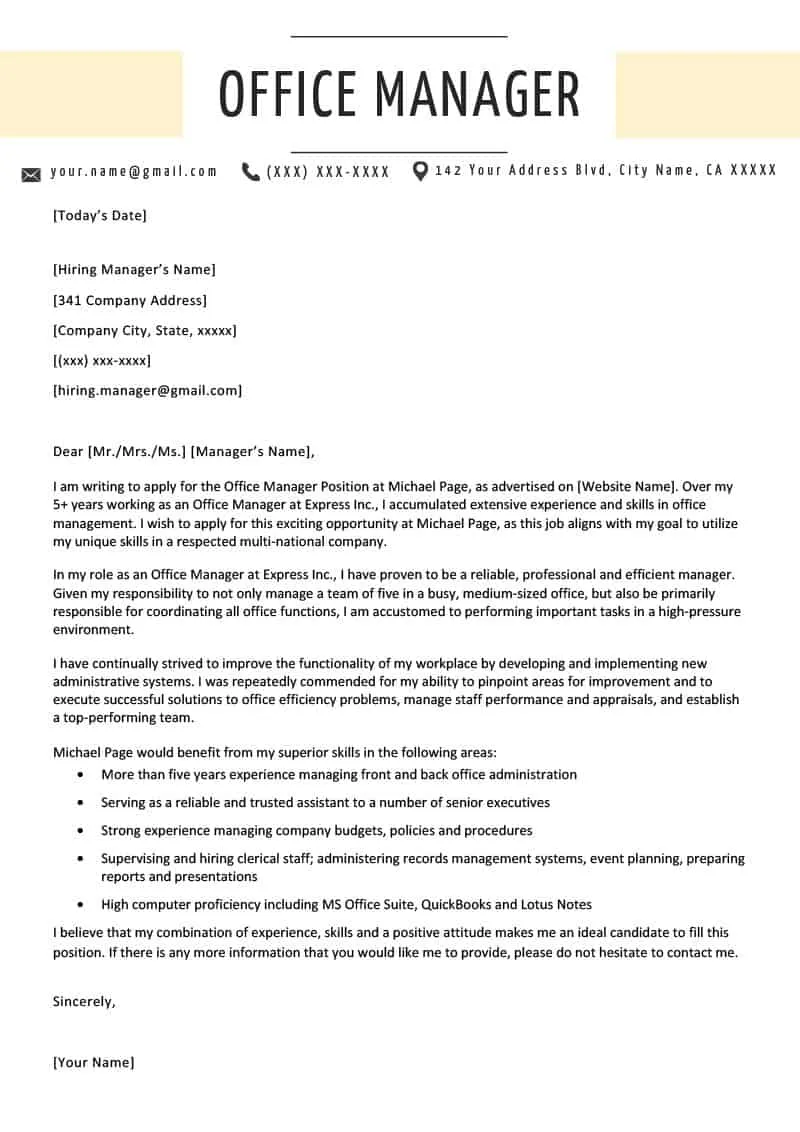
What is a Resume Cover Letter
A resume cover letter is a crucial document accompanying your resume when applying for a job. It serves as an introduction, providing an opportunity to elaborate on your qualifications, skills, and experiences in a more personalized and engaging way than your resume allows. It showcases your personality, writing abilities, and genuine interest in the specific role and company. A well-crafted cover letter can significantly increase your chances of getting noticed by a hiring manager and securing an interview. It is your first chance to make a strong impression and set the stage for your application.
The Importance of a Cover Letter
Cover letters are incredibly important because they provide context to your resume. They explain why you are interested in the position and what makes you a strong candidate. They allow you to highlight specific skills and experiences relevant to the job description, making your application more compelling. A cover letter also demonstrates your communication skills and attention to detail, essential qualities for many roles. Many employers appreciate cover letters because they show a candidate’s initiative and a genuine interest in the position, setting you apart from other applicants who may only submit a resume.
Why Cover Letters are Still Relevant

Despite the rise of online applications and streamlined hiring processes, cover letters remain relevant. They offer a chance to personalize your application and go beyond the bullet points in your resume. They allow you to address any potential gaps in your employment history or explain why your skills align with the role, even if your experience isn’t a perfect match. A well-written cover letter demonstrates your communication skills, professionalism, and genuine interest in the company, all of which can significantly increase your chances of getting an interview. In a competitive job market, a cover letter gives you an edge by making a memorable first impression.
Cover Letter Basics
Formatting Your Cover Letter
Proper formatting is key to a professional-looking cover letter. Use a clean, easy-to-read font like Times New Roman, Arial, or Calibri, with a font size between 10 and 12 points. Maintain consistent formatting throughout the document, including font style, size, and spacing. Ensure your margins are set to one inch on all sides, and use single or 1.15 line spacing to enhance readability. A well-formatted cover letter shows attention to detail and respect for the hiring manager’s time, making a positive first impression.
Choosing the Right Font and Size

The choice of font and size impacts readability and professionalism. Stick to standard fonts like Times New Roman, Arial, or Calibri; these are universally recognized and easy on the eyes. Avoid overly decorative or unconventional fonts, as they can distract from your content. A font size between 10 and 12 points is ideal, ensuring your text is legible without appearing too large or small. The goal is to create a visually appealing document that is easy for the hiring manager to read quickly.
Setting Up Margins and Spacing
Setting consistent margins and spacing is crucial for a polished look. Maintain one-inch margins on all sides of the document to create a balanced layout and prevent text from appearing cramped. Use single or 1.15 line spacing to enhance readability, making the text easier to scan quickly. Ensure consistent spacing between paragraphs to provide visual breaks and guide the reader through your letter. Proper formatting shows attention to detail, and it is the first step towards creating a positive impression.
Cover Letter Structure
A well-structured cover letter follows a standard format that makes it easy for the hiring manager to read and understand your qualifications. This format includes a header with your contact information, a formal salutation, an opening paragraph that grabs the reader’s attention, a body that highlights relevant skills and experience, and a closing paragraph that expresses your interest and includes a call to action. Each section serves a specific purpose in showcasing your qualifications and enthusiasm for the role.
Header and Contact Information

Your header should include your name, address, phone number, and email address. It is best to align this information to the left or right. Make sure your contact information is up-to-date and professional-sounding. If you have a LinkedIn profile, consider including the URL as well. This information is crucial for the hiring manager to contact you if they want to learn more. Always ensure accuracy; errors can be a significant problem.
Greeting the Hiring Manager
Start with a professional greeting. If you know the hiring manager’s name, use ‘Dear Mr./Ms./Mx. [Last Name]’. If you cannot find a specific name, use a general greeting like ‘Dear Hiring Manager’ or ‘Dear [Company Name] Hiring Team’. Avoid overly casual greetings and always double-check the spelling of the recipient’s name. This personal touch shows that you have taken the time to research and tailor your application.
The Body of Your Cover Letter
Opening Paragraph — Grab Their Attention

The opening paragraph is your chance to capture the hiring manager’s attention. State the position you are applying for and where you found the job posting. Briefly mention why you are interested in the role and company. Highlight one or two of your key qualifications that align with the job requirements. This initial paragraph should be concise, enthusiastic, and designed to make the reader want to continue reading. It sets the tone for the rest of the letter.
Highlighting Relevant Skills and Experience
In the body of your cover letter, provide specific examples of your skills and experiences that align with the job requirements. Use the job description to identify the key skills and qualifications the employer is seeking. Provide evidence of your accomplishments by using the STAR method (Situation, Task, Action, Result) to showcase your abilities. Customize each cover letter to the specific role and company, ensuring your qualifications match their needs. The goal is to demonstrate how you can contribute to the company’s success.
Quantifying Achievements and Results
When describing your achievements, use numbers and data to quantify your results. Instead of saying ‘Improved customer satisfaction,’ say ‘Increased customer satisfaction by 15%’. Use metrics to demonstrate the impact of your work and show the value you bring to the table. This helps the hiring manager understand your capabilities and potential contributions more clearly. Quantifiable results make your accomplishments more compelling and memorable.
Tailoring Your Cover Letter to the Job

Customize your cover letter for each job you apply for. Carefully review the job description and identify the key skills, experiences, and qualifications the employer is seeking. Highlight the aspects of your background that best match these requirements. Explain why you are interested in this specific company and role, showcasing your research and genuine interest. Tailoring your cover letter demonstrates that you have taken the time to understand the company’s needs, making your application more impactful.
Closing Your Cover Letter
The closing paragraph should reiterate your interest in the position and thank the hiring manager for their time and consideration. Express your enthusiasm for the opportunity and your eagerness to learn more about the role. This section should be concise, professional, and leave a lasting positive impression. It is the final opportunity to make a good impression and encourage the hiring manager to take the next step.
Call to Action
Include a call to action to encourage the hiring manager to contact you. State that you are available for an interview and eager to discuss your qualifications further. Provide your contact information again if needed. This shows your proactive attitude and desire to move forward in the hiring process. It makes it easier for the hiring manager to take the next step and schedule an interview.
Professional Closing and Signature

Use a professional closing like ‘Sincerely’, ‘Best regards’, or ‘Thank you’. Leave space for your signature if you are submitting a hard copy or a PDF. If submitting electronically, you can simply type your full name. Ensure your closing reflects your professionalism and leaves a positive final impression. This sets the tone for the end of the letter and reinforces the professional image you are conveying.
Proofreading and Editing Your Cover Letter
Proofreading and editing are crucial steps in the cover letter writing process. Carefully review your letter for any grammatical errors, spelling mistakes, and typos. Read your cover letter aloud to catch any awkward phrasing or unclear sentences. Ask a friend, family member, or career advisor to review your letter as a fresh pair of eyes can often spot errors you might miss. Proofreading ensures your letter is polished, professional, and reflects your attention to detail.
Common Mistakes to Avoid
Avoid common mistakes that can hurt your chances of getting an interview. Some of the most frequent errors include grammar and spelling errors, using generic cover letters, and making the letter too long or informal. These mistakes can give the impression of carelessness or a lack of interest in the position. By avoiding these pitfalls, you can ensure your cover letter makes a positive impression.
Grammar and Spelling Errors

Careless errors in grammar and spelling can undermine your professionalism. Always use a grammar checker and proofread your cover letter thoroughly. Pay attention to sentence structure, punctuation, and word choice. These errors can make your application appear unprofessional. Careful attention to detail in your cover letter demonstrates your commitment to presenting yourself as a polished and competent candidate.
Generic Cover Letters
Using a generic cover letter that is not tailored to the specific job or company is a major mistake. Generic cover letters lack personalization and fail to demonstrate your genuine interest in the role. Hiring managers can easily spot these letters and are less likely to give them serious consideration. Customize your cover letter for each application to show your enthusiasm and alignment with the company’s needs.
Length and Tone
Keep your cover letter concise, ideally no more than one page. Be mindful of the tone, ensuring it is professional and enthusiastic. Avoid overly casual language or slang. Strive for a balance between formal and approachable, demonstrating your personality while maintaining professionalism. A well-written cover letter should be easy to read and create a positive impression of you as a potential employee.
Resume Cover Letter Examples
Reviewing cover letter examples can provide inspiration and guidance for writing your own. Seek examples that match your experience level, the type of job you are applying for, and the industry. Pay attention to how the examples are structured, how skills are highlighted, and how the tone is maintained. Remember to customize the examples to reflect your qualifications and the specific requirements of the job. The main goal is to learn from the best practices and adapt them to your unique situation.
Example Cover Letter for Entry-Level Position
For entry-level positions, focus on your education, internships, and any relevant coursework or projects. Highlight transferable skills such as communication, teamwork, and problem-solving. Emphasize your enthusiasm for the role and the company. Use a professional tone that reflects your willingness to learn and contribute. Mention your career goals and how the position aligns with them. Demonstrate how you are eager to start your career in the field.
Example Cover Letter for Experienced Professional
For experienced professionals, showcase your accomplishments and expertise. Use quantifiable results to demonstrate the impact of your work. Tailor your letter to highlight the skills and experiences most relevant to the job description. Discuss your career progression and demonstrate a strong understanding of the company’s industry. Emphasize your leadership abilities and contributions to previous companies. Convey the value you can bring to the new company.
Example Cover Letter for Career Change
For career changers, address the transition head-on and explain why you are making the switch. Highlight transferable skills from your previous role and how they align with the new position’s requirements. Explain your interest in the new industry and demonstrate your willingness to learn and adapt. Focus on your skills and how they are useful in the new context. Show the hiring manager how your skills can contribute to the company’s success.
Tools and Resources
Utilize various tools and resources to create a compelling cover letter. These can include online cover letter builders, professional templates, and job search websites. Cover letter builders can help you with formatting and content suggestions. Templates provide a structure to follow, while job search websites provide the necessary descriptions to start tailoring your letter.
Online Cover Letter Builders
Online cover letter builders can simplify the writing process by providing templates, prompts, and suggestions. They can guide you through the structure and formatting of your cover letter. While helpful, be sure to personalize the content and tailor it to each job application. Use these tools as a starting point, not a replacement for your own writing and editing efforts.
Cover Letter Templates
Cover letter templates offer a structured framework to follow. They provide a pre-designed layout and sections for your information. Many templates are available online and can be customized to your needs. Choose a template that matches your industry and experience level. Remember to personalize the content to reflect your qualifications and enthusiasm for the role. Templates offer a consistent structure for each letter.
Where to Find Job Descriptions
Job descriptions are your primary source of information when tailoring your cover letter. Review the job description carefully to identify the key skills, qualifications, and experiences the employer is seeking. Use these details to highlight your relevant strengths and tailor your letter to match the role. Use the keywords from the job description throughout your cover letter to show the hiring manager you are a great match. Always make sure you match the job description for the best possible results.
Final Tips for a Winning Cover Letter
Your cover letter should be a reflection of you and your qualifications. Always tailor your letter to each job application, showing genuine interest. Proofread your cover letter to ensure it is free of errors. Proofreading can be difficult, so ask someone else to read it over. Focus on your achievements and provide quantifiable results whenever possible. Following these guidelines can make a difference.