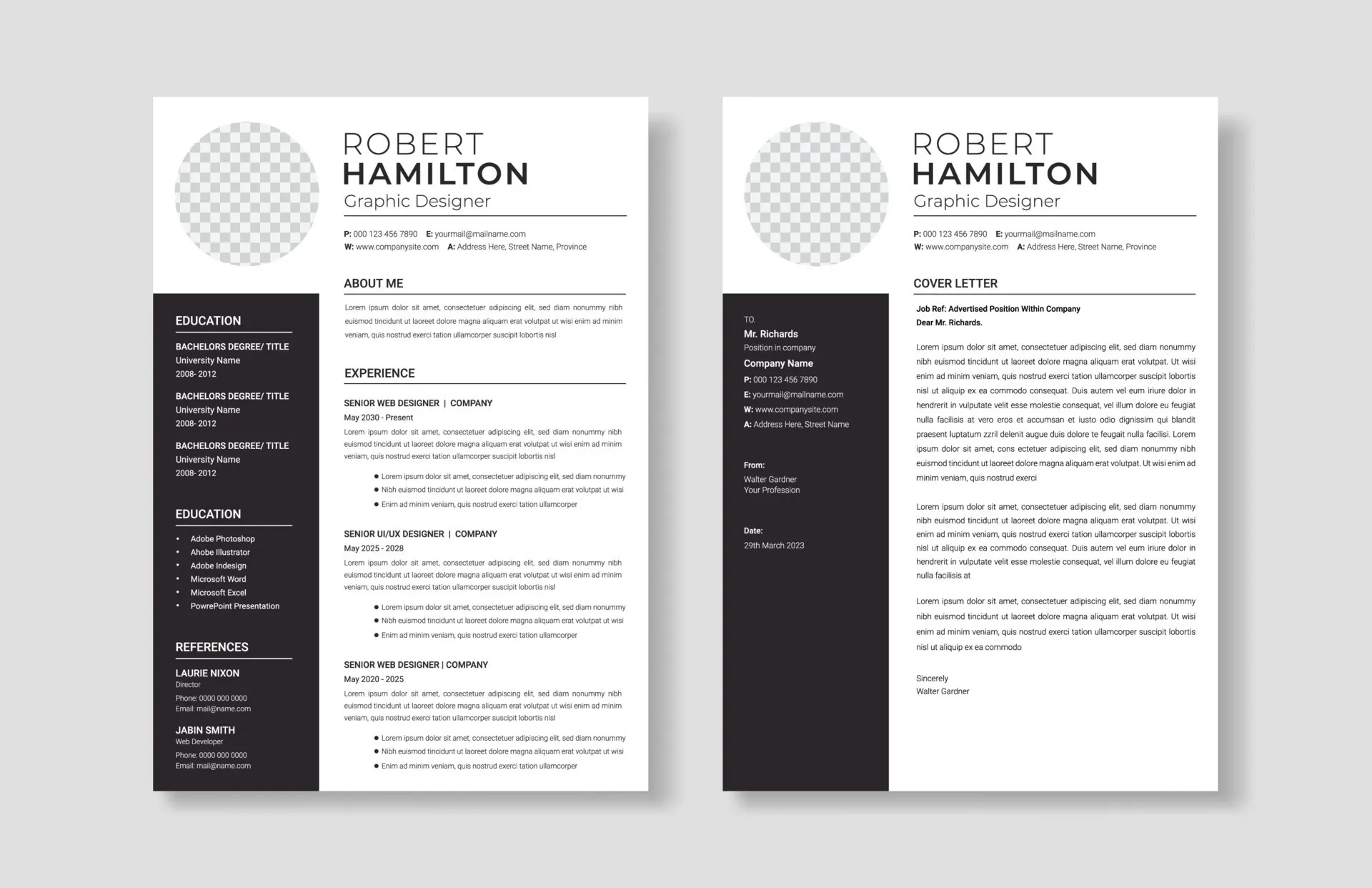
What is a Resume Cover Letter
A resume cover letter is a crucial document accompanying your resume when applying for jobs. It serves as an introduction, a showcase of your skills, and a way to express your interest in a specific position and company. Unlike the resume, which provides a factual summary of your experience and qualifications, the cover letter offers a chance to elaborate on why you are the ideal candidate. It allows you to explain your motivations, highlight relevant skills, and demonstrate your understanding of the role and the organization. A well-crafted cover letter can significantly increase your chances of getting noticed and securing an interview, as it provides the hiring manager with a more personal and compelling view of you beyond the information presented in your resume. It also provides a platform to address any potential gaps or concerns that the employer may have regarding your application.
Importance of a Cover Letter for Job Applications
In today’s competitive job market, a cover letter is often a critical differentiator. Many employers consider a cover letter a mandatory part of the application process because it reveals more about the applicant than a resume alone. It provides a unique opportunity to personalize your application and to demonstrate your enthusiasm for the role and the company. It shows the employer that you’ve taken the time to understand the specific job requirements and to articulate how your skills and experiences align with them. A strong cover letter can also clarify any career transitions, explain employment gaps, or address other concerns that may arise from your resume. In essence, it’s your chance to make a memorable first impression and to persuade the hiring manager that you are the best candidate for the job. Ignoring the need for a cover letter or submitting a generic one can lead to your application being overlooked.
Essential Components of a Cover Letter

A well-structured cover letter should include specific key components that work together to make a compelling argument for your candidacy. These elements ensure that the letter is clear, concise, and persuasive. Each section plays a vital role in communicating your qualifications and your interest in the opportunity. By incorporating these components, you demonstrate professionalism, attention to detail, and a genuine interest in the position. This structured approach ensures that you cover all the critical elements needed to make a strong impression and persuade the hiring manager to invite you for an interview.
Contact Information
Start your cover letter with your contact information at the top. Include your full name, phone number, email address, and optionally, your LinkedIn profile URL. This ensures that the hiring manager can easily contact you if they’re interested. Always use a professional email address, avoid nicknames or informal language. Also, you should include the date and the hiring manager’s name and title if available. Properly formatting your contact details provides a professional touch and facilitates quick communication, setting a positive tone for the rest of your letter. When you’re sending your cover letter via email, this is a simple way to ensure that the recipient has your contact information readily accessible.
Opening Paragraph — Grabbing Attention
The opening paragraph of your cover letter is your opportunity to make a strong first impression. Start by stating the position you are applying for and where you saw the job posting. Immediately express your enthusiasm for the role and the company. Briefly mention a key skill or achievement that aligns with the job requirements to grab the reader’s attention. This section sets the tone for the rest of your letter and encourages the hiring manager to keep reading. If you can, personalize this section by mentioning something specific about the company or the role that excites you. This shows that you’ve done your research and are genuinely interested in the opportunity. Avoid generic phrases; instead, aim for a compelling introduction that makes you stand out.
Body Paragraphs — Showcasing Skills and Experience

The body paragraphs are where you demonstrate how your skills and experience align with the job requirements. Focus on 2-3 key skills or experiences that are most relevant to the role. Provide specific examples and achievements to support your claims, using the STAR method (Situation, Task, Action, Result) to structure your responses. Explain the situation, the task you faced, the actions you took, and the positive results you achieved. Quantify your achievements whenever possible to provide concrete evidence of your capabilities. Tailor your examples to match the job description, highlighting the skills and experiences that the employer values most. Avoid simply repeating information from your resume; instead, elaborate on your accomplishments and show how you made a difference in previous roles. Use strong action verbs to make your descriptions dynamic and engaging.
Highlighting Relevant Skills
When showcasing your skills, focus on those that are most relevant to the job description. Review the job posting carefully and identify the key skills and qualifications the employer is seeking. Then, in your cover letter, specifically address these skills. Provide concrete examples of how you have used these skills in the past and the positive outcomes you achieved. Use action verbs to describe your accomplishments, such as ‘managed,’ ‘developed,’ ‘implemented,’ or ’led.’ By directly addressing the required skills, you demonstrate that you understand the job requirements and possess the necessary capabilities to succeed. This focused approach helps the hiring manager quickly see the value you bring to the role.
Quantifying Achievements
Quantifying your achievements makes your cover letter more impactful and credible. Instead of simply stating that you improved a process, provide concrete numbers. For example, instead of saying ‘increased sales,’ say ‘increased sales by 15% in one quarter.’ Using numbers, percentages, and specific figures provides tangible evidence of your accomplishments and demonstrates your impact. This helps the hiring manager understand the value you brought to previous roles. Be sure to include metrics that are relevant to the job and the company’s goals. For instance, if the job involves project management, quantify your project completion rates, budget savings, or on-time delivery percentages. By using quantifiable results, you show that you are results-oriented and can contribute to the company’s success.
Tailoring Your Cover Letter to the Job

One of the most critical aspects of writing a successful cover letter is tailoring it to the specific job and company. Generic cover letters are easily identifiable and often discarded. A tailored cover letter demonstrates that you have taken the time to understand the role and the organization, making a strong impression on the hiring manager. Customizing your cover letter shows your genuine interest in the opportunity and increases your chances of getting an interview. Avoid using a generic template and instead, craft a unique letter that speaks directly to the job’s requirements and the company’s values. This demonstrates to the recruiter that you are not just sending out mass applications, but that you are genuinely interested in the specific role you are applying for.
Researching the Company and Role
Before writing your cover letter, conduct thorough research on the company and the specific role you are applying for. Visit the company’s website, read news articles, and check their social media profiles to understand their mission, values, and recent achievements. Learn as much as you can about the job description, including the required skills, responsibilities, and the type of person the company is seeking. Use this information to tailor your cover letter to highlight your relevant experience and demonstrate how your skills and goals align with the company’s needs. Show that you understand the company’s culture and the specific challenges of the role. Tailoring your letter is crucial for making a positive impression and proving that you have done your homework.
Using Keywords from the Job Description
Carefully review the job description and identify the keywords used to describe the required skills and qualifications. Incorporate these keywords naturally into your cover letter. This helps to ensure that your application is noticed by applicant tracking systems (ATS) used by many companies. It also demonstrates to the hiring manager that you understand the job requirements and possess the necessary qualifications. However, avoid keyword stuffing, which can make your letter sound unnatural. The best approach is to weave the keywords into your descriptions of your experience and skills in a way that flows naturally and highlights how you meet the job’s criteria. This ensures that your cover letter is both effective and easy to read.
Formatting Your Cover Letter for Readability

The formatting of your cover letter is just as important as its content. A well-formatted letter is easy to read and makes a positive impression. Choose a professional and clean format, and pay attention to elements like font selection, margins, and spacing. The goal is to make your cover letter visually appealing and easy for the hiring manager to scan. Avoid clutter and ensure that the letter is well-organized and presented clearly. A well-formatted cover letter shows that you pay attention to detail and take pride in your work.
Font Selection and Size
Select a professional and readable font, such as Times New Roman, Arial, Calibri, or Helvetica. These fonts are widely accepted and easy to read, which helps the hiring manager focus on your content. Use a font size of 11 or 12 points. Avoid using unusual or overly decorative fonts, as they can distract from your message. Consistency in font choice throughout the cover letter is also important. A consistent font and size create a polished and professional appearance, which is important for making a good first impression on the hiring manager. If your cover letter is easy to read, it will make the reader focus on your skills and accomplishments.
Margins and Spacing
Maintain consistent margins of 1 inch on all sides of your cover letter. This provides a balanced look and makes the text easy to read. Use single-spacing within paragraphs and double-spacing between paragraphs. This creates visual breaks that make the content more accessible. Ensure that there is sufficient white space to prevent the letter from appearing cluttered. Proper spacing and margins enhance readability, allowing the hiring manager to quickly and efficiently review your qualifications. A well-spaced document communicates professionalism and attention to detail. Well-formatted text makes your cover letter look more professional and accessible.
Proofreading and Editing

Before submitting your cover letter, proofread it carefully for any errors. Typos, grammatical errors, and inconsistencies can damage your credibility and undermine your application. Use a grammar checker and spell checker, but don’t rely on them entirely. Read your cover letter multiple times and consider having someone else review it. Pay attention to the overall flow and clarity of your writing. Make sure that your message is clear, concise, and effectively communicates your qualifications and enthusiasm for the role. Proofreading helps you to eliminate any distractions and guarantees that the information is conveyed effectively. Errors make the hiring manager question your attention to detail. A well-proofread cover letter increases your chances of making a positive impression and getting an interview.
Common Mistakes to Avoid
Avoid these common mistakes when writing your cover letter to ensure your application makes a positive impression. These mistakes can undermine your application and hurt your chances of getting an interview. Recognizing and avoiding these common errors will help you to write a cover letter that effectively highlights your qualifications and demonstrates your enthusiasm.
Generic Cover Letters
Avoid using a generic cover letter that is not tailored to the specific job and company. Such letters lack the personalization that demonstrates your genuine interest in the opportunity. Generic cover letters are easy to spot and often result in your application being overlooked. Tailor your cover letter to each job by researching the company, understanding the job requirements, and highlighting the most relevant skills and experiences. Personalization shows that you are genuinely interested in the specific opportunity and have taken the time to understand what the company seeks. A tailored cover letter shows that you are more than just sending out mass applications and that you care about the specific role you are applying for.
Typos and Grammatical Errors

Carefully proofread your cover letter to eliminate typos and grammatical errors. These mistakes can damage your credibility and make you look unprofessional. Use spell-check and grammar-check tools, but don’t rely on them exclusively. Read your cover letter multiple times and consider having someone else review it. Typos and grammatical errors distract the reader and make your application appear less polished. Ensure that your writing is clear, concise, and free of errors to present yourself in the best possible light. Errors detract from your qualifications, so it’s crucial to ensure your writing is perfect before submitting your application.
Best Practices for Sending Your Cover Letter
Follow these best practices when sending your cover letter to maximize your chances of getting noticed. These steps help you to ensure that your cover letter is presented professionally and that the recipient receives it without any issues. Adhering to these guidelines is crucial for making a positive impression and increasing the likelihood of an interview.
File Format and Naming Conventions
Save your cover letter as a PDF file unless the job posting specifies another format. A PDF ensures that your formatting remains consistent across different devices and operating systems. Name your file clearly and professionally, using your name and the job title, such as ‘JohnDoe_CoverLetter_MarketingManager.pdf’. This allows the hiring manager to easily identify your application. By following these formatting and naming conventions, you demonstrate professionalism and attention to detail, which is vital for a good first impression. Make sure that your file is well-organized and the content is presented in a polished, professional way.
Following Up on Your Application
If you haven’t heard back from the employer within a reasonable timeframe (typically 1-2 weeks after the application deadline), it’s appropriate to follow up. Send a brief, polite email expressing your continued interest in the role. Reiterate your enthusiasm and highlight a key skill or achievement that aligns with the job requirements. This shows your persistence and interest in the position. Ensure that your follow-up is professional and respectful of the hiring manager’s time. A well-timed and thoughtful follow-up can keep your application top of mind and increase your chances of being considered for an interview. However, avoid excessive follow-ups, as this can be seen as overbearing.