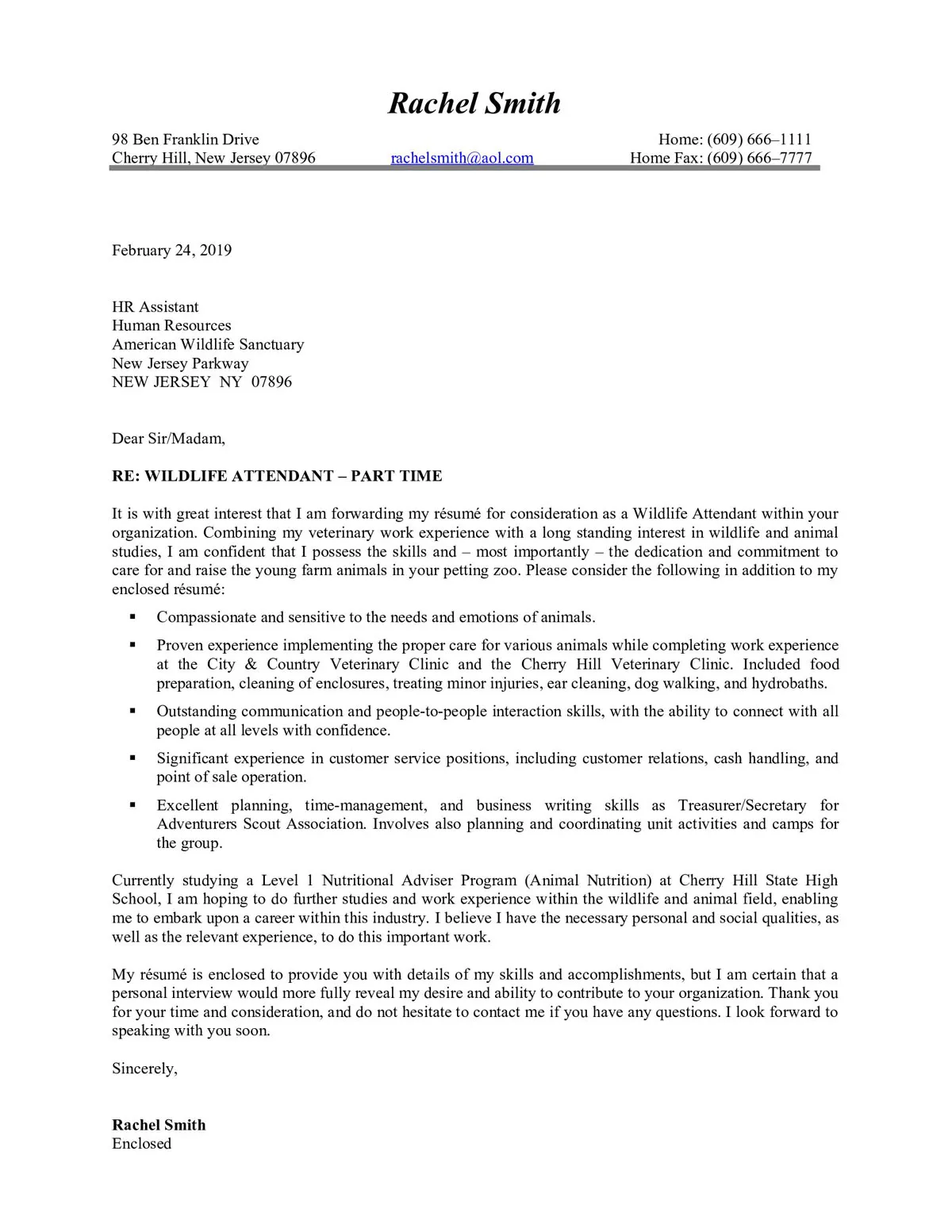
What is a Resume Cover Letter?
A resume cover letter is a crucial document that accompanies your resume when you apply for a job. It serves as an introduction to your application, allowing you to showcase your personality, skills, and enthusiasm for the position. Think of it as your opportunity to make a strong first impression and convince the hiring manager to delve deeper into your qualifications. Even if you have limited experience, a well-crafted cover letter can significantly increase your chances of getting an interview. It is your voice and the context behind the accomplishments and skills highlighted on your resume, the cover letter is also the best place to inject the personality and interest the hiring manager needs to connect with you.
The Purpose of a Cover Letter
The primary purpose of a cover letter is to persuade the employer to read your resume and consider you for the job. It allows you to explain why you are the ideal candidate, even if you lack direct experience. A cover letter enables you to articulate your career goals, demonstrate your understanding of the company, and express your genuine interest in the specific role. By highlighting your relevant skills and experiences, a cover letter helps you stand out from other applicants. Cover letters are also used for tailoring the resume, as the hiring manager can understand which skills are most relevant to the position. The most important thing is that you tailor the letter to the specific job requirements.
Key Elements of a Cover Letter

A well-structured cover letter includes several key elements that contribute to its overall effectiveness. These elements work together to create a compelling narrative that captures the reader’s attention and highlights your suitability for the role. A cover letter acts as a roadmap, guiding the reader through your qualifications and making a case for why you deserve an interview. Mastering these elements is key to writing a cover letter that will help you get the job.
Header
Your header should include your full name, contact information (phone number and email address), and sometimes your LinkedIn profile URL. This information ensures that the hiring manager can easily reach you if they are interested in your application. Make sure that the information you provide is current and accurate, as this is the primary means by which recruiters and hiring managers will contact you regarding a job.
Your Contact Information
Your contact information should always be the first thing in the header. Make sure your phone number and email address are up to date. A professional-sounding email address is a must.
Date

Place the date of the cover letter below your contact information. This helps the employer know when the application was sent.
Recipient’s Contact Information
Include the hiring manager’s name, title, and the company’s address. If you can’t find the hiring manager’s name, use a general salutation like “Dear Hiring Manager.” Researching the hiring manager and company shows your interest and attention to detail.
Salutation
Use a professional salutation such as “Dear Mr./Ms./Mx. [Last Name],” or “Dear Hiring Manager.” Avoid generic greetings like “To Whom It May Concern.” Addressing the hiring manager by name is the best way to start, and make sure to get their name and title right.
Body Paragraphs

The body paragraphs are the heart of your cover letter. They should be concise, engaging, and tailored to the specific job and company. The body of the letter should include an introduction, a section for showing your skills, and a closing.
First Paragraph Introduction
Start with a strong opening that grabs the reader’s attention. State the position you are applying for and where you found the job posting. Briefly mention why you are interested in the company and the role. Express your enthusiasm and eagerness to learn more about the opportunity. Be confident and showcase your personality in the introduction.
Highlight Your Passion and Enthusiasm
Use the first paragraph to show your interest in the company, especially if you are applying with no experience. Show that you are passionate and can adapt to the environment. Show that you have the right soft skills and a good work ethic. Let them know your strengths.
Second Paragraph Show Your Skills

In the second paragraph, highlight your relevant skills and how they align with the job requirements. Since you may lack direct experience, focus on transferable skills, projects, coursework, or any relevant experiences you have. Provide specific examples that demonstrate your abilities and how you have applied those skills in various situations. Use keywords from the job description to show that you are a great fit for the position.
Transferable Skills
If you lack direct experience, emphasize transferable skills. These are skills you’ve gained from previous jobs, volunteer work, academics, or personal projects that can be applied to the new role. Examples include communication, problem-solving, teamwork, leadership, time management, and attention to detail. Provide concrete examples of how you’ve demonstrated these skills. Make sure your transferable skills are the most relevant for the job, and that they are easy to identify.
Research the Company
Demonstrate that you have researched the company. Mention specific projects, values, or initiatives that resonate with you. Explain how your skills and values align with the company’s culture and goals. Showing this demonstrates your interest in working there, and that you want to be a part of the team. Research the company’s mission, vision, and values to understand their culture.
Third Paragraph Closing

In your closing paragraph, reiterate your interest in the position and summarize why you are a strong candidate. Thank the hiring manager for their time and consideration. Express your enthusiasm to learn more about the opportunity. Your closing should be professional and enthusiastic.
Call to Action
Include a clear call to action. State that you look forward to hearing from them and that you are available for an interview. Mention that you are available for an interview at their earliest convenience. Give them all the contact information they might need.
Complimentary Close
Use a professional closing such as “Sincerely,” “Best regards,” or “Thank you.” Make sure the complimentary close aligns with the overall tone of your cover letter. Ensure the tone is professional and enthusiastic.
Signature

Type your full name below the complimentary close. If you are submitting a physical copy, leave space for your handwritten signature above your typed name.
No Experience? No Problem
If you’re writing a resume cover letter with no experience, there are strategies to make it stand out. Focus on your potential, skills, and passion rather than dwelling on a lack of experience. Highlight any relevant projects, coursework, or volunteer work that demonstrates your capabilities. Show them why they should consider you, even without experience. This is about highlighting what you have, not what you lack.
Focus on Transferable Skills
Even if you don’t have direct job experience, you likely possess transferable skills that are valuable in the workplace. Identify skills such as communication, teamwork, problem-solving, leadership, and time management. Provide examples of how you have demonstrated these skills in other settings, such as school projects, extracurricular activities, or volunteer work. Tailor these skills to the specific job requirements.
Highlight Relevant Projects or Coursework
If you’re a recent graduate or have limited work experience, showcase relevant projects or coursework. Describe projects you completed in school, including the skills you used and the results you achieved. Focus on projects that align with the job description and demonstrate your abilities. Detail any academic achievements or honors that highlight your skills. Show the company your skills are up to par with the job.
Tailor Your Cover Letter
Always tailor your cover letter to the specific job and company. Customize each cover letter to match the job requirements and the company’s culture. Research the company and the role to understand their needs and expectations. Use keywords from the job description to show that you understand the requirements. Personalize the letter to show you’ve done your research and are genuinely interested in the opportunity.
Proofread and Edit
Proofreading and editing are essential steps in creating a polished and professional cover letter. Errors in grammar, spelling, or punctuation can damage your credibility and make a negative impression. Take the time to review your cover letter carefully for any mistakes, and use these tips to make sure everything is as good as it can be.
Formatting and Style
The formatting and style of your cover letter are crucial for making a positive first impression. A well-formatted and visually appealing letter is easier to read and demonstrates your attention to detail. Choose a clean and professional font, maintain consistent formatting, and keep your letter concise and easy to follow. These are things to think about before sending the letter, as they are just as important as the content.
Choosing the Right Font
Select a professional and easy-to-read font, such as Times New Roman, Arial, or Calibri. Use a font size between 10 and 12 points for the body text. Avoid using overly decorative or unusual fonts that could distract the reader.
Maintaining Consistent Formatting
Use consistent formatting throughout your cover letter. Ensure that the font, font size, and spacing are consistent. Use clear and concise headings to organize the information. Maintain consistent margins and alignment. Consistent formatting makes the letter easy to read. Make sure that the formatting is easy on the eyes, and that it is not too cluttered.
Length of the Cover Letter
Keep your cover letter concise and to the point. Aim for a length of one page, typically three to five paragraphs. Focus on the most relevant information and avoid including unnecessary details. Each paragraph should convey a specific point and contribute to the overall message. Get to the point quickly.