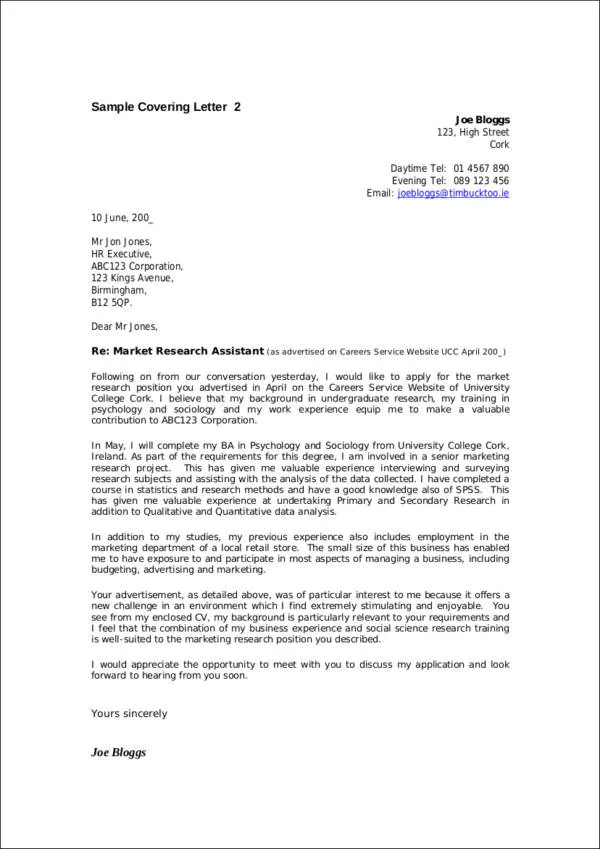
Understanding the Research Position Cover Letter
A cover letter for a research position is more than just a formality, it is your first chance to make a strong impression. It serves as a detailed introduction, allowing you to highlight your qualifications, skills, and experiences in a way that a resume alone cannot. When applying for a research position, a well-crafted cover letter can significantly increase your chances of being noticed by the hiring committee. It is your opportunity to demonstrate a genuine interest in the specific research area, the institution, and the research team. The cover letter provides context, connecting your past experiences to the requirements and goals of the position. It gives you the space to explain how your skills and knowledge align with the role, showcasing your ability to contribute to ongoing research projects and the overall mission of the research institution. A well-written cover letter can set you apart from other applicants and prompt the hiring manager to review your resume in detail.
The Purpose of a Cover Letter for Research Positions
The primary purpose of a cover letter in the context of a research position application is to articulate your interest and suitability for a specific role. It is designed to be a personal introduction, providing context to your qualifications. Unlike a resume, which presents a factual overview, the cover letter allows you to connect your past research experience to the current job requirements. The letter provides an opportunity to explain your motivation for applying to the specific institution and research area. By clearly articulating your understanding of the research objectives and your potential contributions, you can increase your chances of being invited for an interview. Moreover, a well-structured cover letter demonstrates your communication skills, attention to detail, and ability to convey your passion for research. It is a chance to show the hiring committee that you are not just qualified but also a good fit for the research team. It is a critical tool in presenting yourself as a knowledgeable, enthusiastic, and well-prepared candidate for the research position.
Key Components to Include in Your Cover Letter

A comprehensive cover letter for a research position should include several key components to ensure you present yourself in the best possible light. Begin with your contact information, clearly displayed at the top of the letter, including your name, address, phone number, and email. Immediately following, include the date. Next, address the letter to the appropriate recipient, usually the hiring manager or the principal investigator, using their title and name if possible. The body of the letter is where you present your case. Start with a compelling opening paragraph that grabs the reader’s attention, explaining why you are interested in the position and the institution. Throughout the letter, highlight your research experience, detailing relevant projects, methodologies, and achievements. Show how your skills and qualifications align with the job description, emphasizing your knowledge and ability. Express your enthusiasm for the research area, demonstrate your understanding of the project’s goals, and explain why you are the ideal candidate. Conclude with a thank you and an expression of your interest in an interview. Carefully format and proofread the entire letter for professionalism and clarity, ensuring it is free of any errors.
Your Contact Information
At the top of your cover letter, provide your full name, address, phone number, and email address. Make sure your email address is professional. Using an address that sounds professional, such as a combination of your name or initials, is best. This section should be clearly formatted and easy to find, as it provides essential information for the hiring manager to contact you.
The Date
Immediately after your contact information, include the date the cover letter is written. This shows when you submitted the application and ensures that the letter is current. The date is typically placed below your contact details and before the recipient’s information.
The Recipient’s Information

Address the cover letter to the hiring manager or principal investigator. If their name is known, use a formal salutation such as “Dear Dr. [Last Name]” or “Dear Professor [Last Name]”. If the name is not available, use a general greeting like “Dear Hiring Committee” or “Dear Search Committee.” This shows you have taken the time to research the role and tailor your application.
Writing the Perfect Cover Letter Body
The body of your cover letter is the heart of your application. It is where you have the opportunity to explain why you are the perfect candidate for the research position. The body should comprise of several focused paragraphs, each addressing a specific aspect of your qualifications and interest. The tone should be professional and enthusiastic, showing that you are genuinely interested in the position. Start strong with an opening paragraph that grabs the reader’s attention. Throughout the body, highlight your relevant research experience, skills, and qualifications, using specific examples and data to back up your claims. Ensure your cover letter is well-organized and easy to read, with clear transitions between paragraphs. Proofread carefully to catch any errors. A well-written body is essential in making a strong impression on the hiring committee and securing an interview.
Opening Paragraph Grab Their Attention
The opening paragraph should immediately capture the reader’s attention and state your purpose for writing. Begin by mentioning the specific research position you are applying for and where you found the job posting. Briefly state why you are interested in the position and the institution. This helps to set the tone and demonstrate your enthusiasm from the start. Highlight something specific that drew you to the research project or the institution, such as a particular research area or the reputation of the team. Make a concise, compelling statement about why you are a strong candidate. The goal is to make the reader want to read the rest of your letter, so ensure the opening paragraph is engaging and informative.
Highlighting Your Research Experience

In this section, provide detailed information about your previous research experiences. Focus on the projects that are most relevant to the research position you are applying for. Describe the scope of the projects, your role, the methodologies used, and any significant findings or achievements. Quantify your accomplishments whenever possible; for instance, mention any publications, presentations, or awards. Use action verbs to describe your contributions and responsibilities, such as “conducted,” “analyzed,” “developed,” and “presented.” It is also a good idea to explain how your research experience aligns with the goals of the current position. Highlighting your achievements and detailing your research experience will show the hiring team what you are capable of.
Showcasing Relevant Skills and Qualifications
This section should focus on the skills and qualifications that match the requirements of the research position. Carefully review the job description and identify the key skills the employer is looking for. Then, explain how your skills align with these requirements. Provide examples of how you have used these skills in the past. Skills can include technical expertise, data analysis, experimental design, and communication skills. Emphasize any software, techniques, or methodologies you are proficient in. Include examples of your proficiency with research methodologies and software applications. Providing direct examples and supporting your claims with details will strongly show your qualifications.
Expressing Your Interest and Enthusiasm
This is where you demonstrate your genuine interest in the research position and the institution. Explain why you are interested in the specific research area, the project’s goals, and the research team’s work. Show that you have researched the institution and are familiar with its mission, values, and research culture. Mention specific publications or projects that have inspired you. Your enthusiasm should come through in your tone and language. Your passion for research should be evident. Expressing your interest in the specific work done by the research team will show the team your interest in them.
Closing the Cover Letter Effectively

The closing paragraph should provide a concise summary of your interest and suitability for the research position. Reiterate your enthusiasm and emphasize your qualifications and your desire to be invited for an interview. Thank the hiring manager for their time and consideration. Include a call to action, such as stating that you are available for an interview and ready to discuss your qualifications further. You can also express your willingness to provide any additional information or materials, if necessary. Make sure the closing paragraph is positive, professional, and leaves a lasting impression. This will demonstrate your professionalism and your keen interest in the position.
Thank You and Next Steps
In the final paragraph of your cover letter, express your gratitude to the hiring manager for considering your application. Thank them for taking the time to review your qualifications and for their attention. Also, indicate your eagerness to hear from them regarding an interview. State that you are available to discuss your qualifications in more detail. Provide your contact information again, if necessary, so that the hiring manager can easily reach you. Closing with a polite but confident statement underscores your professionalism and interest in the research opportunity.
Formatting and Proofreading Your Cover Letter
Proper formatting and proofreading are critical to presenting a professional and polished cover letter. Good formatting makes your letter easy to read and helps the reader quickly grasp the key information. Proofreading ensures that your letter is free of errors, showing attention to detail. Carefully formatted and proofread cover letters can increase your chances of standing out from other candidates. This demonstrates your skills in communication and organizational ability, while conveying a message of professionalism.
Formatting Guidelines for Research Cover Letters

Use a professional and easy-to-read font, such as Times New Roman or Arial, with a font size of 11 or 12 points. Use standard 1-inch margins and single-spacing within paragraphs, with a double space between paragraphs. Left-align the text, except for your contact information, which can be centered or left-aligned. Make sure to use clear headings and subheadings to separate different sections of your letter, making it easier for the reader to follow. Maintain a consistent format throughout the document. These formatting guidelines contribute to a professional and easy-to-read cover letter that allows the reader to focus on the content.
Proofreading and Editing for Perfection
Proofreading is essential to ensure your cover letter is free of any grammatical errors, spelling mistakes, or typos. Read through your letter multiple times, and consider using grammar and spell-check tools, but do not rely on them completely. Have a friend, mentor, or career advisor review your letter. Ensure the language is clear, concise, and professional. Verify all the facts, and double-check names, dates, and any other specific information. Proofreading will show your attention to detail and commitment to producing a high-quality application.
Cover Letter Examples and Templates
Reviewing cover letter examples and using templates can be very helpful in writing your cover letter. They can serve as a guide for structuring your own letter and for understanding the kind of content to include. However, it’s essential to customize your cover letter and tailor it to your specific skills, experience, and the research position. Avoid using generic templates without making significant changes to reflect your own qualifications and the job’s requirements. Always personalize your cover letter to demonstrate that you have the qualifications for the specific position.
Research Cover Letter Template

A template provides a framework to help you create a well-structured cover letter, making it easier to organize your thoughts and present your information effectively. Use the template as a starting point, and customize it to fit your unique background and the requirements of the research position. A common template will include sections for your contact information, the date, the recipient’s information, an opening paragraph, the body (where you discuss your research experience, skills, and enthusiasm), and a closing paragraph. You can find cover letter templates for a research position online, but ensure that any template you use aligns with the job description. A template can help to maintain a professional look and will ensure you have all the necessary components to include in the letter.
Analyzing Successful Cover Letter Examples
Studying examples of successful cover letters can offer valuable insights into how to best present yourself to the hiring manager. Pay attention to how these cover letters start. Note how the applicants introduce their research background, and how they tailor the letters to the specific requirements of the positions they are applying for. Look for how the applicants showcase their achievements, skills, and experiences by using strong action verbs. Also, note how the applicants express their enthusiasm for the work of the research team, and then express their interest in the specific research position. Adapt the writing style and content of the successful cover letters to reflect your experience and the research position that you are applying for. Analyze the formatting, the tone, and the language to understand what makes them effective. You can also use the best examples as inspiration for your own writing.
Common Mistakes to Avoid
Several common mistakes can undermine the effectiveness of your cover letter. Recognizing and avoiding these mistakes will enhance your chances of making a positive impression on the hiring committee. Focus on avoiding generic language, and avoid submitting a letter that is not tailored to the specific research position or institution. Typos and grammatical errors also detract from your professionalism. A poorly written cover letter can be the difference between getting an interview and having your application rejected. Therefore, pay attention to these mistakes while writing and proofreading your cover letter.
Generic Cover Letters
Using a generic cover letter that is not tailored to the specific research position or the institution is a major mistake. Generic letters fail to demonstrate your genuine interest in the role and show that you have not taken the time to understand the job requirements or the research goals. Always customize your cover letter to match the specific skills, experience, and qualifications that are needed for the research position. Research the institution’s mission and research team, and then highlight how your experiences and skills align with the project. Showing that you understand the goals of the team will demonstrate to the hiring manager your specific interest in the role.
Typos and Grammatical Errors
Typos and grammatical errors can seriously damage the credibility of your application. They indicate a lack of attention to detail, which is a critical quality in research. Proofread your cover letter multiple times, and use a grammar and spell-check tool, but remember that these tools are not foolproof. Have a friend or mentor review your letter for any potential errors. Taking the time to proofread and edit will show that you are diligent and professional, and that you are committed to presenting your best work.
Failing to Tailor the Letter to the Position
Not tailoring your cover letter to the specific research position can signal a lack of interest and a lack of preparation. Before writing, thoroughly review the job description and identify the essential skills and qualifications required by the position. Then, customize your cover letter to highlight your relevant experiences, skills, and your understanding of the project’s goals. Emphasize how your contributions and goals align with those of the position. Tailoring your cover letter shows that you have done your research, understand the position, and have the skills to thrive in it. It also significantly increases your chances of getting an interview.