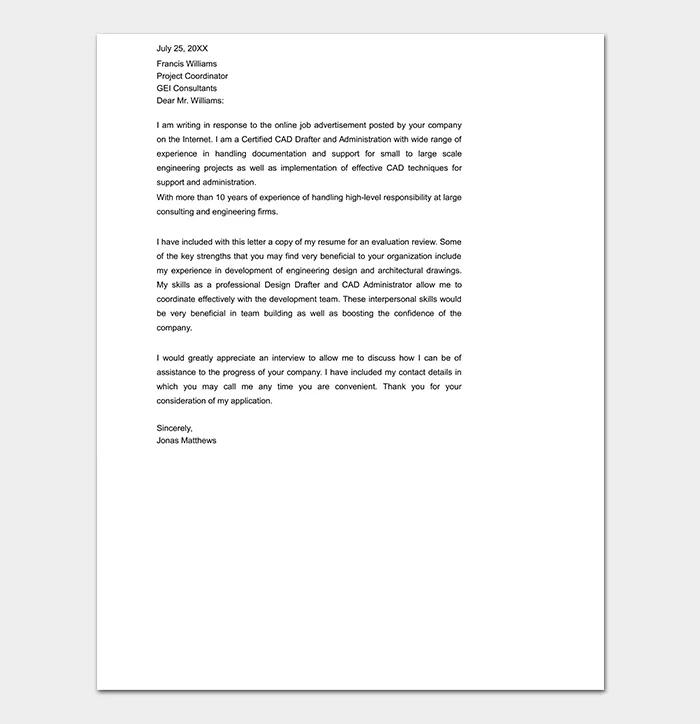
Why a Relocating Cover Letter is Crucial
In the competitive landscape of job applications, a relocating cover letter serves as your initial introduction to a potential employer, providing a personalized glimpse beyond the static resume. It’s an opportunity to showcase your enthusiasm for the position and, crucially, to address the elephant in the room your planned move. A well-crafted relocating cover letter not only mitigates concerns about your relocation but also demonstrates your proactive approach, genuine interest in the role, and understanding of the company’s needs. Ignoring this critical step could mean overlooking the chance to secure your dream job, as employers might hesitate to contact candidates without a clear explanation of their relocation plans. Therefore, it’s vital to view your cover letter as a strategic document that can significantly impact your application’s success.
Highlighting Your Relocation Readiness
Employers want to know you’re serious about the move. Use your cover letter to explicitly state your readiness to relocate. Mention any steps you’ve already taken, such as researching housing, schools (if applicable), or transportation options. If you have a planned move date, include it. This conveys that you’re not just considering the possibility of relocating, but actively planning for it. For instance, you can mention you’re ’eager to start as soon as possible’ or ‘ready to relocate by [date], with all arrangements underway’. Highlighting your proactive approach reassures the employer and positions you as a reliable candidate who’s prepared to commit to the job.
Expressing Your Enthusiasm for the Opportunity

Enthusiasm can set you apart from other candidates. Your cover letter should go beyond a mere recital of your skills and experience. Instead, use it to show why you’re particularly excited about this specific role and company. Research the company thoroughly to tailor your letter. Mention specific projects, values, or achievements of the company that resonate with you. Demonstrate that you understand the company’s mission and how your skills align with its goals. Moreover, expressing your enthusiasm for the opportunity can highlight your willingness to embrace new challenges and integrate yourself into a new environment, both of which are vital when relocating.
Showcasing Relevant Skills and Experience
Your cover letter is an excellent place to emphasize how your skills and experience align with the job requirements. Choose the skills that are most relevant to the position. Provide examples of how you have applied those skills in previous roles and the results you achieved. By quantifying your accomplishments and providing concrete examples, you’ll give employers a clear understanding of your capabilities and potential contribution to their team. If there are specific tools or technologies that the job requires, mention your proficiency. This makes the hiring manager confident that you’re ready to hit the ground running.
Crafting Your Relocating Cover Letter
Understanding the Purpose of a Relocating Cover Letter

Before you start writing, understand the primary purpose of your letter. Your goal is to convince the employer that your relocation will not impede your ability to perform the job effectively. This requires proactively addressing their concerns about your move. Emphasize that you’re serious about the opportunity and have a clear plan. The cover letter should make the employer want to know more about you, driving them to review your resume. The overall tone needs to be confident, professional, and enthusiastic, making you appear as a desirable candidate who is also prepared for the transition.
Key Components of a Relocating Cover Letter
A strong cover letter includes: a compelling introduction, a clear statement of your interest in the role, the reasons for your relocation, a summary of your relevant skills, your timeline, and a confident closing. The introduction should grab the reader’s attention and briefly state why you’re a good fit. Throughout the letter, demonstrate your knowledge of the company and the position. Address any potential concerns about your relocation, and close by expressing your enthusiasm for the role and a call to action, such as asking for an interview. This structured approach helps you create a coherent and persuasive letter.
Formatting Your Relocating Cover Letter Effectively
The formatting of your cover letter is as important as its content. Use a professional font, such as Times New Roman or Arial, with a readable size, typically 11 or 12 points. Maintain consistent spacing and clear paragraph structure. The letter should be no more than one page long; employers often lack the time to read lengthy applications. Make sure the letter is well-organized, easy to scan, and visually appealing. Use bullet points to highlight key skills and achievements. This will make it easy for a hiring manager to quickly grasp your most relevant qualifications and demonstrate that you understand the importance of their time.
Essential Elements to Include

Your Reason for Relocating
Be upfront about why you are relocating. Provide a brief but clear explanation. Examples might include family reasons, a desire for new experiences, or better career opportunities. While it’s not necessary to share every detail, it’s important to offer a logical explanation. The goal is to reassure the employer that your relocation is well-considered and not a sudden impulse. This reduces uncertainty and shows that you are serious about the job and the new location. Honesty and transparency build trust, making the employer more likely to consider your application.
Your Interest in the Role and Company
Demonstrate your deep interest in the specific role and company. Explain why this particular opportunity has captured your attention and what excites you about the position. Show that you’ve researched the company’s mission, values, and recent achievements, and explain how your skills and experience align with their needs. This can involve mentioning specific projects the company is involved in or highlighting their contributions to the industry. Tailoring your letter to the specific company shows your commitment and shows the employer that you aren’t simply sending a generic application.
Your Skills and Experience

Showcase the skills and experiences that are most relevant to the job. Use specific examples to illustrate how you have applied these skills in previous roles. Quantify your achievements whenever possible. For example, instead of saying ‘Managed projects,’ state ‘Managed projects, resulting in a 15% reduction in costs.’ This detailed approach gives potential employers a clear picture of your capabilities and what you can bring to their team. Tailor this section to match the job description, focusing on the key requirements and skills listed.
Your Relocation Timeline and Plans
Provide a realistic timeline for your relocation. Be specific about when you plan to move and when you would be available to start work. If you have concrete plans, such as a confirmed move date or housing arrangements, include them. This shows the employer you are serious and proactive. If your plans are still developing, offer a timeframe, such as ‘I anticipate relocating by [date]’. Being upfront and clear about your plans removes uncertainty and can positively influence the hiring manager’s perception of your application. It can reassure them that you are committed and ready to get started.
Avoiding Common Mistakes
Generic and Vague Statements

Avoid using generic and vague statements that could apply to any job. Instead, personalize your letter by referencing the specific role, company, and requirements outlined in the job description. General statements such as ‘I’m a hard worker’ or ‘I’m a team player’ lack impact. Instead, provide concrete examples of how you’ve demonstrated these qualities in past roles. Be specific about your accomplishments and tailor your skills to match the needs of the potential employer. This shows that you’ve done your homework and that you’re genuinely interested in the opportunity.
Focusing Solely on Relocation
While addressing your relocation is important, your cover letter should not solely focus on it. The primary focus should be on why you’re a good fit for the job and how your skills align with the company’s needs. Keep the discussion of relocation concise and integrated within the context of your suitability for the role. Devoting too much space to your relocation without highlighting your professional qualifications can undermine your application. The emphasis must always be on what you can bring to the company.
Ignoring the Job Requirements
Carefully review the job description and address each of the essential requirements in your cover letter. Tailor your letter to highlight the skills and experiences that align with these requirements. Failing to address the key needs of the role suggests a lack of attention to detail and a lack of understanding of what the employer is looking for. Ensure that your cover letter directly connects your qualifications with the specific demands of the job. This will demonstrate that you not only understand the role but are also well-prepared to succeed in it. If you possess a required skill, make sure to highlight that.
Proofreading and Editing Your Letter

Proofreading and editing your cover letter is crucial. Even minor errors in grammar, spelling, or punctuation can create a negative impression and undermine your credibility. Before submitting your letter, carefully review it for any mistakes. Read the letter aloud to catch awkward phrasing. Consider asking a friend, family member, or career counselor to review your letter. They can provide a fresh perspective and identify any errors or areas for improvement. Ensure the letter is clear, concise, and free of any typos or grammatical errors. This attention to detail shows your professionalism and commitment to excellence.
Proofreading is not just about catching spelling errors; it’s about ensuring your message is clear, coherent, and compelling. Check your formatting to make sure your document looks professional. Make sure your contact information is correct and up-to-date. Verify all the details, including the hiring manager’s name and the company’s address. Take the time to perfect your cover letter, as it’s often the first impression you make on a potential employer.
Tools and Resources for Relocating Cover Letters
Several tools can assist you in writing a compelling relocating cover letter. Explore cover letter templates. Many websites offer free and premium templates that can guide your formatting and structure. Online resources can offer advice on customizing your letter to highlight your readiness for relocation. Consider using a professional cover letter writing service for personalized feedback and expert editing. These services can review your letter, ensuring it is clear, professional, and effective. Take advantage of all available resources to create the best possible impression on potential employers.
Finalizing and Submitting Your Relocating Cover Letter
Once you’re confident with your cover letter, review it one last time before submitting. Ensure your contact information is correct and that you’ve customized the letter for the specific role and company. Save the cover letter in a professional format, such as PDF, to preserve the formatting. Always attach the cover letter along with your resume when applying online. Finally, send the email from a professional-looking email address. Your cover letter is an essential part of your application, and a well-crafted letter increases your chances of securing an interview and ultimately, landing your dream job in a new location.