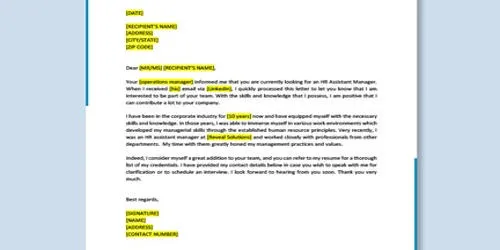
Why a Publisher Cover Letter is Essential
A publisher cover letter is far more than just a formality it’s your opportunity to make a strong first impression and demonstrate your suitability for a publishing role. It’s your initial handshake with a potential employer, setting the tone for how you are perceived. In the competitive publishing world, where candidates often possess similar qualifications, a well-crafted cover letter can make the difference between getting an interview and being overlooked. It provides a platform to elaborate on your resume, showcase your personality, and reveal your genuine interest in the specific publisher and the position. A cover letter acts as your advocate, skillfully highlighting your relevant skills, experiences, and the unique value you bring to the table. Failing to write a compelling cover letter means potentially missing an opportunity to showcase the best version of yourself and your potential contributions.
Understanding the Purpose of a Publisher Cover Letter
The primary purpose of a publisher cover letter is to introduce yourself to the hiring manager and communicate why you’re the perfect candidate for the role. It goes beyond simply listing your qualifications; it conveys your passion for publishing and your understanding of the publisher’s mission and values. The letter serves as a way to explain how your experiences have prepared you for the specific responsibilities of the job, detailing your key accomplishments and linking them to the job requirements. Furthermore, the cover letter is your chance to demonstrate your writing skills and communication abilities, which are critical in publishing. By showcasing your ability to articulate your thoughts clearly, persuasively, and professionally, you prove you have the communication skills needed in the industry. In essence, the cover letter is your personal marketing tool, designed to persuade the hiring manager to invite you for an interview.
Key Components of a Publisher Cover Letter

A strong publisher cover letter has specific key elements. It includes your contact information, the publisher’s contact details, a personalized greeting, a compelling opening, and a well-structured body that highlights your qualifications and experience. It also demonstrates your understanding of the publisher and your passion for the publishing industry. The letter must include a clear call to action, a professional closing, and a concise summary of your interest in the position. The letter’s content should be tailored to the specific job and publisher, carefully avoiding generic statements. Each element works together to create a persuasive narrative about your suitability for the role, setting you apart from other applicants. The goal is to provide essential information while also showcasing your writing proficiency and professional persona.
Your Contact Information
At the top of your cover letter, clearly state your contact information. Include your full name, phone number, email address, and optionally, your LinkedIn profile URL. Ensure your email address is professional and appropriate for business correspondence. The contact information makes it easy for the hiring manager to reach you. This essential detail ensures that the publisher can quickly contact you to schedule an interview or request further information. Double-check the accuracy of your contact details to avoid missed opportunities due to incorrect information. This section is a fundamental element, guaranteeing easy communication and efficient processing of your job application. Make sure that the contact information is formatted neatly and is readily visible at the very top of your letter. See image: publisher-cover-letter-contact-info.webp
The Publisher’s Contact Information
Below your information, include the publisher’s contact details. If you can, address the letter to a specific person (e.g., the hiring manager or department head). Find this information by researching the publisher’s website, the job posting, or by calling the company. If a specific name isn’t available, use a generic salutation like ‘Dear Hiring Manager.’ Including the publisher’s information demonstrates your attention to detail and genuine interest in the role and company. Always double-check the accuracy of the publisher’s name and address to ensure your letter is properly directed. This attention to detail enhances your professionalism and shows you’ve put effort into researching the employer. Accurate contact details signal that you are a proactive and detail-oriented applicant.
Greeting and Salutation

The greeting of your cover letter sets the tone. Aim for a professional approach, using ‘Dear Mr./Ms./Mx. [Last Name]’ if you know the hiring manager’s name. If you are unsure, use ‘Dear Hiring Manager’ or ‘Dear [Department Name] Team.’ Avoid overly casual greetings. A professional greeting sets the tone for the entire letter and demonstrates respect. Make sure the greeting aligns with the company’s culture. Ensure you spell the recipient’s name correctly to show respect. A well-chosen greeting immediately grabs the reader’s attention and ensures a favorable first impression. The choice of salutation can vary, but it is essential to make the greeting tailored and personalized to the specific job application.
Crafting a Compelling Opening
Your opening paragraph is critical; it must grab the reader’s attention. Clearly state the position you’re applying for and how you learned about it. Briefly mention why you are interested in the publisher and the role. It should be concise, and highlight your enthusiasm. A strong opening immediately conveys your interest and helps to set your application apart. The introduction should quickly capture the hiring manager’s interest, encouraging them to continue reading. Avoid generic phrases; instead, explain your specific reason for applying and what excites you about the opportunity. Make sure your opening makes a great first impression to make the readers read the rest of the letter.
Highlighting Your Qualifications
In the body of your cover letter, highlight the qualifications that make you an excellent fit for the job. Review the job description thoroughly and match your skills and experiences to the required qualifications. Give specific examples of how your skills and past experiences align with the needs of the role. Quantify your achievements whenever possible (e.g., ‘Increased social media engagement by 30%’). Highlight the skills and accomplishments most relevant to the job requirements. This ensures the employer understands the value you bring. Use clear, direct language and avoid jargon. This will show the employer that you are qualified for the job. See image: highlighting-qualifications.webp.
Showcasing Relevant Experience

Describe your relevant experience in detail. This should focus on your work history and other relevant experiences. Provide specific examples of your responsibilities and achievements in previous roles. Use action verbs to describe your tasks and focus on the outcomes of your work. Detail how your past experiences align with the job requirements. The details in your experience will support your claims about your skills. Your experience showcases your ability to perform the duties associated with the job and it helps the employer understand the contributions you can make. Provide a detailed narrative of your accomplishments, highlighting your previous successes. Focus on experiences that directly relate to the job’s responsibilities and company’s goals.
Emphasizing Your Understanding of the Publisher
Show that you understand the publisher’s mission, values, and recent projects. Research the publisher thoroughly and mention specific books, authors, or initiatives that resonate with you. Demonstrate your understanding of the publisher’s unique position in the market. Demonstrating your knowledge shows you’ve invested time to learn about the company. This level of detail will help you build a genuine connection and stand out among other candidates. Showing you share the same values makes a good impression. Mentioning specific examples enhances your credibility. This will set you apart from the competition. Tailor the cover letter’s content to show you understand what the publisher does.
Demonstrating Your Passion for Publishing
Convey your genuine passion for the publishing industry and the specific role. This enthusiasm can set you apart. Share what you love about publishing, which can be anything, from editing to marketing. Explain why you’re drawn to the publisher specifically. Showing your eagerness will help you create a strong connection with the hiring manager. This can be your enthusiasm for a specific genre or the chance to work with a specific author. This can make a strong impression by showing them that you genuinely care about the company. Use authentic language that reflects your personality. Share why you’re interested in the role to demonstrate that you are truly passionate about the job.
Structuring the Body of Your Cover Letter

Organize the body of your cover letter into logical paragraphs. Focus on key skills and experiences, aligning them with the job requirements. Use a clear and concise writing style, avoiding jargon and overly complex sentences. Each paragraph should have a clear purpose, with a strong topic sentence. Use bullet points or numbered lists to highlight key accomplishments. Keep your letter concise, ideally within one page. Use a structure that allows easy reading for the hiring manager. A structured letter enables the reader to see your value. Your writing style, language, and formatting are essential to showcasing your professionalism. See image: publisher-cover-letter-example.webp
Tailoring Your Letter to the Publisher
Customize each cover letter to match the specific publisher and job. Avoid using a generic template. Research the company’s values, mission, and recent projects. Mention specific books, authors, or initiatives that appeal to you. Tailoring the cover letter will increase your chances of being seen. Personalization demonstrates genuine interest and helps build a connection. Show that you have put in the time to learn about the organization. See image: tailoring-cover-letter.webp
Avoiding Common Cover Letter Mistakes
Avoid common mistakes such as typos, grammatical errors, and generic content. Don’t repeat your resume verbatim. Use an inappropriate tone or fail to proofread. Avoid negative comments about past employers. Focus on your strengths and accomplishments. These mistakes can damage your credibility and application. These common errors can easily undermine your chances. Proofread your cover letter carefully before sending it.
Proofreading and Editing Your Letter

Thoroughly proofread and edit your cover letter. Check for grammar, spelling, and punctuation errors. Ensure the letter flows logically and is easy to read. Use a tool to check your writing. Proofreading is crucial for showcasing your professionalism. Ask a friend or colleague to review your letter. This will make sure there are no mistakes. Errors can make a bad impression. See image: proofreading-cover-letter.webp.
Formatting for Impact
Format your cover letter to be visually appealing and easy to read. Use a professional font and size, such as Times New Roman or Arial, and a font size between 10 and 12 points. Use clear headings and spacing to break up the text and maintain an accessible layout. Use a clear, readable font. Ensure appropriate margins. These formatting choices will greatly enhance readability and professionalism. Formatting is essential to maintain a professional appearance. This can improve the presentation of your application, increasing your chances of grabbing the employer’s attention.
The Importance of a Strong Closing
Your closing should reiterate your interest in the role and express your enthusiasm. Thank the hiring manager for their time and consideration. Include a call to action. Close with a professional sign-off, such as ‘Sincerely’ or ‘Best regards,’ followed by your full name. Make a good impression by reiterating your interest. A good closing will leave a positive impression. See image: strong-closing-cover-letter.webp
Expressing Your Interest in the Role

In your closing paragraph, clearly state your enthusiasm for the opportunity. Summarize why you believe you are a great fit for the role and the publisher. Restate the skills and experiences that align with the job requirements. The closing is your final chance to emphasize your interest. Your interest demonstrates your enthusiasm for the role. This helps hiring managers see that you’re a perfect candidate. Avoid general phrases and instead mention specific aspects of the role that interest you.
Including a Call to Action
Include a call to action in your closing paragraph to encourage the hiring manager to take the next step. Express your availability for an interview. Provide your contact information again, to make it easier to connect with you. This will ensure that they know how to contact you. This is a critical step to your job application. Include a direct request. The call to action is essential to encourage the hiring manager to act. You need to let them know how to contact you.
Submitting Your Cover Letter and Application
Follow the specific instructions in the job posting for submitting your cover letter and application. Typically, this includes attaching your cover letter and resume to an email or uploading them through the company’s online application system. Ensure all files are named correctly and are in the requested format. Carefully follow all of the instructions. This guarantees that your application is handled correctly. This prevents any issues that can impact the employer’s assessment of your suitability for the role. Submitting your application correctly will help you get a good impression. Make sure you follow the instructions in detail.
Following Up After Submission
After submitting your application, consider following up with the hiring manager. Check if the job posting mentions a timeline for the hiring process. If appropriate, send a brief email a week or two after the application deadline to reiterate your interest and inquire about the status of your application. Be polite and professional in your follow-up communication. This can show your proactiveness and continued enthusiasm. Not every job requires a follow-up, so respect the employer’s wishes. However, a brief and well-written follow-up email can sometimes increase your chances. Following up will show your interest and professionalism.