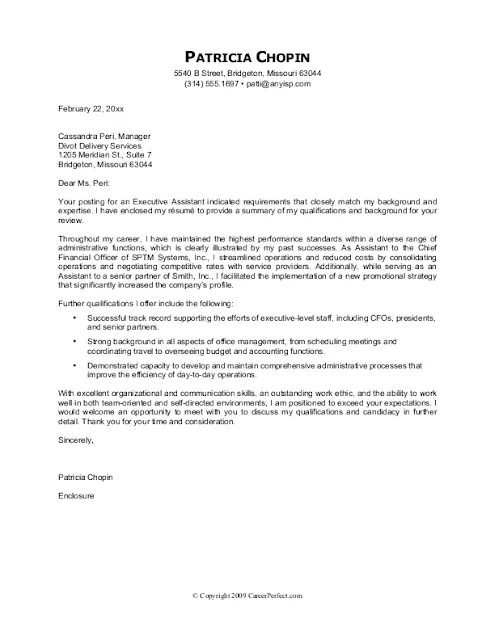
What is a Professional Cover Letter Resume?
A professional cover letter and resume are your key to unlocking the door to your dream job. The cover letter serves as your personal introduction, a way to showcase your personality, and an opportunity to explain why you’re the perfect fit for a specific role. The resume, on the other hand, is a detailed summary of your skills, experience, and accomplishments. It’s a concise overview of your professional journey, designed to quickly grab the attention of potential employers. Together, they form a complete package, presenting a compelling case for why you should be considered for an interview. A well-crafted cover letter and resume are not just documents; they are your personal marketing tools, strategically designed to sell your skills and make you stand out in a competitive job market. Understanding the interplay between these two documents is the first step in securing your desired position.
Why Is a Cover Letter Resume Important?
In today’s competitive job market, the importance of a professional cover letter and resume cannot be overstated. They are often the first impression you make on a potential employer, and a strong first impression can significantly increase your chances of landing an interview. A well-written cover letter allows you to provide context to your resume, explaining your career goals, highlighting relevant skills, and demonstrating your enthusiasm for the specific role. Your resume offers a structured overview of your experience, education, and accomplishments, but the cover letter is where you truly personalize your application. It’s an opportunity to showcase your personality, your communication skills, and your understanding of the company and the position. Failing to provide both documents may leave the hiring manager with the impression that you did not take the time or make the effort to prepare a complete application, potentially leading to the quick dismissal of your application, regardless of your qualifications.
Key Components of a Cover Letter Resume

Both the cover letter and resume consist of key components that are essential to your success. The cover letter typically includes a header with your contact information, a professional greeting, an introduction stating your purpose, the body paragraphs highlighting your relevant skills and experiences, and a call to action. The resume must present contact information, a summary or objective statement, a work experience section, an education section, and a skills section. Each component plays a critical role in the overall effectiveness of your application. The header ensures that your contact information is readily available. The summary or objective provides a quick snapshot of your career goals. The body of your cover letter and experience section on your resume will highlight your achievements, quantifying them whenever possible to demonstrate the impact of your work. The skills section emphasizes your key abilities, and the education section demonstrates your academic qualifications. Paying close attention to each component ensures that you present a comprehensive and compelling profile.
Contact Information and Header
The header of your cover letter and resume is the first thing a hiring manager will see, so it is crucial to ensure it is professional and error-free. Include your full name, phone number, email address, and LinkedIn profile URL (if you have one). Use a clean, easy-to-read font and format your information clearly, making it easy for the hiring manager to find and contact you. The header should be consistent across both documents to project a professional image. Your contact information is the gateway to your next opportunity, so it must be up-to-date and accurate. A mistake in this section, no matter how small, can lead to missed opportunities, or give the impression that you are careless. Always double-check your contact details to avoid losing out on a job offer because the recruiter was unable to contact you. Remember, professionalism starts with the basics.
Professional Cover Letter Resume Writing Tips
Several key writing tips can help you create a cover letter and resume that will make you stand out. Start by tailoring your cover letter to the specific job and company. Research the company and position to understand their needs and values, then demonstrate how your skills and experience align with these. Use action verbs to describe your accomplishments and responsibilities in the work experience section of your resume, and quantify your achievements whenever possible, such as, ‘Increased sales by 15%’. Keep your language concise and easy to understand; avoid jargon and overly complex sentences. Proofread both documents multiple times to catch any grammatical errors or typos. Most importantly, be honest and authentic in your writing, reflecting your true self and your genuine interest in the role. Consider having a trusted friend or career advisor review your documents for a fresh perspective and feedback.
Formatting and Layout Best Practices

The formatting and layout of your cover letter and resume are just as important as their content. Your documents should be visually appealing and easy to read. Use a professional, readable font such as Arial, Calibri, or Times New Roman, with a font size of 10-12 points. Maintain consistent spacing and alignment throughout both documents. Use clear headings and subheadings to organize your information, making it easier for the hiring manager to find the information they need quickly. Avoid using overly complex or distracting formatting. Stick to a simple, clean design that highlights your content and makes it easy for the reader to digest. Choose between the reverse-chronological, functional, or combination resumes, and make the layout look clean and organized. Choose a layout that is easy to navigate. A well-formatted cover letter and resume will leave a positive impression and show that you pay attention to detail, demonstrating that you are serious about the job opportunity.
Highlighting Skills and Achievements
A key element of a successful cover letter and resume is highlighting your skills and accomplishments. Instead of merely listing your responsibilities, focus on what you achieved in each role. Use action verbs at the beginning of your bullet points to describe your actions, such as ‘Managed’, ‘Developed’, or ‘Increased’. Provide specific examples of your accomplishments, and quantify them whenever possible, such as ‘Increased customer satisfaction by 20%’ or ‘Managed a team of 10 employees’. Tailor your skills section to match the requirements of the job, emphasizing the skills that are most relevant to the position. By focusing on achievements and providing concrete examples, you demonstrate the value you can bring to the company and make a compelling case for your candidacy. Don’t just tell them what you did; show them the results of your work.
Tailoring Your Cover Letter to the Job
Generic cover letters are quickly identified and often discarded. The key to a successful cover letter is to tailor it to each specific job. Carefully review the job description and identify the key skills, experiences, and qualifications the employer is seeking. Then, in your cover letter, highlight how your skills and experiences align with the job requirements. Explain why you are interested in the specific role and the company, demonstrating that you have done your research and understand their needs and values. Use the cover letter to address the specific needs of the company. Customize each cover letter to show your genuine interest and understanding. By showing a genuine interest in the role, you will demonstrate your professionalism and increase your chances of getting an interview.
Resume Formatting and Content Optimization

Optimizing your resume involves several steps. First, choose a clear and easy-to-read format. Use a professional font and layout, and keep your document concise, typically no more than one or two pages. Include a clear and concise summary or objective statement that outlines your career goals. The work experience section is the most important part of your resume, so use action verbs to describe your accomplishments and quantify your achievements whenever possible. Tailor your resume to match the job description, highlighting the skills and experiences that are most relevant. Finally, proofread your resume carefully to catch any errors. Consider the use of keywords from the job description throughout the resume to increase the likelihood of your resume being found in Applicant Tracking Systems (ATS). By optimizing your resume, you make it easy for the hiring manager to quickly see your qualifications and the value you will bring to the company.
Resume Summary or Objective
The resume summary or objective serves as the introduction to your qualifications, which can instantly grab the attention of a hiring manager. A resume summary offers a snapshot of your experience, skills, and accomplishments, highlighting what you can bring to the role. This is particularly effective for experienced professionals. On the other hand, an objective statement outlines your career goals and what you are looking to achieve in the position. This is often used by entry-level candidates or those changing careers. Both should be brief, no more than a few sentences, and tailored to the specific job. Highlight the most relevant aspects of your background and skills. Be confident, clear, and concise. Make it easy for the hiring manager to immediately understand your value. Ensure that the objective and summary are consistent with the rest of your resume and the job description.
Work Experience Section
The work experience section is the core of your resume, providing a detailed account of your professional history. List your work experience in reverse-chronological order, starting with your most recent position. For each role, include the job title, company name, location, and dates of employment. Then, create a bulleted list of your responsibilities and accomplishments. Use action verbs to begin each bullet point, such as ‘Managed’, ‘Developed’, ‘Implemented’, or ‘Achieved’. Quantify your accomplishments whenever possible, using numbers and metrics to demonstrate the impact of your work. For example, instead of saying ‘Increased sales’, say ‘Increased sales by 15%’. Tailor the content to the specific job description. Focus on the experience that is most relevant to the role, and highlight the skills and accomplishments that align with the employer’s needs. This section is your opportunity to showcase your value, so be sure to create a comprehensive and compelling narrative.
Education and Skills Section

The education section of your resume should include your degrees, certifications, and relevant coursework. Include the name of the institution, the degree earned, the major, and the dates of attendance or graduation. If you have a degree, list it before any high school information. The skills section should showcase your key abilities, both hard and soft skills. Hard skills are specific, technical skills, such as proficiency in software programs or knowledge of specific tools. Soft skills are interpersonal and communication skills, such as teamwork, leadership, and problem-solving. Create separate sections for hard and soft skills, using keywords from the job description. The education and skills sections provide additional information that is essential in demonstrating your overall qualifications. By including these details, you demonstrate the breadth and depth of your knowledge and abilities, making it easier for employers to understand your complete potential.
Common Mistakes to Avoid
Several common mistakes can undermine the effectiveness of your cover letter and resume. Avoid using generic or vague language. Tailor both documents to each job. Avoid using typos and grammatical errors. Proofread meticulously. Don’t make the documents too long. Focus on quality over quantity. Do not include irrelevant information. Only include information that is related to the job requirements. Never lie or exaggerate your experience or skills. Be honest and authentic. Avoid using jargon and overly complex language. Keep your writing clear and concise. Don’t submit the same cover letter and resume for every job. It’s a common mistake. By avoiding these common pitfalls, you increase your chances of making a positive first impression.
Proofreading and Editing Your Documents
Proofreading and editing are crucial steps in ensuring the quality of your cover letter and resume. Even a small error can undermine your credibility. After completing your draft, take a break before proofreading, which will allow you to see your documents with fresh eyes. Proofread carefully for spelling errors, grammatical mistakes, and typos. Check for consistency in formatting, font, and spacing. Read the documents aloud to catch awkward phrasing and ensure your writing flows well. Have a trusted friend or career advisor review your cover letter and resume for a second set of eyes. They may catch errors you missed or provide valuable feedback on content and clarity. Use grammar-checking tools, such as Grammarly or ProWritingAid, to help you identify errors. Remember, a polished and error-free cover letter and resume demonstrates your attention to detail and your commitment to excellence. Make sure to always be professional to the very end.