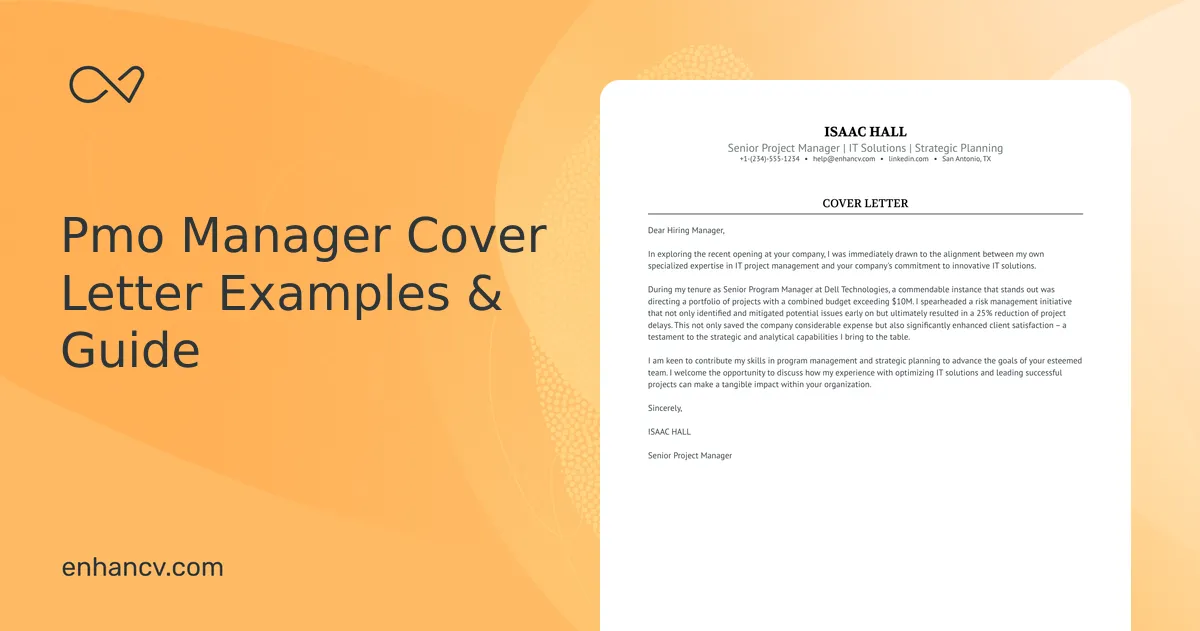
Understanding the Importance of a PM Cover Letter
In the competitive landscape of project management, a well-crafted PM cover letter can be your golden ticket to securing your dream job. It serves as your first impression, a chance to showcase your skills, experience, and personality before a recruiter even looks at your resume. This crucial document provides an opportunity to go beyond the bullet points of your resume and tell a compelling story about why you’re the ideal candidate for the role. By demonstrating your understanding of the company, the role, and the specific needs of the hiring manager, you can set yourself apart from other applicants and significantly increase your chances of getting an interview. A strong cover letter is not just a formality; it’s a strategic tool that can make or break your application. It’s your chance to shine and make a memorable impact.
Why Your PM Cover Letter Matters
Your PM cover letter is more than just an introduction; it’s a powerful marketing tool. It highlights your enthusiasm for the specific project management role and the company. It allows you to connect your skills and experience directly to the job requirements outlined in the job description. Many hiring managers value a well-written cover letter because it reveals your communication skills, attention to detail, and your ability to articulate your value proposition. Without a compelling cover letter, your resume might be overlooked, especially in a highly competitive field. It shows you’ve taken the time to understand the company culture and values. A well-written cover letter showcases your professionalism, your ability to follow instructions, and your commitment to excellence, all of which are highly valued in project management.
The Purpose of a Cover Letter

The primary purpose of a cover letter is to introduce yourself to the hiring manager and express your interest in the position. It’s where you explain why you’re a perfect fit for the role and the company. Cover letters should explain why you’re applying and why you’re the best candidate, it offers you the chance to expand on your resume. Your cover letter should show how your skills and experiences align with the job requirements. It should also highlight your understanding of the company’s goals and how you can contribute to their success. A good cover letter demonstrates your personality, your writing skills, and your understanding of professional communication. The purpose is to persuade the reader to take the next step, which is to review your resume and consider you for an interview.
Key Components for a Winning PM Cover Letter
A winning PM cover letter is composed of several key elements, each designed to make a positive impression. First and foremost, include your contact information and a proper salutation. Next, you need to highlight your relevant skills and experience. Be sure to quantify your achievements whenever possible, providing specific examples of your accomplishments. Tailor your letter to the specific job by researching the company and the role. Demonstrate how your skills align with their requirements. Finally, structure your letter for impact, including a compelling opening paragraph, strong body paragraphs, and a memorable closing. Properly formatting and proofreading your cover letter is essential, so pay close attention to detail. By including these key elements, you create a professional and impactful cover letter that will get you noticed.
Contact Information and Salutation
Begin your cover letter by including your contact information, such as your name, phone number, email address, and LinkedIn profile URL. Always use a professional email address and a clear subject line. Then, address the hiring manager correctly. If you know the hiring manager’s name, use it. If not, use a professional salutation like ‘Dear Hiring Manager’. The salutation sets the tone for the entire letter and shows that you’ve taken the time to personalize your communication. Proofread this section carefully to ensure all information is accurate and up-to-date, as these details are crucial for the hiring manager to reach you for an interview.
Highlighting Your Skills and Experience

In your cover letter, emphasize the skills and experience most relevant to the project management position. Focus on key areas like project planning, risk management, stakeholder communication, and team leadership. Detail your experience with project management methodologies such as Agile or Waterfall. Provide examples of projects you’ve managed, the challenges you overcame, and the results you achieved. Your goal is to connect your skills directly to the job requirements. You can also briefly highlight any certifications or relevant training you’ve completed. Be clear, concise, and specific. Using action verbs to describe your accomplishments will make your letter more impactful and engaging. Make it easy for the hiring manager to see that you meet their needs.
Quantifying Your Achievements
Quantifying your achievements is a critical step to demonstrate the impact you’ve made in your previous roles. Instead of simply listing responsibilities, use numbers and data to show your accomplishments. For example, state how you reduced project costs by a specific percentage, improved project delivery times, or increased team efficiency. Mention the number of projects you’ve successfully managed, the size of the budgets you’ve handled, or the number of team members you’ve led. This data provides tangible proof of your capabilities and makes your cover letter more persuasive. Quantifiable achievements make it easy for the hiring manager to understand your value and compare your performance with other candidates. Using numbers adds credibility and reinforces your claims.
Tailoring Your Cover Letter to the Job
A generic cover letter is a major turn-off. Instead, tailor each cover letter to the specific job and company. Begin by researching the company and the role thoroughly. Understand their mission, values, and recent projects. Look closely at the job description to identify the key skills and requirements the company values. Then, in your cover letter, highlight how your skills and experience align with those requirements. Address specific projects or challenges mentioned in the job posting and show how you can help the company succeed. Customize your letter to reflect the company’s culture and language. By demonstrating that you have taken the time to understand their needs, you will stand out as a serious candidate who is truly interested in the position.
Researching the Company and Role

Before writing your cover letter, invest time in researching the company and the specific project management role. Visit the company’s website, read news articles, and check their social media profiles. Understanding the company’s mission, values, and recent projects will help you tailor your letter effectively. Identify the specific needs of the role by carefully reviewing the job description. Make note of the required skills, experience, and qualifications. Knowing the company’s culture and the role’s responsibilities allows you to highlight relevant experiences and demonstrate how you can contribute to their goals. This research also enables you to use the correct terminology and address specific challenges the company might be facing. Being prepared and showing this understanding will significantly improve your chances of making a good first impression.
Matching Skills to Requirements
The most effective way to make your cover letter stand out is to clearly match your skills to the requirements outlined in the job description. Identify the key skills and qualifications the employer is seeking. Then, provide specific examples of how you’ve demonstrated those skills in your previous roles. For example, if the job requires Agile project management experience, describe your experience with Agile methodologies, your role in previous projects, and the outcomes you achieved. Highlight your certifications, such as PMP or PRINCE2, if required. The more closely your skills and experience align with the job description, the more likely the hiring manager will see you as a good fit. Show the hiring manager how you meet each requirement with specific examples.
Showcasing Your Project Management Expertise
Your cover letter is the perfect place to showcase your project management expertise. Focus on highlighting relevant skills such as project planning, scope management, risk assessment, and resource allocation. Provide details about projects you have led or been a part of, and explain the methodologies you used, like Agile, Scrum, or Waterfall. Quantify your achievements, such as completing projects on time and within budget, improving team performance, or successfully managing project scope. Mention your experience with project management tools like Jira, Asana, or Microsoft Project. By demonstrating your proficiency and experience, you show potential employers that you understand the importance of effective project management. The more specific you are, the more confident the hiring manager will be.
Demonstrating Leadership and Communication Skills

In addition to technical skills, project management roles require strong leadership and communication abilities. Your cover letter is a perfect opportunity to demonstrate these essential skills. Describe your leadership experience, including how you have motivated and managed project teams. Provide examples of how you have resolved conflicts, made critical decisions, and fostered a collaborative work environment. Highlight your communication skills by describing how you have communicated with stakeholders, created project reports, and presented project updates. Mention any experience you have with public speaking or presentations. Demonstrate your ability to work collaboratively with different teams and stakeholders. Your ability to successfully lead and communicate with others is a core requirement in project management, so show your mastery.
Structuring Your Cover Letter for Impact
Structure your cover letter in a way that grabs the reader’s attention and effectively conveys your message. Begin with a compelling opening paragraph that states your purpose and expresses your enthusiasm for the role. Then, move into the body paragraphs, where you will highlight your skills, experience, and accomplishments. Organize your content logically, using clear headings and concise paragraphs. Include specific examples that support your claims. Finally, create a memorable closing that reiterates your interest in the position and provides a call to action. Keep the letter focused, concise, and easy to read. Remember to use a professional tone and avoid any jargon or overly complex language. The structure helps the reader understand your key qualifications easily.
Writing a Compelling Opening Paragraph
The opening paragraph is crucial to grab the hiring manager’s attention and encourage them to read the rest of your cover letter. Start with a concise, engaging statement that clearly states your interest in the position. Mention the specific job title and where you found the listing. State your enthusiasm for the role and the company. You can include a brief, relevant accomplishment that aligns with the company’s needs. Avoid generic openings. Tailor your opening paragraph to the specific job and the company’s culture. The opening paragraph sets the tone for your entire letter. It will make the reader want to learn more about your qualifications. Make it memorable.
Crafting Strong Body Paragraphs

The body paragraphs are the meat of your cover letter. Here, you expand on your qualifications and provide specific examples to support your claims. Use these paragraphs to highlight your relevant skills and experience, connecting them directly to the job requirements. Provide specific examples of your achievements, quantifying your results whenever possible. Focus on key skills like project planning, risk management, and stakeholder communication. Use each paragraph to make a point about how you can contribute to the company’s goals. The body paragraphs are your opportunity to demonstrate your value to the company. Ensure your paragraphs are well-structured, clear, and easy to read, using strong action verbs to make your accomplishments clear and direct.
Creating a Memorable Closing
The closing paragraph of your cover letter is your last chance to make a lasting impression. Reiterate your interest in the position and your enthusiasm for the company. Summarize your key qualifications and why you are the ideal candidate. Include a clear call to action, such as asking for an interview or expressing your willingness to discuss your qualifications further. Thank the hiring manager for their time and consideration. Maintain a professional and confident tone. Proofread the entire cover letter, including the closing paragraph, to ensure accuracy. Your closing should be memorable and leave a positive impression, making the hiring manager eager to learn more about you.
Formatting and Proofreading Your PM Cover Letter
The formatting and proofreading of your PM cover letter are just as important as the content. Poorly formatted or error-filled letters create a negative first impression. Therefore, ensure the formatting is consistent and professional. Choose a clear, easy-to-read font like Times New Roman or Arial, and use a font size of 11 or 12 points. Use standard margins (1 inch on all sides) and single-space your text, with a blank line between paragraphs. Proofread your letter carefully for any errors in grammar, spelling, punctuation, and syntax. Consider having a friend or colleague review your letter. A clean, well-formatted, and error-free cover letter demonstrates your attention to detail, an essential skill for any project manager.
Formatting Best Practices

Proper formatting ensures your cover letter is easy to read and professional-looking. Use a consistent font and font size, typically 11 or 12 points. Choose a font that is clear and easy to read, like Times New Roman or Arial. Maintain 1-inch margins on all sides of the document. Single-space your text, with a blank line between each paragraph for readability. Use left alignment for your text, except for your contact information, which can be right-aligned. Be consistent with your formatting throughout the entire document. Consistency presents you as organized and professional. Using clear formatting is crucial for keeping the hiring manager focused on your content.
Proofreading and Editing Tips
Proofreading is critical to catch errors and create a polished cover letter. Always proofread your cover letter multiple times. Start by reading it aloud, as this helps you catch any awkward phrasing or grammatical mistakes. Use a spell checker and grammar checker, but don’t rely on them completely. Have a friend, colleague, or mentor review your letter for any errors you may have missed. Pay close attention to the details. Check for typos, spelling mistakes, punctuation errors, and grammatical errors. Correct any inconsistencies in your formatting. A well-proofread cover letter demonstrates your attention to detail and professionalism, which will greatly improve your chances of getting an interview.
Common Mistakes to Avoid in Your PM Cover Letter
Several common mistakes can undermine your PM cover letter and hurt your chances of landing a job. Avoid generic cover letters that could apply to any position. Ensure that your letter is tailored to the specific job and company. Steer clear of typos and grammatical errors, as they create a negative first impression. Don’t ignore the job description; highlight the skills and experiences most relevant to the role. Avoid excessive jargon or overly complex language. Keep your letter concise and easy to read, highlighting your achievements clearly and concisely. Always tailor your cover letter to showcase your unique value proposition and convince the hiring manager that you’re the right person for the job.
Generic Cover Letters

A generic cover letter is a major red flag for hiring managers. It’s a sign that you haven’t taken the time to understand the company, the role, or what makes you a good fit. Avoid using a template that could apply to any job. Instead, personalize each cover letter. Research the company and tailor your letter to the specific job requirements. Highlight your skills and experience that directly align with the role’s needs. Mention specific projects, achievements, or challenges outlined in the job description, and explain how you can contribute to the company’s success. Personalizing shows the hiring manager that you are genuinely interested in the position.
Typos and Grammatical Errors
Typos and grammatical errors create a negative impression and can undermine your credibility. Proofread your cover letter carefully to avoid making these mistakes. Use a spell checker and grammar checker, but don’t rely on them entirely. Read your letter aloud to catch any awkward phrasing or sentence structure issues. Ask a friend, colleague, or mentor to review your letter. Correct any errors in spelling, punctuation, grammar, and syntax. Even a single typo can make the hiring manager question your attention to detail. Correcting errors is an easy way to improve your chances of getting an interview.
Ignoring the Job Description
Ignoring the job description is a significant mistake. The job description provides a clear guide to what the employer is looking for. Always carefully review the job description and identify the key skills, experience, and qualifications they are seeking. Make sure to highlight these requirements in your cover letter. Provide specific examples of how you have demonstrated those skills in your previous roles. If the job description mentions specific project management methodologies, tools, or certifications, be sure to address these points in your letter. Showing a direct match between your skills and their requirements shows you have taken the time to understand their needs and that you’re a great fit.
Tips for Sending Your PM Cover Letter
Once your PM cover letter is complete, follow these tips for sending it. Choose the right file format, such as PDF or Word. The format should ensure that the formatting remains consistent, regardless of the recipient’s software. Always include your cover letter with your resume. Tailor your cover letter to the specific job and the company. Also, follow the instructions provided in the job posting. If the job posting requests any specific file formats, adhere to those. Send a professional email with a clear subject line. Always proofread everything before sending it. Sending a well-crafted cover letter and following these tips will enhance your chances of securing an interview.
Choosing the Right File Format
Selecting the correct file format is crucial for ensuring your cover letter is displayed correctly. The best practice is to save your cover letter as a PDF file, which preserves your formatting and ensures it appears as you intended on any device or operating system. If the job posting specifically requests a different format, such as a Word document, be sure to follow those instructions. Always double-check your cover letter in the chosen file format before sending it to verify that your formatting remains intact. Also, ensure your file name is professional and includes your name and the document type. Proper file format displays your attention to detail and professionalism.
Following Up After Submission
After submitting your PM cover letter and resume, it’s appropriate to follow up with the hiring manager or recruiter. Wait a reasonable amount of time, usually one to two weeks, before sending a follow-up email. Send a brief, polite email reiterating your interest in the position and inquiring about the status of your application. Reiterate your excitement about the opportunity and how you can contribute to the company. You can include your contact information in the email. Be professional and respectful in your communication. If you don’t hear back after a second follow-up, you can assume that they’ve moved on. However, always thank the recruiter for their time and consideration. A follow-up shows you’re proactive and genuinely interested in the position.