Why You Need a Standout Phlebotomy Cover Letter
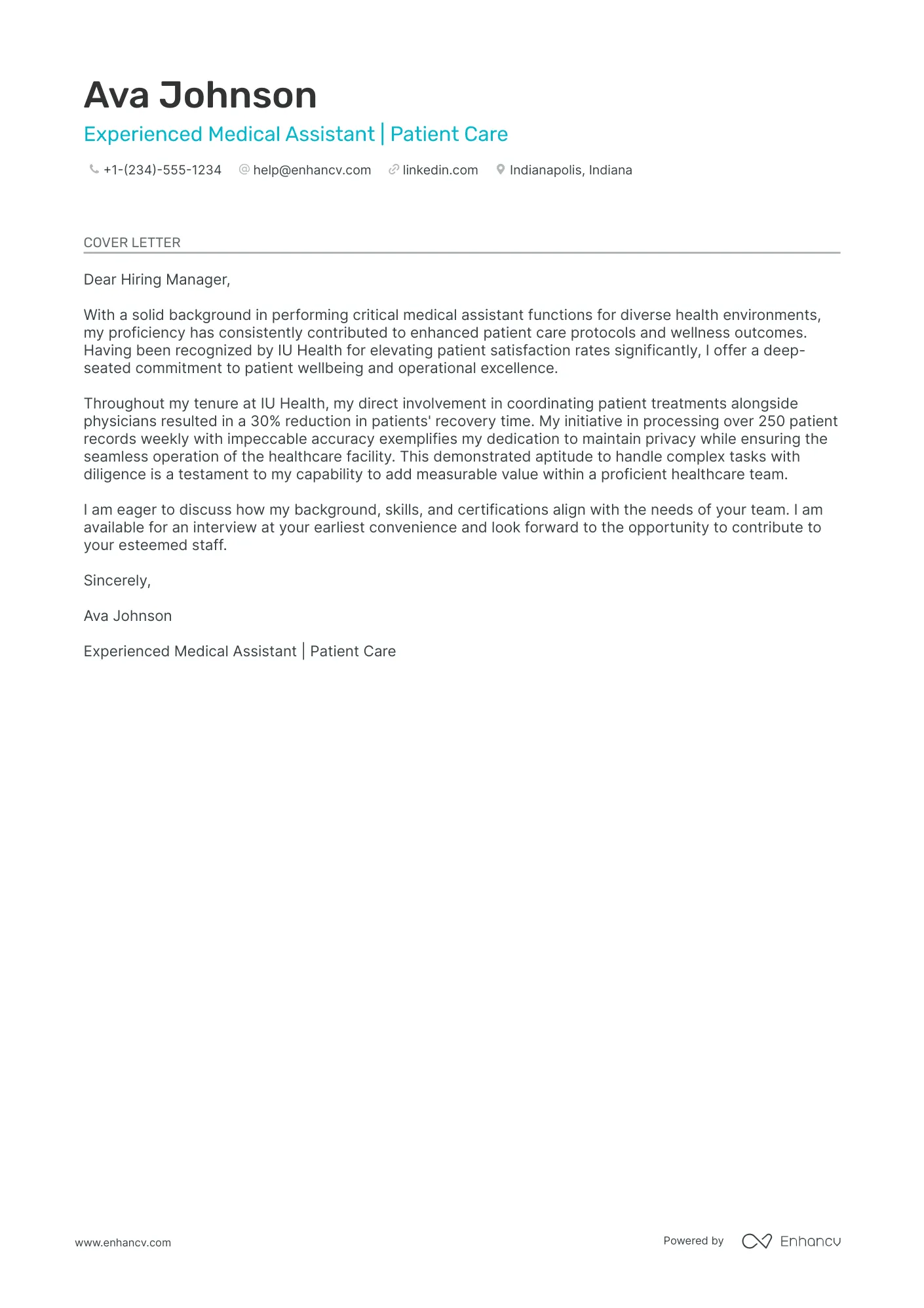
In the competitive field of phlebotomy, a well-crafted cover letter is your first opportunity to make a positive impression on potential employers. It goes beyond simply listing your qualifications; it’s a chance to showcase your personality, passion for the role, and how you can contribute to their team. A compelling cover letter acts as a bridge between your resume and the hiring manager, providing context and highlighting the key aspects that make you an ideal candidate. It demonstrates your communication skills and your attention to detail, both essential in phlebotomy. A generic or poorly written cover letter can be a significant deterrent, so taking the time to create a standout letter is a crucial step in securing your desired position.
Crafting Your Phlebotomy Cover Letter Header
The header of your phlebotomy cover letter is the first thing the hiring manager will see, so it’s essential to present a clean and professional appearance. This section typically includes your contact information and the employer’s contact information. Using a clear and legible font, such as Arial or Times New Roman, ensures readability. The header sets the tone for the entire letter, indicating your attention to detail and organizational skills. By formatting this section correctly, you immediately establish your professionalism and make it easier for the reader to find your contact details. It is also important to ensure that your header is correctly aligned and visually appealing.
Your Contact Information

At the top of your cover letter, include your full name, address, phone number, and email address. Ensure that the email address is professional; avoid using nicknames or informal addresses. This information allows the employer to easily reach you if they are interested in your application. Accuracy is crucial; double-check all details to prevent any errors that could delay or hinder communication. Consistency between the contact information on your cover letter and resume is important to avoid confusion. Ensure all contact information is up to date and that your voicemail is set up to accept messages.
The Employer’s Contact Information
Directly below your contact information, include the employer’s details. This typically includes the name of the hiring manager (if known), their title, the company name, and the company’s address. Addressing your cover letter to a specific person, rather than using a generic greeting, shows that you’ve done your research and are genuinely interested in the position. If you’re unable to find the hiring manager’s name, research the company website or call the HR department to obtain this information. Accurate and complete contact information reflects your professionalism and attention to detail, increasing your chances of being taken seriously.
Professional Salutation for Your Cover Letter
The salutation sets the tone for your cover letter. The most common and recommended salutation is “Dear [Hiring Manager Name],” or “Dear Mr./Ms./Mx. [Last Name],” if you know the hiring manager’s name. If you are unsure of the name, a professional alternative is “Dear Hiring Manager.” Avoid overly casual greetings such as “Hi” or “Hello.” The salutation should be followed by a colon. A proper salutation demonstrates respect and professionalism. It creates a positive first impression and sets the stage for the rest of your letter, and can increase your chances of getting hired. Ensure that you spell the hiring manager’s name correctly; a misspelling can make a negative impression.
Writing a Compelling Opening Paragraph
The opening paragraph of your phlebotomy cover letter is crucial for capturing the hiring manager’s attention. State the position you are applying for and how you learned about it (e.g., through a job board, company website, or referral). Briefly mention your key qualifications and why you are interested in the role and the company. Expressing genuine enthusiasm for the position right from the start sets a positive tone. This paragraph is your chance to make a strong first impression. A well-crafted opening immediately tells the reader why they should continue reading. Keep the opening paragraph concise and focused, highlighting what makes you a strong candidate and why you are interested in the specific opportunity.
Highlighting Your Phlebotomy Skills and Experience
The main body of your cover letter should detail your phlebotomy skills and relevant experience. Provide specific examples of your accomplishments and responsibilities in previous roles. Highlight your proficiency in various phlebotomy techniques, such as venipuncture, capillary collection, and handling different types of blood collection tubes. Mention your experience with patient interaction, including your ability to put patients at ease and explain procedures clearly. Quantify your experience whenever possible, such as the number of blood draws performed per day or your accuracy rate. This section should demonstrate how your skills align with the requirements of the job and how you can contribute to the company’s success. Use action verbs to describe your accomplishments and experience.
Mention Relevant Certifications
Clearly state your phlebotomy certifications, such as the Certified Phlebotomy Technician (CPT) or other relevant credentials. Include the name of the certifying organization and the date of certification. Certification demonstrates that you have met the necessary requirements for the profession and are committed to maintaining your skills. It is important to mention any additional certifications or training related to healthcare or patient care. Listing your certifications builds credibility and assures the employer of your qualifications. Ensure the certification names and dates are accurate and up-to-date. If you are in the process of obtaining a certification, mention the expected completion date.
Quantify Your Achievements (If Possible)

Whenever possible, quantify your achievements to demonstrate the impact of your work. Instead of saying “provided excellent patient care,” state “Achieved a 98% patient satisfaction rating.” Similarly, mention the number of blood draws you perform per day or your accuracy rate in collecting samples. Using numbers and data provides tangible evidence of your skills and accomplishments, making your cover letter more impactful. Quantifiable achievements help employers easily understand your value and the contributions you can make. Review your past experiences to identify achievements that can be expressed numerically. Examples include: reduced turnaround time, increased efficiency, or improved patient compliance.
Showcasing Your Soft Skills
In addition to your technical skills, showcase your soft skills, such as communication, empathy, attention to detail, and problem-solving abilities. These skills are essential for success in phlebotomy, where you work directly with patients and handle critical medical information. Provide examples of how you have used these skills in previous roles, such as resolving patient concerns or working effectively as part of a team. Mention your ability to remain calm under pressure and your commitment to accuracy. Highlighting your soft skills shows the hiring manager that you are a well-rounded candidate who can excel in the role and contribute to a positive work environment. Tailor the soft skills to match the job description, emphasizing the skills that are most important for the position.
Expressing Your Enthusiasm for the Position
Throughout your cover letter, express your enthusiasm for the phlebotomy position. Explain why you are interested in the specific role, the company, and the healthcare field. Show that you have researched the organization and understand its mission and values. Tailor your letter to each job application to demonstrate your genuine interest. Highlighting your interest in the specific role, the company, and its mission will make your application stand out. Showing that you have done your research and understand the organization’s mission and values demonstrates your genuine interest. Expressing your passion and excitement for the opportunity can make your application more memorable and increase your chances of being hired. Mention aspects of the job or company that particularly appeal to you.
Concluding Your Cover Letter Effectively

The concluding paragraph of your cover letter should summarize your key qualifications and reiterate your interest in the position. Thank the hiring manager for their time and consideration. State your availability for an interview and how they can contact you. This is your final opportunity to leave a lasting impression. A strong conclusion reiterates your value and encourages the hiring manager to take the next step. Make sure your conclusion is clear, concise, and leaves the reader with a positive impression. Proofread your entire cover letter, including the conclusion, to ensure it is free of errors.
Formal Closing and Signature
Use a professional closing, such as “Sincerely,” “Best regards,” or “Respectfully.” Leave space for your handwritten signature, followed by your typed name. If you are submitting an electronic application, you can type your name and include your signature as an image. The closing and signature provide a formal and professional touch to your cover letter. Choose a closing that is appropriate for the tone of your letter. Ensure your signature is legible and professional. The formal closing reinforces the impression of professionalism and respect. Always proofread this section to catch any typos or errors.