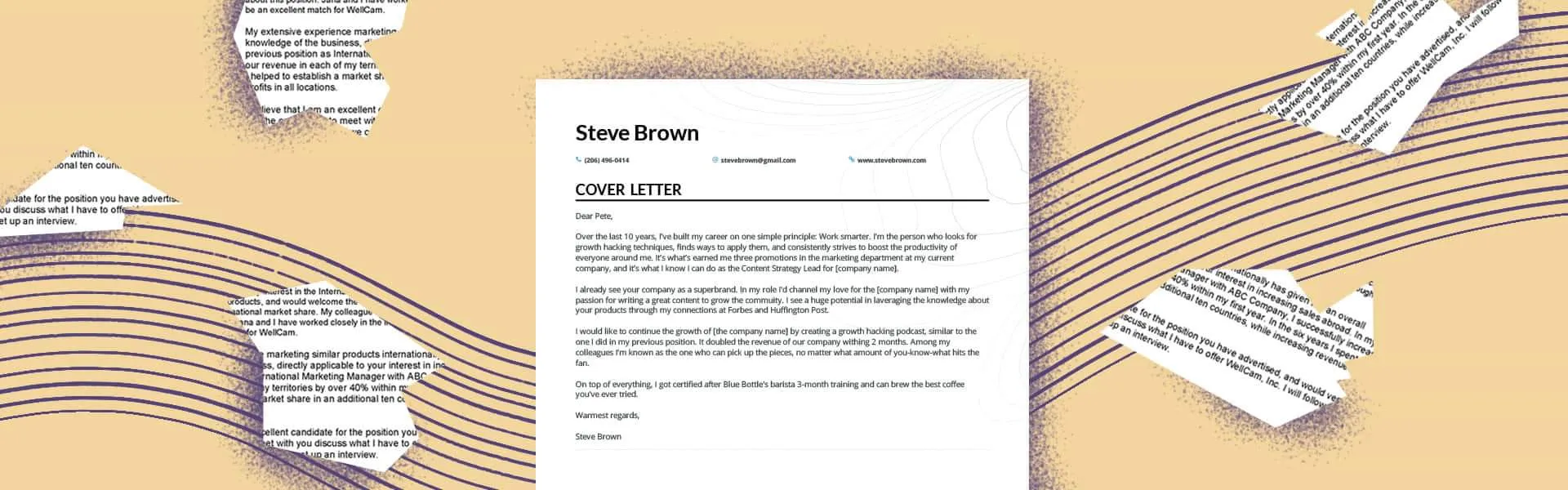
In the competitive world of job applications, a generic cover letter often ends up in the virtual trash bin. To truly stand out and capture the attention of a hiring manager, you need a personalized cover letter. This guide will walk you through the essential steps to craft a winning cover letter that highlights your unique value and increases your chances of landing an interview.
Why Personalizing Your Cover Letter Matters
A personalized cover letter demonstrates that you’ve taken the time to research the company and the specific role, showcasing your genuine interest. It’s your opportunity to go beyond your resume and tell a compelling story that connects your skills and experience to the employer’s needs. This shows that you’re not just sending out mass applications, but that you are actually interested in working in that company.
Understanding the Purpose of a Cover Letter
The primary goal of a cover letter is to introduce yourself and your qualifications to the hiring manager, and to persuade them to read your resume. It provides context, highlights key achievements, and explains why you are a perfect fit for the position and the company culture. It acts as your personal sales pitch, making it crucial to get it right. With a cover letter, you must express all the information you consider important for the hiring manager to know.
Highlighting Your Unique Value Proposition

Your value proposition is what sets you apart from other candidates. It’s the unique combination of skills, experience, and qualities that you bring to the table. Your cover letter is the ideal space to articulate this by demonstrating how your skills and accomplishments align with the specific requirements of the job and the company’s goals. This should also reflect what makes you unique from all the other candidates, and why you think that this is the best job for you.
Researching the Company and the Role
Before you start writing, thorough research is essential. Visit the company’s website, read about its mission and values, and explore its recent news and projects. This will help you tailor your letter to demonstrate your understanding of the company and your enthusiasm for the role.
Finding Information About the Hiring Manager
If possible, find out the name of the hiring manager. Addressing your letter to a specific person shows that you’ve taken the extra step to learn about the organization. If a name isn’t available, try to find the name of the department head or the person listed as the point of contact for the job application.
Tailoring Your Cover Letter Content

Once you’ve researched the company, you can tailor your cover letter to highlight the skills and experiences most relevant to the job description. Ensure that you are highlighting the key skills mentioned in the job description, and that you are including concrete examples and achievements that reflect the requirements of the position. This ensures that you are providing the hiring manager with the information they need to decide.
Addressing the Hiring Manager by Name
Use the hiring manager’s name in your salutation. This is a simple yet effective way to personalize your letter. Always double-check the correct spelling and title to avoid any errors.
Referencing the Specific Job Requirements
Carefully review the job description and identify the key requirements. Use your cover letter to directly address these requirements, providing specific examples of how you have demonstrated those skills or experiences in the past. This targeted approach immediately grabs the reader’s attention.
Showcasing Relevant Skills and Experiences

Provide concrete examples of your accomplishments and quantify your achievements whenever possible. Instead of simply stating that you ‘improved sales,’ explain by how much and what specific actions you took to achieve that result. This shows your capabilities and provides tangible evidence of your value. Use your cover letter to express all your relevant skills that match the job requirements.
Structuring Your Personalized Cover Letter
A well-structured cover letter is easy to read and understand. Follow a clear and concise format that includes an introduction, body, and conclusion. Each section should serve a specific purpose, guiding the reader through your key qualifications and demonstrating your fit for the role. Be sure to review all the information before submitting your cover letter.
The Introduction Captivating the Reader
Start with a strong opening that immediately grabs the reader’s attention. Mention the position you are applying for and how you learned about the opportunity. Then, briefly introduce yourself and state your key qualifications or your understanding of the company’s needs. This sets the tone and captures the hiring manager’s interest.
The Body Highlighting Achievements and Skills

Use the body of your letter to elaborate on your skills and experiences. Provide specific examples and quantify your accomplishments to demonstrate your capabilities. This section should align with the job requirements and showcase why you are the best candidate.
The Conclusion Expressing Enthusiasm and Call to Action
End your cover letter with a strong closing statement that reiterates your enthusiasm for the role and the company. Include a clear call to action, such as expressing your interest in an interview and providing your contact information. This reinforces your desire and makes it easy for the hiring manager to take the next step.
Proofreading and Formatting Your Cover Letter
A polished cover letter is free of errors and easy to read. Make sure your cover letter has no errors and follows all the guidelines. Proofread your letter carefully for any grammatical errors, spelling mistakes, and formatting issues. A well-formatted cover letter demonstrates professionalism and attention to detail.
Ensuring Clarity and Professionalism

Use clear and concise language throughout your letter. Avoid jargon and technical terms unless they are essential. Keep your tone professional and enthusiastic, reflecting your interest and respect for the company.
Using a Clean and Readable Format
Choose a clean and readable font, such as Times New Roman, Arial, or Calibri. Use standard margins and spacing. Organize your content into clear paragraphs with appropriate headings and bullet points to enhance readability.
Examples of Personalized Cover Letter Sections
To help you get started, here are examples of effective personalized cover letter sections:
Effective Opening Lines

Instead of a generic opening, try: “I am writing to express my enthusiastic interest in the [Job Title] position at [Company Name], as advertised on [Platform].” Or, “Having followed [Company Name]’s innovative work in [Industry] for years, I was thrilled to see the opening for [Job Title]”.
Highlighting Relevant Experience
Instead of just listing your duties, use a STAR (Situation, Task, Action, Result) method. For example, “In my previous role, I was tasked with [Situation]. To address this, I [Action], which resulted in [Result].”
Closing Statements and Call to Action
Conclude with a strong statement. For example, “I am eager to learn more about this opportunity and discuss how my skills and experience can benefit [Company Name]. I look forward to hearing from you.” Then, thank them for their time and consideration.
Common Mistakes to Avoid
Avoid these common pitfalls to maximize the impact of your personalized cover letter.
Generic Cover Letters
Avoid using a generic cover letter that is not tailored to the specific role or company. Use all the tips in this article.
Focusing on What You Want, Not What You Can Offer
Focus on how your skills and experience align with the job requirements and what value you can bring to the company, rather than focusing solely on your career aspirations.
Ignoring Company Research
Failing to research the company is a major mistake. Show the hiring manager that you know the company.
Failing to Proofread
Always proofread your cover letter carefully for any errors. Errors can indicate lack of attention to detail.
Conclusion
Crafting a personalized cover letter is essential for making a strong first impression and increasing your chances of landing an interview. By researching the company, tailoring your content, and showcasing your unique value, you can create a compelling cover letter that sets you apart from the competition. Remember to proofread and use a clean format to demonstrate your professionalism and attention to detail. Good luck!