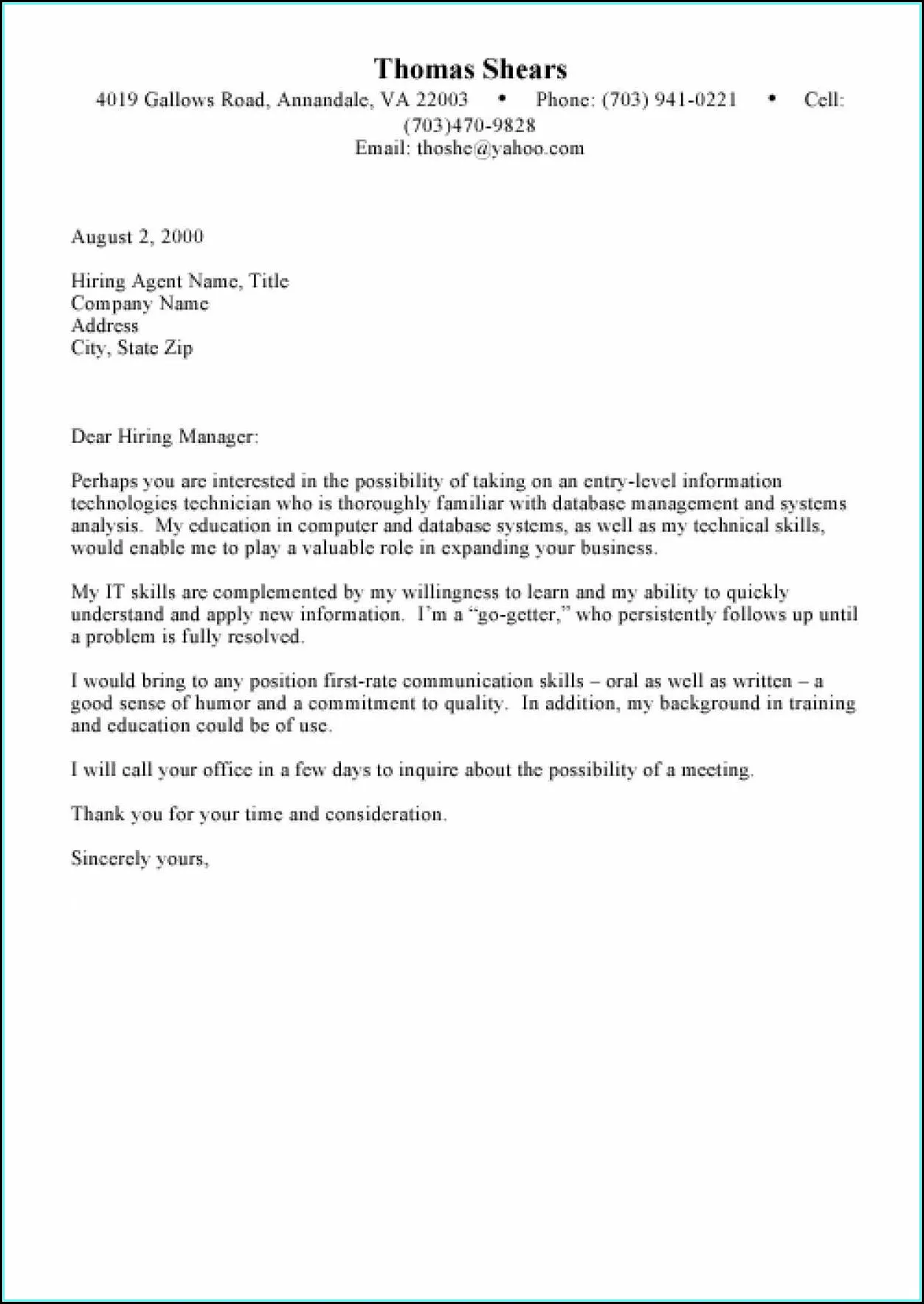
Nursing Cover Letters Top 5 Examples
In the competitive world of healthcare, a well-crafted nursing cover letter is your key to unlocking dream job opportunities. It’s your chance to shine, beyond the bullet points of your resume, and showcase why you’re the perfect fit. This article provides expert guidance and examples to help you craft compelling cover letters that grab attention and land you interviews. We’ll explore the essential elements, formatting tips, common pitfalls, and provide five exemplary nursing cover letter examples to guide you in your application process. Dive in to learn how to make your application stand out and move your nursing career forward.
What is a Nursing Cover Letter?
A nursing cover letter is a formal document that accompanies your resume when applying for a nursing position. It serves as an introduction, providing a snapshot of your skills, experience, and personality while expressing your interest in the specific role and the healthcare organization. Unlike your resume, which offers a factual summary of your qualifications, a cover letter allows you to connect with the hiring manager on a more personal level. It’s an opportunity to elaborate on your experiences, highlight your most relevant achievements, and articulate your passion for nursing, making it an invaluable tool in your job search.
Why is a Nursing Cover Letter Important?

The nursing field is highly competitive, and a cover letter can be the deciding factor in whether you get an interview. It allows you to personalize your application, demonstrating your understanding of the specific job requirements and your genuine interest in the role. A strong cover letter sets you apart from other candidates, providing a deeper understanding of your skills and experiences. By effectively communicating your qualifications and enthusiasm, you increase your chances of securing an interview and ultimately, landing your desired nursing position. Your cover letter provides a vital opportunity to showcase your soft skills and personality, which are just as important as your technical skills in the field of healthcare.
Key Elements of a Strong Nursing Cover Letter
Header and Contact Information
Start your cover letter with a professional header that includes your full name, contact information (phone number, email address, and LinkedIn profile URL, if applicable), and the date. Below this, include the hiring manager’s name (if known), their title, and the healthcare facility’s address. Proper formatting and attention to detail in the header immediately demonstrates your professionalism and attention to detail, which are critical qualities for a nurse. Make sure that the contact information is accurate and up to date, as this is how the employer will reach out to you for further steps.
Professional Greeting

Always address your cover letter to a specific person whenever possible. Research the hiring manager’s name and use a formal greeting, such as “Dear Mr./Ms./Dr. [Last Name].” If you are unable to find the hiring manager’s name, use a general greeting such as “Dear Hiring Manager.” Avoid generic greetings such as “To Whom It May Concern,” as they can make your letter seem impersonal. Addressing the letter to a specific individual shows initiative and attentiveness, indicating that you have taken the time to learn more about the company and the position, which is always appreciated by the hiring team.
Opening Paragraph
The opening paragraph should immediately capture the reader’s attention. State the position you are applying for and briefly explain where you saw the job posting. Then, quickly mention your most relevant qualifications or experience. Show enthusiasm for the role and express why you are interested in the healthcare facility. This section is your chance to make a strong first impression and encourage the hiring manager to read on. Keep it concise and focused, clearly stating your intent and highlighting what makes you a strong candidate.
Highlighting Skills and Experience
This is the core of your cover letter. Detail your skills and experiences relevant to the job description. Focus on what you have to offer and provide specific examples that highlight your achievements. Use action verbs to describe your responsibilities and accomplishments. Explain how your skills align with the needs of the healthcare facility and the specific role. Tailor this section to each job application by emphasizing the skills and experiences most valuable to the employer, demonstrating your adaptability and understanding of their needs. Remember to focus on both your technical skills and your soft skills, such as communication, empathy, and teamwork, which are essential in nursing.
Quantifiable Achievements

Instead of just listing your duties, quantify your achievements whenever possible. Use numbers, percentages, and statistics to demonstrate the impact you’ve made in previous roles. For example, you might write, “Reduced patient fall rates by 15%” or “Successfully managed a team of 10 nurses.” Quantifiable achievements show the hiring manager the concrete results you’ve achieved and provide a clear understanding of your capabilities. Highlighting your accomplishments with numbers will significantly increase your credibility and set you apart from other applicants. This will help the hiring manager to quickly assess your value.
Expressing Enthusiasm
Throughout your cover letter, express your enthusiasm for the position and the healthcare facility. Explain why you are interested in working there, what motivates you, and what you hope to contribute. Research the facility’s mission, values, and recent achievements, and demonstrate how you align with their goals. Expressing your enthusiasm shows that you are genuinely interested in the role and that you have taken the time to learn about the company, demonstrating a commitment to the role and the facility. This personal touch can make a significant impact on the hiring manager.
Call to Action
Conclude your cover letter with a clear call to action. Express your eagerness for an interview and state how you plan to follow up. For example, you can say, “I am very interested in the opportunity to discuss my qualifications further. I will follow up with you within a week.” Provide your contact information again. Thank the hiring manager for their time and consideration. The call to action is your final chance to make an impression and move your application forward. It reinforces your interest in the role and gives the hiring manager a clear next step.
Formatting and Design Tips for Nursing Cover Letters

Font and Readability
Choose a professional and easy-to-read font, such as Times New Roman, Arial, or Calibri. Use a font size between 10 and 12 points to ensure readability. Maintain consistent formatting throughout your letter, including consistent spacing and alignment. Ensure that your cover letter is visually appealing, with clear sections and adequate white space, making it easy for the hiring manager to quickly find the most important information. A well-formatted cover letter shows attention to detail and respect for the reader’s time.
Length and Structure
Keep your cover letter concise, ideally no more than one page long. Organize the content logically with clear paragraphs and headings. Start with an introduction, followed by your key qualifications, and end with a concise conclusion. This structure ensures that your letter is easy to read and that the hiring manager can quickly grasp your key strengths and experiences. A well-structured cover letter demonstrates your ability to communicate effectively and professionally, which is essential for nursing.
Proofreading and Editing

Thoroughly proofread and edit your cover letter for any errors in grammar, spelling, and punctuation. Errors can undermine your credibility and make you appear unprofessional. Always ask someone else to review your cover letter as a fresh pair of eyes can often catch mistakes you may have missed. Proofreading is an essential step in the job application process and a well-written, error-free cover letter can greatly improve your chances of getting an interview and ultimately, getting hired.
Top 5 Nursing Cover Letter Examples
Example 1 Registered Nurse
Dear [Hiring Manager Name],
I am writing to express my keen interest in the Registered Nurse position at [Hospital Name], as advertised on [Platform]. With five years of experience in a fast-paced critical care unit, I am confident in my ability to provide exceptional patient care and contribute to your team’s success. My expertise includes administering medications, monitoring vital signs, and collaborating with multidisciplinary teams. During my tenure at [Previous Hospital], I consistently received positive feedback and was recognized for my ability to quickly assess patient needs and respond effectively.
I am particularly drawn to [Hospital Name]’s commitment to patient-centered care, as demonstrated by [Mention something specific]. I am eager to apply my skills and experience to enhance your patient care services. I am looking forward to an interview and can be reached at [Phone Number] or [Email Address].
Sincerely, [Your Name]
Example 2 Nurse Practitioner

Dear [Hiring Manager Name],
I am writing to express my interest in the Nurse Practitioner position at [Clinic Name]. My background in family medicine and advanced certification in this area make me an ideal candidate to contribute to your patients’ health. I am eager to apply my skills and experience to enhance your patient care services. I have a strong track record of diagnosing and treating a wide range of medical conditions, with a particular focus on preventative care and patient education. I have also supervised and mentored nursing students, fostering a culture of continuous learning and professional growth.
I am dedicated to providing high-quality patient care and collaborating with other healthcare professionals. My passion for the field and dedication to providing patient-centered care make me a strong asset to your team. I am available for an interview and can be reached at [Phone Number] or [Email Address].
Sincerely, [Your Name]
Example 3 Licensed Practical Nurse (LPN)
Dear [Hiring Manager Name],
I am writing to apply for the Licensed Practical Nurse (LPN) position at [Facility Name], as advertised on [Platform]. With three years of experience in long-term care, I am dedicated to providing compassionate and efficient patient care. I am proficient in medication administration, wound care, and patient monitoring, and I am committed to ensuring the well-being of all patients. I have a strong ability to work collaboratively with other healthcare professionals and to maintain accurate and detailed patient records.
I am particularly drawn to [Facility Name]’s reputation for providing high-quality care and creating a supportive environment for both patients and staff. I am eager to contribute to your team and help ensure that all patients receive the best possible care. I look forward to discussing my qualifications further and can be contacted at [Phone Number] or [Email Address].
Sincerely, [Your Name]
Example 4 Nursing Student
Dear [Hiring Manager Name],
I am writing to express my interest in the Nursing Student Internship at [Hospital Name]. I am a highly motivated nursing student at [School Name], currently pursuing my Bachelor of Science in Nursing (BSN). I am eager to gain practical experience and contribute to patient care. Through my clinical rotations at [Mention Clinical Sites], I have developed a strong foundation in patient assessment, medication administration, and care planning.
I am excited about the opportunity to learn from experienced nurses and contribute to the team at [Hospital Name]. I am particularly interested in [Specific Department/Area of Interest] and eager to learn. I have a passion for patient care, which makes me a great addition to your team. I am available for an interview and can be reached at [Phone Number] or [Email Address].
Sincerely, [Your Name]
Example 5 Experienced Nursing Professional
Dear [Hiring Manager Name],
I am writing to express my interest in the Nursing Manager position at [Hospital Name]. With over 10 years of experience in nursing leadership roles, I am confident in my ability to lead and manage nursing teams effectively. My expertise includes staff training and development, performance management, and budget management. During my tenure at [Previous Hospital], I have successfully increased patient satisfaction scores, decreased staff turnover, and streamlined nursing workflows.
I am eager to apply my leadership skills and experience to enhance [Hospital Name]’s nursing operations. I am familiar with a great deal of hospital management, which can be a big help. I look forward to the opportunity to discuss my qualifications further and can be reached at [Phone Number] or [Email Address].
Sincerely, [Your Name]
Common Mistakes to Avoid in Nursing Cover Letters
Generic Content
Avoid using generic cover letters that are not tailored to the specific job or healthcare facility. Generic content shows a lack of effort and indicates that you are not genuinely interested in the position. Always customize your cover letter to highlight your skills and experiences that are most relevant to the job description and the needs of the employer. Generic letters also show that you may have not put in the time necessary to properly prepare. Customization demonstrates your interest and initiative, helping you stand out from the competition.
Typos and Grammatical Errors
Proofread your cover letter carefully to eliminate typos and grammatical errors. These errors can make you appear unprofessional and can undermine your credibility. Always have someone else review your cover letter before submitting it, as a fresh pair of eyes can often catch mistakes you might have missed. Errors show a lack of attention to detail, a critical skill in nursing. A well-written, error-free cover letter can help you make a positive impression and increase your chances of landing an interview.
Focusing Solely on Duties
Do not only list your duties. Instead, focus on your accomplishments and the results you’ve achieved in previous roles. Use quantifiable achievements to showcase your impact. For example, rather than saying “Managed patient records,” say “Improved patient record accuracy by 15%.” Highlighting your successes and quantifiable achievements provides concrete evidence of your skills and capabilities, making you a more compelling candidate and showcasing what you bring to the table. Hiring managers want to see what you’ve done, not just what you’ve done.
Not Tailoring to the Job
Ensure that your cover letter is tailored to the specific job description. Carefully review the job requirements and align your skills and experiences with the needs of the employer. Demonstrate your understanding of the role and the healthcare facility’s mission and values. Tailoring your cover letter shows that you have taken the time to understand the position and that you are genuinely interested in the opportunity. It is a crucial step in getting an interview.
How to Tailor Your Nursing Cover Letter for Maximum Impact
Research the Employer
Before you start writing your cover letter, research the healthcare facility. Understand their mission, values, recent achievements, and the specific requirements of the role. Visit their website, read articles about the facility, and review their social media profiles. This research will help you tailor your cover letter to demonstrate your understanding of their needs and express your genuine interest in working there. Showing your knowledge of the organization is a huge benefit.
Match Skills to Job Requirements
Carefully review the job description and identify the key skills and experiences the employer is seeking. Highlight your skills and experiences that match these requirements in your cover letter. Use keywords from the job description to showcase your qualifications and demonstrate how your abilities align with the role’s needs. Clearly articulating your skills will help the hiring manager quickly see that you are qualified and a good fit for the position.
Use Keywords
Incorporate relevant keywords from the job description throughout your cover letter. Use keywords to describe your skills, experiences, and accomplishments. This helps your cover letter get noticed by applicant tracking systems (ATS) and makes it easier for the hiring manager to identify your qualifications. However, do not stuff your cover letter with keywords; use them naturally and strategically to enhance readability and ensure your qualifications are clearly communicated. Using keywords is an essential part of applicant tracking systems (ATS).
Conclusion
A well-crafted nursing cover letter is essential for a successful job search. By following the guidelines and examples provided, you can create a compelling cover letter that highlights your skills, experience, and passion for nursing. Remember to tailor your letter to each job, proofread carefully, and showcase your quantifiable achievements. With a strong cover letter, you can increase your chances of landing an interview and securing your dream nursing position. Take the time to make your cover letter shine and you will be well on your way to getting hired. Good luck with your applications!