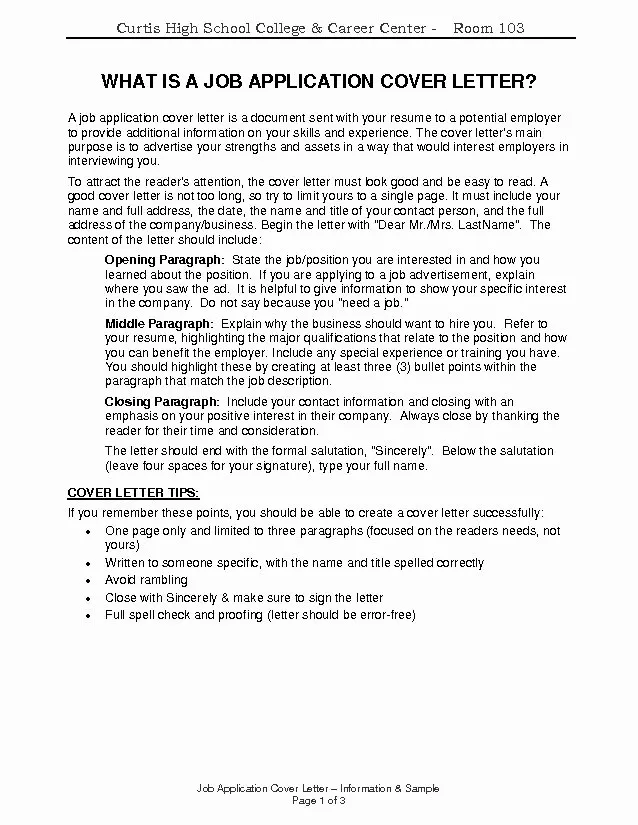
What is a Cover Letter
A cover letter is a crucial document accompanying your resume when applying for a job. It serves as your introduction to a potential employer, providing a space to elaborate on your skills, experiences, and why you’re the perfect fit for the position. Unlike your resume, which offers a concise overview, the cover letter allows you to showcase your personality and express your enthusiasm for the opportunity. It’s your chance to make a strong first impression and encourage the hiring manager to read your resume in detail. A well-crafted cover letter highlights your unique value proposition and increases your chances of landing an interview. Think of it as your personal sales pitch, selling yourself to the hiring manager and demonstrating your genuine interest in the role and the company.
Importance of a Cover Letter
The importance of a cover letter cannot be overstated in the job application process. It’s often the first impression you make on a potential employer, setting the tone for how they perceive your candidacy. A cover letter provides context to your resume, allowing you to explain any gaps in your employment history, highlight specific achievements relevant to the job, and demonstrate your understanding of the company’s needs. It also showcases your communication skills, as the way you write and structure your letter speaks volumes about your professionalism and attention to detail. Many hiring managers consider a cover letter essential, as it reveals your personality, motivations, and genuine interest in the role, setting you apart from other applicants who might only submit a resume. A strong cover letter can significantly increase your chances of getting an interview.
Cover Letter vs Resume

While both are critical components of a job application, a cover letter and resume serve different purposes. A resume is a concise summary of your work experience, skills, education, and accomplishments. It provides a quick overview of your qualifications, typically in a bullet-point format, designed for easy scanning. A cover letter, on the other hand, is a more detailed and personalized document. It allows you to elaborate on your skills, explain why you’re interested in the specific role and company, and connect your qualifications to the job requirements. The resume is factual and objective, while the cover letter allows for a more conversational tone, showcasing your personality and communication abilities. The cover letter complements the resume by providing context and demonstrating your genuine interest. The resume highlights what you’ve done, while the cover letter explains why it matters to the employer.
Cover Letter Key Components
A well-structured cover letter follows a specific format and includes essential components to effectively convey your qualifications and interest in the job. These components work together to create a compelling narrative that captures the hiring manager’s attention and highlights your suitability for the role. Understanding these components is crucial to crafting a cover letter that stands out from the competition and increases your chances of getting an interview. Each section contributes to the overall impact of the letter, from the initial greeting to the closing statement.
Contact Information
Begin your cover letter with your contact information at the top, including your name, phone number, email address, and LinkedIn profile URL (if you have one). Ensure this information is accurate and up-to-date. This makes it easy for the hiring manager to contact you if they want to schedule an interview. Place your contact information neatly aligned, either on the left or right side of the page. Using a professional email address is also crucial; avoid informal or unprofessional addresses. The contact information ensures that the employer can easily reach you to discuss your application further. If you are using a physical address, make sure it is a reliable one where you can receive mail.
Professional Salutation

The salutation sets the tone for your cover letter, so it’s important to use a professional greeting. If possible, address the hiring manager by name. Research the company website or LinkedIn to find the name of the hiring manager or the person responsible for reviewing applications. Using a specific name shows that you’ve taken the time to research the company and demonstrates your attention to detail. If you can’t find a name, use a general greeting like “Dear Hiring Manager” or “Dear [Department Name] Team.” Avoid generic salutations like “To Whom It May Concern,” as they can make your letter seem impersonal. A personalized salutation makes a positive first impression and demonstrates respect for the recipient.
Opening Paragraph
Your opening paragraph should immediately grab the reader’s attention. State the position you’re applying for and where you saw the job posting. Briefly mention why you’re interested in the role and the company. You can also include a brief statement about your most relevant skills or experience to capture the reader’s interest from the start. Keep the opening concise and engaging. Your goal is to pique the hiring manager’s curiosity and encourage them to read the rest of your letter. A strong opening paragraph sets the stage for the rest of your cover letter and demonstrates your enthusiasm and understanding of the opportunity. Highlight what excites you about the company or the role.
Body Paragraphs
The body paragraphs are the core of your cover letter, where you elaborate on your qualifications and explain how your skills and experience align with the job requirements. Use this space to highlight your relevant accomplishments and experiences. Focus on what you can bring to the company and how you can contribute to their success. Tailor your letter to the specific job description, addressing the key requirements and demonstrating your understanding of the role’s responsibilities. Provide concrete examples of your achievements, using the STAR method (Situation, Task, Action, Result) to illustrate your skills and how you’ve made a positive impact in the past. The body paragraphs are your opportunity to convince the hiring manager that you are the best candidate for the job.
Highlighting Skills and Experience

In your body paragraphs, clearly highlight the skills and experiences that make you a strong candidate for the job. Review the job description carefully and identify the key skills and qualifications the employer is seeking. Then, provide specific examples of how you’ve demonstrated those skills in previous roles or projects. Use action verbs to describe your accomplishments and quantify your achievements whenever possible. For each skill or experience you highlight, explain the context, your actions, and the positive outcomes. This approach not only demonstrates your capabilities but also shows the employer the value you can bring to their organization. Make sure your skills align with the job description’s requirements.
Quantifying Achievements
Whenever possible, quantify your achievements to make your cover letter more impactful. Instead of saying “Improved sales,” say “Increased sales by 15% within one quarter.” Use numbers, percentages, and specific data to demonstrate the tangible results you’ve achieved in previous roles. This provides concrete evidence of your abilities and shows the hiring manager the value you can bring to the company. Quantifiable achievements are more persuasive and make your cover letter more memorable. They show the employer the positive impact you’ve made in the past and how you can contribute to their success. Always try to back up your claims with data.
Tailoring the Letter to the Job
Avoid using a generic cover letter for every job application. Tailor each letter to the specific role and company you’re applying to. Research the company’s values, culture, and the requirements of the job. Then, customize your letter to demonstrate how your skills and experience align with their needs. Show that you understand the company’s mission and what they’re looking for in a candidate. Tailoring your letter shows that you’ve taken the time to learn about the opportunity and are genuinely interested in the role. This significantly increases your chances of making a positive impression. Addressing the specific requirements demonstrates your attention to detail and your ability to meet the needs of the employer.
Closing Paragraph

The closing paragraph should reiterate your interest in the position and the company. Briefly summarize your key qualifications and express your enthusiasm for the opportunity. Thank the hiring manager for their time and consideration. Keep it concise and positive. Reiterate your interest and express confidence in your ability to contribute to the company’s success. The closing paragraph should leave a lasting positive impression and motivate the hiring manager to contact you.
Call to Action
Include a clear call to action in your closing paragraph. State your availability for an interview and express your willingness to discuss your qualifications further. Make it easy for the hiring manager to contact you by providing your phone number and email address. A clear call to action encourages the hiring manager to take the next step and move forward with your application. A proactive approach demonstrates your enthusiasm for the role and makes it more likely that you’ll be contacted for an interview. This shows initiative and reinforces your interest in the position.
Proper Closing and Signature
End your cover letter with a professional closing, such as “Sincerely,” “Best regards,” or “Thank you.” Avoid informal closings. After the closing, leave a few lines for your signature (if printing and mailing the letter) or simply type your full name. Your signature reinforces your professionalism and personalizes your letter. Make sure your name is clearly legible and that your contact information is accurate. Proper closing and signature finish your cover letter with a professional touch, leaving a lasting positive impression on the hiring manager. This final element is crucial for completing your cover letter effectively.
Formatting and Presentation

The formatting and presentation of your cover letter are essential for making a positive first impression. A well-formatted letter is easy to read and demonstrates your attention to detail, reflecting professionalism and respect for the reader. Careful formatting is vital in making your cover letter stand out and conveying the professionalism of your application. Your formatting should reflect clarity and organization, making it easy for the hiring manager to navigate your letter. Properly formatted cover letters are more likely to be read and considered.
Font and Style
Choose a professional and easy-to-read font such as Times New Roman, Arial, or Calibri. Use a font size between 10 and 12 points. Keep your font consistent throughout the letter. Avoid using overly decorative or difficult-to-read fonts. Use a clear and readable font style that enhances readability and professionalism. Maintaining a consistent font throughout the cover letter is crucial for a clean and professional look. Avoid using fonts that are distracting or make your letter difficult to read. Choose fonts that are standard and widely accepted in professional settings.
Length and Structure
Keep your cover letter concise and to the point. Aim for a maximum length of one page, unless specifically requested otherwise. Use a clear structure with paragraphs, headings, and bullet points to organize your content. Avoid long blocks of text, which can be overwhelming for the reader. Ensure that the structure is logical and easy to follow. Short paragraphs and clear headings improve readability and help the hiring manager quickly grasp the key information. Organize your thoughts into structured paragraphs and avoid rambling or going off-topic. Make it easy for the hiring manager to find the information they need.
Proofreading and Editing

Before submitting your cover letter, proofread it carefully for any typos, grammatical errors, and formatting inconsistencies. Ask a friend or family member to review it as well. Errors can create a negative impression and undermine your credibility. Proofreading is a crucial step in ensuring your cover letter is polished and professional. Errors can detract from your qualifications and make the hiring manager question your attention to detail. Take the time to thoroughly proofread and edit your letter to ensure it’s error-free. Correcting errors ensures that your writing is clear, concise, and professional. Double-check all names, dates, and contact information.
Common Cover Letter Mistakes to Avoid
Avoiding common mistakes is essential to ensure your cover letter makes a positive impression and doesn’t hurt your chances of getting an interview. Many applicants make errors that can quickly lead to their application being rejected. Being aware of and avoiding these pitfalls can significantly improve your application. Some common mistakes can easily be corrected with careful attention and editing.
Generic Content
Avoid using generic cover letters that are not tailored to the specific job or company. A generic letter shows that you haven’t taken the time to research the opportunity and demonstrate your genuine interest. Instead, customize your letter for each application, highlighting your relevant skills and experiences, and demonstrating your understanding of the company’s needs. Tailoring your letter shows that you’re serious about the job. Generic content lacks the personalization required to make a strong impression. Personalizing the content shows that you are taking the time to align with the company’s goals.
Typos and Grammatical Errors
Typos and grammatical errors can damage your credibility and make you appear unprofessional. Always proofread your cover letter carefully before submitting it. Use spell-check and grammar-check tools, but don’t rely on them completely. Ask a friend or family member to review your letter to catch any errors you may have missed. Typos and errors indicate a lack of attention to detail. Proofreading thoroughly is essential to present a polished and professional image. A simple error can undermine the quality of your application.
Ignoring the Job Description
Failing to address the specific requirements listed in the job description is a common mistake. Carefully review the job description and tailor your cover letter to highlight the skills and experiences that the employer is seeking. Demonstrate how your qualifications match their needs. Ignoring the job description indicates that you haven’t taken the time to understand what the employer is looking for. Aligning with the requirements maximizes your chances of success. Focus on the key requirements and demonstrate how your experience aligns with the role’s demands.
Unprofessional Tone
Maintain a professional tone throughout your cover letter. Avoid using slang, jargon, or overly casual language. Keep your writing clear, concise, and respectful. Avoid being overly familiar or using humor, unless it’s appropriate for the company culture. An unprofessional tone can make you seem immature or unsuitable for the position. A professional tone reflects your respect for the company and the role. Ensuring your language is professional is important for making a good impression.
Best Practices for Cover Letter Success
To maximize your chances of success, follow these best practices when writing your cover letter. These tips will help you craft a compelling letter that captures the hiring manager’s attention and showcases your qualifications effectively. By implementing these strategies, you’ll create a cover letter that stands out from the competition. Follow best practices to help ensure your cover letter is as effective as possible.
- Research the company and the role thoroughly
- Customize your letter for each application
- Highlight your most relevant skills and experiences
- Quantify your achievements whenever possible
- Use a professional and easy-to-read font
- Keep your letter concise and to the point
- Proofread carefully for any errors
- Ask a friend or family member to review your letter
- Follow up if you haven’t heard back within a reasonable timeframe