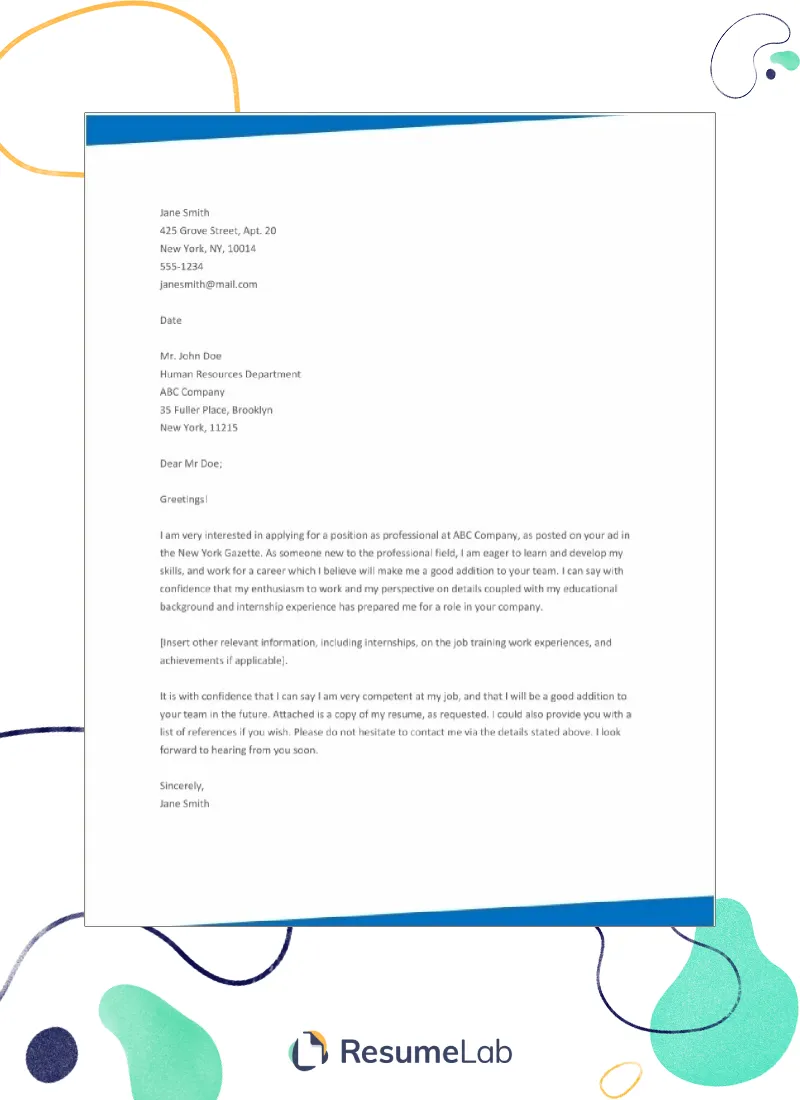
Why Use Microsoft Word Cover Letter Templates
In the competitive landscape of job applications, crafting a compelling cover letter is paramount. It serves as your introduction to potential employers, offering a glimpse into your personality, skills, and aspirations. Microsoft Word cover letter templates are invaluable tools for streamlining this process, providing a professional and polished foundation for your application. Using a template saves you valuable time and effort, allowing you to focus on tailoring the content to each specific job and showcasing your unique qualifications. These templates are designed by professionals, ensuring that your cover letter adheres to industry standards and best practices. With a variety of styles and layouts available, you can find a template that perfectly aligns with your personal brand and the requirements of the position.
Moreover, Microsoft Word templates are easily customizable, enabling you to personalize your cover letter with your own information, experiences, and achievements. This flexibility ensures that your cover letter is both professional and authentically reflects your individual strengths. Templates often include pre-formatted sections for key elements such as your contact information, the date, the employer’s details, a compelling opening paragraph, and concise summaries of your skills and experiences. By using a template, you can avoid common formatting errors and ensure consistency across your application materials. Ultimately, using a Microsoft Word cover letter template empowers you to create a persuasive and impactful cover letter that increases your chances of landing an interview.
What Makes a Great Cover Letter
A great cover letter is more than just a formality; it’s a powerful marketing tool that can significantly enhance your job application. It should immediately grab the reader’s attention, demonstrating your genuine interest in the position and the company. Start by researching the company and tailoring your cover letter to match their specific needs and values. Highlight the skills and experiences that are most relevant to the job description, providing concrete examples of your accomplishments and how they align with the role’s requirements. Use a professional tone and language, avoiding slang or jargon. A well-structured cover letter should clearly and concisely convey your qualifications, showcasing your ability to communicate effectively and persuasively.
Moreover, a great cover letter emphasizes your personality and enthusiasm for the opportunity. Let your passion shine through, demonstrating your genuine interest in the company and the specific role. Proofread meticulously for any grammatical errors or typos, as these can detract from your professionalism. A well-crafted cover letter should complement your resume, providing additional context and highlighting your unique value proposition. Keep it concise, typically no more than one page, ensuring that the most crucial information is easily accessible to the hiring manager. Finally, always customize your cover letter for each job application, demonstrating your attention to detail and commitment to the role.
Key Elements of a Cover Letter

A compelling cover letter comprises several key elements, each playing a vital role in capturing the employer’s attention and highlighting your qualifications. Begin with your contact information, followed by the date and the hiring manager’s name and title, if known. The opening paragraph should immediately grab the reader’s attention by expressing your enthusiasm for the position and demonstrating your knowledge of the company. Briefly mention the specific role you are applying for and why you are interested in it.
The body paragraphs should showcase your relevant skills and experiences, providing concrete examples of your accomplishments. Quantify your achievements whenever possible, using numbers and data to demonstrate your impact. Tailor these paragraphs to match the specific requirements of the job description, highlighting the skills and experiences that are most relevant. Conclude with a strong closing paragraph that reiterates your interest, summarizes your key qualifications, and expresses your availability for an interview. Always include a professional closing, such as “Sincerely” or “Respectfully,” followed by your typed name. Proofread your cover letter meticulously to ensure that it is free of any grammatical errors or typos.
Template 1 Modern Cover Letter
Modern cover letter templates typically feature clean, minimalist designs with a focus on readability. They often incorporate subtle design elements, such as strategic use of whitespace, to create a visually appealing layout. These templates are ideal for industries that value innovation and a forward-thinking approach. They often use a modern font, such as Arial or Calibri, to create a contemporary feel. The structure is generally straightforward, with clear headings and concise paragraphs that are easy to scan. The objective is to present your qualifications in a clear and visually engaging manner. These templates are suitable for a wide range of professions, particularly those in creative or tech-focused fields.
Template 2 Professional Cover Letter
Professional cover letter templates exude a sense of formality and reliability. These templates are often characterized by classic fonts, such as Times New Roman or Garamond, and a more structured layout. The design is typically understated, prioritizing clarity and professionalism. These templates are suitable for industries that demand a high level of precision and attention to detail, such as finance, law, or healthcare. The emphasis is on presenting your qualifications in a clear, concise, and easily readable manner. The overall effect is one of competence and trustworthiness.
Template 3 Creative Cover Letter

Creative cover letter templates are designed to showcase your unique personality and artistic flair. They incorporate bold design elements, such as unconventional layouts, vibrant colors, and unique typography. These templates are ideal for fields that value creativity and innovation, such as graphic design, marketing, or the arts. The goal is to capture the reader’s attention and demonstrate your creative abilities. They may include visual elements, such as illustrations or graphic accents, to enhance the overall impact of the letter. However, it’s essential to ensure that the design remains professional and does not overshadow the content.
Template 4 Simple Cover Letter
Simple cover letter templates prioritize a clean, uncluttered design. They feature a straightforward layout with minimal formatting and a focus on readability. These templates are suitable for a variety of industries and are particularly effective when you want the focus to remain on your qualifications and experiences. They often use a standard font and a neutral color palette. The simplicity of the design ensures that your cover letter is easy to read and that the hiring manager can quickly grasp the key information. These templates are versatile and can be adapted to suit any profession or job application.
Template 5 Corporate Cover Letter
Corporate cover letter templates adhere to established business standards and often reflect a company’s branding. These templates typically feature a polished, professional appearance with a focus on structure and clarity. The layout often includes sections for your contact information, the date, the recipient’s details, and a formal salutation. The language used is professional and direct, and the overall tone is business-like. These templates are ideal for applications in large organizations or established companies that value a consistent brand image. The emphasis is on demonstrating your professionalism and ability to communicate effectively within a corporate setting.
Template 6 Entry Level Cover Letter

Entry-level cover letter templates are designed to help recent graduates or those with limited work experience. These templates often focus on showcasing relevant skills, education, and any internships or volunteer work. They are designed to highlight potential rather than extensive experience. The layout is typically straightforward, allowing you to effectively present your qualifications without overwhelming the reader. The tone is enthusiastic and eager, demonstrating your passion for the role and your willingness to learn. These templates are ideal for job seekers who are just starting their careers and need to make a strong first impression.
Template 7 Functional Cover Letter
Functional cover letter templates emphasize your skills and abilities rather than your chronological work history. These templates are especially useful for individuals who have gaps in their employment history, have changed careers, or have limited work experience in a particular field. The focus is on showcasing your transferable skills and how they relate to the job you are applying for. The layout typically highlights your key skills in separate sections, providing examples of how you have utilized those skills in the past. The goal is to demonstrate your value to the employer regardless of your specific job titles or work history. These templates are ideal for career changers or those with non-traditional career paths.
How to Customize Your Cover Letter Template
Customizing your chosen Microsoft Word cover letter template is essential to create a personalized and effective application. Start by replacing the placeholder text with your own information, including your contact details, the date, and the recipient’s information. Carefully read the job description and tailor your cover letter to match the specific requirements of the role. Highlight the skills and experiences that are most relevant to the position, and provide concrete examples of your accomplishments. Use the template’s formatting options to adjust the font, font size, and spacing to ensure that your cover letter is easy to read and visually appealing.
Personalize the content by adding your own unique personality and voice. Proofread your cover letter meticulously for any grammatical errors or typos. Ensure that the tone of your cover letter matches the company culture and the specific role you are applying for. Consider adding a professional headshot or a link to your online portfolio if it is appropriate for the industry. By carefully customizing your template, you can create a cover letter that is both professional and authentically reflects your individual strengths and aspirations. Remember to save your customized template as a separate document to preserve the original template for future use.
Formatting Your Cover Letter for Success

Effective formatting is crucial for ensuring your cover letter is readable and impactful. Use a professional font, such as Arial, Calibri, or Times New Roman, and maintain a consistent font size throughout the document, typically between 10 and 12 points. Use clear headings and subheadings to organize the information and make it easy for the reader to scan. Use adequate white space between paragraphs and sections to enhance readability. Align your text consistently, either left-aligned or justified, and avoid excessive use of bolding or italics.
Keep your cover letter concise and focused, typically no more than one page. Break up large blocks of text with bullet points or short paragraphs to maintain reader engagement. Use a professional tone and language throughout the document, avoiding slang or jargon. Ensure that your formatting is consistent with your resume and other application materials. Consider using a Microsoft Word template that incorporates these formatting best practices to save time and effort. By paying attention to these formatting details, you can create a cover letter that is both visually appealing and easy to read, increasing your chances of success.
Review and Proofread Your Cover Letter
Before submitting your cover letter, it’s essential to review and proofread it meticulously. Check for any grammatical errors, typos, or formatting inconsistencies. Read your cover letter aloud to catch any awkward phrasing or sentence structures. Ask a friend, family member, or career counselor to review your cover letter and provide feedback. Pay close attention to the tone and language used, ensuring that they are appropriate for the specific job and company. Verify that all the information is accurate and up-to-date, including your contact details, the date, and the recipient’s information.
Ensure that your cover letter is tailored to the specific job description and highlights the skills and experiences that are most relevant to the role. Make sure that the formatting is consistent and professional. Double-check all the details, including the company’s name and the hiring manager’s name. By taking the time to review and proofread your cover letter, you can ensure that it presents you in the best possible light and increases your chances of landing an interview. A well-crafted and error-free cover letter demonstrates your attention to detail and your commitment to the job application process.