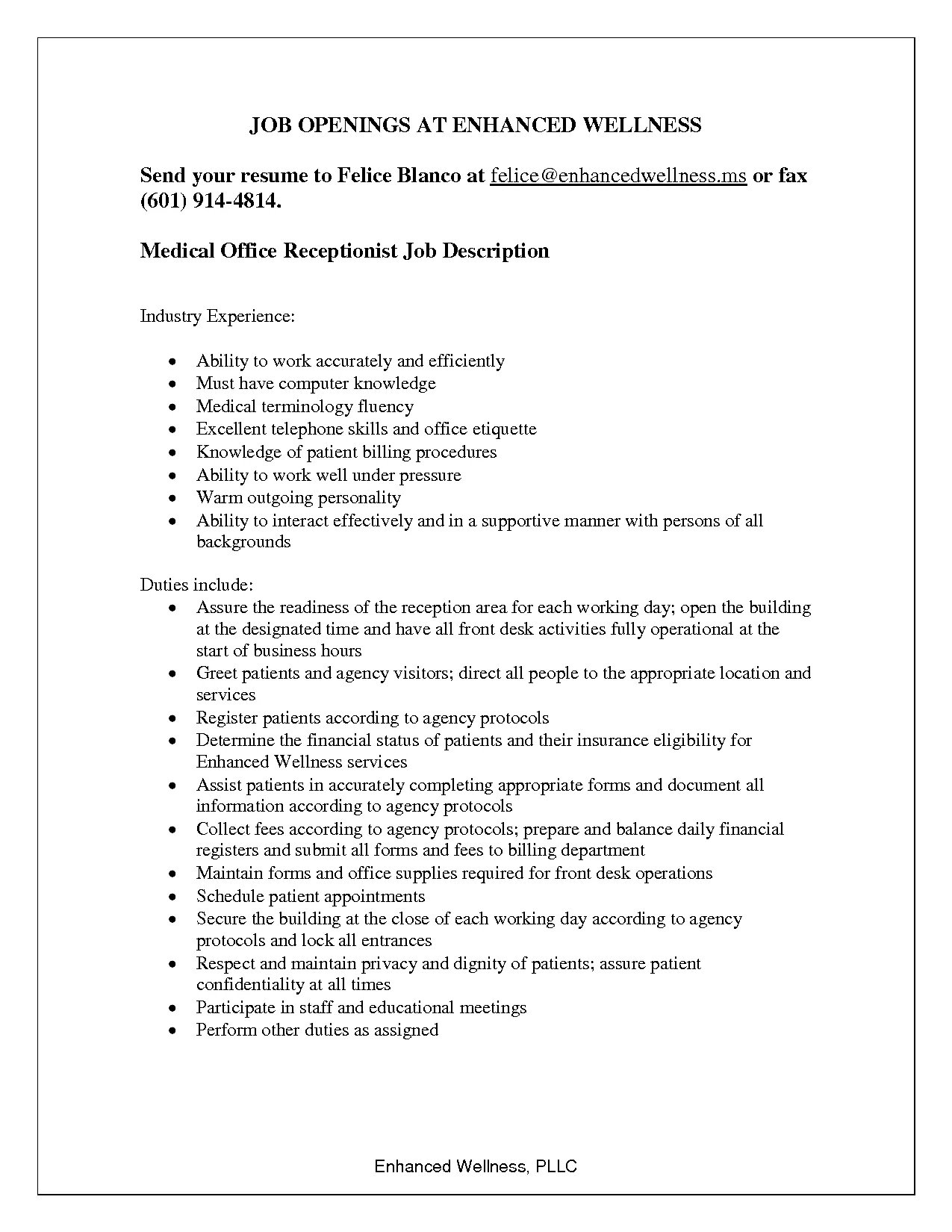
A compelling medical front office cover letter is your first impression on a potential employer. It’s your chance to showcase your skills, experience, and personality to stand out from the competition. A well-crafted cover letter can significantly increase your chances of landing an interview and ultimately, the job. It is not merely a formality; it’s a crucial tool that can set you apart. By following these top 5 tips, you’ll be well on your way to crafting a cover letter that grabs attention and gets you noticed.
Highlight Your Skills
Your cover letter should be a showcase of your key skills relevant to a medical front office position. Think about the abilities that make you a strong candidate for the job. The skills that employers in this field are looking for include strong communication, organizational skills, attention to detail, and proficiency with medical software and administrative tasks. Highlight these skills in your cover letter, providing specific examples of how you’ve utilized them in previous roles. Mention your ability to handle patient inquiries, schedule appointments, manage medical records, and process insurance claims. Focus on your abilities and how they align with the job description. Your resume provides the facts, your cover letter provides the personality and shows how you use those skills.
Emphasize Relevant Experience
Detail your experience in the medical field. If you have prior experience working in a medical office, mention it prominently. Briefly describe your responsibilities and accomplishments in each role. If you’re new to the field, highlight any transferable skills from other industries that are relevant to a medical front office position. For example, customer service skills, data entry experience, or organizational abilities can be valuable assets. The ability to work with patients and deal with sensitive situations is a must. Be sure to mention any experience with medical terminology or specific software relevant to the role. Show the employer that you already have experience in the medical field to stand out as a top applicant.
Quantify Achievements

Rather than simply listing your duties, quantify your accomplishments whenever possible. Use numbers and metrics to demonstrate the impact you’ve made in previous roles. For example, if you improved patient satisfaction scores, mention the percentage increase. If you streamlined appointment scheduling, state how many appointments you scheduled daily or weekly. Show how you’ve improved office efficiency or reduced errors. Show the employers how you can bring value to the position. Quantifying your achievements gives employers a concrete understanding of your abilities and the value you can bring to their medical practice or clinic. Metrics speak louder than words.
Showcase Your Personality
Your cover letter is a great opportunity to demonstrate your personality. While you should maintain a professional tone, you can inject a bit of yourself into the letter. Highlight your people skills. Share what makes you unique and what you’re passionate about. Employers want to hire people who are genuinely interested in the job and can connect with patients and the team. The medical front office role is often the first point of contact for patients, so showing your ability to build rapport and make a positive impression is very important. Being friendly, helpful and a good communicator are key traits in the industry. Let your personality shine through to create a lasting impression.
Tailor to the Specific Job
Avoid using a generic cover letter template. Always tailor your cover letter to the specific job you’re applying for. This shows employers that you’ve taken the time to understand their needs and are genuinely interested in the role. Research the job description and identify the key requirements and keywords. Then, incorporate these keywords and address the specific needs outlined in the job posting. Demonstrating a genuine understanding of the position and the employer’s needs shows that you’re a thoughtful candidate and increases your chances of landing an interview. Customize each cover letter to the specific practice or clinic you’re applying to.
Research the Practice or Clinic

Before you start writing, research the medical practice or clinic where you’re applying. Learn about their mission, values, and the services they provide. Mentioning something specific you learned about the practice in your cover letter shows that you’re interested and have taken the initiative to learn about them. This demonstrates your commitment to the role and that you want to be part of their team. Knowing the practice’s focus can help you tailor your cover letter to highlight your relevant experience and skills.
Address Key Requirements
Carefully review the job description and identify the key requirements and qualifications. Then, address each of these requirements in your cover letter. Show how your skills, experience, and qualifications align with the specific needs of the role. Provide examples of how you’ve met similar requirements in the past. Focus on the requirements and how you can contribute to the practice. This helps the employer understand that you have the abilities to do the job.
Use Strong Action Verbs
Use strong action verbs to describe your accomplishments and responsibilities. Action verbs make your cover letter more engaging and dynamic. They show employers what you’ve done and what you can do. Instead of saying you were responsible for scheduling appointments, say that you scheduled appointments for a certain amount of patients. Use verbs like managed, coordinated, implemented, and improved to demonstrate your abilities. Make sure each sentence sounds confident. This helps to show the employer that you know exactly what you are doing and helps them to understand what you are capable of.
Proofread and Edit Carefully

Proofreading and editing are essential steps in crafting a successful cover letter. A cover letter with errors can make a bad impression, and may even cause your application to be disregarded. Therefore, it’s crucial to proofread your cover letter meticulously. Check for grammatical errors, spelling mistakes, and punctuation errors. Read your cover letter aloud to identify any awkward phrasing or unclear sentences. A well-proofread cover letter shows that you’re detail-oriented and professional. Get feedback from a friend or colleague to catch any mistakes you might have missed.
Check for Grammatical Errors
Thoroughly check your cover letter for any grammatical errors. These errors can detract from your credibility and make you look unprofessional. Ensure that your subject-verb agreement, tense consistency, and sentence structure are correct. Use a grammar checker to help identify any mistakes you might have missed. Paying close attention to detail will make your cover letter more polished and professional.
Ensure Proper Formatting
Formatting is just as important as content. Proper formatting makes your cover letter easy to read and visually appealing. Use a clear and professional font, such as Times New Roman or Arial. Use consistent spacing and margins. Make sure your cover letter is properly structured with clear headings, paragraphs, and bullet points. Avoid using distracting fonts or formatting styles. Well-formatted cover letter is a reflection of your attention to detail.
Get Feedback Before Submitting

Before submitting your cover letter, ask a trusted friend, family member, or career counselor to review it. They can provide valuable feedback on your writing, clarity, and overall impact. Fresh eyes can catch any errors you might have missed. They can also give you suggestions on how to improve your cover letter and make it more effective. Feedback from others can help you refine your cover letter and ensure that it’s the best it can be. Take their suggestions into consideration to make the best cover letter.
By following these tips, you can create a compelling medical front office cover letter that highlights your skills, experience, and personality. Remember to tailor your cover letter to each job application, proofread carefully, and showcase what makes you the ideal candidate. With a well-crafted cover letter, you’ll be well on your way to landing your dream job in the medical field. Good luck with your job search!