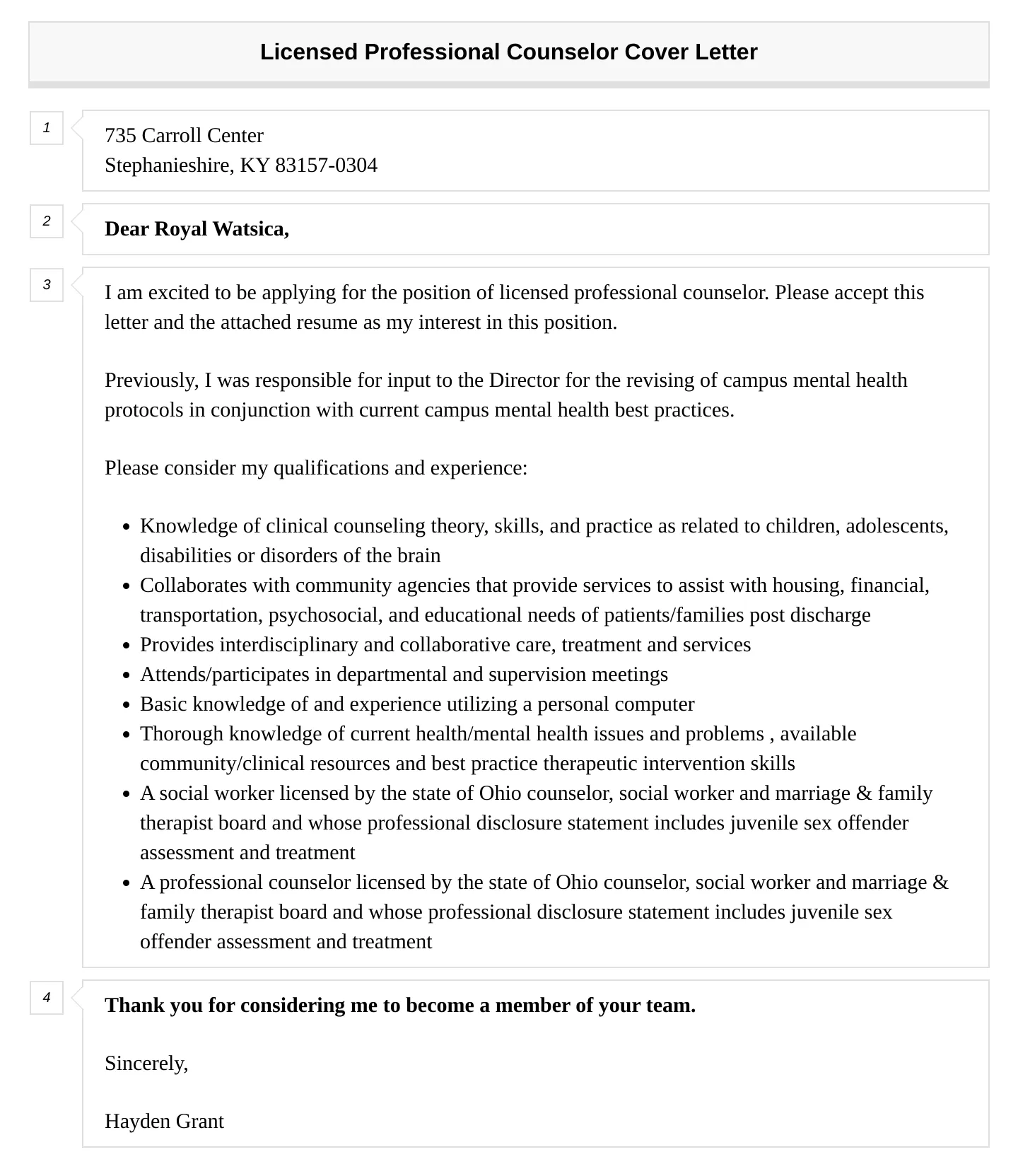
Crafting Your LPC Cover Letter
A well-crafted Licensed Professional Counselor (LPC) cover letter is your first impression, your chance to shine, and demonstrate your suitability for the role. It’s more than just a formality; it’s a crucial marketing tool that can significantly influence whether you get an interview or end up in the ’no’ pile. This guide will walk you through every step, from understanding the purpose of the letter to following up on your application, ensuring you present yourself as the best candidate for the job. Remember, the goal is to make a compelling case for your skills and experience, convincing the hiring manager that you are the perfect fit.
Understand the Purpose of an LPC Cover Letter
The primary purpose of an LPC cover letter is to introduce yourself, highlight your relevant qualifications, and express your genuine interest in the specific position. It provides context to your resume, allowing you to elaborate on your skills, experiences, and achievements in a way that a resume alone cannot. The letter should showcase your personality, communication style, and commitment to the field of counseling. It also serves as an opportunity to demonstrate your understanding of the employer’s needs and how you can contribute to their mission. A strong cover letter differentiates you from other applicants and increases your chances of securing an interview, thus moving you one step closer to landing your dream job.
Highlighting Your Skills & Experience

This is where your cover letter truly comes to life. It’s essential to not just list your skills but to demonstrate how you’ve used them to achieve positive outcomes in past roles. Focus on quantifiable achievements whenever possible – for example, “Increased client retention rates by 15% within six months” or “Facilitated successful group therapy sessions for over 50 patients with positive feedback.” This approach provides concrete evidence of your abilities. Use the STAR method (Situation, Task, Action, Result) to describe your experiences. This allows you to provide context, describe the task at hand, outline the actions you took, and highlight the results you achieved. This makes your experiences relatable and demonstrates your value.
Identifying Relevant Skills for the Role
Carefully review the job description and identify the skills and qualities the employer is seeking. These might include active listening, empathy, crisis intervention, treatment planning, and experience with specific therapeutic modalities. Tailor your letter to reflect those specific requirements. Don’t just list these skills; provide concrete examples of how you’ve applied them in your previous roles. Did you mediate conflicts using active listening? Did you develop individualized treatment plans? This shows that you can deliver what the employer needs. Demonstrating that your skills align with their needs is a key factor in getting noticed.
Showcasing Your Education & Credentials
Briefly summarize your educational background, including your master’s degree in counseling and any specializations or certifications. Mention your LPC license and any other relevant credentials. If you have completed internships or fellowships, be sure to include them, along with the settings and populations you worked with. This information provides a foundation for your credibility and expertise. Ensure that your qualifications match the requirements of the job to make the recruiter know you are the right fit for the role. Highlighting your relevant credentials and experience is essential for showing the hiring manager that you possess the necessary qualifications to be successful in the position.
Tailoring Your Letter to the Job

Generic cover letters are quickly discarded. Always tailor your letter to each specific job and employer. Show the hiring manager that you’ve done your homework and understand their organization’s mission, values, and the specific needs of the role. This might involve highlighting experiences that align with the job’s requirements or expressing a specific interest in the employer’s work. Customization is key to demonstrating that you’re not just sending out mass applications but are genuinely interested in the opportunity and have the specific skills required.
Researching the Employer
Before you write a single word, research the employer. Visit their website, read about their mission, and understand their services. If possible, check their social media profiles to get an idea of their culture and values. Understanding the employer’s context will help you tailor your letter and show that you understand their needs and can contribute to their goals. This type of research demonstrates initiative and a genuine interest in the opportunity, making you stand out from candidates who haven’t invested the time in research.
Customizing Your Letter
Once you have researched the employer, it’s time to customize your letter. Refer to specific programs, initiatives, or values that resonate with you. Highlight how your skills and experiences align with the specific needs of the position. Mentioning specific aspects of the job description and explaining how your qualifications meet those requirements shows that you have taken the time to understand the role and organization. This level of customization helps your letter stand out and makes it more likely to grab the recruiter’s attention.
Structuring Your LPC Cover Letter

A well-structured cover letter is easy to read and allows the hiring manager to quickly grasp your key qualifications. The standard format includes an opening paragraph, several body paragraphs, and a closing paragraph. Each section serves a specific purpose. Maintain a professional tone throughout the letter, focusing on clarity and conciseness. Ensure that your language is free of jargon and easy for the reader to understand. A clear and organized structure reflects your professional demeanor and enhances the overall impact of your letter.
Formatting Your Letter for Impact
Your cover letter should be visually appealing and easy to read. Use a professional font, such as Times New Roman or Arial, in a readable size (11-12 points). Use standard margins (1 inch on all sides) and single-space your text, with a blank line between paragraphs. Keep your letter concise – ideally, no more than one page. Properly formatted letters show attention to detail and professionalism. Poor formatting can make a great cover letter difficult to read and decrease its effectiveness.
Writing a Compelling Opening
The opening paragraph is your chance to grab the hiring manager’s attention. Start with a strong hook – mention the specific position you are applying for and where you saw the job posting. Briefly state why you’re interested in the role and the organization. This section should make the reader want to continue reading. A compelling opening should be concise, clearly stating the purpose of the letter and conveying your enthusiasm for the opportunity. Avoid generic phrases; instead, make it personal and show genuine interest.
Demonstrating Your Value

The body of your cover letter is where you demonstrate your value. Highlight your key skills and experiences that align with the job requirements. Provide specific examples of your accomplishments, using the STAR method to showcase your abilities. Explain how your skills and experiences have benefited previous employers or clients. Tailor your letter to the specific requirements outlined in the job description. By demonstrating your value, you will show the hiring manager how you can solve their problems and contribute to their organization’s success.
Showcasing Achievements
Instead of simply listing your responsibilities, showcase your achievements. Quantify your accomplishments whenever possible. Use numbers and metrics to demonstrate your impact. For example, state how you increased client satisfaction scores or reduced no-show rates. Highlighting your achievements is a powerful way to convince the hiring manager of your value. Demonstrate the positive outcomes that you have achieved in your previous roles, making it clear that you are a high-performing candidate who can deliver results.
Closing Your Letter Effectively
The closing paragraph should reiterate your interest in the position and express your enthusiasm for the opportunity. Thank the hiring manager for their time and consideration. Avoid generic closings and instead, personalize your message. If you know the hiring manager’s name, use it. A strong closing leaves a positive lasting impression and encourages the hiring manager to take action.
Including a Call to Action

End your cover letter with a clear call to action. This could include a statement such as, “I am eager to discuss my qualifications in an interview.” or “I look forward to the opportunity to speak with you further about this position.” Make it easy for the hiring manager to take the next step by clearly indicating your desire to move forward in the hiring process. A strong call to action encourages the hiring manager to follow through and consider you for the position.
Proofreading & Editing Your Letter
Before sending your cover letter, proofread and edit it carefully. Errors in grammar or spelling can create a negative impression. Check for clarity, conciseness, and proper formatting. Ask a friend or colleague to review your letter to catch any errors you may have missed. A polished and error-free cover letter demonstrates your attention to detail and professionalism. It’s essential to make a good first impression, so take the time to ensure your letter is perfect.
Common Mistakes to Avoid
Several common mistakes can undermine an LPC cover letter. Avoid generic templates and instead, write a letter that is tailored to the specific job. Avoid using jargon and complex language, opting for clear and concise writing. Don’t simply rehash your resume; use the cover letter to expand on your skills and experiences. Negative language and focusing on what you don’t want are also big no-nos. By avoiding these common pitfalls, you can significantly improve the effectiveness of your cover letter and increase your chances of getting hired.
Using Strong Action Verbs

Using strong action verbs will make your cover letter more dynamic and engaging. Instead of stating you “were responsible for”, use verbs like “managed,” “developed,” “implemented,” or “led.” Action verbs describe your achievements in a compelling way and show the hiring manager that you are a proactive and results-oriented professional. This will give you a noticeable edge over applicants who use passive or vague language, making your letter more memorable and impactful. Using strong action verbs is a great way to improve your cover letter.
Addressing Salary Expectations (If Appropriate)
Unless specifically requested in the job posting, it’s generally best to avoid mentioning your salary expectations in the cover letter. If the job description does ask for this information, provide a salary range based on your research and experience. Be prepared to discuss your salary requirements in an interview. Researching average salaries for LPC positions in your area is crucial so you have a realistic expectation. It’s best to discuss salary expectations later in the hiring process, after you’ve demonstrated your value and qualifications.
Following Up on Your Application
After submitting your LPC cover letter and resume, follow up with the hiring manager or recruiter to express your continued interest in the position. This shows initiative and demonstrates your enthusiasm. You can send a brief email a week or two after submitting your application, referencing the position and reiterating your interest. Be polite and professional. Following up demonstrates your serious interest in the role, and can help you stand out in the selection process.