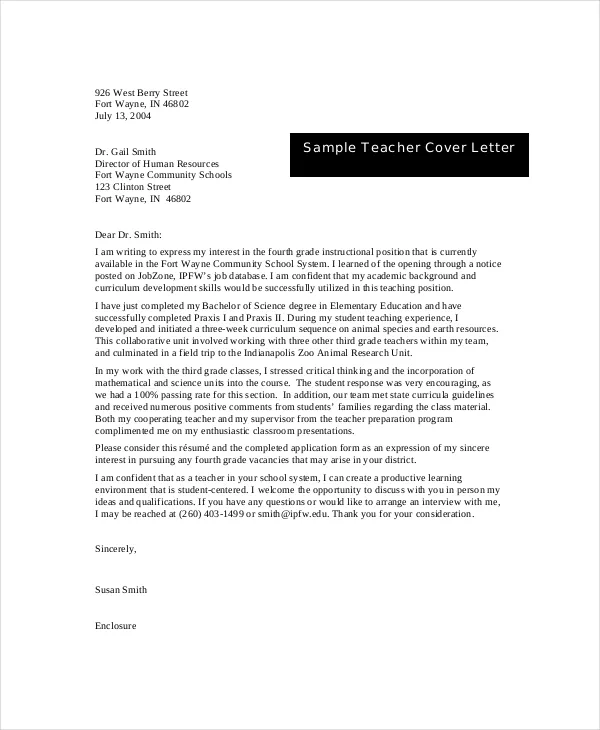
Why a Strong Kindergarten Cover Letter Matters
In the competitive world of education, a compelling kindergarten cover letter can be your golden ticket to landing your dream job. It’s not just a formality; it’s your first impression, your chance to shine, and an opportunity to showcase why you’re the perfect fit for the role. Think of it as your personal introduction, going beyond the details listed on your resume. A well-crafted cover letter tells a story, revealing your passion for teaching, your understanding of child development, and your ability to create a nurturing learning environment. With so many applicants vying for the same positions, a standout cover letter is crucial for making a memorable impression and securing an interview. It demonstrates your communication skills, your attention to detail, and your genuine interest in the specific school or district. When applying for a kindergarten teacher position, the cover letter is a key part of the application.
Key Components of a Kindergarten Cover Letter
Header and Contact Information

Start with a professional header that includes your full name, address, phone number, and email address. Ensure your email address is professional and easy to read. Include the date and the hiring manager’s name and title, if known. This attention to detail shows that you are organized and that you have taken the time to research the school and the specific person who will be reading your application. Proper formatting and a polished header set the tone for the entire letter, conveying professionalism and attention to detail. It helps the hiring manager quickly identify you and easily contact you. Remember to double-check all information for accuracy; a simple typo can undermine your credibility.
The Opening Paragraph Captivate Immediately
Your opening paragraph should grab the reader’s attention right away. Begin by stating the position you’re applying for and where you saw the job posting. Then, immediately highlight what makes you the ideal candidate. A strong opening conveys enthusiasm, briefly mentioning your key qualifications or a unique aspect of your teaching philosophy. Avoid generic phrases; instead, personalize the letter to the specific school and position. Share your excitement for the opportunity and briefly touch upon your understanding of the school’s mission or values. The goal is to make the hiring manager eager to learn more. Mention something specific that attracted you to the school or the position, such as their focus on early literacy or their commitment to inclusive education. This shows that you’ve done your homework and that you are genuinely interested in the opportunity. The opening is your first opportunity to wow, so make it count.
Highlighting Your Qualifications
This section is the heart of your cover letter. It’s where you showcase your skills, experience, and accomplishments. Tailor this section to match the specific requirements of the job description. Use keywords from the job posting to demonstrate that you understand the school’s needs and priorities. Provide specific examples of how you have demonstrated these skills in previous roles. Focus on what you can bring to the school, and how you can contribute to the children’s educational experience and development. Quantify your achievements whenever possible, such as the number of students you have successfully taught or the percentage improvement in a specific skill. This section is also a good place to mention any certifications or special training you have. Focus on what you can contribute to the school’s specific needs, mentioning their focus on early literacy or their commitment to inclusive education. Always show, don’t just tell.
Showcasing Relevant Experience

In this section, delve deeper into your previous teaching experiences. Highlight roles that are most relevant to the kindergarten position. Describe your responsibilities and accomplishments in each role, emphasizing how your experience aligns with the school’s needs and expectations. Focus on experiences that have equipped you with the skills and knowledge necessary to succeed in a kindergarten classroom. Provide concrete examples of successful projects, lesson plans, or classroom management techniques. Mention specific age groups you have worked with and how you adapted your teaching style. Explain how you’ve successfully created and maintained a positive, inclusive learning environment. When writing about your experiences, always use action verbs to illustrate your abilities.
Emphasizing Skills and Attributes
Identify the skills and attributes most crucial for kindergarten teachers. These could include classroom management, curriculum development, communication with parents, and a passion for early childhood education. Give concrete examples of how you have utilized these skills in previous teaching roles. For example, explain how you adapted your classroom management techniques to suit the unique needs of each child or the strategies you used to encourage parent involvement. Show the hiring manager that you are adaptable, creative, and a strong communicator. Highlight your ability to foster a nurturing and engaging learning environment, and explain how you tailor your teaching to meet individual student needs. Demonstrate your ability to create effective lesson plans, incorporating play-based learning, or using technology.
Demonstrating Passion for Early Childhood Education
This section is where your enthusiasm for teaching shines. It’s not just about your skills; it’s about your genuine love for working with young children. Share why you are passionate about kindergarten, and the impact you want to make in young lives. Show how you create a positive and encouraging learning environment. Discuss your teaching philosophy, and what you believe is essential for helping young children learn and grow. Demonstrate your commitment to the specific school’s mission or values, and explain how you would contribute to the school community. The hiring manager wants to see your energy and dedication. Expressing your passion will make you stand out from other candidates. Describe your ability to create a classroom where children feel safe, valued, and excited to learn. This will add a touch of personality to your cover letter.
Adding a Personal Touch

Adding a personal touch makes your cover letter more memorable. Share a brief anecdote or a personal story about your teaching experiences that showcase your personality and enthusiasm. This could be a story about a moment of success with a student, a challenging situation you overcame, or a memorable experience that shaped your teaching philosophy. Personal stories create a connection and help the hiring manager see you as an individual, not just another applicant. Ensure your personal story is appropriate for a professional context. It should show your values, skills, or dedication to education. Keep it brief, relevant, and focused on your strengths as a teacher.
Addressing Specific School Needs
Research the school and tailor your cover letter to its specific needs and values. Mention how your skills and experience align with the school’s mission and goals. If the school emphasizes a particular teaching method, such as Montessori or Reggio Emilia, highlight your experience or interest in these methods. If the school has a specific focus, such as arts integration or STEM, explain how you can contribute. Demonstrate your understanding of the school’s culture and your ability to fit in with the school community. This customization shows the hiring manager that you have done your homework and are genuinely interested in the specific opportunity. Demonstrate your alignment with the school’s goals. Always reference the school’s website to get this information.
The Closing and Call to Action
Your closing paragraph should reiterate your interest in the position and thank the hiring manager for their time and consideration. Reiterate your enthusiasm for the position and the opportunity to contribute to the school. Include a clear call to action, such as stating your availability for an interview. Make it easy for the hiring manager to contact you, by including your contact information. Be polite and professional. Your closing leaves the final impression, so make it positive and memorable. The closing paragraph is the final opportunity to show your interest. This is the moment to ensure the hiring manager knows you are ready to take the next step.
Proofreading and Formatting

Before submitting your cover letter, meticulously proofread it for any grammatical errors, typos, or inconsistencies. Errors can undermine your credibility and give the impression that you are not detail-oriented. Have a friend, family member, or career counselor review your cover letter to get a fresh perspective and catch any errors you may have missed. Pay attention to the formatting. Use a professional font, consistent margins, and appropriate spacing. Ensure the layout is easy to read and visually appealing. Proofreading is essential, and any mistakes can damage your chances of securing an interview. Always tailor the cover letter to the specific job and school. Avoid a generic cover letter, as it will not stand out to the hiring manager.
Common Mistakes to Avoid
Avoid common mistakes that could harm your application. Do not use generic language or phrases. Avoid simply restating your resume; instead, provide specific examples and elaborate on your experiences. Make sure your letter is not too long. Keep it concise and focused, highlighting only the most relevant information. Avoid spelling and grammar errors, as they demonstrate a lack of attention to detail. Ensure your letter is tailored to each specific job and school. Do not include negative information about past employers or experiences. Make sure your letter focuses on your strengths and accomplishments. When writing your cover letter, avoid clichés and jargon, and make sure your tone is enthusiastic and professional.
Using Action Verbs and Keywords
Action verbs and keywords are crucial for a compelling cover letter. Start each sentence with strong action verbs to describe your accomplishments and skills. This creates a dynamic and engaging narrative. Integrate relevant keywords from the job description to show that you meet the requirements. However, do not overstuff your letter with keywords; ensure they fit naturally within the context. Use action verbs to describe your responsibilities and achievements. Some examples are: created, developed, implemented, managed, and facilitated. Make sure your action verbs are relevant to the skills and experiences the school is looking for. The goal is to show the hiring manager you meet the needs of the position. Use keywords to create a cover letter that reflects your experience, expertise, and passion for teaching. This strategy boosts your chances of getting an interview.
Kindergarten Cover Letter Samples to Wow

Reviewing cover letter samples can provide inspiration and guidance. Look for samples that align with your skills and experience. Adapt the samples to reflect your individual qualifications, tailoring your language to the specific job description. Pay attention to the structure, formatting, and tone of successful cover letters. Note how they highlight the candidate’s skills, experiences, and passion for teaching. Remember that each cover letter should be unique and tailored to the specific school or district. Use samples to create your own compelling cover letter. A cover letter sample should not be copied and pasted; it should provide guidance and inspiration. Customizing your cover letter with information from the sample will get you noticed.