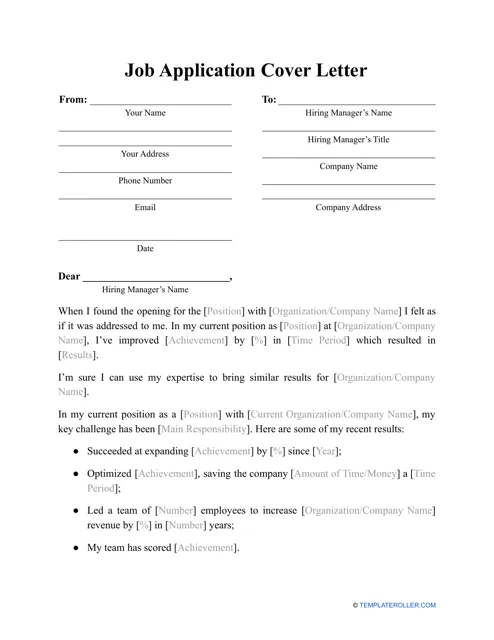
What is a Cover Letter?
A cover letter is a crucial document that accompanies your resume when applying for a job. Think of it as your first impression, a chance to introduce yourself to a potential employer and showcase why you’re the perfect fit for the role. Unlike a resume, which provides a factual summary of your skills and experience, a cover letter allows you to elaborate on your qualifications, express your interest in the specific position, and demonstrate your personality. It’s a personalized narrative that connects your background to the job requirements, making a compelling case for why you should be interviewed. A well-crafted cover letter can significantly increase your chances of landing an interview, setting you apart from other applicants and paving the way for your career aspirations. Therefore, it is not just a formality but a powerful tool in your job-seeking arsenal.
Purpose of a Cover Letter
The primary purpose of a cover letter is to persuade the hiring manager that you’re the right candidate for the job. It’s an opportunity to highlight your most relevant skills and experiences, demonstrating how they align with the job requirements and the company’s values. A cover letter allows you to explain any gaps in your employment history, showcase your enthusiasm for the specific role and company, and provide context to your resume. It also gives you a chance to convey your personality and communication style, which can be vital in certain industries. The cover letter should be tailored to each job application, reflecting a deep understanding of the company and the role. The ultimate goal is to secure an interview, where you can further elaborate on your qualifications and make a lasting impression. Consider it as your chance to tell your story.
Top 5 Cover Letter Secrets

Crafting a compelling cover letter can be challenging, but mastering a few key secrets can significantly improve your chances of success. These secrets go beyond simply listing your skills and experiences; they involve strategic approaches to capture the hiring manager’s attention and make a memorable impression. By understanding these tips and implementing them into your own application, you can set yourself apart from other applicants and increase the likelihood of landing an interview. Let’s uncover the secrets that will help you to make a powerful and memorable first impression.
Highlight Your Skills and Experience
One of the most important secrets is to showcase your skills and experience in a way that directly relates to the job requirements. Review the job description carefully and identify the key skills and qualifications the employer is seeking. Then, in your cover letter, provide specific examples of how you have demonstrated these skills in your past roles. This could involve describing a project you managed, a problem you solved, or a goal you achieved. Quantify your accomplishments whenever possible by using numbers and data to illustrate your impact. Use action verbs to begin each sentence, illustrating your capability and experience. Tailoring your examples to each job application shows that you understand the employer’s needs and that you possess the abilities to meet them.
Research the Company
Demonstrating that you’ve researched the company is a powerful way to show your genuine interest in the position and the organization. Before writing your cover letter, take the time to learn about the company’s mission, values, recent projects, and industry standing. This information will not only help you tailor your letter to the specific company but also allow you to highlight how your skills and experiences align with their goals. Mentioning specific aspects of the company’s work that resonate with you, or referencing their recent achievements, can demonstrate your genuine interest and initiative. This research shows the hiring manager that you are invested in their business, which makes a positive impression.
Customize Your Letter

Avoid sending generic cover letters. Customization is critical for making your application stand out. Take the time to tailor each letter to the specific job and company, rather than using a one-size-fits-all approach. Address the hiring manager by name, if possible, and clearly state the position you are applying for. Personalize your letter by referencing specific aspects of the job description, company culture, or recent news. Tailoring demonstrates that you’ve put in the effort to understand the role and the company. This effort can dramatically increase your chances of getting noticed. Customizing your cover letter indicates genuine interest and professionalism.
Proofread and Edit
Proofreading and editing your cover letter is non-negotiable. Errors, typos, and grammatical mistakes can create a negative impression and undermine your credibility, even if your qualifications are stellar. Before submitting your letter, carefully review it for any errors. Use a grammar checker, and better yet, have someone else proofread it for you, as a fresh pair of eyes can often catch mistakes that you might miss. Check for clarity, flow, and overall effectiveness. Ensuring your cover letter is polished, professional, and error-free is one of the easiest ways to make a positive impression. A well-edited letter demonstrates attention to detail, which is a valuable asset in any role.
Use a Professional Tone
Maintain a professional tone throughout your cover letter. Your writing style should reflect your professionalism and respect for the opportunity. Avoid using overly casual language, slang, or jargon. Be clear, concise, and respectful in your communication. Choose a tone that aligns with the company culture. It’s best to err on the side of formality. Use proper grammar and punctuation, and make sure your writing is easy to read. A professional tone demonstrates your seriousness about the job and your ability to communicate effectively in a workplace environment. A well-written, professional cover letter can make a lasting positive impression on potential employers.
Cover Letter Format Tips

Proper formatting enhances the readability and professionalism of your cover letter. Follow these tips to ensure your letter looks neat and easy to read. Use a standard font, such as Times New Roman, Arial, or Calibri, with a font size between 10 and 12 points. Make use of ample white space, including margins of at least one inch on all sides, to avoid a cluttered appearance. Align your text to the left, and avoid using justified text, as it can make the text look crowded. Break up large blocks of text into shorter paragraphs, each focusing on a specific idea. Consistency in formatting helps to create a professional and polished look, making your cover letter a pleasure to read.
Contact Information
Include your full name, address, phone number, and professional email address at the top of your cover letter. Ensure this information is accurate and up-to-date. This allows the employer to easily contact you if they are interested in scheduling an interview. Make sure your email address is professional-sounding, and not something casual or outdated. Consistency in your contact information ensures that employers can easily reach out to you to discuss job opportunities.
Salutation
Address the hiring manager by name if possible. Research the company website, LinkedIn, or other sources to find the name of the person who will be reviewing applications. If you can’t find a specific name, use a general greeting such as “Dear Hiring Manager” or “Dear [Department Name] Team.” Avoid generic salutations like “To Whom It May Concern.” A personalized salutation indicates that you have done your research and that you are paying attention to detail. This small gesture can set you apart from other candidates and demonstrate your professionalism.
Body Paragraphs

The body of your cover letter is where you highlight your qualifications and demonstrate your interest in the job. Start with a brief introductory paragraph that states the position you’re applying for and how you learned about the opportunity. In the following paragraphs, describe your relevant skills and experiences, providing specific examples to show how you’ve excelled in past roles. Tailor your examples to the job description, focusing on the skills and experiences that the employer is seeking. Conclude with a brief paragraph that reiterates your interest and expresses your eagerness to learn more about the role. Make sure each paragraph is focused, concise, and easy to read, with clear and compelling sentences. This way, you make the most of each part of your letter.
Closing and Signature
Close your cover letter with a professional closing, such as “Sincerely,” “Best regards,” or “Respectfully.” Then, type your full name below the closing. If you’re submitting a physical copy, you can sign your name above your typed name. This final step reinforces your professionalism and helps leave a memorable impression. Remember to thank the hiring manager for their time and consideration, which shows your appreciation for the opportunity. This demonstrates your professionalism and respect.