What is a Cover Letter
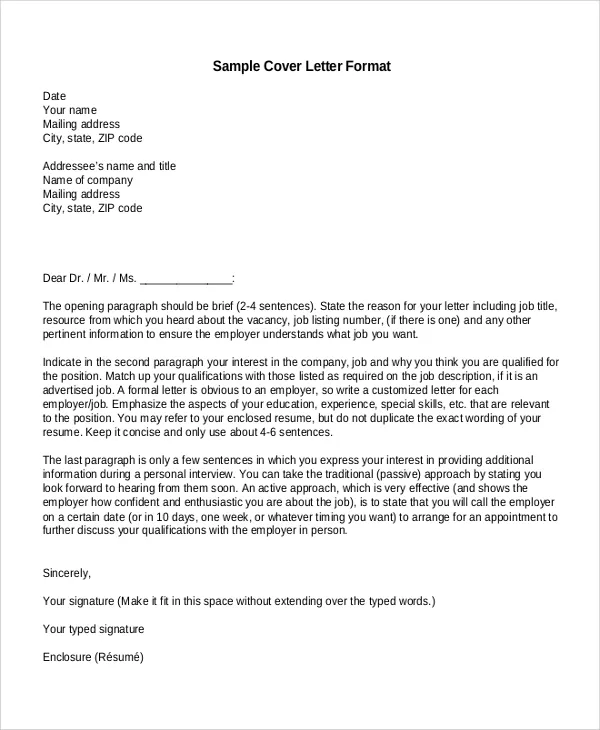
A cover letter is a crucial document that accompanies your resume when you apply for a job. It serves as an introduction to your qualifications and expresses your interest in the specific position and the company. Unlike your resume, which provides a factual summary of your skills and experience, a cover letter allows you to personalize your application and demonstrate your personality, communication skills, and understanding of the job requirements. It’s an opportunity to connect with the hiring manager on a more personal level and make a strong first impression. A well-written cover letter can significantly increase your chances of getting noticed and securing an interview, making it an essential component of any job application strategy.
The Purpose of a Cover Letter
The primary purpose of a cover letter is to introduce you to a potential employer and highlight why you are a suitable candidate for a specific role. It provides context to your resume, allowing you to elaborate on your skills, experiences, and achievements. A cover letter enables you to tailor your application to the specific requirements of the job description, demonstrating that you’ve carefully considered the role and are genuinely interested in the opportunity. It also offers a space to express your enthusiasm for the company and explain why you are a good fit for their culture. The best cover letters clearly articulate your career goals, showcasing how the position aligns with your aspirations and what you can bring to the organization. The purpose is to grab the attention of the hiring manager and compel them to read your resume.
Why is a Cover Letter Important

A cover letter is important because it gives you the opportunity to showcase your writing and communication skills, which are essential for many jobs. It allows you to explain any gaps in your resume or provide additional context for your experiences. Furthermore, it enables you to express your passion for the role and the company, something your resume cannot always convey. A cover letter can also help differentiate you from other applicants by highlighting your unique skills and qualifications that align with the job requirements. Many hiring managers consider a cover letter as an integral part of the application package, and a missing or poorly written cover letter could result in your application being overlooked. In competitive job markets, a well-crafted cover letter can make all the difference in securing an interview.
Key Elements of a Cover Letter
A successful cover letter includes several key elements that work together to create a compelling narrative. These elements should be carefully considered and tailored to each job application to ensure the letter is impactful and professional. From the opening salutation to the closing, each section plays a vital role in conveying your qualifications, enthusiasm, and suitability for the role. By including all these elements, you significantly increase the chances of your application standing out.
Contact Information
Begin your cover letter with your contact information, typically located at the top of the page. This includes your full name, address, phone number, and email address. Ensure that your email address is professional. The goal is to make it easy for the hiring manager to reach you if they are interested in scheduling an interview or need further information. Including your LinkedIn profile URL is also common. This allows the hiring manager to quickly view your professional background in more detail. Accurate and up-to-date contact information is crucial; always double-check for any errors before submitting your cover letter.
Date
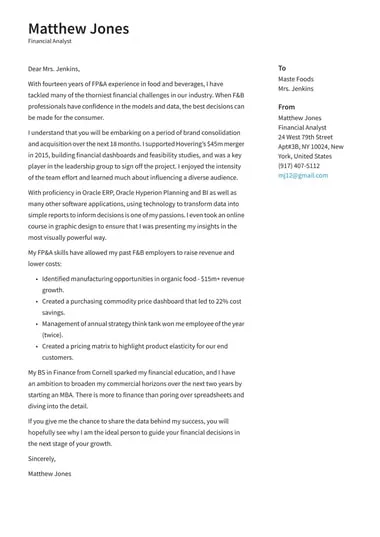
Beneath your contact information, include the date on which you are writing the cover letter. This is important for record-keeping purposes and provides context for the letter’s timeliness. Typically, the date is formatted consistently with the other elements in your heading, often aligned to the left or right side of the page. Ensure the date format (month/day/year or day/month/year) is appropriate for the region where you are applying. Including the date adds a layer of professionalism and ensures the employer knows when the letter was written.
Recipient Information
Addressing your cover letter to the hiring manager by name significantly increases its impact. Research the company to find out who the hiring manager is for the specific position you are applying for. If you are unable to determine a specific name, you can use a title, such as “Hiring Manager” or “Recruiting Team.” Addressing the recipient by name personalizes your application and demonstrates that you have taken the time to research the company and position. Make sure you spell the name of the recipient correctly. This is also an indication of your attention to detail and professionalism.
Salutation
The salutation sets the tone for your cover letter. The most professional and recommended salutation is “Dear [Mr./Ms./Mx. Last Name],” where you use the hiring manager’s last name. If you don’t know the name, use “Dear Hiring Manager” or “Dear [Department Name] Team.” Avoid generic greetings like “To Whom It May Concern,” as they can make your letter seem impersonal. Ensure that you use a comma after the salutation to maintain a professional tone. The choice of salutation will greatly affect the impact of your cover letter. A personalized salutation makes a strong first impression.
Body Paragraphs

The body paragraphs are the heart of your cover letter, where you communicate your key qualifications, skills, and enthusiasm for the position. This section should be divided into three or four paragraphs, each focusing on a specific aspect of your candidacy. The goal is to make a concise and compelling argument why you are the best fit for the role. Structure is crucial. Each paragraph should have a clear purpose and connect logically to the previous and subsequent paragraphs. It is important to tailor each body paragraph to align with the job requirements and the company’s values.
First Paragraph Grab Attention
The first paragraph should immediately grab the reader’s attention. Start by clearly stating the position you are applying for and where you saw the job posting. Briefly mention why you are interested in the role and the company. If possible, reference something specific that sparked your interest, such as a company project, initiative, or the company’s mission. Show your enthusiasm and highlight your most relevant qualifications or a key achievement that makes you stand out. A strong opening paragraph will immediately draw the reader into your letter and encourage them to continue reading.
Second Paragraph Highlight Skills
In the second paragraph, focus on highlighting your skills and experiences relevant to the job description. This is where you connect your qualifications with the specific requirements of the position. Provide concrete examples of your achievements, using the STAR method (Situation, Task, Action, Result) to demonstrate your skills in action. Quantify your accomplishments whenever possible. For instance, state how you increased sales by a certain percentage or reduced costs by a specific amount. Customize this paragraph to address the key skills and experiences the employer is seeking. This ensures that you address their needs and show you are capable of fulfilling the job responsibilities.
Third Paragraph Express Enthusiasm

Use the third paragraph to express your enthusiasm for the company and explain why you want to work there. Research the company’s values, mission, and culture, and explain how your career goals align with their objectives. Mention something specific that resonates with you about the company or the role. This shows the hiring manager that you have a genuine interest in the organization and are not simply applying for any job. This paragraph can be where you briefly mention any company projects or initiatives that excite you. Expressing your enthusiasm helps you stand out from other candidates.
Closing Paragraph Call to Action
The closing paragraph should summarize your interest in the position and reiterate your qualifications. Express your gratitude for the hiring manager’s time and consideration. End with a clear call to action, such as expressing your eagerness to discuss your application further and your availability for an interview. Provide your contact information again or direct them to your contact information. This ensures you leave the hiring manager with a positive and proactive impression. A well-crafted closing paragraph will leave a lasting impression on the hiring manager and increase your chances of being considered.
Closing
End your cover letter with a professional closing. The most common and appropriate closing is “Sincerely,” “Best regards,” or “Respectfully,” followed by a comma. Leave a few lines of space for your signature if you are submitting a physical copy of the letter. Then, type your full name below the closing. Maintain a consistent professional tone throughout the closing. The closing serves as the final impression of your professionalism and attention to detail.
Format and Style Guide

The format and style of your cover letter are essential for making a good impression. A well-formatted letter looks professional and is easy to read, while a poorly formatted letter can reflect negatively on your attention to detail. Adhering to formatting guidelines helps the reader focus on the content of your letter and ensures it is easy to navigate. Maintain a professional tone and use language that is both clear and concise throughout the document. Make sure the formatting is consistent across all sections of your cover letter.
Font Selection
Select a professional and easy-to-read font for your cover letter. Recommended fonts include Times New Roman, Arial, Calibri, or Helvetica. Avoid using overly decorative or unconventional fonts, which can be distracting or unprofessional. The font should be consistent throughout the entire letter. The choice of font should reflect professionalism and clarity. Ensure that the font size is legible for the reader. This is a critical component of overall presentation.
Font Size and Spacing
Use a font size between 10 and 12 points for the body of your cover letter. Maintain consistent spacing throughout the document, typically single-spaced with a double space between paragraphs. This makes the letter easy to read and visually appealing. Avoid cramped spacing, as it can make your letter appear cluttered. Adjust the spacing between the date, recipient information, and salutation to maintain a clean look. Proper spacing and font size ensure that your cover letter is easy to read and professional in appearance.
File Format

Save your cover letter as a PDF file. This ensures that your formatting remains consistent across different devices and operating systems. PDFs are universally compatible, preserving the layout and ensuring that the hiring manager sees your letter as you intended. Avoid sending your cover letter in a .doc or .docx format unless the employer specifically requests it. Ensure that the file name is professional and includes your name and the job title (e.g., “Your Name_Cover Letter_Job Title.pdf”).
Proofreading and Editing
Proofreading and editing are crucial steps in ensuring your cover letter is polished, professional, and error-free. Thoroughly review your cover letter for any grammatical errors, spelling mistakes, and typos. A cover letter riddled with errors can undermine your credibility and make a negative impression. Always read your letter aloud, as this often helps you catch mistakes that you might miss when reading silently. Proofread multiple times. Consider using grammar-checking software. Asking a friend, family member, or career counselor to review your letter can provide a fresh perspective and help you identify any areas for improvement. A well-proofread cover letter demonstrates your attention to detail and commitment to excellence.
Common Mistakes to Avoid
There are several common mistakes to avoid when writing a cover letter. Avoid generic, one-size-fits-all letters that don’t address the specific job requirements. Do not simply reiterate your resume; instead, elaborate on your experiences and qualifications. Avoid using jargon or overly complex language. Make sure your cover letter is not too long. Keep it concise and to the point, ideally within one page. Do not include negative information or criticisms about previous employers or experiences. Avoid exaggerating your qualifications or lying. Failing to proofread your cover letter can lead to embarrassing errors. These mistakes can undermine your chances of landing an interview.
Using Action Verbs
Incorporate action verbs to make your cover letter more engaging and impactful. Action verbs help you clearly communicate your accomplishments and experiences. Start sentences with verbs that describe what you did and what results you achieved. Some examples of effective action verbs include “Managed,” “Led,” “Developed,” “Implemented,” “Achieved,” and “Increased.” Using strong action verbs enhances the readability and makes your accomplishments stand out. This gives your cover letter a dynamic and compelling tone, and it makes it more engaging for the hiring manager. By using action verbs, you can showcase your skills and experience in a way that grabs the attention of the reader.
Customizing for Each Application
Customizing your cover letter for each job application is essential for demonstrating your genuine interest and suitability for the specific role. Review the job description carefully and tailor your cover letter to address the requirements. Highlight the skills and experiences that align with the job requirements, providing concrete examples of your accomplishments. Research the company and address your letter to the hiring manager by name. Express your enthusiasm for the company and explain why you are a good fit for their culture. When you show you have taken the time to adapt your cover letter, you demonstrate a higher level of interest and make it more likely that your application will stand out from the competition. Customize each letter to reflect the specific job and company.