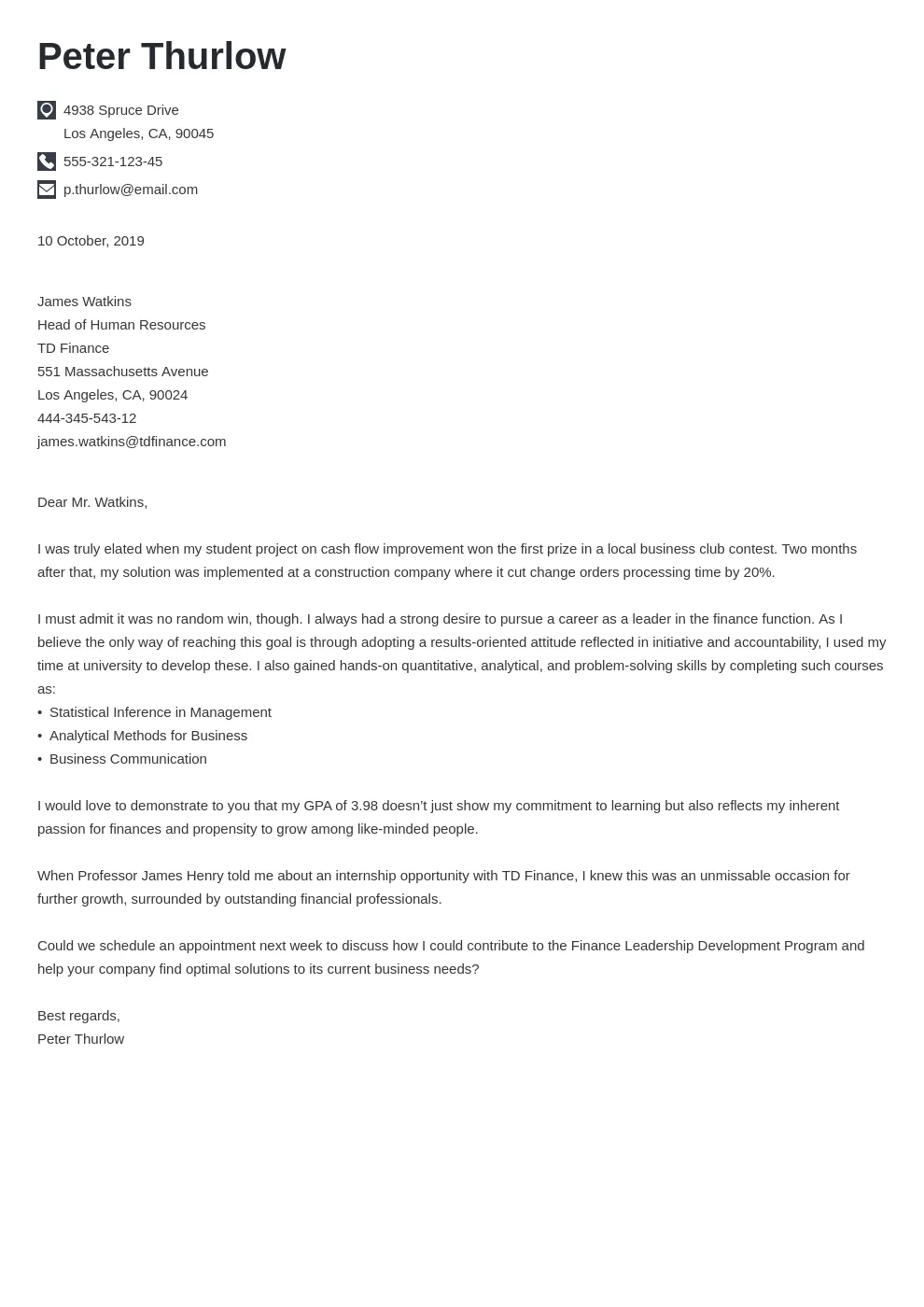
Crafting a Standout Intern Cover Letter
Landing an internship is a significant step towards building your career, and a well-crafted cover letter is your key to unlocking the door. It’s your chance to go beyond the confines of your resume and showcase your personality, enthusiasm, and suitability for the role. In a competitive job market, a generic cover letter simply won’t cut it. This guide provides you with the essential strategies and insights to create a cover letter that grabs attention and leaves a lasting impression. We’ll delve into every aspect, from understanding the purpose of a cover letter to avoiding common pitfalls, ensuring your application stands out from the crowd.
Understanding the Purpose of a Cover Letter
Before diving into the specifics, it’s crucial to understand why a cover letter is so important. It’s not just a formality; it’s a strategic tool that can make or break your application. A well-written cover letter demonstrates your genuine interest in the position and the company, giving you a platform to introduce yourself and your experiences. It’s an opportunity to connect with the hiring manager on a more personal level, setting the tone for your application and potentially influencing their decision.
Why a Cover Letter Matters

A cover letter provides context to your resume, filling in any gaps and emphasizing your relevant skills. It allows you to tell a compelling story about yourself, highlighting how your unique background aligns with the internship’s requirements. It is a way to illustrate your communication skills, personality, and cultural fit within the company. In many cases, a cover letter can be the deciding factor between two similarly qualified candidates.
Key Elements to Include
Your cover letter should include a clear introduction, highlighting your interest and where you found the opportunity. Detail your relevant skills and experiences, providing specific examples of your accomplishments. Express your understanding of the company and the role, showcasing your research and enthusiasm. Conclude with a call to action, expressing your eagerness to learn more and follow up. Each of these elements is critical to creating a comprehensive and impactful cover letter. Remember to always tailor these to each specific application.
Highlighting Relevant Skills and Experiences
Your cover letter is where you can shine. This is the place to highlight your skills and experiences that align with the internship requirements. Instead of simply listing your qualifications, provide specific examples. This will demonstrate your capabilities. Whenever possible, quantify your accomplishments. For instance, if you improved a process, state the percentage by which you improved it, or the impact it had on the team. Furthermore, you can link skills to any specific tasks that you accomplished.
Formatting Your Cover Letter for Impact

The format of your cover letter is the first impression. A well-formatted cover letter is easy to read and professional. Ensure your layout, font choices, and overall structure reflect your attention to detail. When you spend some time ensuring your formatting is correct, you are showing the hiring manager that you care about the role and have given consideration to every aspect of your application. Follow these guidelines to format your cover letter to have the best impact.
Choosing the Right Font and Layout
Choose a professional font like Times New Roman, Arial, or Calibri, with a font size between 11 and 12 points for readability. Maintain consistent formatting throughout your cover letter. Use clear headings and bullet points to break up large blocks of text, making it easier for the reader to scan and grasp the essential information. A clean layout with ample white space enhances readability and conveys professionalism.
Proper Addressing and Salutations
Always address the hiring manager by name, if possible. Research the company and the hiring manager on LinkedIn or the company website. Addressing the hiring manager by name shows initiative and attention to detail. Use a professional salutation such as “Dear Mr./Ms./Mx. [Last Name]”. Avoid generic greetings like “To Whom It May Concern,” as they make your letter feel impersonal. If you cannot find a name, then it is permissible to use “Dear Hiring Manager”.
Structuring Your Letter for Maximum Engagement

Structure your cover letter with a clear opening, body paragraphs, and a strong conclusion. Each section should serve a specific purpose. The opening paragraph should grab the reader’s attention and state your purpose. The body paragraphs should showcase your qualifications and experiences. The conclusion should reiterate your interest and include a call to action.
The Opening Paragraph: Making a Strong First Impression
Your opening paragraph is your elevator pitch. Start by stating the position you are applying for and where you found the opportunity. Immediately capture the reader’s attention by expressing your enthusiasm for the company and the role. You can mention a specific project or company value that resonates with you. Always tailor the opening to each role by demonstrating a clear understanding of the company’s mission and culture.
Body Paragraphs: Showcasing Your Qualifications
The body paragraphs are where you highlight your relevant skills and experiences. Provide specific examples of your achievements, using the STAR method (Situation, Task, Action, Result) to illustrate your abilities. Explain how your skills align with the internship’s requirements. Quantify your accomplishments whenever possible to showcase your impact. Structure these paragraphs logically, focusing on the most important qualifications first.
The Closing Paragraph: Call to Action and Thank You

In your closing paragraph, reiterate your interest in the internship and express your enthusiasm for the opportunity to contribute to the company. Include a call to action, such as requesting an interview or expressing your willingness to provide additional information. Thank the hiring manager for their time and consideration. End with a professional closing, such as “Sincerely” or “Best regards,” followed by your name and contact information.
Showcasing Your Personality and Enthusiasm
Your cover letter isn’t just a summary of your skills; it’s also an opportunity to showcase your personality and genuine enthusiasm for the internship. Let your passion shine through by demonstrating your knowledge of the company and role. Infuse your writing with power words and action verbs to make your letter more engaging. This will help you stand out from other applicants and demonstrate your excitement for the opportunity.
Demonstrating Your Research on the Company
Before you start writing, thoroughly research the company and the specific internship role. Understand the company’s mission, values, recent projects, and industry standing. In your cover letter, mention specific aspects of the company that resonate with you. This demonstrates your genuine interest and proactive approach. Tailor your cover letter to each company, showing that you understand their unique culture.
Expressing Your Passion for the Internship

Show your enthusiasm by expressing your interest in the specific internship role. Explain why you are drawn to the role and what you hope to gain from the experience. Describe what you find exciting about the opportunity. This could be the projects you will be working on, the skills you’ll develop, or the impact you hope to make. Let your genuine interest shine through to make a memorable impression.
Using Power Words and Action Verbs
Use power words and action verbs to make your cover letter more dynamic and engaging. Replace generic words with strong action verbs that highlight your accomplishments and skills. For example, instead of saying “I worked on,” use words like “managed,” “implemented,” “created,” or “developed.” Power words such as “achieved,” “innovated,” “transformed,” and “spearheaded” can add impact to your accomplishments. These words make your letter more compelling and memorable.
Avoiding Common Mistakes in Cover Letters
Even the most qualified candidates can miss out on an internship due to errors in their cover letter. Being aware of the most common mistakes and taking steps to avoid them will greatly increase your chances of success. Pay close attention to your wording, and the information you include. Avoid the pitfalls that can undermine your application.
Typos and Grammatical Errors

Typos and grammatical errors create a negative impression, making you appear careless and unprofessional. Always proofread your cover letter carefully. Use a spell checker and grammar checker to catch any errors. It’s also beneficial to have a friend or family member review your letter to catch any mistakes you might have missed.
Generic and Uninspired Content
Avoid using a generic template or recycled content. Tailor each cover letter to the specific internship and company. Research the company and role, and then customize your letter to reflect your unique understanding and enthusiasm. Show, don’t tell, by providing specific examples of your achievements. Demonstrate your knowledge of the company, role, and industry.
Focusing on Yourself Too Much
While it’s important to highlight your skills and experiences, avoid making your cover letter overly self-centered. Focus on how you can contribute to the company’s goals. Demonstrate how your skills align with the company’s needs and how you can make a positive impact. Emphasize what you can offer and the value you bring to the team.
Proofreading and Editing Your Cover Letter
Proofreading and editing are essential steps to ensure your cover letter is polished and professional. Take the time to review your cover letter carefully. Utilize proofreading tools and services and seek feedback from others. A well-proofread cover letter reflects your attention to detail and increases your chances of success. This will also prevent a negative impression.
Utilizing Proofreading Tools and Services
Use online proofreading tools such as Grammarly or ProWritingAid to check your grammar, spelling, and style. These tools can help identify errors and provide suggestions for improvement. Use these tools in conjunction with manual proofreading to ensure your letter is as polished as possible. These tools will catch mistakes that you might miss.
Seeking Feedback from Others
Ask friends, family members, or career advisors to review your cover letter. Fresh eyes can often catch errors and provide valuable feedback. Ask them to look for clarity, flow, and overall impact. Take their suggestions into consideration and revise your cover letter accordingly. Getting an outside perspective will make your letter better.
Final Checklist Before Submitting
Before you submit your cover letter, go through a final checklist. Ensure that the letter is properly formatted, free of errors, and tailored to the specific internship. Review your contact information and confirm it’s correct. Double-check that you have attached your resume. If you have these items in order, your chances of success will be greatly increased.
Tailoring Your Cover Letter to Specific Internships
A generic cover letter won’t get you far. Customizing your cover letter for each internship you apply for is essential. This shows the hiring manager that you’ve done your research and are genuinely interested in their specific opportunity. By tailoring your cover letter, you’ll demonstrate your understanding of the role, the company, and the industry.
Customizing for Different Companies and Roles
Adapt your cover letter to each company and role. Start by researching the company’s values, mission, and culture. Then, review the job description carefully. Highlight the skills and experiences that are most relevant to the specific internship. Tailor your language and tone to match the company’s brand. Customizing your cover letter makes a great first impression.
Referencing the Job Description and Requirements
Carefully review the job description and identify the key requirements. In your cover letter, address each of these requirements directly. Provide examples of how you meet those requirements, using your skills and experiences. Use keywords from the job description to make your application more easily searchable by applicant tracking systems. Referencing the job description will show that you have carefully considered the role, and you have the experience to perform.
By following these guidelines, you can craft an outstanding intern cover letter that highlights your skills, demonstrates your enthusiasm, and increases your chances of landing your dream internship. Take the time to create a standout cover letter and let your effort pay off. Good luck with your applications!