Highlighting Relevant Skills and Experience
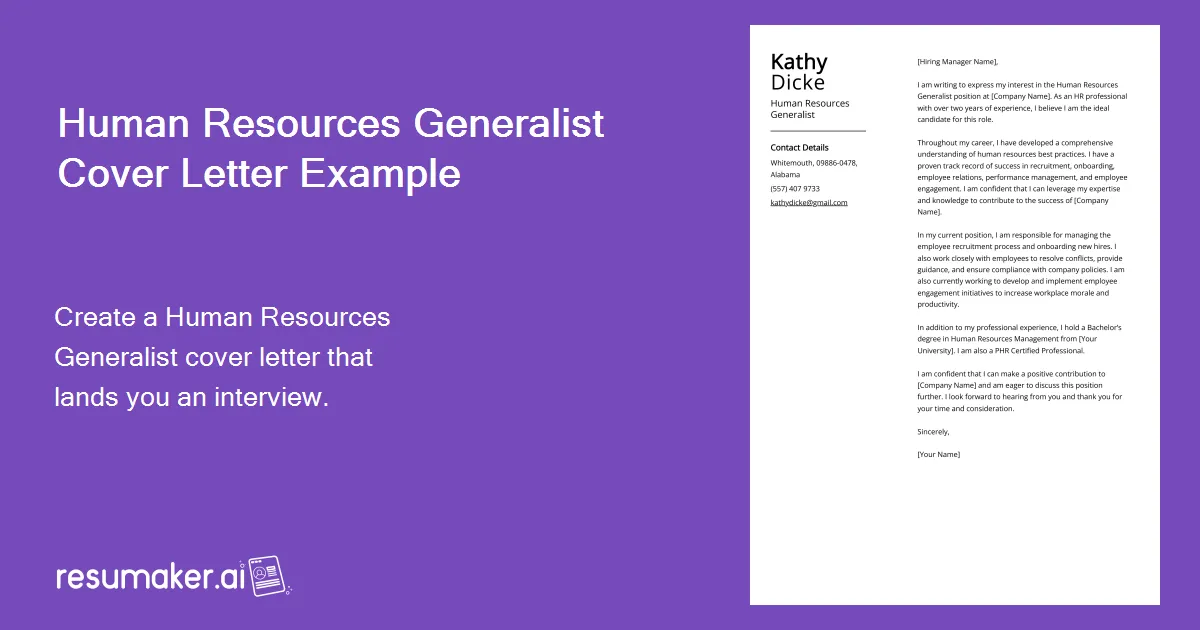
A strong HR Generalist cover letter is your first impression. It’s your opportunity to showcase why you’re the perfect fit for the role. Start by clearly stating the position you’re applying for and where you saw the advertisement. Then, immediately highlight the skills and experience that directly align with the job description. Think of it as a snapshot of your qualifications, grabbing the hiring manager’s attention from the get-go. This initial section sets the tone, signaling whether you understand the role’s requirements and possess the necessary capabilities to excel.
Identifying Key HR Generalist Skills
HR Generalists wear many hats, so your cover letter needs to reflect that. Identify the key skills most relevant to the specific job. These often include employee relations, recruitment, onboarding, performance management, compensation and benefits, and HRIS proficiency. Don’t just list skills; provide brief examples of how you’ve utilized them. For instance, instead of just stating “recruitment”, you could mention “successfully managed the full recruitment cycle for 20+ positions, reducing time-to-hire by 15%.”
Demonstrating Experience in HR Functions

Hiring managers want to see evidence of your experience. Describe specific HR functions you’ve handled. This is your chance to prove you can go beyond simply knowing the theory. Detail your experience with employee investigations, disciplinary actions, or creating and implementing HR policies. For example, you might say, “Developed and implemented a new performance review system that improved employee engagement scores by 10%.” These tangible examples are far more compelling than generic statements.
Tailoring Your Cover Letter to the Job Description
One-size-fits-all cover letters rarely impress. Tailoring your letter to each job application is crucial. This shows you’ve taken the time to understand the specific needs of the role and the company. Customization demonstrates genuine interest and increases your chances of being selected for an interview. Always refer to the job description and address the specific requirements outlined. This shows you’ve understood the job’s expectations.
Analyzing the Job Posting for Keywords
Carefully analyze the job posting to identify essential keywords. These are often the skills, software, or experience the employer is looking for. Integrate these keywords naturally throughout your cover letter. This helps your application get noticed by applicant tracking systems (ATS) and also signals to the hiring manager that you possess the required qualifications. Don’t stuff keywords in unnaturally; use them in context within your sentences.
Customizing Your Letter to Match Requirements

Once you’ve identified the keywords, customize your cover letter to directly address the requirements. If the job posting emphasizes experience with a specific HRIS system, make sure to mention your proficiency with that system and provide relevant examples. If the role requires experience in a particular industry, highlight any experience you have within that industry. This level of customization shows you’ve carefully considered the employer’s needs and are confident in your ability to meet them.
Structuring Your Cover Letter Effectively
A well-structured cover letter is easy to read and highlights your most relevant qualifications. Use a clear and concise format with distinct sections. Keep your letter to one page, using a professional font and appropriate margins. Ensure the formatting is consistent throughout the document. This structured approach helps the hiring manager quickly grasp your key strengths and experience.
Crafting a Compelling Opening
The opening paragraph is your first chance to grab attention. Start by stating the position you’re applying for and where you saw the job posting. Then, immediately follow with a concise and compelling statement summarizing your key qualifications. Consider mentioning a significant achievement or skill that aligns with the job requirements. The goal is to make the hiring manager want to read more. Avoid generic openings; instead, personalize it to show genuine interest in the company and the role.
Presenting Your Value Proposition

In the body of your cover letter, present your value proposition. This is where you elaborate on your skills and experience, providing specific examples of your accomplishments. Focus on what you can offer the company, highlighting how your skills align with the job description. Quantify your achievements whenever possible. For example, rather than saying “improved employee morale”, say “improved employee morale by 20% through the implementation of a new recognition program.” This is where you showcase your unique contributions.
Writing a Strong Closing
Your closing paragraph should reinforce your interest in the position and the company. Reiterate your enthusiasm and thank the hiring manager for their time and consideration. Include a call to action, such as “I am eager to discuss my qualifications further in an interview.” Be sure to include your contact information. A well-crafted closing leaves a lasting positive impression and encourages the hiring manager to take the next step.
Using Action Verbs to Showcase Achievements
Action verbs breathe life into your cover letter, making your accomplishments sound more dynamic and impactful. Start your sentences with strong action verbs to describe your responsibilities and achievements. Examples include “managed”, “implemented”, “developed”, “led”, “improved”, “negotiated”, and “trained”. This approach makes your cover letter more engaging and highlights your proactive approach. It allows you to show rather than just tell what you have done.
Quantifying Your Accomplishments

Whenever possible, quantify your accomplishments with data and metrics. Numbers provide concrete evidence of your success. Instead of saying “improved employee satisfaction”, say “increased employee satisfaction scores by 15%.” Quantifying your achievements demonstrates the tangible impact you’ve made in previous roles. Use data to showcase your ability to drive results. Numbers are powerful and make your claims more credible.
Providing Specific Examples of Success
Generic statements are easily overlooked. Provide specific examples of how you’ve achieved success in previous roles. Use the STAR method (Situation, Task, Action, Result) to structure your examples. Briefly describe the situation, the task you were assigned, the actions you took, and the results you achieved. This framework allows you to paint a clear picture of your capabilities and demonstrate your problem-solving skills. Specific examples leave a lasting impression.
Avoiding Common Cover Letter Mistakes
Several common mistakes can undermine your cover letter. Avoid typos and grammatical errors by carefully proofreading your letter. Don’t use a generic template; customize your letter for each job application. Avoid being too vague; provide concrete examples. Don’t exceed one page in length. Avoid negative language or complaining about past employers. Ensure the tone of your letter is professional and enthusiastic.
Proofreading and Editing Your Letter
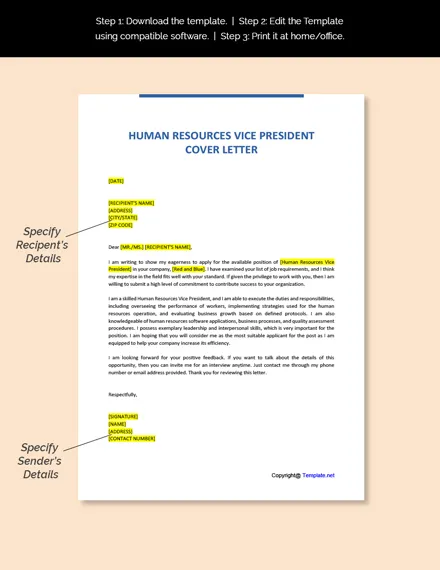
Proofreading is an essential step in the cover letter writing process. Typos and grammatical errors can undermine your credibility and make you appear unprofessional. Always proofread your cover letter carefully, and consider having someone else review it as well. Pay close attention to spelling, grammar, punctuation, and sentence structure. A polished cover letter demonstrates attention to detail.
Keeping It Concise and Professional
Keep your cover letter concise and professional. Hiring managers are busy and don’t have time to read lengthy documents. Aim for one page, and focus on the most relevant information. Use a professional font and formatting. Maintain a positive and enthusiastic tone throughout your letter. A well-crafted, concise cover letter is more likely to make a strong impression.