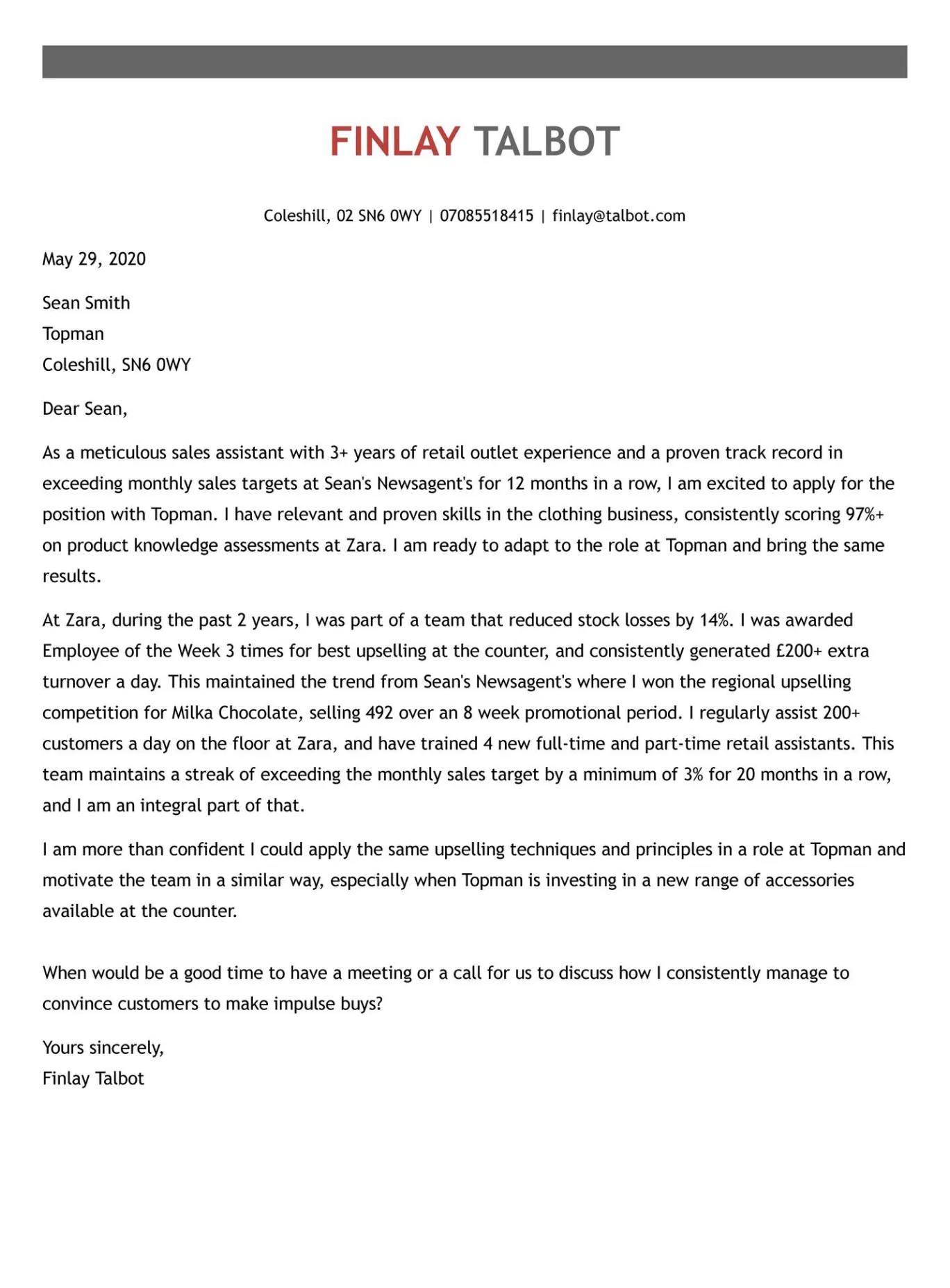
Understand the Cover Letter’s Purpose
A cover letter is your first opportunity to make a strong impression on a potential employer. It’s your chance to introduce yourself, showcase your qualifications, and express your interest in a specific job. Unlike a resume, which provides a factual overview of your experience, a cover letter allows you to tell a story, demonstrating how your skills and experiences align with the needs of the role and the company. It serves as a personalized introduction that highlights your unique value proposition. Effectively written cover letters go beyond simply repeating information found in your resume; they elaborate on your achievements, explain career changes, and illustrate your personality and enthusiasm. This document is a critical component of your application, helping to set you apart from other candidates and potentially securing you an interview.
Why is a Cover Letter Important?
The cover letter is important because it gives context to your resume and makes your application more personal. It provides a platform to address any potential gaps in your resume, such as career changes or periods of unemployment, allowing you to frame them positively. This is a way to show the hiring manager why you are the best fit for the job, and to express your personality. Many employers view a cover letter as a test of your communication skills, attention to detail, and understanding of the job requirements. A well-crafted cover letter can significantly increase your chances of landing an interview, as it allows you to make a strong initial impression. Furthermore, a cover letter shows that you have taken the time to research the company and understand the role, demonstrating genuine interest, which is very important.
Crafting a Compelling Cover Letter

Crafting a compelling cover letter involves several key strategies to make it stand out and capture the reader’s attention. The goal is to showcase your personality and professionalism while staying concise and targeted to the specific job. Your cover letter should be more than a simple summary of your resume; it’s an opportunity to tell a story. Use clear and concise language, avoid jargon, and focus on what you can offer the employer. A well-written cover letter will demonstrate your communication skills, your understanding of the role, and your genuine enthusiasm for the opportunity.
Personalize Your Cover Letter
Personalization is crucial for a cover letter. Generic cover letters are easily recognizable and often discarded. Instead, tailor your letter to each job application by researching the company and the specific role. Address the hiring manager by name whenever possible; this shows that you’ve taken the time to make a connection. Mention specific details about the company or the role that excite you. This might include their recent projects, company values, or the job responsibilities. Show how your skills and experiences specifically meet the requirements of the job. Avoid using a generic template; personalize each letter to create a unique and compelling narrative that highlights your interest and suitability for the position. Also, try to demonstrate your knowledge of the company and its culture.
Highlight Relevant Skills and Experience
Your cover letter should highlight the skills and experiences that are most relevant to the job you are applying for. Review the job description carefully and identify the key requirements and keywords. Then, draw on your own background and experiences to demonstrate how you meet those requirements. Provide specific examples of how you have successfully used your skills in the past. Quantify your accomplishments whenever possible, using numbers and data to illustrate your impact. Emphasize your achievements rather than simply listing your responsibilities. Focus on how your skills and experiences will benefit the employer, making it clear that you are a valuable asset. Consider using action verbs to describe your accomplishments and skills, making your letter more dynamic and engaging. Ensure the information is clear, concise, and directly related to the job.
Tailor to the Job Description

Each cover letter must be tailored to the specific job description. Start by carefully analyzing the job posting to identify the key requirements, skills, and qualifications the employer is seeking. Then, customize your cover letter to address these points directly. Use the same keywords and phrases from the job description to ensure your application is easily searchable and demonstrates that you are a strong match. Provide specific examples of how your skills and experiences align with the requirements. Show how your background meets the specific needs of the role, emphasizing relevant achievements and skills. If the job description highlights certain values or company culture, make sure to reflect those values in your letter. Tailoring your cover letter shows that you have taken the time to understand the role and that you are genuinely interested in the opportunity. Make sure to highlight any unique qualifications that set you apart from other applicants.
Demonstrate Enthusiasm and Passion
A strong cover letter demonstrates your enthusiasm and passion for the role and the company. Express your genuine interest in the position and explain why you are excited about the opportunity. Show your excitement for the job to express your passion and commitment. Research the company’s mission, values, and recent accomplishments, and incorporate those details into your letter to show that you understand and appreciate the company culture. Explain why you are a good fit, what you are looking forward to and what you hope to contribute to the company. The enthusiasm should come through in your writing style. Use positive and energetic language. Demonstrate your proactive approach to the job search and show your willingness to go the extra mile. Highlighting your enthusiasm will help you stand out from other candidates and leave a positive impression on the hiring manager.
Structure of a Cover Letter
The structure of your cover letter is important for a positive impression. A well-organized cover letter is easy to read and understand, making it easier for the hiring manager to quickly grasp your qualifications. A standard cover letter typically follows a clear format, including a header, salutation, body paragraphs, and a closing. Following a clear structure helps to showcase professionalism and attention to detail. Proper formatting can help your letter stand out positively. Your cover letter should be concise, usually one page in length, making every section count. It should be easy to read, use clear language, and maintain a professional tone throughout. Using the standard format ensures a well-organized letter that effectively conveys your qualifications and enthusiasm.
Header and Contact Information

The header of your cover letter should include your contact information, so the hiring manager can easily reach you. Include your full name, address, phone number, and professional email address. Consider including a link to your LinkedIn profile, if you have one. The header is the first part of the letter, setting the tone of professionalism. Ensure your contact information is current and accurate. The header should be clearly formatted and easy to read, typically located at the top of the page. It’s essential to make it easy for the employer to contact you. Double-check for any errors to ensure all your information is correct, and be sure it matches the details on your resume.
Salutation
The salutation is the greeting at the beginning of your cover letter, setting the tone for your communication. If possible, address the hiring manager by name. Doing so shows that you have taken the time to research the company and the specific role. A personalized salutation makes a positive impression and demonstrates your attention to detail. If you can’t find the hiring manager’s name, use a general greeting such as “Dear Hiring Manager” or “Dear [Company Name] Hiring Team”. Avoid overly casual greetings like “Hello” or “Hi”. Your salutation should be professional and respectful, reflecting the company’s culture and the nature of the role you are applying for. The salutation is your first direct point of contact with the hiring manager, make sure it’s polite and respectful.
Body Paragraphs
The body paragraphs are the core of your cover letter, where you make your case for why you are the right fit for the job. This is where you showcase your skills, experience, and enthusiasm. Typically, the body consists of two to three paragraphs that provide specific information about your qualifications and how they align with the job requirements. Each paragraph should focus on a key aspect of your background or an important point. Use clear, concise language and avoid jargon. Structure your paragraphs logically, using topic sentences to introduce the main idea of each paragraph. Use examples and quantify your accomplishments to make your claims more concrete. This is where you tell your story, demonstrating why you are the ideal candidate for the position.
Opening Paragraph

Your opening paragraph should immediately grab the reader’s attention and clearly state your purpose for writing. Begin by mentioning the specific job you are applying for and where you found the posting. Briefly highlight your key qualifications and your overall interest in the position. This is your chance to make a great first impression, so make it clear and concise. Clearly state the purpose of the letter, immediately highlighting your interest in the role. The opening should demonstrate your understanding of the company and your enthusiasm for the opportunity. Avoid generic openings; instead, create a narrative that immediately engages the reader, setting the stage for the rest of the letter. A strong opening paragraph sets the tone and encourages the reader to continue reading.
Middle Paragraphs
The middle paragraphs are where you provide details about your skills, experiences, and accomplishments. These paragraphs should demonstrate your ability to perform the job and how you can contribute to the company’s success. Focus on your most relevant experiences and highlight achievements that align with the job requirements. Provide specific examples that demonstrate your skills and quantify your accomplishments whenever possible. Use strong action verbs to describe your contributions. These paragraphs provide more detail to your background. Show how your skills and experiences meet the needs of the role and that you are an ideal candidate. These paragraphs should be the most informative part of your letter, detailing what you can bring to the company.
Closing Paragraph
The closing paragraph should summarize your interest in the position and prompt the reader to take the next step. Reiterate your enthusiasm and reiterate the fact that you are an ideal candidate. Thank the hiring manager for their time and consideration. Express your interest in an interview and provide your contact information once again. It’s very important to make it easy for the reader to contact you. Avoid clichés and generic phrases. End your letter with a professional closing, such as “Sincerely” or “Best regards,” followed by your full name. A strong closing leaves a lasting positive impression, and it shows your confidence and professionalism.
The Importance of Proofreading

Proofreading is an essential step in the cover letter writing process. Errors in grammar, spelling, and punctuation can negatively impact your application, indicating a lack of attention to detail and professionalism. Before sending your cover letter, carefully review it for any mistakes. Read the letter aloud to catch any awkward phrasing or typos. Use a grammar and spell checker to identify any errors you may have missed. It is recommended to have a second set of eyes review your letter as well; a fresh perspective can often catch mistakes that you might overlook. Proofreading ensures that your cover letter is polished and professional, and it gives the right impression on the hiring managers. Proofreading will make sure your cover letter is error-free and help you make a great first impression.