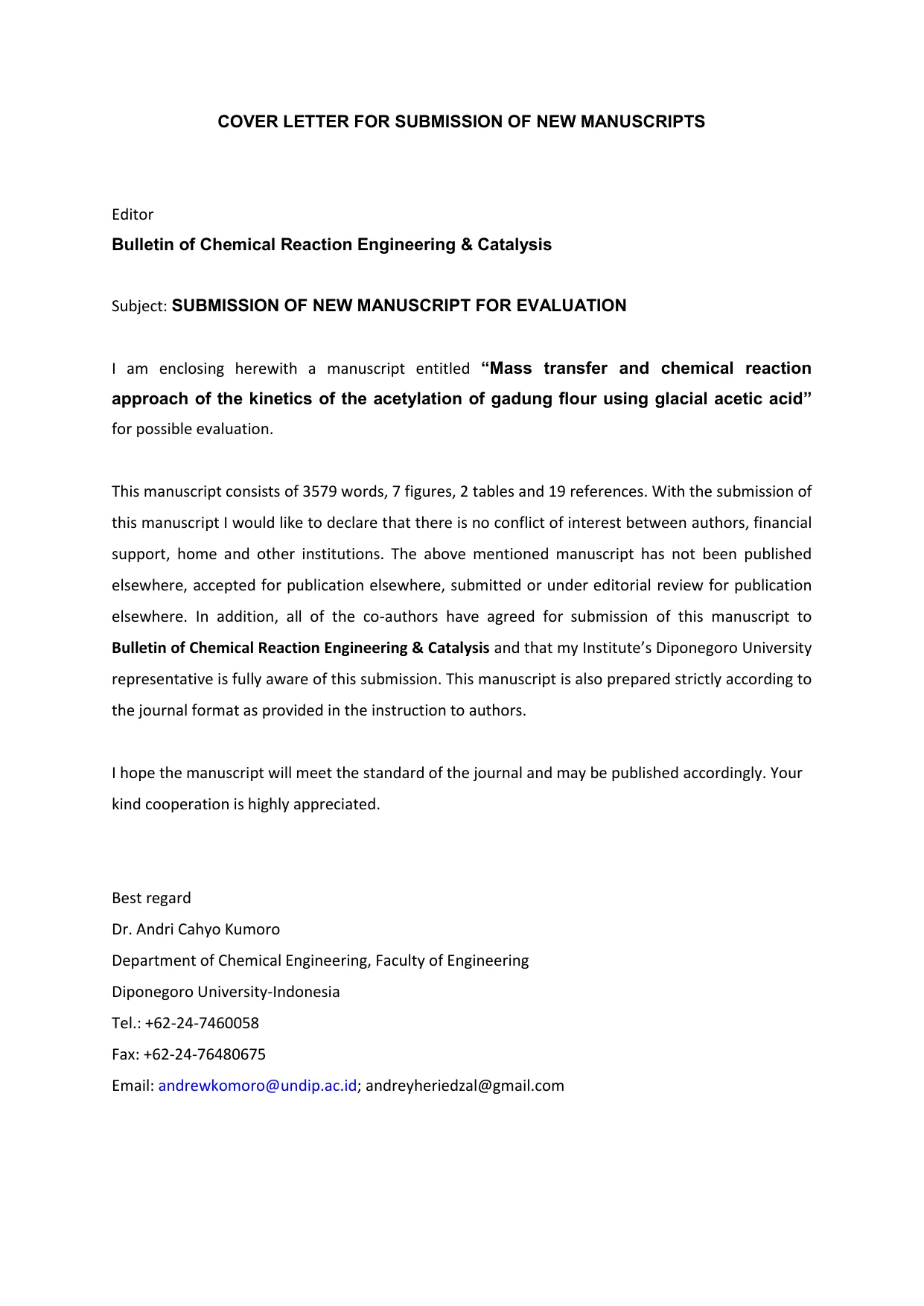
What is a Cover Letter for Manuscript Submission?
A cover letter for manuscript submission is a crucial document that accompanies your research paper, article, or book chapter when you send it to a journal for publication. It serves as your introduction to the editor and provides essential context about your work. It’s your opportunity to make a strong first impression and persuade the editor that your manuscript is a valuable contribution to the field and a good fit for their publication. A well-crafted cover letter can significantly increase your chances of having your manuscript accepted for peer review, thus a successful journal submission.
The Purpose of a Cover Letter
The primary purpose of a cover letter is to provide a concise overview of your manuscript and explain why it should be considered for publication. It helps the editor quickly understand the scope, significance, and novelty of your work. It’s a chance to highlight the key findings and their importance, demonstrating the value of your research. Furthermore, the cover letter enables you to address the editor directly, establishing a professional relationship and showcasing your communication skills. A compelling cover letter sets the stage for a positive review process.
Key Elements of a Cover Letter

Contact Information and Date
Begin your cover letter with your contact information (name, affiliation, email address, and phone number) and the date. This ensures the editor can easily reach you. Place this information at the top of the letter, typically aligned to the left or right. Use a professional and clear format for easy readability. This section is the foundation of your communication, establishing your identity and the date of submission.
Addressing the Editor
Always address the editor by name. Find the editor’s name on the journal’s website or in a recent issue. Addressing the editor personally shows that you have taken the time to learn about the journal and its editorial team. If you cannot find the editor’s name, ‘Dear Editor-in-Chief’ is a respectful alternative. Avoid generic greetings; a personalized salutation shows courtesy and professionalism.
Introduction Paragraph
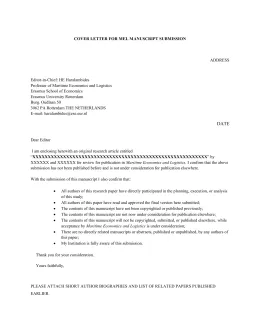
The introduction paragraph should state your intention: to submit your manuscript for consideration for publication in the journal. Briefly introduce the manuscript’s title and type (e.g., original research article, review, etc.). State the general topic of the manuscript to immediately orient the editor. This sets the context for your work and provides a clear purpose for your letter. It helps the editor quickly grasp the subject of your submission.
Manuscript Details
Provide essential details about your manuscript, including the title, the names of all authors, and the manuscript’s word count. List any supplementary materials submitted with the manuscript (e.g., figures, tables, appendices). These details help the editor manage the submission and track the different components of your work. Ensure all information is accurate and consistent with the manuscript itself.
Highlighting the Significance
Briefly summarize the key findings and their significance. Explain the novelty and importance of your research, emphasizing its contribution to the field. Convey the potential impact of your work and why it is relevant to the journal’s audience. Use clear and concise language to communicate your manuscript’s key strengths and contributions. Show the editor why your work matters.
Why This Journal?

Explain why your manuscript is a good fit for this particular journal. Mention the journal’s scope, target audience, and specific areas of interest. Demonstrate that you have researched the journal and understand its focus. Refer to recent articles published in the journal to illustrate how your work aligns with its current research trends. Show the editor that you chose their journal thoughtfully.
Call to Action and Closing
Conclude your letter with a clear call to action. Express your hope for a positive review and publication of your manuscript. Thank the editor for their time and consideration. Offer to provide any additional information the editor may need. Use a professional closing, such as ‘Sincerely’ or ‘Best regards,’ followed by your full name. This completes the communication and leaves a professional impression.
Formatting Your Cover Letter
Font and Spacing

Use a professional and readable font, such as Times New Roman, Arial, or Calibri, in a 12-point size. Maintain consistent spacing throughout the letter, typically single-spaced with a double space between paragraphs. Proper formatting enhances readability and makes your letter easier for the editor to review. Avoid using fancy fonts or unusual formatting choices.
Length and Tone
Keep your cover letter concise, typically within one page. Use a professional and respectful tone throughout the letter. Avoid jargon and overly technical language. Write clearly and directly, highlighting the most important information. The tone should reflect your respect for the journal and its editorial team. Clarity and brevity are key.
Proofreading and Editing
Proofread your cover letter carefully for any grammatical errors, typos, or spelling mistakes. Errors can undermine your credibility and create a negative impression. Consider having a colleague review your letter for clarity and accuracy. Use spell-check and grammar-check tools, but always manually review the final version. Thorough editing ensures your letter reflects professionalism.
Best Practices for Manuscript Submission

Tailoring Your Letter to the Journal
Researching the Journal
Before writing your cover letter, thoroughly research the journal. Understand its scope, audience, and editorial policies. Visit the journal’s website, read recent articles, and review the instructions for authors. Tailoring your letter to the specific journal demonstrates your commitment and increases your chances of acceptance. This research is critical for matching your work with the journal’s focus.
Understanding Submission Guidelines

Carefully review and follow the journal’s submission guidelines. Adhere to the specified formatting requirements, word count limits, and any other instructions. Include any required information, such as conflict-of-interest statements or funding acknowledgments. Failure to comply with these guidelines can result in immediate rejection. Attention to detail is vital in this stage.
Highlighting Relevant Experience
Showcasing Your Expertise
In the cover letter, briefly highlight your relevant expertise and experience. Mention any previous publications, awards, or other achievements that relate to your manuscript’s topic. This builds your credibility and demonstrates that you are knowledgeable in the field. Focus on the aspects of your experience that are most relevant to the manuscript. Emphasize your competence and authority.
Addressing Potential Issues
Handling Rejection Constructively
If your manuscript is rejected, handle the situation professionally. Review the feedback provided by the editor or reviewers. Determine if there are any issues that can be addressed by revising the manuscript. If appropriate, revise and resubmit to the same or another journal. Use the rejection as a learning opportunity and a chance to improve your work. Acknowledge the feedback and use it to become a better author.
Cover Letter Examples and Templates
Finding and Utilizing Templates
Many journals and academic institutions offer cover letter templates. These templates can provide a good starting point for your own letter. Search for templates specific to your field or the journal you are submitting to. However, remember to customize the template to fit your manuscript and your individual needs. Templates should guide, not dictate your writing. Always tailor the template to your unique submission.
Analyzing Successful Cover Letters
Analyze successful cover letters to gain insights into effective writing techniques. Review examples of cover letters that have led to the publication of research. Identify the key elements that make these letters persuasive and well-written. Adapt these techniques to your own writing, ensuring that you maintain your unique voice. Learning from examples can help you refine your approach.
Common Cover Letter Pitfalls
Grammatical Errors
Carelessly written cover letters filled with grammatical errors and typos can immediately damage your credibility. Always proofread your letter carefully and use grammar-check tools. These errors suggest a lack of attention to detail and could be a sign of poor writing in your manuscript. Ensuring grammatical correctness is a fundamental step.
Lack of Specificity
Avoid using generic or vague language. The cover letter should be tailored to the specific journal and manuscript. Vague statements suggest a lack of engagement with the process. Provide specific details about your manuscript’s findings, significance, and relevance to the journal. Specificity demonstrates that you have put thought and effort into your submission. Personalize the letter, and show that you did your research.
Ignoring Submission Guidelines
Failure to follow a journal’s submission guidelines is a major mistake. Not adhering to the format or required information can result in immediate rejection. Carefully review all the guidelines and ensure your letter complies. Paying attention to these instructions proves your respect for the journal and your understanding of the submission process. This step is crucial for the acceptance of your submission.
Conclusion
Writing a winning cover letter for manuscript submission is essential for successful publication. By understanding the key elements, following best practices, and avoiding common pitfalls, you can significantly increase your chances of having your manuscript accepted for review. Remember to be professional, concise, and specific. With careful attention to detail, you can create a cover letter that effectively introduces your work and highlights its value to the journal.