Understanding the Importance of a Strong Cover Letter
In the competitive job market, a strong cover letter is your first chance to make a lasting impression on potential employers. It’s more than just a formality; it’s a crucial tool that can significantly increase your chances of landing an interview. A well-written cover letter provides an opportunity to showcase your personality, enthusiasm, and unique value proposition, setting you apart from other candidates. It serves as a narrative that complements your resume, allowing you to elaborate on your skills, experience, and career goals, while demonstrating your genuine interest in the specific role and company. Without a compelling cover letter, your resume might get lost in the pile, so investing time in crafting a standout one is an essential part of any successful job application strategy.
Key Elements of a Powerful Cover Letter
A powerful cover letter includes several key elements that work together to capture the reader’s attention and persuade them to learn more about you. Start with a professional heading that includes your contact information and the date. Then, address the hiring manager by name, if possible. The body of your letter should be structured to highlight your relevant skills and experience, tailored to the specific job requirements. Clearly state the position you’re applying for, and explain why you are a great fit for the role. Demonstrate your knowledge of the company and what makes you passionate about working there. Finally, conclude with a confident call to action, expressing your eagerness for an interview and thanking the reader for their time and consideration. Remember, the tone should be professional, enthusiastic, and tailored to the specific job and company.
Formatting Your Cover Letter for Success

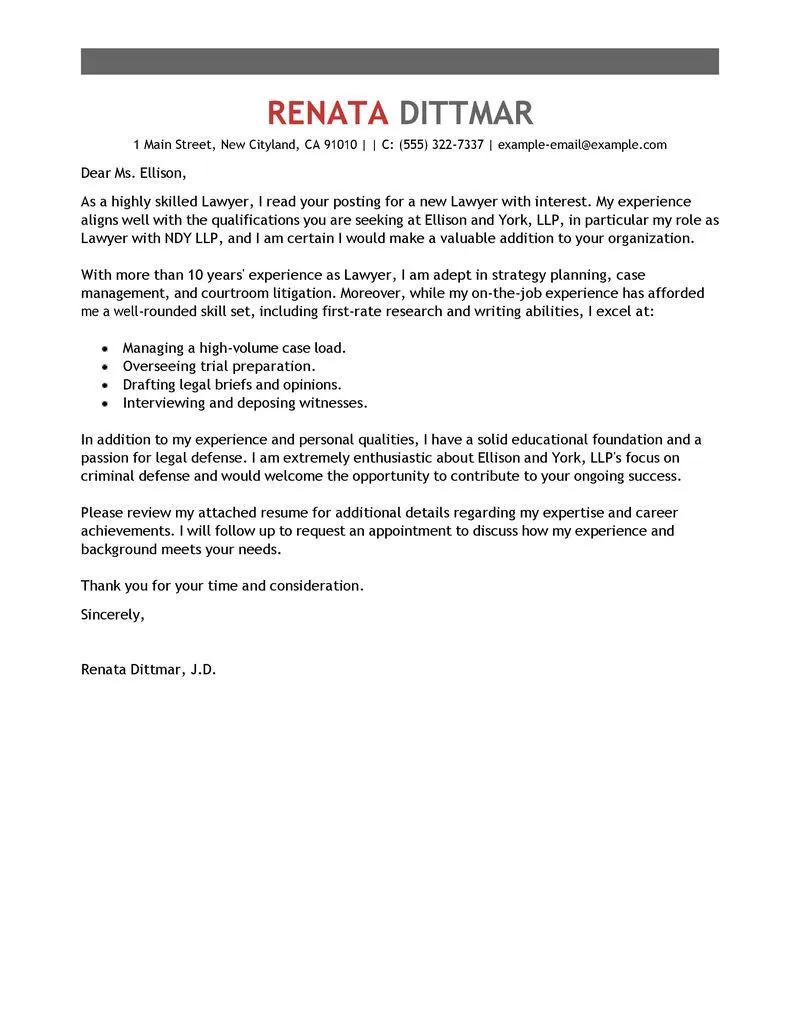
The visual presentation of your cover letter is just as important as its content. Proper formatting makes your letter easy to read and visually appealing. This demonstrates attention to detail and professionalism. Start by using a professional font, ensuring it is easily readable. Maintain consistent formatting throughout, including font size, line spacing, and paragraph indentation. Make sure your letter has ample white space, avoiding a cluttered appearance. Keep paragraphs concise, and use bullet points where appropriate to highlight key achievements or skills. The goal is to create a clean, organized layout that guides the reader’s eye and makes your letter a pleasure to read. Remember to proofread carefully to ensure there are no grammatical errors or typos, as these can detract from your message.
Choosing the Right Font and Layout
Choosing the right font and layout is a fundamental step in formatting your cover letter effectively. Select a professional and readable font such as Times New Roman, Arial, or Calibri. Use a font size between 10 and 12 points to ensure readability without appearing too small or too large. The layout should be clean and organized, with clear sections for your contact information, the date, the recipient’s information, the body of the letter, and your closing. Employ consistent spacing; use single- or 1.15-line spacing within paragraphs and double spacing between paragraphs for readability. Maintain uniform margins (typically 1 inch on all sides) to create a balanced appearance. The overall goal is to make the letter visually appealing and easy to read, making it a positive experience for the hiring manager.
Crafting a Compelling Opening Paragraph
Your opening paragraph is your first opportunity to grab the reader’s attention, so it must be concise, engaging, and immediately relevant. Start by stating the position you are applying for and where you found the job posting. Then, express your enthusiasm for the opportunity and briefly highlight what makes you a strong candidate. You can also mention a key skill or achievement that aligns with the job requirements. Avoid generic phrases like “I am writing to express my interest.” Instead, be direct and demonstrate your knowledge of the company and the role. The opening should showcase your personality and set the tone for the rest of the letter, creating curiosity and encouraging the reader to continue. The goal is to make a strong first impression and show why you are different from other applicants.
Highlighting Your Skills and Experience

The body of your cover letter should effectively showcase your relevant skills and experience. Instead of simply listing your responsibilities, focus on demonstrating how your skills and experience align with the job’s requirements. Use specific examples to illustrate your achievements and show the impact you have made in previous roles. Support your claims with concrete evidence such as numbers, data, or testimonials. Tailor your content to the specific needs of the role, drawing attention to the key skills and experiences mentioned in the job description. When describing your experiences, use action verbs to highlight your accomplishments and present yourself as a proactive and results-oriented candidate. Use clear language, and keep paragraphs concise and easy to read. The goal is to make a clear and compelling case for why you are the best fit for the job.
Quantifying Achievements with Numbers
Quantifying your achievements is a powerful way to demonstrate the impact of your work and make your cover letter more persuasive. Whenever possible, use numbers and data to back up your claims. For example, instead of saying “Increased sales,” say “Increased sales by 20% in six months.” Rather than stating “Managed a team,” write “Managed a team of 10 employees, achieving a 95% employee satisfaction rate.” Using specific, measurable results makes your accomplishments more credible and shows the value you bring to a company. Including numbers is a clear way to show your success to the hiring manager. These details provide tangible proof of your skills and abilities, setting you apart from other candidates who may only provide generic descriptions.
Tailoring Your Cover Letter to the Job
One of the most important steps in writing a strong cover letter is tailoring it to each specific job application. Avoid using a generic template. Instead, carefully review the job description and identify the key skills, experiences, and qualifications that the employer is seeking. Then, customize your cover letter to highlight your relevant experience and how it aligns with their needs. Show that you understand the company’s mission, values, and culture by mentioning specific aspects of their work that interest you. Research the company and the role to learn more about their specific requirements. This demonstrates your genuine interest in the opportunity and shows that you have taken the time to understand what the employer is looking for. Tailoring your letter increases the chances that it will stand out and resonate with the hiring manager.
Researching the Company and the Role

Before you start writing your cover letter, invest time in researching the company and the specific role you are applying for. Visit the company’s website, read their mission statement, and learn about their products or services. Explore their social media profiles to get a sense of their culture and values. Read recent news articles or press releases about the company to stay informed about their latest activities. For the role itself, carefully analyze the job description to understand the required skills, responsibilities, and qualifications. Identify the keywords and phrases used in the description, and incorporate these into your cover letter where appropriate. This research will enable you to tailor your letter to demonstrate your knowledge of the company and your understanding of the role, increasing your chances of making a positive impression.
Using Keywords from the Job Description
To further increase the effectiveness of your cover letter, use keywords from the job description. Carefully review the job posting and identify the key skills, qualifications, and phrases that the employer is looking for. Then, incorporate these keywords naturally throughout your cover letter. This doesn’t mean simply stuffing keywords into the text; instead, weave them into your descriptions of your skills and experience. When describing your achievements, use the same language that the employer has used in the job description. This ensures that your letter aligns with the employer’s expectations and helps it pass through any automated screening systems that may be used. Using relevant keywords demonstrates that you are a good fit for the role and that you have the necessary skills and experience.
Writing a Strong Closing Paragraph
Your closing paragraph is the final opportunity to leave a lasting impression. It should be confident, professional, and include a clear call to action. Thank the hiring manager for their time and consideration, and reiterate your enthusiasm for the role. State your availability for an interview, and specify how you can be contacted. Express your eagerness to discuss your qualifications further. Avoid generic phrases. Instead, make your closing personal, and let the hiring manager know how excited you are about the opportunity. Review your closing paragraph to ensure it is clear and concise. Your closing should convey professionalism and confidence while leaving a positive, memorable impression. A well-crafted conclusion is crucial for securing the interview.
Proofreading and Editing Your Cover Letter

Before you submit your cover letter, take the time to proofread and edit it carefully. Errors in grammar, spelling, and punctuation can undermine your credibility and give the impression that you lack attention to detail. Read your letter multiple times, and use a spell checker and grammar checker to identify any mistakes. It is also helpful to have a friend or colleague review your letter for a fresh perspective. They can catch errors that you may have missed, as well as assess the overall clarity and effectiveness of your writing. Make sure the layout is well-organized and easy to read. Ensure that your language is professional, and the tone aligns with the role and the company culture. Proper proofreading and editing are essential for creating a polished, error-free cover letter that showcases your skills and experience in the best possible light.
Common Mistakes to Avoid in Cover Letters
To maximize your chances of success, it is important to avoid common mistakes. Don’t use generic language or templates that do not reflect your personality or the specific job. Avoid typos and grammatical errors. Do not exceed the recommended length of one page. Avoid focusing solely on yourself; instead, emphasize how you can benefit the company. Don’t make the letter too long; keep it focused. Avoid exaggerating your skills or lying. Do not make negative comments about previous employers. Refrain from including irrelevant information that does not contribute to your application. By avoiding these pitfalls, you will increase your chances of writing a strong, persuasive cover letter that gets noticed and helps you land an interview.
In conclusion, writing a strong cover letter is an essential part of the job application process. By focusing on clear formatting, highlighting skills, and tailoring the letter to the specific job, you can increase your chances of getting noticed. Remember to showcase your enthusiasm and make a strong first impression. With careful attention to detail and by avoiding common mistakes, you can create a cover letter that helps you stand out from the competition and get you closer to your dream job.