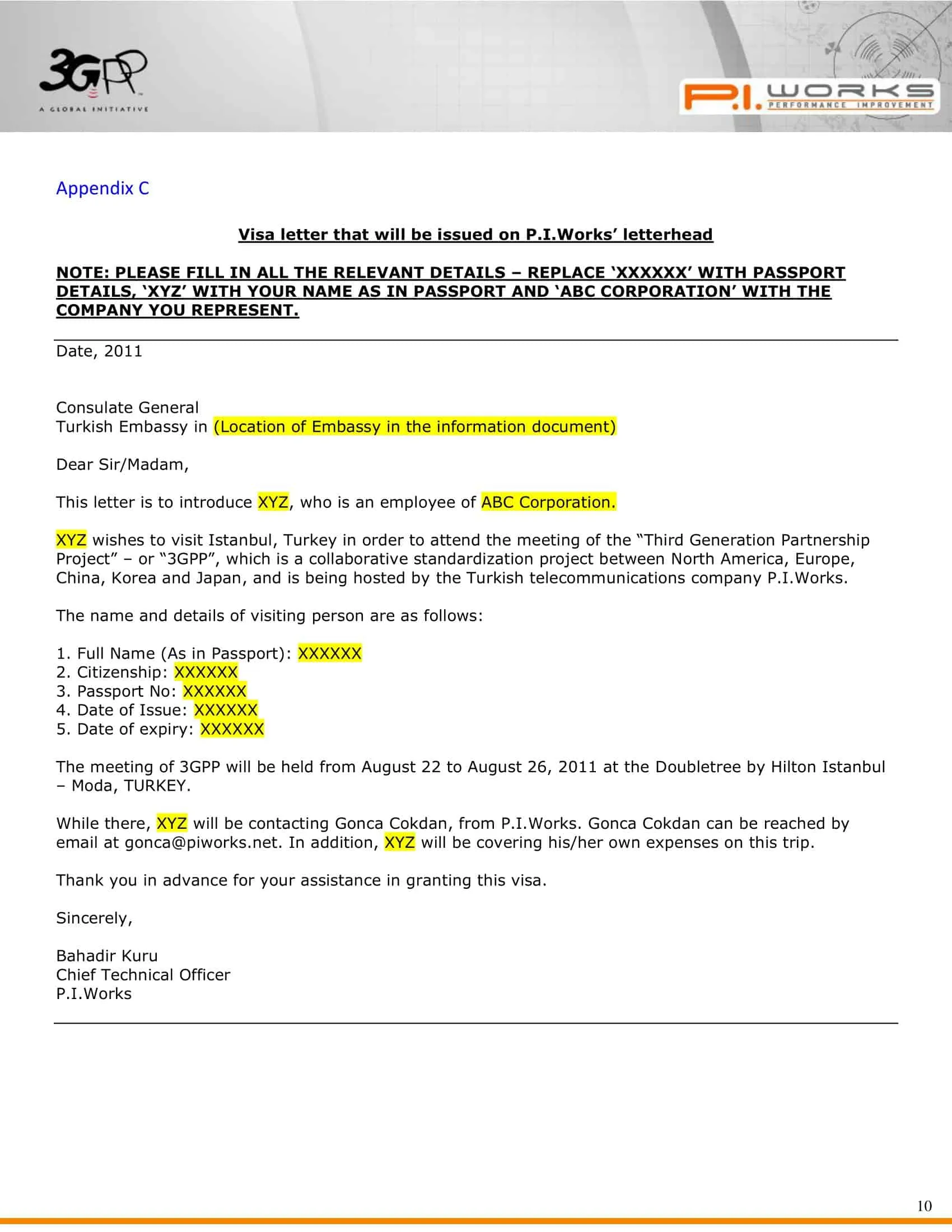
What is an Invitation Cover Letter?
An invitation cover letter is a formal document that accompanies an invitation. It serves as an introductory letter to provide additional context, personalize the invitation, and ensure the recipient understands the purpose of the invitation. Unlike a simple invitation card, the cover letter allows you to elaborate on the event, express your enthusiasm for their attendance, and provide crucial details that may not fit on the invitation itself. It bridges the gap between a generic invitation and a personalized request, making the recipient feel valued and informed. This document is particularly important for professional events, formal gatherings, or any occasion where a touch of formality and detailed information is desired.
Why is an Invitation Cover Letter Important?
The importance of an invitation cover letter lies in its ability to enhance communication and increase the likelihood of a positive response. It sets the tone for the event, creating excitement and anticipation. By explaining the event’s purpose, the cover letter helps the recipient understand the significance of the invitation and their role in it. Furthermore, it allows you to personalize the invitation, showing that you’ve taken the time to consider the recipient. This personalization can significantly improve response rates. Moreover, it provides a space to include detailed information such as dress codes, directions, and contact details, which helps the guests prepare effectively and reduces the chances of misunderstandings or confusion about the event.
Key Components of a Strong Invitation Cover Letter

A well-crafted invitation cover letter includes several key components that ensure clarity, professionalism, and effectiveness. Each section plays a crucial role in conveying the necessary information and encouraging a positive response. Understanding these core elements will help you create a cover letter that is both informative and persuasive, setting the stage for a successful event. Properly formatted and thoughtfully written, a strong cover letter ensures all important details are covered, and sets a good impression with the recipient, increasing the chances of a positive reply.
Your Contact Information
Start your cover letter with your contact information, typically at the top left or right corner. This includes your name, address, phone number, and email address. This provides the recipient with a way to contact you if they have any questions or need to RSVP. Ensuring your contact information is clear and readily available makes it easy for the recipient to reach out, streamlining the communication process and demonstrating professionalism. Correctly formatted contact information is the first step in creating a professional and easily understood invitation cover letter.
Date
Below your contact information, include the date the letter is written. This helps the recipient understand when the invitation was sent. The date also serves as a reference point for any subsequent communication. Proper dating is a standard practice in formal correspondence and helps with organizing records. Accurate and consistent dating ensures that the recipient can easily track the correspondence and reference it when needed. Formatting should follow standard conventions such as Month, Day, Year.
Recipient’s Information

Directly below the date, include the recipient’s information. This includes their full name, title (if applicable), and address. Ensure the recipient’s name and title are accurate, especially if you’re inviting someone of importance. Double-check the address to make sure the invitation reaches the right person and place. Addressing the recipient correctly shows respect and attention to detail, which is crucial for formal invitations. Always spell the recipient’s name correctly, which shows that you have paid attention to the details.
Formal Salutation
Begin the letter with a formal salutation, such as “Dear Mr./Ms./Mx. [Last Name]” or “Dear [First Name] [Last Name]” if you know the recipient well. Avoid overly casual greetings. Using a formal greeting sets a professional tone and shows respect. This is important for setting the tone for the invitation. If you’re unsure of the recipient’s title or gender, using their full name is a safe and respectful approach. Make sure the greeting matches the level of formality of the event you are hosting.
Crafting a Compelling Opening Paragraph
The opening paragraph should immediately grab the recipient’s attention and state the purpose of the letter. Mention the event, its nature, and why you’re sending the invitation. Make the opening engaging and clear. Start with a strong, attention-grabbing sentence that piques their interest. Clearly state the event you are inviting them to and the reason for the invitation. Personalize the opening paragraph, if possible. This makes the invitation more meaningful and the recipient is more likely to want to attend. Keep it concise and focus on the essential information.
Clearly State the Purpose of the Invitation

In the main body of your letter, clearly state the purpose of the invitation. Be explicit about what the event is, whether it’s a business meeting, a wedding, a conference, or a social gathering. Ensure there’s no ambiguity about the event. The clarity of the event’s purpose is vital to make sure the recipient understands what they are being invited to. This helps the recipient decide whether they want to attend. Avoiding vague language is key to making your purpose clear and avoiding confusion. You can briefly explain the significance of the event.
Provide Essential Details
Provide all the essential details of the event, including the date, time, and location. Also include any special instructions, such as a dress code, what to bring, or specific activities planned. The more detailed you are, the better the recipient can prepare. Make sure all the information is accurate and up-to-date. Consider adding a brief description of what the guests can expect. This prepares them and increases their enthusiasm for the event. Providing all the necessary details helps guests to plan ahead.
Highlight the Benefits of Attending
Highlight the benefits of attending the event to make it more appealing. Explain why attending will be valuable or enjoyable for the recipient. Mention guest speakers, networking opportunities, entertainment, or other features that would make the event worthwhile. Emphasizing the benefits increases the chances of a positive response. Show the recipient the value of the event. Personalize your invitation by mentioning something specific that the recipient will appreciate. This increases their interest and motivation to attend. Benefits can include networking, learning, or simply a fun experience.
Call to Action and RSVP Information

Include a clear call to action and RSVP information. Tell the recipient what you want them to do (e.g., “Please RSVP by [date]”). Provide the contact information or method for RSVP, such as an email address, phone number, or a link to an online form. The RSVP deadline is crucial, so you can plan accordingly. Make it easy for them to respond by providing all necessary information. Be very clear about the deadline for RSVP so you have enough time to finalize the event preparations. This includes all the contact information, which is essential to receive a response.
Closing and Signature
End the letter with a professional closing, such as “Sincerely,” “Best regards,” or “Yours faithfully.” Sign your name above your printed name. If you’re sending a physical letter, sign it by hand. This personal touch adds formality and shows respect. Keep the closing appropriate for the nature of the event. Consider the level of formality and choose a closing that matches it. Ensuring your signature is clear and legible will make it easier for the recipient to understand the document.
Proofreading and Editing Your Invitation Cover Letter
Proofreading and editing your invitation cover letter is essential to ensure it is professional, clear, and error-free. Begin by checking for grammatical errors, spelling mistakes, and punctuation issues. Incorrect grammar or typos can undermine the letter’s credibility and make a negative impression on the recipient. Read the letter aloud to catch any awkward phrasing or sentences that don’t flow well. This will help you identify areas where the language can be improved for clarity. Have a colleague or friend review your letter, as a fresh pair of eyes can often spot mistakes you might have missed. They can also provide feedback on the overall tone and clarity. Ensure all details, such as dates, times, and locations, are accurate and consistent throughout the letter. Correct all the errors before sending your letter to ensure a good impression.
Formatting Your Invitation Cover Letter for Professionalism

Proper formatting significantly enhances the professionalism and readability of your invitation cover letter. Use a standard, easy-to-read font such as Times New Roman, Arial, or Calibri. Maintain a consistent font size (typically 12 points) throughout the document. Set margins to 1 inch on all sides to provide adequate white space and improve readability. Single-space the body of the letter and double-space between paragraphs. This makes the text easier on the eyes. Use block format, aligning all text to the left margin, as it’s clean and modern. If you’re using letterhead, make sure it’s professional and consistent with your brand. Ensure your formatting is consistent throughout the document.
Tips for a Successful Invitation Cover Letter
To ensure your invitation cover letter is successful, keep the following tips in mind. Personalize each letter to the recipient to make it more meaningful. Mention specific details that will appeal to the individual. Be clear and concise in your writing. Avoid jargon and unnecessary details. The easier the letter is to read, the more likely it is to be understood. Proofread thoroughly to eliminate errors. Errors make a bad impression. Send your letter well in advance of the event. This provides recipients with ample time to RSVP. Always thank the recipient for their consideration. This shows your appreciation for their time. By following these tips, you can create a compelling and effective invitation cover letter.