Understanding the Purpose of a Cover Letter
A cover letter serves as your first introduction to a potential employer, providing a crucial opportunity to showcase your personality, skills, and enthusiasm for a specific role. It’s more than just a formality; it’s your chance to make a strong first impression and differentiate yourself from other applicants. While your resume provides a summary of your experiences and qualifications, the cover letter allows you to tell a story, explaining why you’re the perfect fit for the job and the company. It is your chance to demonstrate your communication skills, attention to detail, and genuine interest in the opportunity. A well-crafted cover letter can significantly increase your chances of securing an interview, even when you lack direct work experience, by highlighting your potential and transferable skills.
Why a Cover Letter Matters Even With No Experience
When you have no prior work experience, a cover letter becomes even more critical. It allows you to proactively address the lack of experience while highlighting your other valuable attributes. Use this opportunity to explain why you’re interested in the role and demonstrate your understanding of the company and the industry. Without a list of past jobs, your cover letter becomes the primary way for you to showcase your skills, motivations, and personality. This is your chance to show how you can contribute to the company. Remember, employers are often looking for potential and a willingness to learn. By emphasizing your transferable skills, enthusiasm, and eagerness to grow, you can effectively convey your value, making a compelling case for your candidacy and paving the way for an interview, even without a traditional work history.
Highlighting Transferable Skills

Transferable skills are those abilities you’ve developed in various settings – such as volunteer work, academic projects, extracurricular activities, or personal endeavors – that can be applied to a professional work environment. These skills demonstrate your competence, even if you don’t have a traditional job to back them up. To create a successful cover letter, identify skills that the job ad asks for. Some examples include communication, problem-solving, time management, teamwork, leadership, and attention to detail. Your aim is to identify these abilities in your resume. Then, provide examples of how you have used these skills. Ensure each skill is described in a compelling way that matches the job position, not just any job.
Identifying Your Transferable Skills
Take the time to make a list of all your skills. Think carefully about all the activities and experiences in your life. Look at school projects, volunteer work, hobbies, and personal projects to figure out what skills you used. For example, if you were a team lead in a school project, the skills you have are leadership and communication. If you were in a debate club, then it is possible you have skills like research and public speaking. If you volunteered at a local event, your skills might be organization and time management. Then, match your skills to what the job requires. Ensure that you can show how you’ve used them.
Showcasing Soft Skills
Soft skills, also known as interpersonal or people skills, are crucial in the workplace. They include communication, teamwork, problem-solving, adaptability, and time management. In your cover letter, provide examples to back up these abilities. For instance, if you have strong communication skills, highlight instances where you successfully conveyed complex ideas clearly or mediated a conflict. If you are a team player, talk about a project where you collaborated with others to achieve a common goal. Make sure your writing flows well to match your personality. The goal is to tell a story and explain how you have used soft skills in real-life situations. These examples make your application more authentic and give the hiring manager a glimpse into your work style.
Quantifying Achievements from Non-Work Experiences

Even without work experience, you can quantify your achievements in other areas. Use numbers and specific examples to demonstrate your impact. For instance, if you volunteered for a charity, specify the number of hours you contributed or the amount of money you helped raise. If you were part of a club or organization, describe any achievements, such as the number of new members you recruited or improvements you made. If you completed a project, highlight the results you achieved. The goal is to show the value you can bring, even if the experience wasn’t a traditional job. This makes your achievements more credible and shows the hiring manager the practical impact you can make, rather than just listing skills.
Structuring Your Cover Letter Effectively
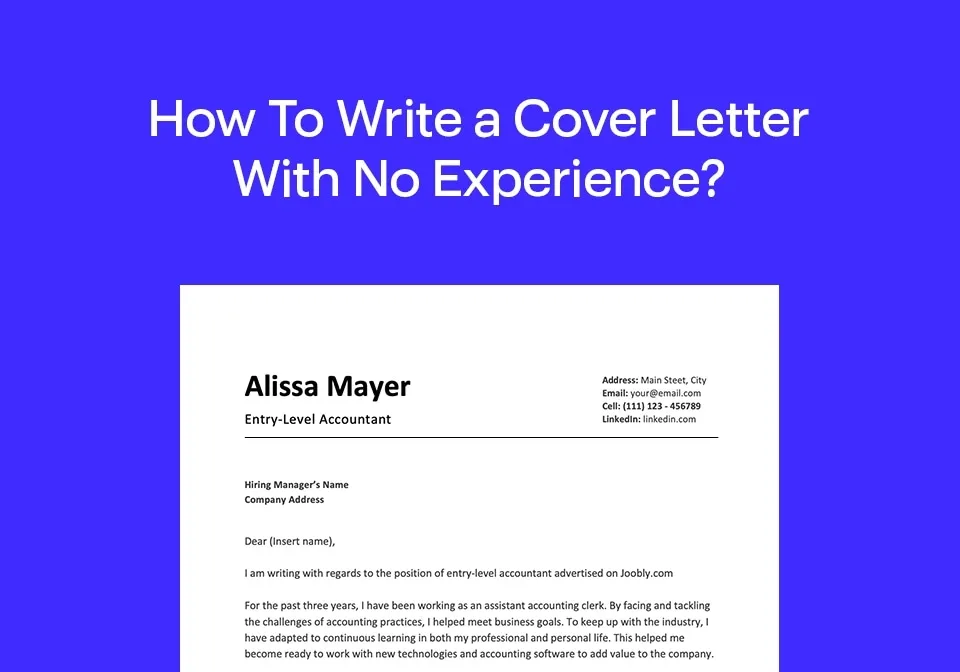
A well-structured cover letter is easy to read and clearly conveys your message. The structure should include contact information, a professional salutation, an engaging opening paragraph, body paragraphs that showcase your skills and enthusiasm, and a compelling closing paragraph with a call to action. Make sure the letter’s tone is professional yet personal. This structure gives the employer an easy way to learn about you. Every section of your cover letter should work together to create a complete and appealing narrative of your capabilities and how you fit the company. It creates a good first impression.
Contact Information and Salutation
At the top, include your contact information: your name, phone number, email, and possibly your LinkedIn profile URL. The salutation should be formal and addressed to a specific person if possible. If you can’t find a specific name, use a professional greeting like “Dear Hiring Manager” or “Dear [Department Name] Team.” Double-check for any typos or errors in your contact information. Also, try to match the tone of the company. It’s always a good practice to find out who the hiring manager is and address the letter to them. However, if it is impossible, then use the above-mentioned salutations.
The Opening Paragraph Grabbing Attention

Your opening paragraph is your first chance to grab the reader’s attention. Mention the specific role you’re applying for and briefly explain why you’re interested. It is important to express your enthusiasm for the company or industry and state what attracts you to the role. Then, you may mention a key skill or a relevant achievement that highlights your suitability. The opening paragraph’s goal is to hook the reader and encourage them to read the rest of your letter. It must create interest in you from the start. A well-written intro sets the stage for the rest of your cover letter.
Body Paragraphs Demonstrating Value
The body paragraphs should show how your skills, experiences, and enthusiasm align with the job requirements. Use the job description as a guide and talk about the experiences where you can showcase your skills. Provide examples to support your claims. It is key to illustrate how you can contribute to the company. You should emphasize your transferable skills and how they make you a strong candidate. The body paragraphs are where you bring your resume to life. By using specific examples, you provide solid evidence of your abilities. Always tailor your content to match the job description, helping to prove that you meet the requirements.
Emphasizing Your Enthusiasm and Fit
Show genuine enthusiasm for the role and the company. Research the company’s mission, values, and recent projects to show that you have an interest. Explain why you are excited about the opportunity and how your values align with the company’s culture. Show how your career goals line up with the job and the company’s long-term objectives. This demonstrates your proactive approach and commitment, making a positive impression. Make sure that you are excited about the company’s mission. Employers are keen on hiring people who are as passionate as they are about the company’s mission.
The Closing Paragraph Call to Action

In your closing paragraph, summarize your key qualifications and reiterate your enthusiasm for the role. Include a call to action, such as expressing your availability for an interview and thanking the hiring manager for their time and consideration. It’s a clear way to end your letter, showing both initiative and respect. Use a formal closing, such as “Sincerely” or “Best regards”. Always personalize your closing and show your eagerness to move forward in the hiring process. You want to end with a strong final impression.
Tailoring Your Cover Letter to the Job
Customizing your cover letter for each job is essential. Generic cover letters are usually ignored. Take the time to tailor your letter to the specific job requirements, company culture, and industry standards. This shows that you’re serious about the opportunity and have done your research. Adapt the content to match the job description. Highlight the skills and experiences most relevant to the position. Show your understanding of the company’s mission and how you can contribute. This level of customization boosts your application, making it stand out from the crowd and significantly increasing your chances of getting noticed.
Researching the Company and Role
Before you start writing, research the company and the specific role. Visit their website, read their “About Us” section, and review their social media profiles. Learn about their mission, values, products or services, and recent news or achievements. This information helps you understand the company’s culture and what they are looking for in a candidate. Show this knowledge in your cover letter by mentioning how your skills and interests align with their goals. Furthermore, understand the job requirements, the responsibilities, and the skills they are seeking. Tailor your letter to show that you have the right combination of skills and experience for the job.
Using Keywords from the Job Description

Carefully review the job description and identify the keywords and key phrases that describe the required skills and qualifications. Incorporate these keywords into your cover letter naturally. Use them when describing your skills, experiences, and achievements. This not only shows that you meet the job requirements but also helps your application pass through applicant tracking systems (ATS) that many companies use. It’s important to use these keywords in a way that is relevant and authentic. Avoid keyword stuffing, as this can make your letter sound unnatural and undermine your credibility. Make sure that you have a good match with the job requirements.
Proofreading and Editing Your Cover Letter
Always proofread and edit your cover letter to make sure that there are no errors in grammar, spelling, punctuation, and formatting. These small errors can give a bad impression. Read your letter aloud to check for awkward phrasing or unclear sentences. It can also help to have a friend, family member, or career counselor review your letter for you. Get a second opinion, because they can catch any mistakes you might have missed. Make sure your letter is clear, concise, and error-free, reflecting your attention to detail. Remember that the final look is as important as the content. Make sure that you follow all the instructions that are required for the job.
Tools and Resources for Cover Letter Writing
There are many tools and resources available to help you write an effective cover letter. Many online platforms offer templates and examples to guide you through the writing process. Resume and cover letter builders can help you create a professional-looking document quickly. Career websites and blogs provide advice and examples of cover letters for different industries and job roles. Use these resources to familiarize yourself with best practices and learn how to structure your letter. Reviewing examples can give you ideas on how to showcase your skills, experiences, and enthusiasm effectively. Tailor the available examples to your specific background and customize them to match the job requirements. The goal is to get all the possible help and create a perfect cover letter.