What is a Cover Letter?
A cover letter is a crucial document that accompanies your resume when applying for a job. It serves as an introduction, providing potential employers with a glimpse into your personality, skills, and experience. Unlike a resume, which is a straightforward summary of your qualifications, a cover letter allows you to elaborate on your accomplishments, explain your motivations, and demonstrate why you are a strong fit for the specific role and the company. This is your opportunity to make a positive first impression and persuade the hiring manager to read your resume and consider you for an interview. The cover letter showcases your communication skills, attention to detail, and your genuine interest in the opportunity.
Why is a Cover Letter Important?
In today’s competitive job market, a well-crafted cover letter can significantly increase your chances of landing an interview. It provides context to your resume, highlighting the most relevant aspects of your experience and skills in relation to the job requirements. Many hiring managers consider a cover letter essential. A cover letter also allows you to address any potential concerns or gaps in your resume, such as a career change or a period of unemployment. Furthermore, it demonstrates your communication skills, attention to detail, and your understanding of the company and the role you’re applying for, showing your genuine interest. By tailoring your cover letter to each job application, you can showcase your passion and explain why you are the perfect candidate, making you stand out from the competition.
Key Components of a Cover Letter

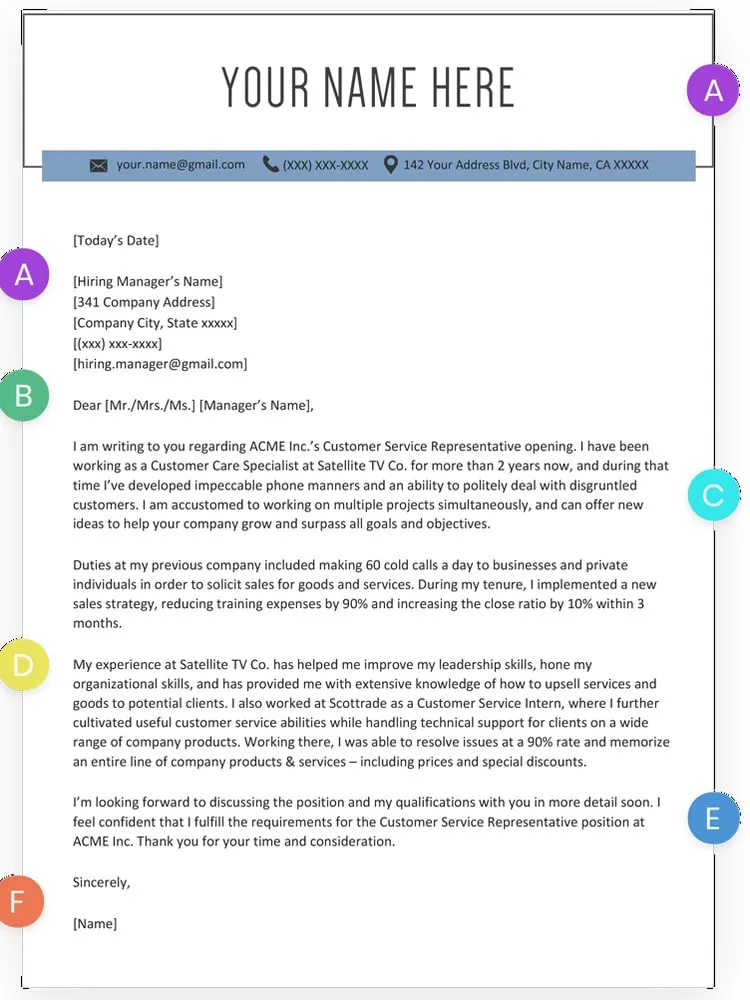
A compelling cover letter is composed of several essential components, each serving a specific purpose in conveying your qualifications and enthusiasm. These include your header, your contact information, the date, the recipient’s contact information, a salutation, the body of the letter, a closing paragraph, and a professional closing. Each of these elements contributes to creating a polished and persuasive document. Understanding these components is crucial to ensure your cover letter is well-organized, professional, and tailored to the specific job application, increasing your chances of making a positive impression on potential employers.
Header Information
The header of your cover letter should include your name, address, phone number, and email address. This information should be clearly displayed at the top, usually on the left side. This ensures that the hiring manager can easily find your contact information if they wish to reach out to you. Consistency is key; make sure the header information matches what is on your resume. A well-formatted header looks professional and is essential for a good first impression, and it makes it easy for the employer to contact you promptly.
Your Contact Information
This section contains your full name, phone number, and professional email address. Use a clear and concise email address that sounds professional. Avoid using nicknames or unprofessional email addresses. Ensure the phone number is current and easily reachable. This information allows employers to quickly contact you for an interview or further discussion. Accuracy and professionalism in your contact information are critical as a first impression to ensure the hiring manager can easily reach you.
Date

The date is a simple yet important element, placed directly beneath your contact information. Use the current date on which you are sending the cover letter. Formatting the date correctly is important for a professional appearance, use the standard format such as Month Day, Year (e.g., September 15, 2024). This helps the employer know when you sent the application and is a standard practice in professional correspondence. Accuracy in dating your cover letter demonstrates attention to detail and professionalism.
Recipient’s Contact Information
Directly beneath the date, include the hiring manager’s name, title, and the company’s address. If you know the hiring manager’s name, address the letter directly to them; otherwise, you can use a generic salutation. Finding the name of the hiring manager can show that you have taken the time to research the company and the position, making your cover letter feel more personal. Accurately addressing the recipient adds a personal touch and demonstrates your attention to detail, making a positive impression.
Salutation
The salutation is the greeting of your cover letter. If you know the hiring manager’s name, use a formal greeting like “Dear Mr./Ms. [Last Name]”. If you don’t know the name, a general greeting such as “Dear Hiring Manager” or “Dear [Company Name] Team” is appropriate. Avoid using informal greetings like “Hi” or “Hello.” The salutation sets the tone for your letter and demonstrates professionalism. Using a specific name, when possible, shows you have taken the time to research the company. Ensure the salutation matches the level of formality of the company culture.
Body of the Cover Letter

The body of the cover letter is the main content where you showcase your skills, experience, and interest in the job. It is typically divided into paragraphs, each serving a distinct purpose. The body should consist of an introduction, one or two paragraphs highlighting your relevant skills and experience, a paragraph demonstrating your enthusiasm, and a closing paragraph with a call to action. Each paragraph should be concise, well-written, and tailored to the specific job requirements. Use clear language and a professional tone throughout the body of your letter.
Introduction Paragraph
Start with a strong opening that immediately grabs the reader’s attention. State the position you are applying for and where you found the job listing. Briefly mention your key qualifications or the most relevant aspect of your experience that aligns with the job requirements. Your introduction should briefly state your intent and interest in the position. Keep it concise and engaging to make the reader want to learn more. The goal of your introduction is to make a great first impression and encourage the reader to continue reading your cover letter.
Highlighting Your Skills and Experience
This is where you showcase your skills and experience. Focus on the qualifications most relevant to the job description. Use specific examples to illustrate your achievements and how your skills align with the role’s requirements. Back up your claims with quantifiable results whenever possible, such as the percentage of sales increased or the number of projects completed. This section should highlight your relevant skills. Demonstrate how your experience makes you a good fit for the position. Customize this section for each job application to show you have tailored your letter.
Tailoring to the Job

Tailor your cover letter to each job application by carefully reviewing the job description and identifying the key skills and experience the employer is looking for. Highlight how your qualifications align with these requirements. Use keywords from the job description throughout your letter. Provide specific examples of how you have demonstrated these skills in previous roles. Customize the skills and experience section based on the job description to maximize your relevance and increase your chances of making a good impression. Tailoring showcases your attention to detail and genuine interest in the specific role.
Quantifying Achievements
Whenever possible, quantify your achievements using numbers, percentages, or specific data. Instead of saying you “improved customer satisfaction,” state that you “increased customer satisfaction scores by 15%.” Quantifying your achievements provides concrete evidence of your abilities and makes your claims more credible. Use data to demonstrate your impact in previous roles. Quantifiable results show the impact of your work, making your letter more persuasive and memorable. Present measurable achievements and make your accomplishments tangible to the hiring manager.
Expressing Enthusiasm
Express your genuine interest in the company and the role. Explain why you are excited about the opportunity and what specifically attracts you to the company. Show you understand the company’s mission, values, or recent projects. A statement of enthusiasm can often make you stand out and demonstrate your sincere interest. Expressing enthusiasm can also demonstrate how you’re passionate about the opportunity and make your cover letter more memorable. Highlight how you can contribute to the company’s success.
Closing Paragraph

In the closing paragraph, summarize your interest in the position and reiterate your qualifications. Thank the hiring manager for their time and consideration. Express your anticipation for the opportunity to discuss your qualifications in an interview. Keep the closing brief and professional. This is your chance to conclude the letter positively and leave a lasting impression. A strong closing will reiterate your interest, thank the reader, and offer an invitation to continue the conversation.
Call to Action
End your cover letter with a clear call to action, such as a request for an interview. State your availability and express your eagerness to discuss the opportunity further. Make it easy for the hiring manager to contact you by providing your contact information again, if needed. Ensure your call to action is specific and encourages the hiring manager to take the next step, which may include scheduling an interview. Encourage the hiring manager to take the next step by clearly requesting an interview.
Professional Closing
Use a professional closing such as “Sincerely,” “Best regards,” or “Thank you.” Avoid informal closings. Ensure the closing is consistent with the tone of your letter. Place your typed name beneath the closing. Sign your name above the typed name if sending a physical copy. A professional closing reinforces the professional tone of your letter, creating a positive first impression, and demonstrates your attention to detail.
Proofreading and Editing Your Cover Letter

Thoroughly proofread and edit your cover letter for any errors in grammar, spelling, punctuation, and formatting. Read the letter aloud to catch any awkward phrasing or inconsistencies. Consider having a friend, family member, or career counselor review your letter for feedback. A cover letter with errors can damage your credibility. Proofreading ensures your cover letter is polished and error-free, which demonstrates your attention to detail and professionalism. Proofreading ensures the letter is easy to read and conveys the message clearly and effectively.
Common Cover Letter Mistakes to Avoid
Avoid these common mistakes that can hinder your application. Do not make generic cover letters, always tailor each cover letter to the specific job and company. Avoid using excessive jargon or overly complex language. Do not include information that is irrelevant to the job you are applying for. Avoid making negative comments about your previous employers or experiences. Do not exaggerate your skills or accomplishments. A well-written cover letter is free of these pitfalls, highlighting your qualifications and showcasing your professionalism, and increasing your chances of making a positive impression.
Formatting Your Cover Letter
The formatting of your cover letter is as important as the content. Use a professional font, such as Times New Roman, Arial, or Calibri, in a readable size. Ensure your cover letter has consistent margins (typically 1 inch on all sides). Use single-spacing for the body of your letter and double-spacing between paragraphs. Keep your cover letter to one page. Formatting ensures the letter is easy to read and visually appealing. A well-formatted letter demonstrates your attention to detail and professionalism.
Cover Letter Examples (By Industry)
To get a better idea of how to write a cover letter, review cover letter examples tailored to your industry or the specific role you are applying for. Look for examples online or consult with a career advisor for templates and tips. Adapt the examples to fit your skills, experiences, and the requirements of the job. Reviewing industry-specific examples can provide insight into the expectations of employers and the tone and style of cover letters in your field. Customize these examples to match your individual experience and the specific job requirements.