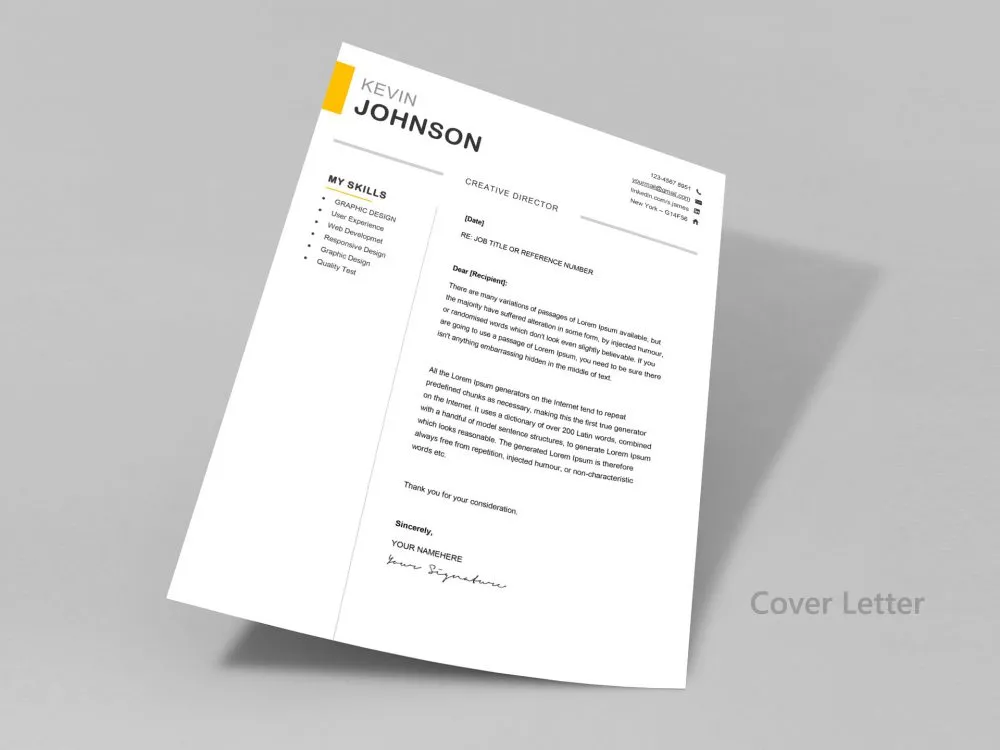
What is a Cover Letter (and Why You Need One)
A cover letter is a crucial document that accompanies your resume when you apply for a job. It serves as your introduction to the hiring manager, providing context and highlighting your qualifications in a way that a resume alone cannot. Think of it as your chance to make a strong first impression and convince the employer why you are the perfect fit for the role. Unlike a resume, which is a factual summary of your experience and skills, a cover letter allows you to demonstrate your personality, express your enthusiasm for the position, and explain how your background aligns with the specific requirements of the job. In the competitive job market, a well-crafted cover letter can significantly increase your chances of landing an interview. It’s your opportunity to showcase your communication skills and make a compelling case for why the company should consider you.
Key Components of a Cover Letter
A successful cover letter comprises several key components that work together to present you as a strong candidate. These elements include your contact information, the date, the hiring manager’s contact details, a professional salutation, a compelling opening paragraph, body paragraphs that highlight your skills and experiences, a closing paragraph with a call to action, and a professional closing. Each section plays a vital role in communicating your value and demonstrating your suitability for the position. Adhering to this structure ensures that your cover letter is organized, easy to read, and effectively conveys your message. By carefully crafting each component, you can significantly increase the impact of your cover letter and increase your chances of securing an interview.
Your Contact Information and Date

At the top of your cover letter, you should include your contact information. This typically includes your full name, address, phone number, and email address. Ensure that your email address is professional and easy to read. Following your contact information, include the date. This is the date you are submitting your application. The date helps the employer keep track of when they received your application. This information should be clearly and neatly presented, ensuring the hiring manager can easily contact you if needed. The proper placement and formatting demonstrate your attention to detail, a key attribute employers seek in potential hires. Keep your information up to date; your contact info will be the primary way to reach you.
The Hiring Manager’s Contact Information
Below your contact information and the date, you should include the hiring manager’s contact information. If possible, address your cover letter to a specific person, as this shows that you’ve taken the time to research the company and the position. Start with the hiring manager’s name, title, and the company’s name and address. If you are unable to find a specific name, you can use a generic greeting, such as “Dear Hiring Manager.” This demonstrates that you have done your research. Addressing the cover letter to a specific person can make a more personal connection. It also shows your genuine interest in the role and the company. This small detail can set you apart from other candidates.
The Salutation
The salutation is your formal greeting to the hiring manager. It sets the tone for the rest of your cover letter. A professional salutation includes “Dear” followed by the hiring manager’s name (e.g., “Dear Mr. Smith”). If you don’t know the name of the hiring manager, you can use a general greeting, such as “Dear Hiring Manager.” Always ensure that you spell the hiring manager’s name correctly and use the appropriate title (Mr., Ms., Dr., etc.). Using the correct salutation demonstrates your attention to detail and respect for the hiring manager. It is the first step in making a positive impression.
First Paragraph Make a Strong Opening

Your first paragraph is your chance to grab the hiring manager’s attention. Start by clearly stating the position you’re applying for and where you found the job posting. Briefly mention why you’re interested in the role and the company. You might also include a compelling statement that highlights your key skill or achievement, immediately demonstrating your value. Make it clear why you are applying. Be concise, and keep the opening paragraph focused on the specific job. Your goal is to capture the reader’s interest and encourage them to continue reading. A strong opening sets the stage for the rest of your letter and makes the hiring manager want to learn more about you. This sets you apart from the competition.
Second Paragraph Highlight Your Skills
In the second paragraph, highlight your skills and experiences that align with the job requirements. Refer to the job description and identify the key skills the employer is seeking. Provide specific examples of how you have demonstrated these skills in the past. Use quantifiable achievements whenever possible to showcase your success. For instance, instead of saying, “Managed a team,” state, “Managed a team of 10, increasing productivity by 15%.” This paragraph is where you demonstrate your capabilities and convince the employer that you are a good fit for the role. Tailor your skills to match the job description to show that you have the specific qualifications the employer needs.
Third Paragraph Show Your Enthusiasm
In the third paragraph, express your enthusiasm for the company and the position. Explain why you are interested in working for this specific company. Mention something that excites you about their mission, values, or products. Demonstrate your understanding of the company’s goals and how you can contribute to their success. This shows that you’ve done your research and that you are genuinely interested in the opportunity. Showcasing your enthusiasm makes you a more appealing candidate. Connect your skills and experiences to the company’s needs and demonstrate how you can make a positive impact. This demonstrates you are a good culture fit and willing to go above and beyond in the role.
Fourth Paragraph Call to Action

The fourth paragraph should include a clear call to action. This is where you politely request an interview. Express your eagerness to discuss your qualifications further and thank the hiring manager for their time and consideration. Make it easy for the hiring manager to take the next step. Include your contact information again, making it simple for them to reach you. A strong call to action ensures that you are actively seeking the next step in the hiring process. It shows you are enthusiastic about the opportunity and makes it easier for the hiring manager to schedule an interview. This concluding paragraph is an important step in the application process.
Closing the Cover Letter
Close your cover letter with a professional closing and your signature. Common professional closings include “Sincerely,” “Best regards,” or “Thank you.” Type your full name below the closing. If submitting a digital cover letter, you can type your name; if you are printing it, leave space for your handwritten signature above your typed name. A professional closing adds a polished touch to your cover letter and leaves a positive final impression. Proofread your closing to ensure it is free of errors. Proper closing etiquette demonstrates your professionalism and attention to detail.
Common Cover Letter Mistakes to Avoid
Avoid these common mistakes to ensure your cover letter makes a positive impact. Do not use generic templates or simply rehash your resume. Always tailor your letter to the specific job and company. Ensure your cover letter is free of typos, grammatical errors, and formatting issues. Don’t use overly formal language, but maintain a professional tone. Avoid being negative or making excuses for gaps in your work history. Do not include irrelevant information or information that is already in your resume. By avoiding these errors, you can make your cover letter stand out and increase your chances of getting an interview. Always review your cover letter to ensure it’s polished and professional.
Proofreading and Editing Your Cover Letter

Proofreading and editing are essential steps in the cover letter writing process. Before submitting your cover letter, carefully review it for any errors in grammar, spelling, and punctuation. Use a grammar checker, but don’t rely on it completely; read the letter aloud to catch any awkward phrasing or sentence structure. Ensure the letter is well-organized, easy to read, and free from typos. Have a friend, family member, or career counselor review your cover letter for feedback. They can provide a fresh perspective and help you identify any areas for improvement. Proofreading and editing are critical. This ensures your cover letter is polished, professional, and makes a positive impression on the hiring manager. A well-edited cover letter demonstrates your attention to detail and professionalism.