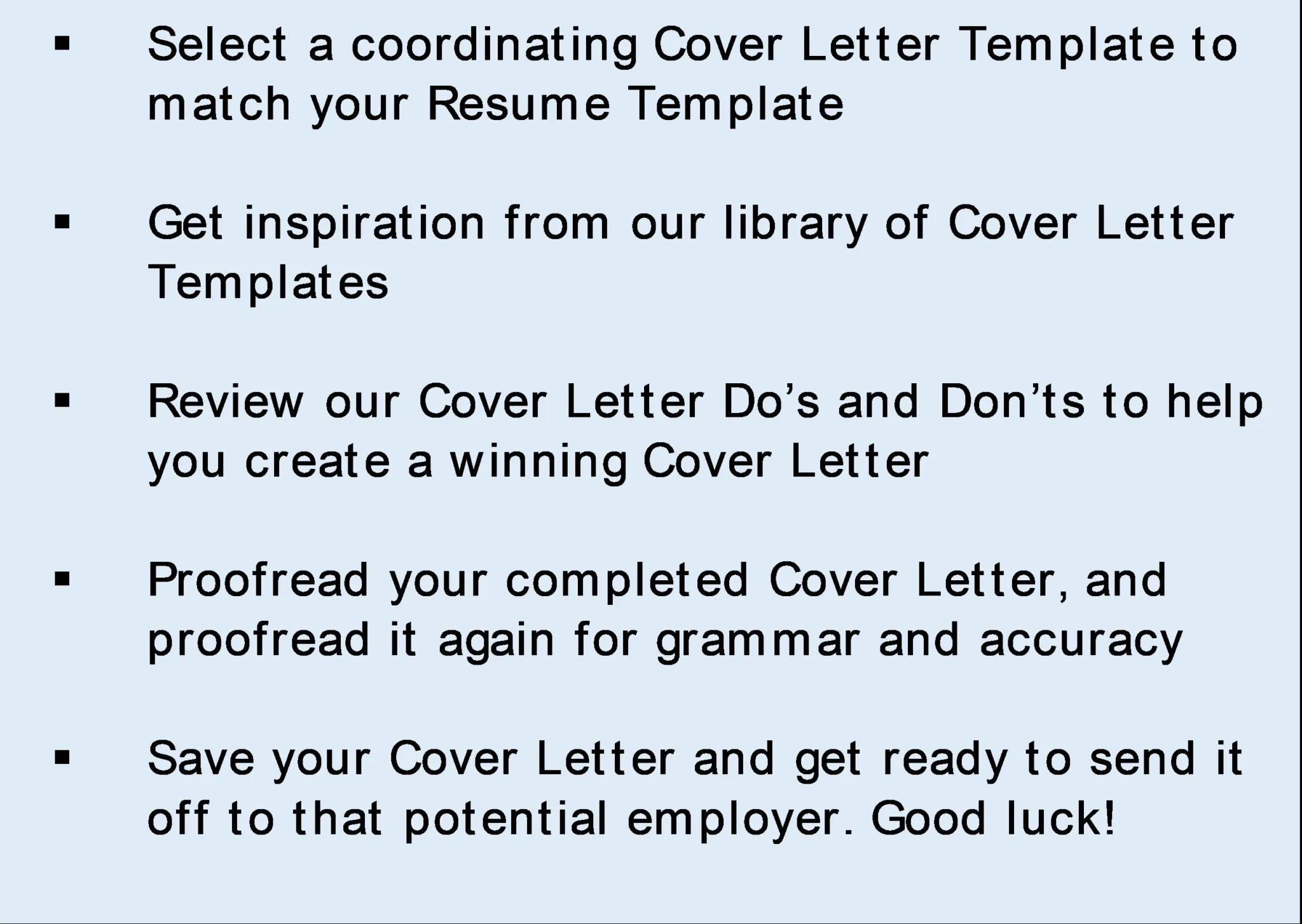
What is a Cover Letter (And Why You Need One)
A cover letter is a crucial document that accompanies your resume when applying for a job. It serves as your initial introduction to a potential employer, providing you with an opportunity to showcase your personality, express your enthusiasm for the position, and elaborate on how your skills and experiences align with the job requirements. Think of it as your personal sales pitch, designed to convince the hiring manager that you are the perfect candidate. Unlike a resume, which is a factual summary of your work history and qualifications, a cover letter allows you to tell a story, highlighting specific achievements and demonstrating your understanding of the company and the role. The cover letter provides context to your resume, helping the hiring manager to understand who you are and what you can bring to their team. A well-crafted cover letter can significantly increase your chances of getting an interview, while a poorly written one can land your application in the rejection pile.
Cover Letter Structure Your Roadmap to Success
The structure of your cover letter is as important as the content itself. A clear, concise, and well-organized letter makes it easy for the hiring manager to quickly grasp your key qualifications and understand why you are a good fit for the role. A standard cover letter typically consists of several key sections, including contact information, a salutation, an introductory paragraph, a body paragraph (or paragraphs), a closing paragraph, and a professional closing. Each section plays a crucial role in conveying your message effectively. The structure should be designed to guide the reader through your qualifications, making it easy to understand how your skills and experience align with the job’s requirements. By following a logical structure, you demonstrate professionalism and attention to detail, which are highly valued in the workplace. Make sure to keep it concise, ideally fitting on a single page. Use clear headings and formatting to improve readability.
Contact Information & Salutation Set the Tone

At the top of your cover letter, include your contact information – your name, address, phone number, and email address. This allows the hiring manager to easily reach you. Then, address the letter to the hiring manager or the specific person mentioned in the job posting whenever possible. If a specific name is unavailable, use a professional salutation like “Dear Hiring Manager” or “Dear [Department Name] Team.” Avoid generic greetings like “To Whom It May Concern,” as they can make your letter seem impersonal. Researching the hiring manager’s name, if it’s not provided, demonstrates your initiative and genuine interest in the role. Using a specific name also helps build a connection from the very beginning. Ensure that your email address is professional and reflects your current name; avoid using nicknames or informal email addresses. The salutation sets the tone for the rest of the letter, so choose your words carefully to convey respect and professionalism. Correct grammar and spelling are crucial in this section, as they contribute to your professional image.
Highlight Your Skills & Experience Showcase Your Value
The body of your cover letter is where you showcase your skills and experience. Select a few key skills and experiences that align directly with the job requirements, and provide specific examples to illustrate how you have used them. Avoid simply repeating what’s on your resume; instead, elaborate on your achievements and the impact you made in previous roles. Use action verbs to describe your accomplishments and quantify your results whenever possible. For instance, instead of saying “Managed social media accounts,” you could write, “Managed social media accounts, increasing follower engagement by 30% within six months.” Show, don’t just tell the hiring manager about your qualifications. Focus on demonstrating your value by highlighting how your skills and experience can benefit the company. Tailor your letter to each job application, ensuring that you address the specific requirements and keywords mentioned in the job description. This tailored approach shows that you have carefully considered the role and are genuinely interested in the opportunity.
Tailor Your Letter to the Job Focus on Relevance
Customizing your cover letter for each job application is essential. Generic cover letters, which are not tailored to the specific requirements of the role, are unlikely to make a strong impression on the hiring manager. Carefully review the job description, paying attention to the skills, experience, and qualifications that the employer is seeking. Then, in your cover letter, highlight the relevant experiences and skills you possess, providing examples of how you have demonstrated these in the past. Use keywords from the job description throughout your letter to show that you understand the role and are a good fit. This targeted approach demonstrates your attention to detail and genuine interest in the position. Adapt your cover letter for each application, reflecting the specific needs of the employer. It’s perfectly acceptable to reuse sections of your cover letter, but ensure you adjust them to fit the requirements of each application. Tailoring your cover letter also shows the hiring manager that you have done your research and are not simply sending out a generic application.
Quantify Your Achievements Show, Don’t Just Tell

Instead of just stating your responsibilities, quantify your achievements to demonstrate your impact. Using numbers, percentages, and specific data makes your accomplishments more compelling and memorable. For example, if you improved sales, mention the percentage increase or the total revenue generated. If you streamlined a process, state how much time or money you saved the company. Quantifying your achievements not only showcases your skills but also provides concrete evidence of your value. It’s a way of proving what you’ve accomplished instead of just claiming that you have the skills. Review your past experiences and identify situations where you made a measurable impact. Gather the data and incorporate it into your cover letter. Quantifying your achievements provides the hiring manager with a clear understanding of your contributions and makes you stand out from other applicants. This practice is extremely effective because numbers are more memorable than words.
Proofread & Edit Polish to Perfection
Before submitting your cover letter, proofread it carefully for any grammatical errors, typos, or inconsistencies. A polished cover letter is a reflection of your attention to detail and professionalism. Errors can create a negative impression and may lead to your application being overlooked. Use a grammar checker and spell-check tool to identify potential mistakes, but also read the letter aloud to catch any awkward phrasing or sentence structures. Ask a friend or colleague to review your cover letter, as a fresh pair of eyes can often spot errors you might miss. Ensure that your cover letter is consistent with your resume and that the information presented is accurate. Pay attention to the formatting, making sure that the font, spacing, and margins are consistent and easy to read. The goal is to present a clean, professional document that highlights your skills and experiences in the best possible light. Taking the time to proofread and edit your cover letter is a critical step in the job application process.
Call to Action Request an Interview
Conclude your cover letter with a clear call to action. This is your opportunity to express your interest in the position and request an interview. Thank the hiring manager for their time and consideration. State your availability for an interview and provide your contact information. Be direct and confident in your request, but also respectful. For example, you could write, “I am eager to discuss how my skills and experience can contribute to your team and would welcome the opportunity to interview for this position. Thank you for your time and consideration. I can be reached at [phone number] or [email address].” This shows your enthusiasm and makes it easy for the hiring manager to move forward with your application. It helps to solidify your interest in the position and increases the likelihood of being contacted for an interview. A strong call to action can significantly increase your chances of securing an interview.
Cover Letter FAQs

Cover letters are still very important for job applications, regardless of the industry or the specific role. They offer a great chance to personalize your application and show your personality. A well-written cover letter can provide context and offer more detail than a resume alone can. Always customize your cover letter to match the job description and emphasize the skills and experiences that are most relevant. Consider this document as an opportunity to describe your accomplishments in detail and express your enthusiasm for the position and the company. Many companies still expect a cover letter, especially for roles that require a lot of communication or attention to detail. Ignoring this part of the process, could lead to your application being overlooked. Ensure your cover letter is free of errors, easy to read, and tailored to each specific job. Always remember that a cover letter is a valuable opportunity to make a strong first impression.