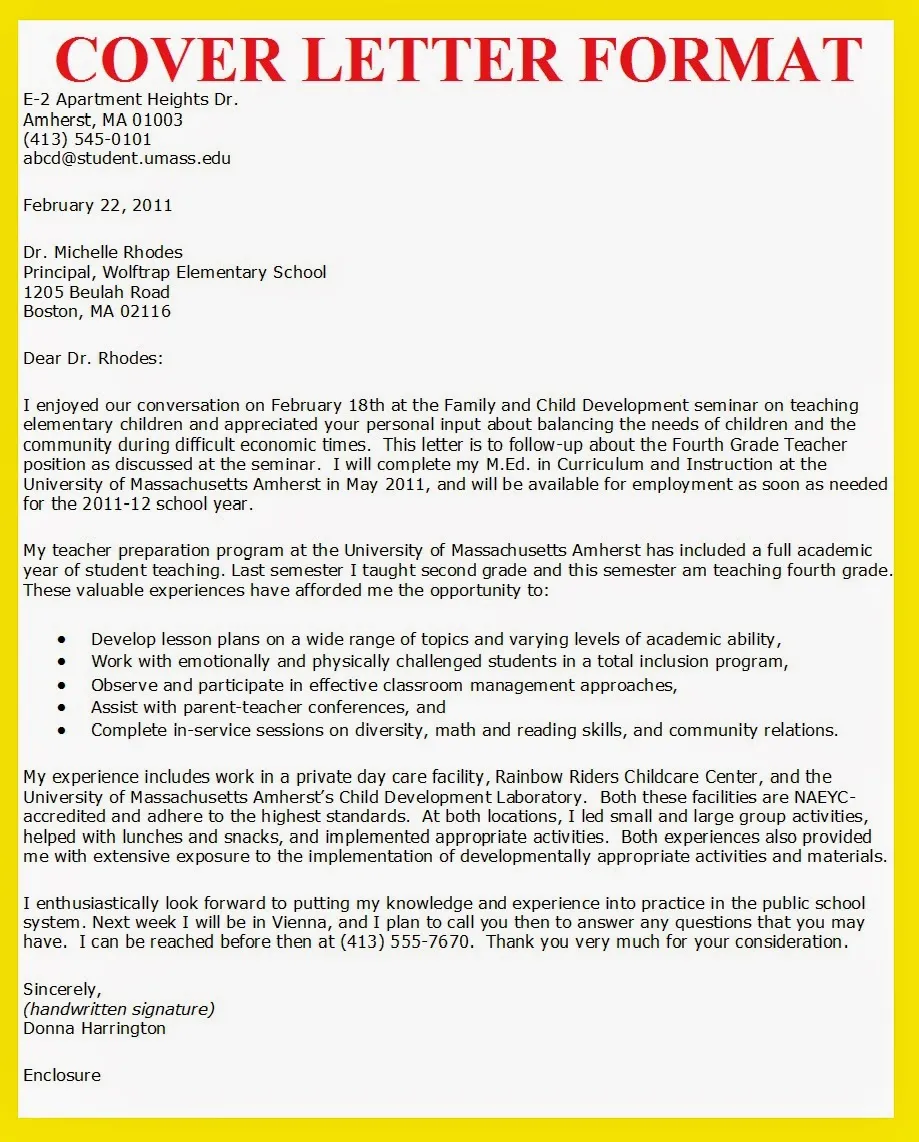
Cover Letter Basics What You Need to Know
A cover letter is a crucial document accompanying your resume when applying for a job. It serves as your introduction to a potential employer, providing an opportunity to showcase your personality, skills, and enthusiasm for the role. Unlike a resume, which presents a factual summary of your experience, a cover letter allows you to explain why you’re the perfect fit for the specific position and company. Writing a compelling cover letter can significantly increase your chances of landing an interview. It’s your chance to make a strong first impression and differentiate yourself from other applicants. It should be tailored to each job you apply for, demonstrating your genuine interest and understanding of the requirements.
Cover Letter Purpose
The primary purpose of a cover letter is to persuade the hiring manager that you’re worth considering for the job. It provides context to your resume, highlighting the skills and experiences most relevant to the position. A well-written cover letter demonstrates your communication skills, attention to detail, and genuine interest in the opportunity. It also allows you to address any potential gaps in your resume or explain career transitions. Moreover, a cover letter can showcase your personality and enthusiasm, setting you apart from candidates who may only submit a resume. The letter should reflect your understanding of the company’s values, mission, and needs, and how your skills align with those.
Cover Letter Format Structure

The structure of a cover letter is essential for readability and impact. A standard format helps ensure that your key information is presented clearly and effectively. Following a structured approach will make your letter easy to scan, allowing the hiring manager to quickly grasp your qualifications and interest. Use clear headings and formatting to guide the reader through your letter and highlight the most important points. Generally, a cover letter includes the following sections Contact Information, Greeting, Opening Paragraph, Body Paragraphs, Closing Paragraph.
Contact Information
Begin with your contact information at the top left of the letter. This should include your full name, phone number, email address, and optionally, your LinkedIn profile URL. Make sure the information is accurate and up-to-date. This section is crucial, as it enables the hiring manager to easily reach you for an interview. Use a professional email address and ensure your voicemail greeting is also professional. This section should be concise, clean, and easy to read, setting a professional tone from the outset.
Greeting
The greeting sets the tone for your letter. If possible, address the hiring manager by name. Research the company website or LinkedIn to find the name of the hiring manager or the person in charge of the role you’re applying for. If you can’t find a specific name, use a professional greeting such as “Dear Hiring Manager” or “Dear [Department Name] Team.” Avoid generic greetings like “To Whom It May Concern.” Personalizing the greeting demonstrates that you’ve taken the time to research the company and the specific role, showing your interest.
Opening Paragraph Grab Attention

The opening paragraph is your chance to grab the reader’s attention and state your purpose. Clearly state the position you are applying for and how you found the job posting. Briefly mention your most relevant qualifications and express your enthusiasm for the opportunity. A strong opening should hook the reader and encourage them to continue reading. Highlight a key achievement or skill that aligns with the job requirements to immediately show your value. Keep it concise and focused, setting the stage for the rest of your letter. For example, “I am writing to express my strong interest in the Marketing Manager position at [Company Name], as advertised on [Platform].”
Body Paragraphs Highlight Skills Experience
The body paragraphs are where you showcase your skills and experience in detail. Focus on the requirements outlined in the job description and explain how your qualifications align. Provide specific examples of your accomplishments and the results you achieved. Use action verbs to describe your responsibilities and the impact you made in previous roles. Tailor each paragraph to address the specific needs of the employer and the requirements of the role, demonstrating how you have the skills and experience to make an impact. Quantify your achievements whenever possible, using numbers and data to illustrate your success.
Tailoring to the Job
Customize your cover letter for each job application. Don’t send a generic letter; instead, carefully review the job description and tailor your letter to match the specific requirements and keywords. Highlight the skills and experiences that are most relevant to the role. Research the company’s values and mission, and explain how your goals align with their objectives. Customizing your letter shows that you’ve taken the time to understand the company and the specific role, increasing your chances of making a positive impression. This also demonstrates your attention to detail and initiative.
Quantifying Achievements

Use numbers and data to quantify your achievements. Instead of simply stating that you “increased sales,” specify by how much. For example, “Increased sales by 15% in one quarter.” Providing concrete examples makes your accomplishments more impactful and demonstrates your ability to deliver results. This will give the hiring manager a clear understanding of your value and how you can contribute to the company’s success. Be specific and provide context whenever possible, using metrics to support your claims and showcase your impact.
Closing Paragraph Call to Action
The closing paragraph is your last opportunity to make a strong impression and express your interest in the position. Restate your enthusiasm for the opportunity and briefly summarize why you’re a good fit. Include a call to action, such as requesting an interview or offering to provide more information. Keep the tone professional and appreciative, thanking the hiring manager for their time and consideration. Your goal is to end on a positive and confident note, making it easy for the hiring manager to take the next step.
Formal Closing
Use a professional closing such as “Sincerely,” “Regards,” or “Best regards” before your signature. Avoid casual closings like “Thanks” or “See you soon.” Ensure your closing aligns with the professional tone you’ve maintained throughout the letter. This demonstrates respect and attention to detail, leaving a final impression of professionalism and thoughtfulness. Ensure your name is clearly typed below your signature.
Call to Action

Include a clear call to action in your closing paragraph. State your interest in the position and request an interview. You can also offer to provide any additional information they may need. For example, “I am eager to discuss my qualifications further in an interview and demonstrate how I can contribute to [Company Name]’s success.” A strong call to action makes it easy for the hiring manager to proceed to the next step, increasing your chances of getting an interview.
Proofreading Editing
Proofread your cover letter carefully for any errors in grammar, spelling, and punctuation. Mistakes can make you appear careless and unprofessional. Read the letter aloud to catch any awkward phrasing or unclear sentences. Ask a friend or family member to review it for a fresh perspective. Ensure the formatting is consistent and easy to read. Taking the time to proofread and edit your cover letter demonstrates attention to detail and professionalism.
Common Cover Letter Mistakes
Avoiding common mistakes can greatly improve the effectiveness of your cover letter. Errors can undermine your application and diminish your chances of getting an interview. By being aware of these pitfalls, you can ensure your cover letter is polished and professional, making a positive impression on potential employers. Common mistakes can be avoided through careful writing, proofreading, and attention to detail. Addressing common mistakes improves your letter’s readability, clarity, and impact.
Generic Letters

Submitting a generic cover letter that isn’t tailored to the specific job or company is a major mistake. These letters fail to show that you’ve taken the time to understand the role and company. A generic letter lacks the personalization and detail that make your application stand out. Hiring managers can quickly spot these letters, which often end up in the rejection pile. Always customize your cover letter to match the specific requirements and keywords of the job posting. Show that you have researched the company and that you are genuinely interested in the position.
Typos Grammatical Errors
Typos and grammatical errors can make you appear careless and unprofessional. These errors can undermine your credibility and distract the reader from your qualifications. Always proofread your cover letter multiple times and use spell-check and grammar-check tools. Have someone else review it as well. Even minor errors can create a negative impression. Ensure your cover letter is polished and free of errors to demonstrate your attention to detail and commitment to quality.
Ignoring Job Requirements
Failing to address the specific requirements listed in the job description is a major error. Your cover letter should highlight how your skills and experience match the employer’s needs. Carefully review the job posting and tailor your letter to address the required qualifications and responsibilities. Ignoring these requirements shows a lack of attention to detail and can lead to rejection. Demonstrate that you understand what the employer is looking for and how you can meet their needs. Highlighting these requirements enhances your chance of success.
Cover Letter Examples

Reviewing cover letter examples can provide you with valuable insights and guidance. Examples offer models for formatting, language, and content. Analyzing these examples can help you understand how to structure your own cover letter effectively. Look for examples relevant to your field or industry. Adapt successful strategies from these examples to create a cover letter that best showcases your skills and experience. Tailor your cover letter based on the job posting and your personal experiences, creating a customized and compelling document.