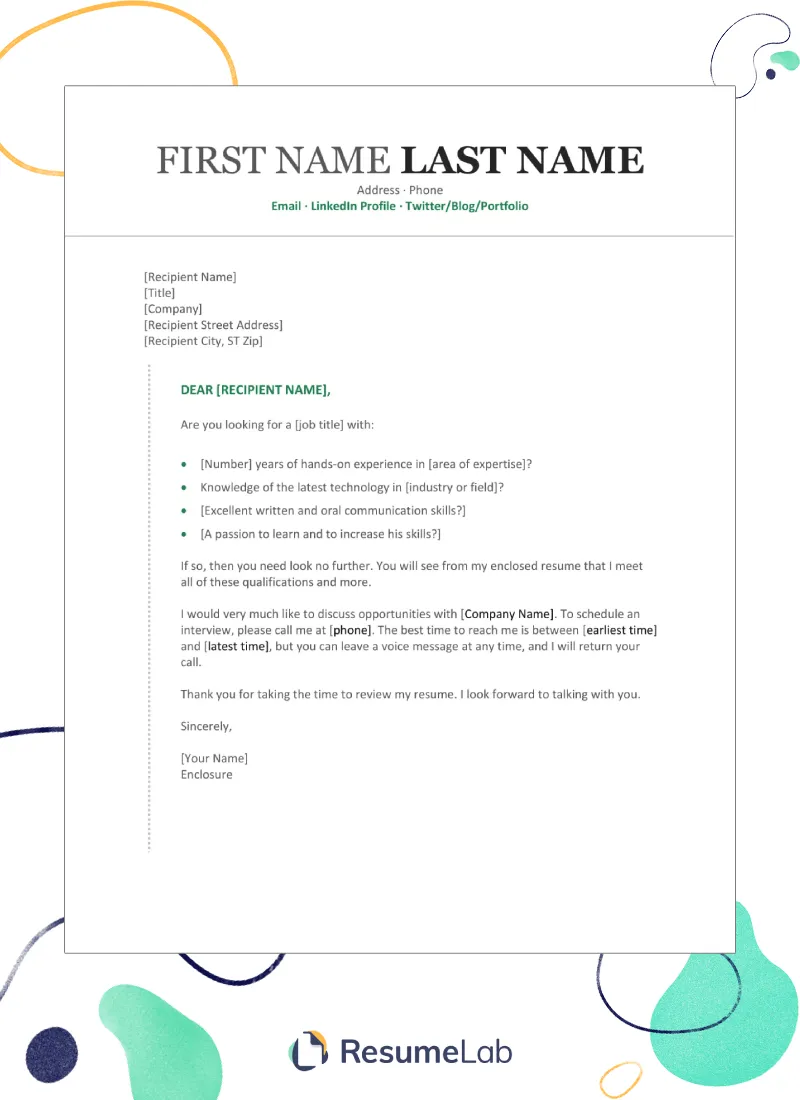
What is a Cover Letter and Why You Need One
A cover letter is a crucial document accompanying your resume when applying for a job. It serves as your first introduction to a potential employer, providing an opportunity to showcase your personality, skills, and enthusiasm for the position. Unlike your resume, which provides a factual overview of your experience, a cover letter allows you to tell a story, explain your career goals, and highlight why you are the perfect fit for the role and the company. In the competitive job market, a well-crafted cover letter can significantly increase your chances of landing an interview. It demonstrates your genuine interest and allows you to address specific requirements or concerns the hiring manager might have. Think of it as your personal marketing tool, selling your unique value proposition to the employer. Neglecting a cover letter is a missed opportunity to make a strong first impression and differentiate yourself from other candidates.
Key Components of a Cover Letter
A compelling cover letter comprises several key elements that work together to create a lasting impression. These components are essential for effectively communicating your qualifications and interest. Understanding each part and how it contributes to the overall message is key to success. Let’s break down the essential sections to ensure you create a cover letter that stands out and captures the attention of the hiring manager. From your contact information at the beginning to the call to action at the end, each component plays a vital role. Properly constructing your cover letter with these key parts can significantly improve your chances of getting an interview and ultimately landing the job.
Your Contact Information

At the top of your cover letter, include your full name, address, phone number, and professional email address. This allows the employer to easily contact you if they are interested in your application. Ensure your email address is professional and appropriate. It is best to avoid using nicknames or unprofessional email addresses. This small detail is the foundation for a good start and sets the tone for the rest of your application. Accuracy in providing your contact information is critical; any mistake here can lead to missed opportunities.
Date
Below your contact information, include the date you are sending the cover letter. This helps the employer know when you submitted your application. Typically, the date is placed directly below your contact details. The date is useful for keeping track of your application submission.
Recipient’s Information
If possible, address your cover letter to a specific person, such as the hiring manager or the recruiter. Research the company to find the name and title of the person responsible for hiring. Addressing your letter to a specific individual shows you have taken the initiative and are genuinely interested in the position. Using a name personalizes your cover letter, making it more engaging. If the hiring manager’s name is unavailable, use a general greeting like ‘Dear Hiring Manager’.
Greeting (Salutation)

Start your cover letter with a professional greeting, such as ‘Dear Mr./Ms. [Last Name]’ or ‘Dear Hiring Manager.’ Avoid generic greetings like ‘To Whom It May Concern.’ Personalizing your salutation creates a stronger connection. Ensure you have the correct spelling and title of the recipient. This small detail is key. The salutation sets the tone for the rest of your letter, indicating your respect and professionalism.
The Opening Paragraph [Grab Attention]
The opening paragraph is your opportunity to make a strong first impression. Start by stating the position you are applying for and where you found the job posting. Then, briefly explain why you are interested in the role and the company. If you have a referral, mention the name in the opening. Aim to capture the reader’s attention immediately and demonstrate your enthusiasm. Consider using a compelling statement to make your introduction memorable. Keep this section concise but engaging, encouraging the reader to continue reading. A good opening sets the stage for the rest of your cover letter.
Highlighting Your Skills and Experiences
In the body paragraphs, showcase your relevant skills and experiences. Provide specific examples of how your qualifications match the job requirements. Focus on achievements rather than just listing responsibilities. Quantify your accomplishments whenever possible using numbers or data to demonstrate your impact. Use the STAR method (Situation, Task, Action, Result) to structure your examples, providing clear, concise descriptions of your contributions. Tailor this section to the specific job description, highlighting skills and experiences that align with the company’s needs. This is where you sell yourself, so take your time and make sure your strengths are clear and supported by evidence.
Showcasing Your Achievements

Instead of simply listing your job duties, highlight your accomplishments and how you have made a positive impact in previous roles. Quantify your achievements using numbers and data to demonstrate your results. For example, mention how you increased sales by a certain percentage, reduced costs, or improved efficiency. Use action verbs to describe your accomplishments, such as ‘managed,’ ’led,’ ‘achieved,’ and ‘implemented.’ Focus on what you achieved rather than just what you did. Showing how you have contributed to previous employers is key to demonstrating your value and capabilities. This helps the hiring manager see the tangible benefits of hiring you.
Tailoring Your Cover Letter
Customize each cover letter to the specific job and company you are applying to. Read the job description carefully and identify the key skills and requirements. Then, align your skills and experiences with these requirements, providing examples that demonstrate your suitability. Research the company to understand its values, culture, and goals. Show that you understand their mission and how your skills can contribute to their success. Avoid using a generic cover letter; personalize each one to make it clear that you are genuinely interested in the role and the company. This tailoring is critical, demonstrating your attention to detail and dedication.
Using Keywords Effectively
Incorporate keywords from the job description throughout your cover letter. This helps the hiring manager quickly identify your relevant skills and experiences. Use keywords naturally, avoiding keyword stuffing. Integrate keywords into your descriptions of skills, experiences, and accomplishments. This approach helps your application get noticed by applicant tracking systems (ATS), the software used by many companies to screen resumes and cover letters. By incorporating relevant keywords, you increase the chances of your cover letter passing the initial screening and being reviewed by a human. This technique can significantly improve your chances of getting an interview.
Formatting Your Cover Letter
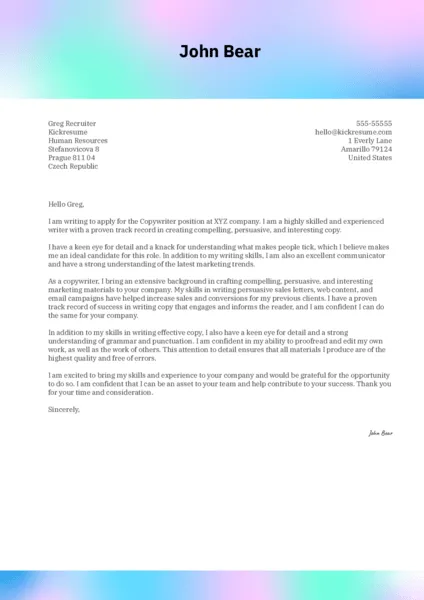
Formatting your cover letter correctly ensures it is easy to read and professional in appearance. Proper formatting makes it easier for the hiring manager to read and understand your qualifications. Well-formatted cover letters demonstrate your attention to detail and professionalism. Formatting your cover letter should include choices about font type, margins, and spacing. These choices contribute significantly to the document’s readability and visual appeal, allowing you to present yourself in the best possible light.
Choose the Right Font and Size
Select a professional and easy-to-read font, such as Times New Roman, Arial, or Calibri. Use a font size between 10 and 12 points to ensure your cover letter is legible. Avoid using overly decorative or unusual fonts, as they can distract the reader. Keep your formatting consistent throughout the document. Ensure the font is clear and easy to read, making the letter more accessible to the hiring manager. This choice ensures that the reader can quickly understand your message without visual distractions.
Proper Margins and Spacing
Use standard 1-inch margins on all sides of your cover letter. Use single-spacing for the body text and double-spacing between paragraphs. This formatting creates a clean and organized appearance, making the cover letter easy to read. Proper spacing ensures the document looks professional and uncluttered, improving readability. Maintaining consistent margins and spacing makes the document more visually appealing and easier for the hiring manager to review.
Proofreading and Editing

Proofread your cover letter carefully for any grammatical errors, spelling mistakes, or typos. Use a grammar checker to identify and correct any errors. Read your cover letter aloud to catch any awkward phrasing or sentences. Ask a friend or family member to review your cover letter for feedback. Proofreading is a crucial step that ensures your cover letter is polished and professional. A well-edited cover letter demonstrates your attention to detail and professionalism. Errors can create a negative impression, undermining the credibility of your application. Proofreading and editing are key to success.
Common Mistakes to Avoid
Certain mistakes can significantly damage your chances of success when writing a cover letter. Understanding and avoiding these pitfalls is essential. This section will highlight common errors, and helping you ensure your cover letter is polished and effective. From generic content to typos, avoiding these mistakes can significantly enhance your application’s impact.
Closing the Cover Letter
End your cover letter with a strong closing paragraph that reiterates your interest in the position and the company. Express your gratitude for the hiring manager’s time and consideration. Include a call to action, such as stating that you look forward to hearing from them or inviting them to contact you for an interview. A well-written closing leaves a lasting positive impression. Make it clear that you are enthusiastic and eager to move forward in the hiring process. A solid closing paragraph is important for leaving a positive impression.
Expressing Gratitude

Thank the hiring manager for their time and consideration. Expressing gratitude shows respect and professionalism. A simple thank you can leave a positive impression and reinforce your interest in the role. You can say ‘Thank you for considering my application’ or ‘I appreciate your time and consideration.’ This demonstrates your appreciation for the opportunity to apply for the job.
Call to Action
Include a call to action to encourage the hiring manager to take the next step. You can say, ‘I look forward to the opportunity to discuss my qualifications further,’ or ‘I am available for an interview at your earliest convenience.’ Make it easy for the hiring manager to contact you. This encourages the hiring manager to take action. A clear call to action is critical for progressing in the hiring process, as it signals your readiness and enthusiasm.
How to Write a Cover Letter Free Using Templates
One of the most accessible ways to write a cover letter free is by utilizing templates. Templates offer a structured framework, saving you time and ensuring that you include all essential components. They provide a starting point and eliminate the need to start from scratch. This is an efficient method, especially for those new to job applications. Free templates are available online, allowing you to create a professional-looking cover letter without any cost. Various resources provide diverse template styles to suit different industries and application needs. By using templates, you can quickly produce a well-structured cover letter without the complexities of starting from scratch. The best free cover letter templates are easily customized to suit your unique profile.
Where to Find Free Cover Letter Templates
Numerous websites and online resources provide free cover letter templates. Some popular options include websites like Microsoft Office, Google Docs, and various career websites. These sites offer a wide variety of templates in different formats, such as Word and PDF, which you can download and customize. Explore the options available. Select a template that aligns with your style and industry. These templates are designed to save you time and ensure you have a professional starting point. Make sure you understand the licensing for these templates before use to make sure you are within the guidelines.
Customizing Templates to Your Needs
Once you have selected a free cover letter template, customize it to match your personal details, skills, and the specific job requirements. Replace the placeholder text with your information. Tailor the content to highlight your relevant experiences and achievements. Ensure the format and design align with your style. Tailoring the template is important. Make sure you tailor it for each job. Don’t forget to proofread your customized cover letter. Customizing the template to the job and your unique profile is an essential step in making it effective. Review all the information before you finalize your application.
Best Free Cover Letter Writing Tools
In addition to templates, several free tools can assist you in writing a cover letter. These tools offer features that simplify the writing process. They provide support with formatting and proofreading. Integrating these tools can improve efficiency and the quality of your cover letter. Using them is key to ensuring a polished and professional document. These free tools are very helpful when writing a cover letter.
Online Cover Letter Builders
Online cover letter builders are a great way to create a cover letter. Many free online tools guide you through the process, offering suggestions and formatting assistance. These builders allow you to input your information and select a template, automating much of the process. They often include features such as grammar and spelling checks. They will provide an easy way to create a professional cover letter without needing extensive design skills. These are very helpful. The online cover letter builders will assist you in producing a great application.
Free Cover Letter Examples & Samples
Looking at examples and samples of cover letters can provide you with valuable insights and inspiration. Analyzing these samples allows you to understand how to structure your cover letter, and how to present your skills and experiences effectively. They provide models you can adapt to your specific situation. They will help you avoid the most common mistakes in cover letter writing. Accessing examples of various cover letters will help you produce your own document.
Cover Letter Examples for Different Industries
Review examples tailored to different industries to see how cover letters vary in style and content. Specific industries will require different levels of detail and specific information. Some industries emphasize creativity, while others prioritize technical skills. The type of industry is critical for adapting your cover letter to the proper format. Tailoring your cover letter ensures that it meets the specific needs and expectations of the prospective employer. Analyze the sample letters. Make note of the specific requirements.
Cover Letter Examples for Different Job Titles
Explore cover letter examples for various job titles to get ideas on how to showcase your skills. Job titles require specific phrases and skill sets. You can find samples of cover letters written for different roles and at different experience levels. Analyzing these will give you a deeper understanding of how you need to present yourself. Studying these examples gives you a guide that you can apply to your own cover letters. See how different titles are addressed.
Final Tips for Cover Letter Success
As you work on writing your cover letter, consider these additional tips to help you succeed. These final recommendations can help you create a document that stands out and achieves the results you desire. Taking note of these points will increase your chances of landing an interview and obtaining the job. With these tips, you can create a great cover letter. These points are key to the success of your application.
- Proofread meticulously for errors.
- Use a professional tone and style.
- Highlight your most relevant skills and experiences.
- Quantify your achievements whenever possible.
- Tailor each cover letter to the specific job.
- Use keywords from the job description.
- Keep it concise and easy to read.
- Express genuine enthusiasm for the role and company.