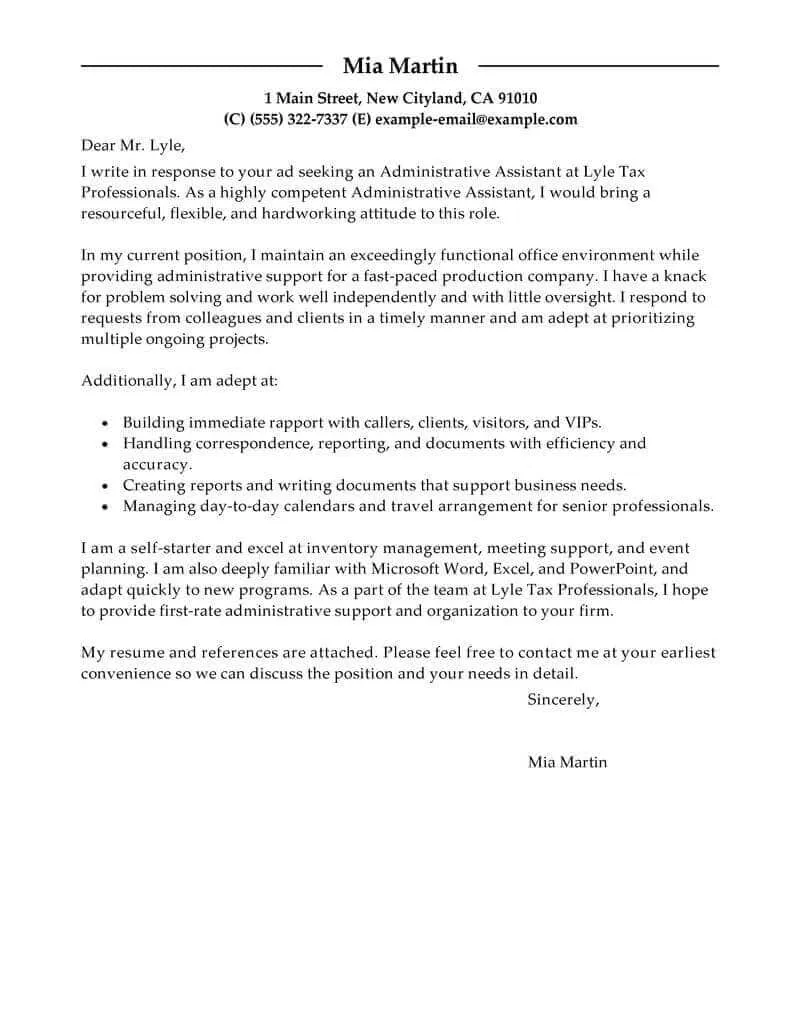
Understanding the Power of a Cover Letter
A cover letter is more than just a formality it’s your first chance to make a strong impression on a potential employer. It serves as a crucial introduction, providing context to your resume and highlighting your key skills and experiences in a way that a resume often can’t. Crafting a compelling cover letter significantly increases your chances of getting noticed and securing an interview. In today’s competitive job market, a well-written cover letter can be the deciding factor in whether your application makes it to the next stage or ends up in the rejection pile. It provides an opportunity to showcase your personality, enthusiasm, and genuine interest in the role and the company.
What is a Cover Letter
A cover letter is a one-page document that you submit alongside your resume when applying for a job. Its primary purpose is to introduce yourself to the hiring manager and explain why you’re the ideal candidate for the position. Unlike a resume, which is a factual summary of your skills and experience, a cover letter allows you to expand on your qualifications and express your personality. It provides a space to articulate your career goals, showcase your enthusiasm for the specific role and company, and demonstrate how your skills align with their needs. The best cover letters are tailored to each job application, reflecting a deep understanding of the role and a genuine interest in the organization.
The Importance of a Cover Letter

The importance of a cover letter lies in its ability to make a strong first impression and differentiate you from other applicants. While a resume presents the ‘what’ of your experience, the cover letter explains the ‘why’ and ‘how’. It allows you to tell a story, connect your skills to the job requirements, and demonstrate your understanding of the company. It’s also a key opportunity to address any potential gaps in your resume or explain career changes. A well-written cover letter showcases your communication skills, attention to detail, and genuine interest in the opportunity, all of which can significantly increase your chances of getting an interview. In many cases, a cover letter is mandatory, and failing to submit one can lead to automatic rejection.
Key Components of a Winning Cover Letter
Header and Contact Information
Start your cover letter with a professional header that includes your full name, contact information (phone number and email address), and the date. If you’re applying for a job through a specific online portal, ensure that your header information matches the details on your resume. Consider including your LinkedIn profile URL as well. This simple yet effective setup ensures that the hiring manager can easily reach you if they are interested in your application. Using a clean and professional font in the header is essential for making a positive first impression. It also showcases your attention to detail, which is a vital trait in any professional environment. Consistency in formatting across your resume and cover letter demonstrates a polished presentation.
Greeting the Hiring Manager

Personalize your greeting whenever possible. If you know the name of the hiring manager or the person responsible for reviewing applications, use it. This shows that you’ve taken the time to research the company and the role. Using ‘Dear Mr./Ms. [Last Name]’ is always a safe and professional choice. If you cannot find a specific name, you can use general greetings like ‘Dear Hiring Manager’ or ‘Dear [Company Name] Team’. Avoid generic greetings like ‘To Whom It May Concern’, which can make your letter feel impersonal. Addressing the recipient by name immediately grabs their attention and demonstrates your genuine interest in the position, setting you apart from applicants who don’t make the effort to personalize their cover letters.
Opening Paragraph [Grab Their Attention]
The opening paragraph is your chance to hook the reader. Briefly state the position you are applying for and where you found the job posting. Then, immediately highlight your most relevant skills or experience, and express your enthusiasm for the role and the company. Consider starting with a compelling statement that captures your unique value proposition. Make it clear why you are interested in the job and what makes you a great fit. This first paragraph sets the tone for the rest of the letter and encourages the reader to continue reading. Avoid generic phrases and instead, focus on what makes you stand out and why you are excited about the opportunity.
Body Paragraphs [Showcase Your Value]
This is where you elaborate on your qualifications and connect them to the job requirements. Use two or three body paragraphs to highlight your key skills, experiences, and achievements that align with the job description. Provide specific examples to demonstrate your abilities. Each paragraph should focus on a particular skill or experience, making it easy for the reader to understand your value. Quantify your achievements whenever possible – use numbers to show the impact of your work. For instance, instead of saying ‘Managed projects,’ say ‘Managed projects, resulting in a 15% reduction in costs.’ This will make your cover letter more engaging and credible. Always tailor your content to each specific job application.
Highlighting Relevant Skills and Experience

Focus on the skills and experiences that are most relevant to the job description. Review the job posting carefully and identify the key requirements. Then, choose examples from your past experiences that demonstrate these skills. Use action verbs to describe your accomplishments. For example, instead of saying ‘Responsible for customer service,’ say ‘Provided exceptional customer service, resolving over 100 inquiries per week.’ Make sure to connect your skills to the company’s needs. Explain how your skills will benefit the company and help them achieve their goals. Providing concrete examples adds credibility to your claims and demonstrates how you can contribute to the organization’s success.
Quantifying Achievements
Use numbers and data to demonstrate the impact of your work. Instead of simply stating that you ‘improved sales,’ quantify your achievement by saying ‘Increased sales by 20% in one quarter.’ This helps employers understand the value you can bring to their company. Use metrics to show your results and the positive outcomes. Think about the projects you’ve worked on and the results you’ve achieved. Include details like the percentage of cost savings, the number of customers served, or the amount of revenue generated. Quantifying your accomplishments makes your cover letter more compelling and shows that you are results-oriented. This adds significant impact to your claims.
Tailoring Your Cover Letter to the Job
Customize your cover letter for each job application. Avoid sending a generic cover letter. Instead, carefully review the job description and identify the specific skills and experiences that the employer is looking for. Highlight these relevant qualifications in your cover letter. Explain how your skills and experiences align with the job requirements. Also, research the company and mention why you are interested in working there. Show that you understand their mission, values, and goals. Tailoring your cover letter demonstrates your genuine interest in the position and increases your chances of getting noticed. Customizing shows that you are serious about the opportunity and have the skills the employer seeks.
Closing Paragraph [Call to Action]

Summarize your key qualifications and reiterate your enthusiasm for the position. Include a call to action, such as stating that you are eager for an interview and look forward to discussing your qualifications further. Make it easy for the hiring manager to take the next step. Thank them for their time and consideration. This leaves a positive impression and shows that you are proactive. The closing paragraph should reinforce your interest and make it clear that you are ready to move forward in the hiring process. Your call to action should be clear and easy to follow, making it easier for the hiring manager to contact you.
Formal Closing and Signature
Use a professional closing, such as ‘Sincerely’, ‘Best regards’, or ‘Respectfully’. Follow this with a typed signature, and below that, your full name. If you’re submitting a digital cover letter, you don’t need to include a physical signature. Ensure your closing matches the tone of your cover letter and is appropriate for the company culture. The signature indicates that you have reviewed the document and stand behind your application. This is a simple but important step in showing professionalism and attention to detail. A formal closing reinforces the professional tone of your letter.
Formatting and Style Tips for a Cover Letter
Font and Formatting

Choose a professional font, such as Times New Roman, Arial, or Calibri, and use a font size between 10 and 12 points. Use consistent formatting throughout your cover letter. Use 1-inch margins and single-spacing. Make sure the document is easy to read. Avoid using excessive bolding, italics, or underlining. Keep the tone professional and clear. A well-formatted cover letter is easier to read and more visually appealing. Use clear and concise language. Proper formatting demonstrates attention to detail and respect for the reader’s time. Ensuring your document is neat and well-structured is critical.
Proofreading and Editing
Proofread your cover letter carefully for any typos, grammatical errors, and spelling mistakes. Have a friend or family member review your cover letter. Errors can undermine your credibility. Reading your cover letter aloud can help you catch mistakes. Correct any inconsistencies in your writing style. Make sure all your information is accurate. Proofreading and editing ensure that your cover letter is polished. A well-edited cover letter will make a positive impression. Professional writing is essential in the job application process. Proofreading is one of the most crucial steps.
Common Mistakes to Avoid in Cover Letters
Generic Cover Letters

Avoid using a generic cover letter that you send to every job. Tailor each cover letter to the specific job and company. Show that you understand the job requirements and the company’s mission. Personalize your cover letter. Generic letters show a lack of effort and genuine interest. Customize your letter to reflect your interest in each particular role. Tailoring your cover letter increases your chances of getting noticed. Generic cover letters do not impress hiring managers.
Typos and Grammatical Errors
Carefully proofread your cover letter for any errors. Typos and grammatical mistakes can make a bad impression. Double-check all spellings and grammar. Review the document multiple times. Have someone else review your cover letter for any errors you may have missed. Make sure all the information is accurate. Errors make you seem careless and unprofessional. Proofreading eliminates these mistakes. Attention to detail is critical in a cover letter.
Not Tailoring to the Specific Job
Customize your cover letter to the specific job you are applying for. Read the job description carefully. Identify the key requirements and skills the employer is looking for. Highlight your relevant skills and experiences. Show how your qualifications match the job requirements. Make sure you include relevant keywords. Generic cover letters don’t show that you understand the job. Customization shows the employer you are the right fit. Customization boosts your chances of an interview.
How to Get Started [Writing the Cover Letter]
Researching the Company and Role
Before you start writing, research the company and the role. Visit the company’s website and review the ‘About Us’ page. Read the job description carefully and identify the key requirements. Understand the company’s mission, values, and goals. Research the hiring manager or the team. This research will help you tailor your cover letter to the company’s needs. Demonstrate your understanding of the company and role. Use this information to showcase your genuine interest. This shows that you have prepared. Researching shows you are the right fit.
Outlining Your Cover Letter
Create an outline before you start writing. This will help you organize your thoughts and ensure your cover letter is well-structured. Include an introduction, body paragraphs, and a conclusion. Highlight your key skills and experiences in the body paragraphs. Include a call to action in your conclusion. Using an outline will make the writing process much easier. This will help make sure all the necessary points are covered. Outlining will ensure your cover letter flows. An outline improves structure and clarity.
Writing the First Draft
Write the first draft of your cover letter without worrying too much about perfection. Just get your thoughts down on paper. Follow your outline and expand on each point. Write in a clear and concise manner. Focus on highlighting your key skills and experiences. Don’t overthink it – just write! Editing comes later. This is your opportunity to let your ideas flow. Writing the first draft can be the hardest part. Get it done. Do not edit until it is complete. The first draft is a critical starting point.
Reviewing and Refining
After you have written the first draft, review and refine it. Proofread your cover letter for any errors in grammar or spelling. Make sure your writing is clear and concise. Check that your formatting is consistent. Consider having a friend or family member review your cover letter. Edit your cover letter to be perfect. Revision is an essential step. Polishing makes it exceptional. This shows you are committed to perfection. The review process will make it better.
Cover Letter Examples [For Different Industries]
Different industries require different approaches to cover letters. For example, a cover letter for a creative role may be more expressive than a cover letter for a more technical role. Research the specific norms of your industry. Look at examples of successful cover letters in your field. Tailor your cover letter to the specific job and industry. This will help you stand out from the competition. Adapt your tone and content for each industry. Consider the culture and the expectations of the company. Tailoring your cover letter is important for success.