Why Your Cover Letter Greeting Matters
The greeting in your cover letter is far more critical than you might think. It’s the first thing the hiring manager reads, and it sets the tone for the entire document. A well-crafted greeting shows you’ve taken the time to personalize your application, while a generic or incorrect one can immediately send your application to the rejection pile. Understanding the nuances of a proper greeting can significantly boost your chances of getting noticed and landing an interview. The greeting is not just a formality; it’s a strategic move in the competitive job market.
First Impressions are Crucial
First impressions are everything, and your cover letter greeting is the first impression you make on a potential employer. It’s the initial opportunity to show that you are a detail-oriented individual who cares enough to tailor their application to the specific company and role. A generic greeting, like ‘To Whom It May Concern,’ suggests a lack of effort, while a personalized greeting demonstrates initiative and a genuine interest in the position. This initial impression can significantly influence how the hiring manager perceives your entire application and, by extension, you as a candidate. Remember, you’re vying for attention, and a strong opening is key.
Setting the Tone

The greeting sets the tone for the entire cover letter. A formal greeting, such as ‘Dear Mr. Smith,’ signals professionalism and respect, which is appropriate for many industries. Conversely, in more casual environments, a greeting like ‘Hi [Hiring Manager Name]’ might be acceptable. The choice of greeting also reflects your understanding of the company culture. A greeting that aligns with the company’s style will make a positive impression, signaling that you fit well with their environment. This is why it’s essential to research the company and the hiring manager before crafting your greeting.
Common Cover Letter Greeting Mistakes
Several mistakes can easily undermine your cover letter greeting and damage your chances of getting hired. Avoid these pitfalls to make a great first impression. These mistakes are easily avoidable with a little preparation. Knowing what to avoid is just as important as knowing what to do.
Using ‘To Whom It May Concern’
Using ‘To Whom It May Concern’ is a common mistake that signals a lack of effort. It’s impersonal and shows that you haven’t taken the time to find out who will be reading your letter. This greeting can make you appear lazy or uninterested in the specific opportunity. While it’s better than nothing, it’s far from ideal. Strive to find the hiring manager’s name or at least the department’s name. Making that extra effort immediately sets you apart from other applicants. Always aim for a more personalized approach to demonstrate your enthusiasm and attention to detail.
Addressing a Specific Person

Misspelling the hiring manager’s name or using the wrong title is a significant error. It reflects poorly on your attention to detail and can make you appear unprofessional. Always double-check the correct spelling and title. If you are unsure of their gender, avoid gendered titles like ‘Mr.’ or ‘Ms.’ and use their full name. Furthermore, ensure you are addressing the right person for the position. If you cannot find the hiring manager’s name, consider addressing the letter to the hiring team or the department head. Accuracy and personalization are key to a successful cover letter.
Best Cover Letter Greetings to Use
Choosing the right greeting depends on the situation. Consider the company culture and the level of formality. Here are some of the best options to consider when drafting your cover letter, depending on the context. Each of these can be tailored to fit a wide range of professional scenarios.
Formal Greetings
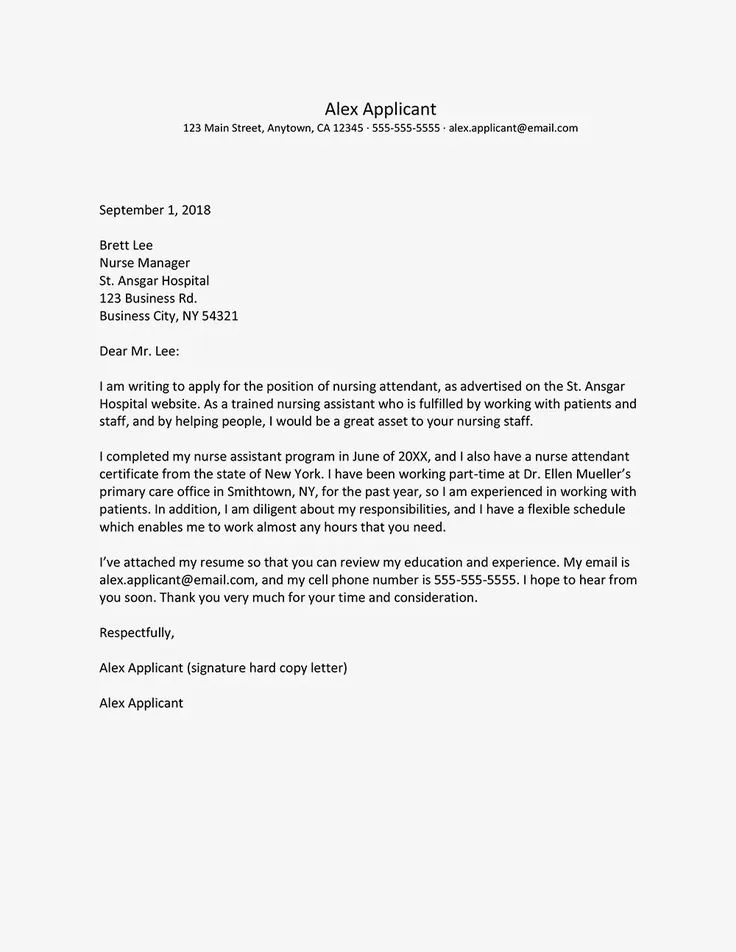
In most professional environments, formal greetings are the safest choice. When you know the hiring manager’s name, ‘Dear Mr./Ms./Mx. [Last Name]’ is a solid option. This shows respect and professionalism. If you are unsure about their gender, you can omit the title and use ‘Dear [First Name] [Last Name].’ If you do not know the name, using ‘Dear Hiring Manager’ or ‘Dear [Department Name] Team’ are acceptable alternatives. These options are appropriate when you want to maintain a professional tone and show courtesy in your correspondence. Use these as your baseline and adjust as needed.
Informal Greetings

Informal greetings can be suitable for certain companies and industries. If the company culture is known to be casual, you might use ‘Dear [First Name],’ ‘Hi [Name],’ or even ‘Hello [Name].’ These greetings can create a more friendly and approachable tone. However, only use informal greetings if you know the company culture and are sure it is appropriate. Otherwise, stick with a more formal option. When in doubt, lean towards professionalism. Your goal is to get your application noticed, but not in a way that might offend.
When to Use Each Type
The best greeting to use depends on your research. For formal industries like law or finance, a formal greeting is almost always necessary. In creative fields or tech startups, a more informal greeting might be welcome. Always research the company culture and look at their online presence and social media. If you can find the hiring manager’s name, always use it. If not, addressing the department or hiring team is the next best option. Your research and preparation pay off when you make a good first impression.
Tips for Effective Cover Letter Greetings
Creating the perfect cover letter greeting can significantly improve your chances of success. Here are some key tips to keep in mind as you write yours. Following these tips will help you make a positive and memorable opening that captures the hiring manager’s attention.
Researching the Hiring Manager

Researching the hiring manager is one of the most important steps in writing a strong cover letter greeting. Use LinkedIn, the company website, and other online resources to find the hiring manager’s name and title. Knowing their name shows you have taken the time to personalize your application. If you cannot find the hiring manager’s name, try to find the name of the department head or the person who will be reviewing applications. This level of detail demonstrates that you care enough to make an effort.
Personalizing Your Greeting
Personalizing your greeting is crucial to making a good impression. Generic greetings, like ‘To Whom It May Concern,’ don’t show any real effort and make it seem like you are sending out the same letter to every company. Tailor your greeting to the specific job and company. This shows that you’re genuinely interested in the position and that you’ve taken the time to learn about the opportunity. A personalized greeting stands out among the many generic applications and increases your chances of being noticed by the hiring manager.
Proofreading for Errors
Proofreading your cover letter is non-negotiable. Spelling and grammar errors in your greeting can undermine all your efforts. Mistakes reflect poorly on your attention to detail, which is something employers look for. Always double-check the spelling of the hiring manager’s name and the company name. Read your cover letter out loud to catch any awkward phrasing. Use a grammar checker to ensure your writing is polished and error-free. A well-proofread cover letter demonstrates professionalism and attention to detail, qualities that hiring managers highly value.
Cover Letter Greeting Examples

Here are examples of effective cover letter greetings to guide you. These can be tailored to fit different situations. Consider these examples and adapt them to your unique job search needs. The appropriate greeting depends on the specific context of the job application.
Formal Examples
Formal greetings are suitable for professional settings. Here are some examples:
- Dear Mr. Smith,
- Dear Ms. Johnson,
- Dear Hiring Manager,
- Dear [Department Name] Team,
These greetings are suitable for most situations where a degree of formality is expected. Always use these unless you know the culture is more casual.
Informal Examples
Informal greetings can be a good choice for more relaxed companies. Examples include:
- Dear [First Name],
- Hi [Name],
- Hello [Name].
Use these only if the company culture is known to be casual and friendly. Otherwise, a more formal greeting is safer. Always be cautious, and if in doubt, err on the side of formality to avoid giving the wrong impression.
Cover Letter Greeting FAQs

Here are some frequently asked questions about cover letter greetings to address common concerns. These questions help clarify and simplify the writing process, giving you clear guidance for a great cover letter opening.
Is it okay to use ‘Dear Sir/Madam’
Avoid using ‘Dear Sir/Madam’ unless you have absolutely no other option. This greeting is outdated and impersonal, suggesting that you haven’t made any effort to find the name of the hiring manager. It’s better than ‘To Whom It May Concern,’ but it is still not ideal. Always try to address the letter to a specific person or department to show your genuine interest and attention to detail. If you are unable to find the hiring manager’s name, consider using ‘Dear Hiring Manager’ or ‘Dear [Department Name] Team’.
How to find the hiring manager’s name
Finding the hiring manager’s name is crucial for personalizing your cover letter greeting. You can typically find this information by:
- Checking the job posting itself
- Visiting the company’s website, particularly the ‘About Us’ or ‘Team’ sections.
- Searching LinkedIn for the hiring manager or the person in charge of the specific role.
- Contacting the company’s HR department to ask for the name of the hiring manager.
Make sure you are confident in the name before including it in the cover letter. Double-check the spelling and title. This level of research and attention is impressive to hiring managers.
The Impact of a Great Greeting

The greeting in your cover letter is the first point of contact with a potential employer and can significantly impact your chances of getting an interview. A well-crafted greeting sets a positive tone and shows that you’ve taken the time to personalize your application. It demonstrates your attention to detail, professionalism, and genuine interest in the position. Investing the time to craft a perfect greeting is an investment in your job search, and it could be the key that unlocks the door to your next career opportunity. This is the first step to creating a cover letter that stands out from the competition, and the best way to begin.