Understanding the Importance of Cover Letter Sign-Off
The sign-off of your cover letter is more than just a formality; it’s your final opportunity to make a positive impression. It’s the last thing a hiring manager reads before deciding whether to consider you for the role. A well-chosen sign-off reflects professionalism, attention to detail, and respect for the recipient. Conversely, a poorly chosen or overlooked sign-off can undermine your entire application, signaling a lack of care or even a misunderstanding of workplace etiquette. The sign-off sets the tone for your application and can subtly reinforce your suitability for the role. Recognizing its significance is the first step toward mastering the art of the perfect cover letter sign-off, ensuring your application leaves a lasting positive impact and increases your chances of landing an interview.
Why Your Sign-Off Matters
Your cover letter sign-off acts as a final handshake, conveying your professionalism and respect. It demonstrates your understanding of business etiquette and your attention to detail, crucial qualities employers seek. It also provides a subtle reinforcement of the positive qualities you highlighted in your cover letter, such as enthusiasm, dedication, or a strong work ethic. This small element of your application can differentiate you from other candidates who may overlook such details, and it can subtly influence the hiring manager’s perception of you. Consider your sign-off as a closing statement, ensuring your application concludes on a high note, leaving a memorable and positive impression. It offers a chance to reiterate your commitment and close your application with a sense of closure, preparing the reader to take the next step – contacting you for an interview.
Common Cover Letter Sign-Off Mistakes

Several common mistakes can damage the impact of your cover letter sign-off. Using overly casual or informal language, like ‘Thanks’ or ‘See ya,’ in a professional context is a significant misstep, potentially reflecting negatively on your professionalism. Another frequent error is using the wrong sign-off for the specific role or company. Generic choices such as ‘Yours Truly’ can appear impersonal. A third mistake involves not proofreading your sign-off, leading to spelling or grammatical errors that undermine your credibility. Finally, failing to tailor your sign-off to the specific job or company demonstrates a lack of research and understanding of the workplace. These mistakes can create a negative impression, reducing the effectiveness of your application and diminishing your chances of securing an interview. Avoiding these common pitfalls is essential for crafting a cover letter that resonates with potential employers.
Using Informal Sign-Offs Incorrectly
Informal sign-offs can be a risky choice in professional cover letters. Using phrases like ‘Best,’ ‘Cheers,’ or even ‘Later’ can be perceived as unprofessional, depending on the industry and company culture. These greetings are often suitable for emails between colleagues, but they may not be appropriate when applying for a job. Such language can be misinterpreted as a lack of seriousness or respect for the hiring process. If you’re unsure about the company culture, it’s best to err on the side of caution and choose a more formal sign-off. Always research the company to gauge the appropriate level of formality. When in doubt, opt for professional options such as ‘Sincerely’ or ‘Best Regards’ to avoid missteps that could negatively affect your application.
Choosing the Right Sign-Off
Selecting the most appropriate sign-off depends on several factors, including the company culture, your relationship with the hiring manager (if any), and the industry norms. Researching the company culture is essential. If the company culture seems formal, a sign-off like ‘Sincerely’ or ‘Best Regards’ is a safe bet. If it’s more casual, a slightly less formal sign-off might be acceptable, but always maintain a level of professionalism. Your relationship with the hiring manager also plays a role. If you’ve had previous correspondence, a more personal sign-off may be appropriate. The industry norm is essential to consider, as some industries have traditional expectations for formality. Always review your cover letter to ensure the sign-off aligns with the overall tone and message you want to convey. The right sign-off should feel authentic to your voice while maintaining a professional edge.
Professional Sign-Off Options

Several professional sign-off options consistently leave a positive impression. ‘Sincerely’ is a classic choice, conveying respect and formality without being overly stiff. ‘Best Regards’ is versatile and suitable for most applications, showing politeness and professionalism. ‘Most Sincerely’ adds a touch of warmth while maintaining formality, useful if you want to convey enthusiasm. Other options include ‘Respectfully,’ which shows deference, and ‘Thank you for your consideration,’ suitable if you wish to express your gratitude. Choose an option that feels natural to you and aligns with the tone of your cover letter and the company’s culture. Remember to consistently use one sign-off throughout your application to maintain professionalism.
Sincerely
The term ‘Sincerely’ is a timeless and highly respected option, perfect for almost any cover letter. It strikes a balance between formality and warmth, conveying respect without appearing overly formal. It is a standard sign-off for many industries, suitable for expressing genuine interest in the position. This sign-off is a reliable choice when you want to maintain a professional tone. The simplicity of ‘Sincerely’ makes it universally acceptable, regardless of the company culture or the hiring manager’s background. It implies a genuine interest in the position, which is perfect when showing your enthusiasm and qualifications.
Best Regards
Another excellent option is ‘Best Regards,’ which conveys professionalism and a touch of warmth. This phrase is versatile and suitable for a wide range of cover letters and job applications. It is a common choice, especially when you’re unsure about the company culture. ‘Best Regards’ acknowledges the reader’s time and expresses a wish for their well-being, reflecting a professional and respectful approach. This option is highly suitable if you want to present yourself as someone who values politeness and good communication. Its universality makes it a secure option for most situations, ensuring a positive and professional closure to your cover letter.
Most Sincerely

If you wish to add a touch of warmth to your sign-off, ‘Most Sincerely’ is a great choice. It conveys a higher level of sincerity, suitable when you want to show particular enthusiasm for the role or company. It is slightly more personal than ‘Sincerely’ while still maintaining a professional tone. Use ‘Most Sincerely’ when you’re genuinely enthusiastic about the opportunity and want to emphasize your commitment. This phrase can be useful when applying for jobs in creative or relationship-focused industries, where a slightly warmer tone can be appreciated. However, always ensure your enthusiasm aligns with the company culture and your overall application.
Formal Sign-Off Best Practices
When using formal sign-offs, maintaining consistency is key. Choose one professional sign-off option and use it consistently throughout your cover letter and any other related correspondence. Be sure to use proper grammar, punctuation, and capitalization. Ensure your sign-off aligns with the overall tone of your cover letter. If your letter is formal, your sign-off should be formal. If your letter is more relaxed, you might consider a slightly less formal but still professional sign-off. Always proofread your sign-off carefully before submitting your application. A single typo can diminish the impact of your sign-off and undermine your credibility. A well-crafted and error-free sign-off enhances your professionalism and reinforces the positive impression you want to create.
Tailoring Your Sign-Off to the Job
Customizing your sign-off to the specific job is crucial for creating a strong impression. Research the company’s culture to understand the appropriate level of formality. If the company has a formal atmosphere, use a traditional sign-off like ‘Sincerely’ or ‘Best Regards’. If the culture is more relaxed, you might opt for something like ‘Best’ or ‘Warm Regards,’ but always remain professional. Consider your relationship with the hiring manager. If you’ve had previous communication, you might choose a slightly more personal touch, but be careful not to be too casual. Tailoring your sign-off shows that you pay attention to detail and that you’re genuinely interested in the specific role and company. This demonstrates a level of commitment that hiring managers will appreciate, setting you apart from other candidates and increasing your chances of an interview.
Researching Company Culture
Researching a company’s culture is essential before choosing your sign-off. Visit the company’s website and social media profiles, look for clues about their tone of communication. Look at their ‘About Us’ page, read any blogs or articles, and check out their LinkedIn profiles. Observe how they communicate with their customers and employees. Look for hints about their values and communication styles. If you know someone who works at the company, consider asking them about the workplace culture. Some companies favor a more relaxed approach, while others are strictly formal. A more casual tone is often suitable for startups or creative agencies. When in doubt, it’s always best to be more formal than less. Research is vital; if you’re unsure, a professional sign-off is a safe bet.
Matching Your Tone to the Employer
Aligning your tone with the employer’s is a key part of crafting an effective cover letter sign-off. This involves assessing the company culture and adjusting your communication accordingly. If the company is known for its formal atmosphere, using a more formal sign-off like ‘Sincerely’ is appropriate. If the company culture is more relaxed, you might opt for ‘Best Regards’ or another suitable option. When you match your tone, you demonstrate that you understand the company’s values and communication style. It also shows that you pay attention to detail and are adaptable, which are valuable qualities for any employee. The most effective applications adapt to each company’s nuances, and the sign-off is a small but critical opportunity to match your tone and demonstrate your suitability for the role.
Actionable Steps to Perfect Your Sign-Off
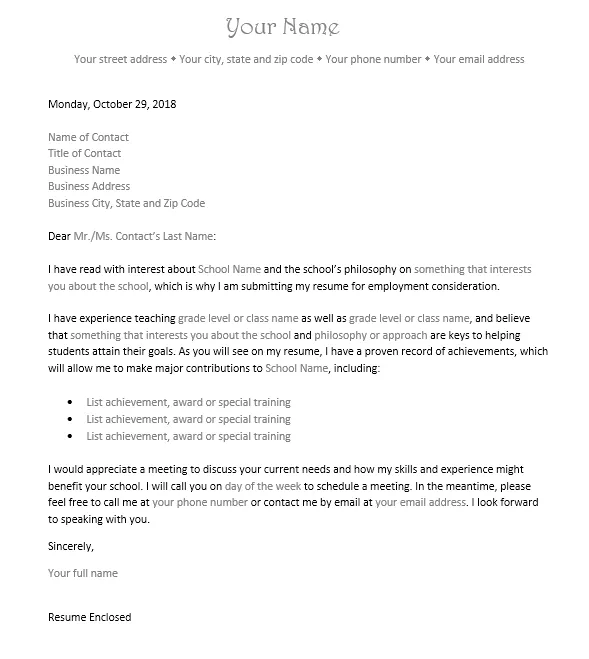
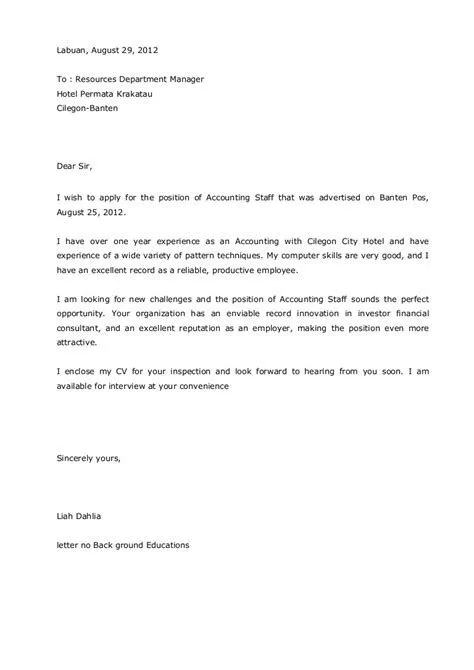
Here are the actionable steps to help you perfect your sign-off. Research the company culture and industry norms to gauge the appropriate level of formality. Choose a sign-off that matches this tone; if you’re unsure, stick with a professional choice such as ‘Sincerely’ or ‘Best Regards’. Proofread your entire cover letter, including the sign-off, for any errors in grammar, spelling, and punctuation. Make sure your chosen sign-off aligns with the rest of your cover letter, consistency is key. Always personalize your sign-off to the specific job and company whenever possible. Finally, remember to include your full name and contact information below your sign-off, ensuring the hiring manager can easily reach you.
Proofread Carefully

Thorough proofreading is absolutely critical for a professional cover letter sign-off. Review your chosen sign-off for any spelling errors, grammatical mistakes, or punctuation issues. Even a minor typo can create a negative impression. Check the entire letter, not just the sign-off, to make sure it is polished and error-free. Consider using a grammar checker tool or asking a friend to review your letter. Proofreading is a final step for making sure that your application leaves a positive impression on the hiring manager. A mistake-free sign-off signifies your attention to detail and respect for the reader.
Add Contact Information
After your sign-off, always include your contact information. Provide your full name, phone number, and email address to make it easy for the hiring manager to contact you. Double-check that your contact details are accurate and up-to-date. This makes it simple for employers to get in touch with you if they’re interested in your application. Ensure your email address is professional. Adding your contact information directly below the sign-off is an efficient way to close your cover letter and is standard professional practice. This final step ensures that your application process concludes smoothly and effectively.
The Impact of a Great Sign-Off
A well-chosen sign-off can significantly impact your job application, demonstrating professionalism, attention to detail, and respect. It reinforces the overall positive tone of your cover letter, leaving a strong and lasting impression on the hiring manager. A great sign-off increases your chances of getting noticed and remembered. It sets you apart from other applicants who might overlook this detail. In the highly competitive job market, every element matters, and the sign-off is no exception. A professional and well-crafted closing can be the finishing touch that elevates your application, making you a standout candidate, and increasing the likelihood of securing an interview and landing your dream job. It’s a small investment that can yield significant rewards.