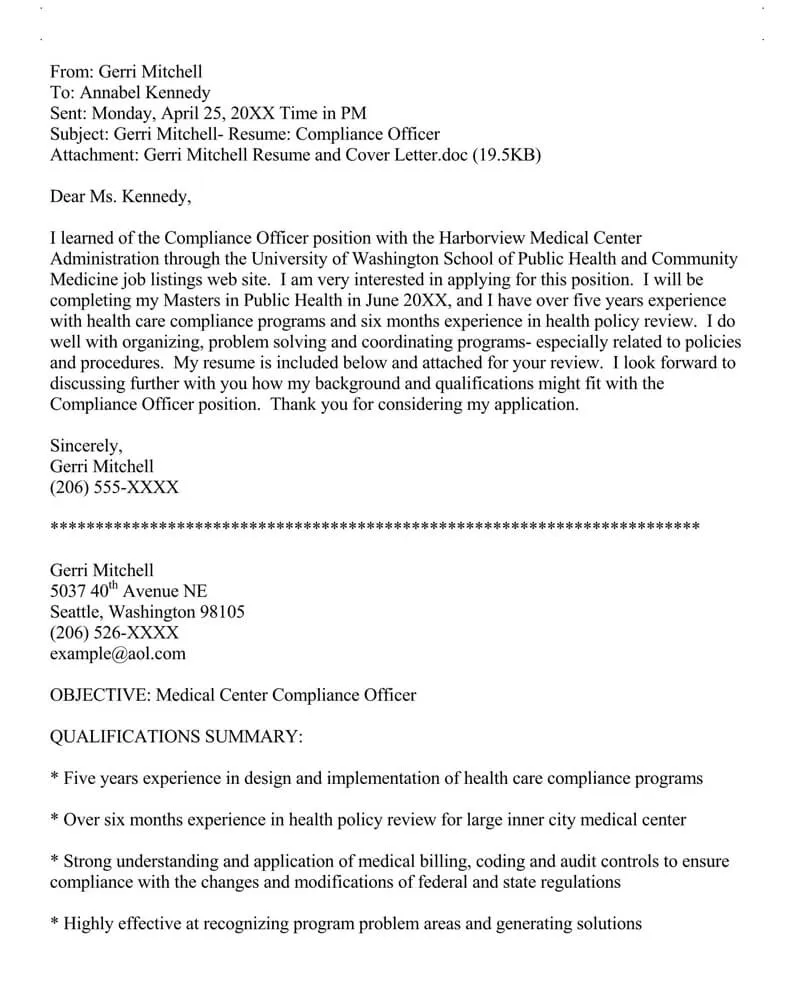
Understanding the Importance of a Resume Email
In today’s digital age, your resume email is often the first impression you make on a potential employer. It’s more than just a way to send your resume and cover letter; it’s an opportunity to showcase your professionalism, communication skills, and attention to detail. A well-crafted email can significantly increase your chances of landing an interview, while a poorly written one can send your application straight to the digital trash bin. Therefore, investing time and effort into creating a compelling resume email is crucial for a successful job search. It sets the tone for your entire application and demonstrates your commitment to the position.
Why a Great Resume Email Matters
A great resume email grabs the reader’s attention, highlights your key qualifications, and encourages them to open your attachments. It demonstrates your ability to communicate effectively, a skill highly valued by employers across all industries. The email acts as a brief introduction, enticing the recipient to delve deeper into your resume and cover letter. It also shows that you understand professional etiquette and are capable of adhering to basic communication guidelines. It is your chance to make a strong first impression and make the hiring manager want to learn more about you. This email is also a reflection of you.
Common Mistakes to Avoid

Several common mistakes can ruin your chances. These include using generic greetings, such as ‘To Whom It May Concern,’ when you can find the hiring manager’s name. Other mistakes include typos, grammatical errors, and a lack of personalization. Sending an email without a clear subject line, or one that is too vague, can lead to your application being overlooked. Failing to tailor your message to the specific job requirements is another significant error. Finally, not attaching your resume and cover letter correctly or sending them in incompatible formats is a common mistake that can prevent the recipient from reviewing your application. Avoiding these errors is crucial.
Crafting the Perfect Subject Line
The subject line is the first thing a hiring manager sees, so it must be clear, concise, and compelling. It should immediately convey the purpose of the email and help the recipient quickly understand what it’s about. A well-crafted subject line increases the likelihood of your email being opened and read, which is the first step toward getting your resume and cover letter reviewed. It is also a very important key to getting you one step further into getting hired. Don’t waste this opportunity.
Keywords and Clarity
Use keywords from the job description in your subject line to help your email get noticed by Applicant Tracking Systems (ATS) and hiring managers. Be as clear as possible about what you are sending and the position you are applying for. Avoid vague phrases or overly creative titles that might confuse the recipient. Keep it simple. Clarity is key to ensure the email is easily understood and correctly routed. Using the job title or a reference number can help ensure your email is directed to the correct person. Clarity ensures that your application is not overlooked.
Examples of Effective Subject Lines

Here are some effective subject line examples: ‘Application for Marketing Manager Position - [Your Name]’, ‘Resume Submission - Software Engineer’, ‘Job Application - [Your Name] - [Job ID]’, ‘Interested in [Job Title] Position’, ‘[Your Name] - Application for [Job Title]’. These subject lines are concise, informative, and include relevant keywords. They make it immediately clear what the email contains and the position you are applying for, increasing the chance of your email being opened and reviewed. They are clear and easy to understand.
Writing a Compelling Email Body
The body of your email should complement your resume and cover letter, not simply repeat the information found there. It should be a brief, engaging introduction that highlights your key qualifications and expresses your interest in the position. The tone should be professional yet personable, reflecting your personality and enthusiasm for the opportunity. Keep the email concise, focusing on what makes you a good fit for the role. Remember, it’s an opportunity to showcase your communication skills and make a positive impression. Always remember to include a call to action, encouraging the recipient to review your attached documents.
Personalizing Your Message
Personalize your email by addressing the hiring manager by name if you know it. Research the company and the role to show you understand their needs and tailor your message accordingly. Mention specific aspects of the job description that resonate with your skills and experience. Demonstrating this level of personalization shows that you’re genuinely interested in the role and have taken the time to understand the company. Personalization increases the impact of your email and makes you stand out from other applicants. It also shows that you are proactive and interested.
Highlighting Key Skills and Experience

In your email, briefly highlight the skills and experiences that are most relevant to the job you’re applying for. Focus on 2-3 key achievements or qualifications that align with the job requirements. Quantify your achievements whenever possible (e.g., ‘increased sales by 15%’). This helps the hiring manager quickly grasp your value. It should not be a long list, but more of a brief overview of what you bring to the table. Highlighting these skills and experience will make you a strong candidate.
Attaching Your Resume and Cover Letter
Attaching your resume and cover letter correctly is crucial. Ensure that both documents are attached to the email before sending. Double-check that the files are the correct versions and that they open properly. It’s also essential to name the files clearly and professionally. Following these guidelines will make it easy for the recipient to find, open, and review your documents. Ensure that your resume and cover letter are ready before attaching them to the email.
File Format and Naming Conventions
Use PDF format for your resume and cover letter to ensure that your formatting is preserved across different devices and operating systems. When naming your files, use a clear and consistent format, such as ‘[Your Name] - Resume.pdf’ and ‘[Your Name] - Cover Letter.pdf’. This makes it easy for the recipient to identify your documents and keeps your files organized. This also shows that you pay attention to detail and understand professional standards.
Ensuring Compatibility

Always verify that your attachments open correctly and are not corrupted before sending the email. Ensure that the files are compatible with common software like Microsoft Word or Google Docs. You can do this by opening the files yourself to confirm that they display as intended. Also, ensure that the attachments are easily readable. This prevents any issues for the hiring manager, ensuring they can easily access your application. Ensuring compatibility also shows your attention to detail.
Proofreading and Sending Your Email
Before sending your resume email, proofread it carefully for any errors in grammar, spelling, and punctuation. Use a spell checker, but also read the email aloud to catch any mistakes. Ensure that all the necessary information is included and that the tone is professional. Double-check all attachments and links to make sure they work correctly. Take the time to review your email thoroughly; it’s a reflection of your professionalism and attention to detail. A single error can diminish your chances of getting the job.
Checking for Errors
Proofreading involves checking for errors in grammar, spelling, and punctuation. You should also ensure that all the information is correct, including the recipient’s name and the company name. Read through the entire email carefully, and consider having a friend or family member review it as well. Using a grammar checker can also be helpful, but remember to review the suggestions carefully. Checking for errors guarantees that your email is professional and free from distracting mistakes. Double-check everything before sending the email.
Choosing the Right Time to Send

Consider the recipient’s time zone when choosing the best time to send your email. Sending your email during business hours, typically between 9 AM and 5 PM, is generally recommended. Avoid sending emails late at night or early in the morning unless you know the company’s work hours. Keep in mind that the hiring manager may be receiving many applications, so sending your email at the right time can help it stand out. The goal is to send your email when the hiring manager is most likely to be actively reviewing applications. Timing can make a difference.
Following Up After Sending
Following up after sending your resume email shows your continued interest in the position and helps you stay top of mind. However, you should follow up at an appropriate time and in a professional manner. Timing is key; avoid following up too soon, which can appear impatient. You can follow up by email or by phone. Following up is an important way to show your interest in the company.
When and How to Follow Up
Wait at least a week or two after sending your initial email before following up, unless the job posting specifies a different timeline. When you follow up, refer to the position and reiterate your interest. You can send a short email or make a brief phone call. Be polite and professional, and express your continued enthusiasm for the role. Following up politely shows you are serious about the role. If you are not hearing back, you can move on and focus on other opportunities.
Keeping the Conversation Going

If you receive a response, whether it’s an interview request or a rejection, respond promptly and professionally. If you are invited to an interview, thank the hiring manager for the opportunity and confirm the details. If you receive a rejection, thank them for their time and express your continued interest in future opportunities. Keeping the conversation going ensures that you maintain a positive relationship with the company, which is important even if you don’t get the job. Professionalism is important, even if you don’t receive an offer.