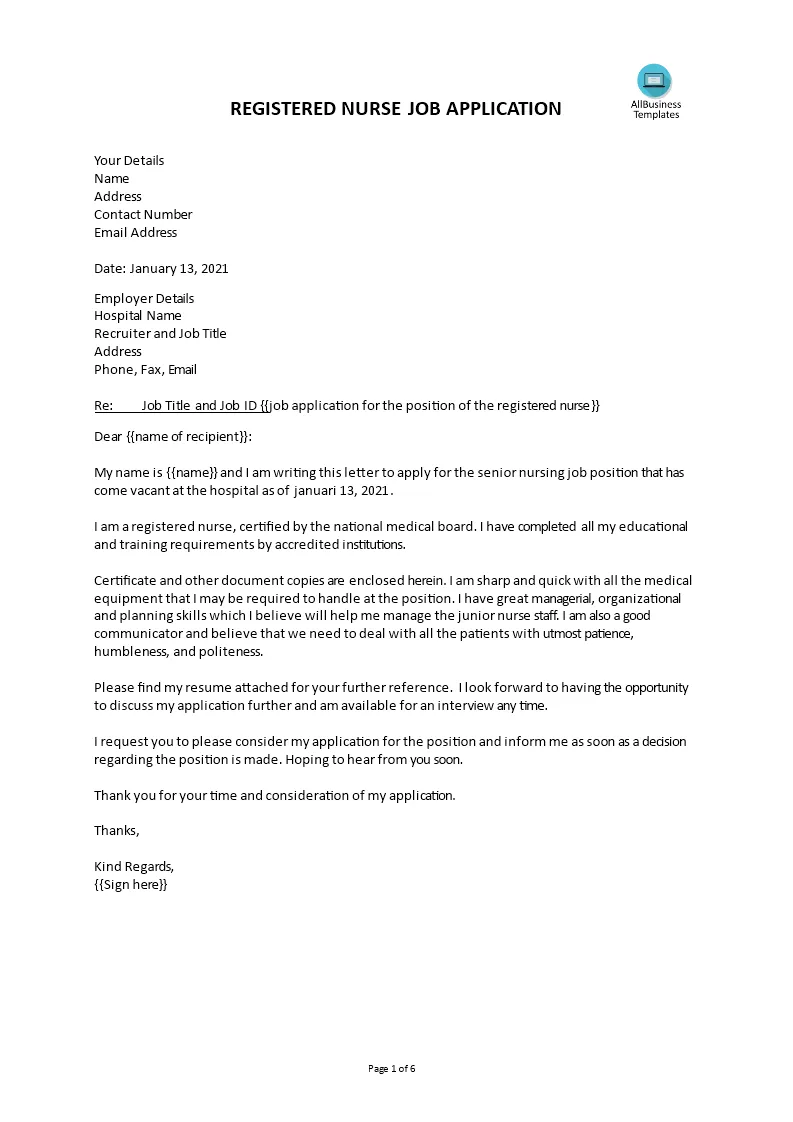
What is a Cover Letter?
A cover letter is a crucial document that accompanies your resume when applying for a job. It serves as a personalized introduction, allowing you to showcase your skills, experience, and enthusiasm for the specific position and company. Unlike a resume, which provides a factual overview of your qualifications, a cover letter gives you the opportunity to tell your story, explain why you’re a perfect fit, and demonstrate your genuine interest in the role. It’s your chance to make a strong first impression and convince the hiring manager to read your resume and consider you for an interview. Think of it as your elevator pitch, tailored to the specific job you’re applying for. A well-written cover letter can significantly increase your chances of getting noticed and advancing in the hiring process, setting you apart from other applicants.
Why You Need a Cover Letter
In today’s competitive job market, a cover letter is no longer optional; it’s a necessity. While your resume provides the ‘what’ – your skills and experience – the cover letter provides the ‘why’ – why you’re the best candidate and why you’re interested in the specific opportunity. It allows you to address the employer directly, expressing your understanding of their needs and demonstrating how your skills and experience align with them. A cover letter shows your communication skills, attention to detail, and your ability to tailor your message to a specific audience, all essential qualities employers seek. Moreover, it gives you the opportunity to explain any gaps in your employment history, career changes, or other relevant information that might not be immediately apparent from your resume alone. Without a compelling cover letter, your application might be overlooked, even if you possess the necessary qualifications.
Key Components of a Cover Letter

A well-structured cover letter comprises several key components, each serving a specific purpose in conveying your qualifications and enthusiasm. These components work together to create a cohesive and persuasive document that grabs the hiring manager’s attention. Each section should be carefully crafted to highlight your strengths and demonstrate your suitability for the role. Understanding these components is essential for creating a cover letter that stands out from the competition and effectively communicates your value proposition. Make sure to include all key elements for a complete and effective cover letter.
Contact Information
Begin your cover letter with your contact information. Include your full name, phone number, email address, and optionally, your LinkedIn profile URL. This information should be clearly displayed at the top of the letter, making it easy for the hiring manager to contact you. Ensure your email address is professional and your phone number is up-to-date and accessible. Consider including the date of the letter as well, especially if you are sending a physical copy. Proper contact information is a basic but essential element, ensuring the hiring manager can reach you promptly if they wish to proceed with your application.
Professional Greeting
Addressing your cover letter to the appropriate person is crucial. Whenever possible, find the name of the hiring manager or the specific person responsible for reviewing applications. Research the company website, LinkedIn, or other resources to identify the correct contact. A personalized greeting, such as “Dear Mr./Ms. [Last Name],” is far more effective than a generic greeting like “To Whom It May Concern.” If you are unable to find a specific name, “Dear Hiring Manager” is an acceptable alternative. This shows that you’ve taken the time to research the company and demonstrates your attention to detail. This simple step makes your letter feel less generic and shows you’re serious about the position.
Opening Paragraph

The opening paragraph is your chance to capture the hiring manager’s attention immediately. State the position you are applying for and briefly mention where you saw the job posting. Then, immediately express your enthusiasm for the role and the company. Briefly highlight your most relevant skill or experience that aligns with the job requirements. Avoid generic phrases; instead, convey a genuine interest in the opportunity and make it clear why you’re a good fit. This opening paragraph sets the tone for the rest of your letter and encourages the reader to continue. Make it concise, engaging, and tailored to the specific job.
Highlighting Your Skills and Experience
The body of your cover letter is where you demonstrate how your skills and experience match the job requirements. Review the job description carefully and identify the key skills and qualifications the employer is seeking. Then, provide specific examples from your previous roles or experiences that showcase these skills. Use action verbs to describe your accomplishments and quantify your achievements whenever possible. Explain how your skills and experiences have prepared you for the role and how you can contribute to the company’s success. Tailor this section to each job application, highlighting the most relevant skills and experiences for each specific position. This is the core of your cover letter where you make your case for being hired.
Tailoring Your Cover Letter
One of the most crucial aspects of a successful cover letter is tailoring it to each job application. Avoid using a generic template; instead, customize your letter to reflect the specific requirements and expectations of the role and the company. Research the company’s mission, values, and recent projects to demonstrate your genuine interest. Use keywords from the job description throughout your letter to highlight your relevant skills and experience. Show how your qualifications align with the company’s needs and explain why you are the best candidate. This personalized approach shows that you’ve put in the effort and are genuinely interested in the specific opportunity, making you stand out from other applicants.
Matching Your Skills to the Job Description

A critical step in tailoring your cover letter is matching your skills and experiences directly to the requirements outlined in the job description. Carefully analyze the job posting and identify the key skills, qualifications, and responsibilities. Then, in your cover letter, provide specific examples of how you have demonstrated these skills in previous roles. Use the same keywords and phrases used in the job description to show that you understand what the employer is looking for. This demonstrates that you have the necessary skills and experience to excel in the role. It also shows your attention to detail and your ability to align your qualifications with the employer’s needs. Be clear and concise, using the job description as your guide.
Quantifying Your Achievements
Whenever possible, quantify your achievements to demonstrate the impact you’ve made in previous roles. Use numbers and data to provide concrete evidence of your accomplishments. For example, instead of saying “Improved sales,” say “Increased sales by 15% in one quarter.” Instead of saying “Managed a team,” say “Managed a team of 10 employees, achieving a 95% employee satisfaction rate.” Quantifying your achievements makes your accomplishments more tangible and persuasive. It provides clear evidence of your abilities and demonstrates the value you can bring to the company. Including data and figures makes your cover letter more impactful and memorable.
Expressing Enthusiasm and Company Research
Show your genuine enthusiasm for the role and the company. Research the company thoroughly to understand their mission, values, and recent projects. In your cover letter, express your interest in the specific role and explain why you are excited about the opportunity. Mention something specific that resonates with you, such as their innovative products, their commitment to sustainability, or their positive company culture. By demonstrating that you’ve done your homework and are genuinely interested in the company, you’ll make a strong impression on the hiring manager. Your enthusiasm will make you a more attractive candidate and show you’re not just looking for any job, but the right job.
Call to Action

Conclude your cover letter with a clear call to action. Politely request an interview and express your availability to discuss your qualifications further. Thank the hiring manager for their time and consideration. Reiterate your interest in the role and company. Make it easy for the hiring manager to take the next step. Include your contact information again to make it even easier to reach you. This clear and concise ending leaves the reader with a positive impression and encourages them to contact you.
Closing the Letter
Choose a professional closing, such as “Sincerely,” “Best regards,” or “Thank you.” Avoid overly casual closings. After the closing, leave space for your signature if you are sending a physical copy. If you are sending an electronic copy, you can simply type your full name. Ensure your closing aligns with the tone of the rest of your cover letter. A professional closing reinforces your professionalism and leaves a positive final impression. The closing should be polite, concise, and appropriate for the context.
Formatting and Design Tips
The format and design of your cover letter are essential for readability and professionalism. A well-formatted letter is easy to read and makes a positive impression. Consider the font, spacing, and overall layout to create a visually appealing document. A clean and organized design reflects your attention to detail and makes it easier for the hiring manager to focus on your qualifications. A professional look and feel is just as important as the content itself. Ensure that your formatting is consistent and that the letter is easy to navigate.
Font and Readability

Choose a professional and readable font, such as Times New Roman, Arial, Calibri, or Helvetica. Use a font size between 10 and 12 points. Avoid using overly stylized or decorative fonts, as they can be difficult to read. Ensure your font choice is consistent throughout the entire letter. Use ample white space to separate paragraphs and sections, making the letter easy to scan and read. A clean and uncluttered layout is more likely to hold the reader’s attention. Good font choices and readability enhance the overall impact of your cover letter.
Proofreading and Editing
Before submitting your cover letter, carefully proofread and edit it for any errors in grammar, spelling, and punctuation. Errors can make you appear unprofessional and damage your credibility. Read your letter aloud to catch any awkward phrasing or sentence structure issues. Ask a friend or family member to review your letter for a fresh perspective. Use a grammar and spell-checking tool, but don’t rely on it entirely. Pay close attention to detail and make sure your letter is polished and error-free. A well-proofread cover letter demonstrates your attention to detail and commitment to quality.
Common Cover Letter Mistakes to Avoid
Avoiding common mistakes is essential for creating an effective cover letter. These errors can undermine your application and reduce your chances of getting an interview. Familiarize yourself with the most frequent pitfalls and take steps to avoid them. Paying attention to detail and making sure you avoid these mistakes greatly improves your chances of a successful application. Avoiding these errors will help you create a polished and professional cover letter that showcases your best qualities.
Grammar and Spelling Errors

Grammar and spelling errors are one of the most common and detrimental mistakes in cover letters. They can make you appear unprofessional and careless, which can negatively impact the hiring manager’s impression. Always proofread your letter carefully for any errors in spelling, grammar, and punctuation. Use a grammar and spell-checking tool, but don’t rely on it completely. Read your letter aloud to catch any mistakes you might have missed. Ask a friend or family member to review your letter for a fresh perspective. A cover letter filled with errors will immediately disqualify your application, so take the time to ensure your letter is polished and error-free.
Generic Cover Letters
Sending a generic cover letter that isn’t tailored to the specific job or company is a major mistake. Generic letters show a lack of interest and effort, and they fail to demonstrate your understanding of the employer’s needs. Always customize your cover letter for each application. Research the company and the role to identify the key skills and qualifications the employer is seeking. Highlight your relevant experience and explain why you are the best fit for the position. A personalized cover letter shows that you have taken the time to understand the opportunity and are genuinely interested in the company. Taking the time to personalize your letter will make your application stand out.
Length and Tone
Your cover letter should be concise and focused. Aim for a length of one page, unless specifically requested otherwise. Avoid including unnecessary details or irrelevant information. Use a professional and enthusiastic tone throughout your letter. Avoid overly casual language or slang. Your tone should reflect your genuine interest in the position and your respect for the hiring manager. Ensure your tone is appropriate for the company culture and the industry. Keeping it concise, while maintaining the right tone, demonstrates your professionalism and respect for the reader’s time.
Cover Letter Templates and Examples

Using cover letter templates and examples can be a helpful starting point for creating your own cover letter. They provide a basic structure and format, helping you organize your thoughts and present your qualifications effectively. However, remember that templates should be customized to reflect your unique skills and experience and the specific requirements of the job. Using examples can inspire you and offer insights into how to effectively communicate your value. A good template provides a foundation, but the personalization makes it your own.
Using Templates Effectively
When using a cover letter template, make sure to customize it to fit your specific needs and the requirements of the job you are applying for. Don’t simply fill in the blanks. Tailor the content to highlight your most relevant skills and experiences. Research the company and the role to identify the key keywords and phrases to incorporate into your letter. Modify the template to reflect your own personal style and voice. Always proofread and edit the template carefully to ensure it is free of errors. A well-customized template is more effective than a generic one.
Different Cover Letter Formats
There are several different cover letter formats you can use, depending on your experience and the job you are applying for. The most common formats include the standard cover letter, the skills-based cover letter, and the application letter. The standard cover letter focuses on your work history, while the skills-based cover letter highlights your skills and abilities. An application letter typically accompanies a job application or resume. Choose the format that best showcases your qualifications and aligns with the specific requirements of the job. Make sure your format is appropriate for your experience and the nature of the position.
Final Tips for Cover Letter Success
Creating a compelling cover letter takes time and effort, but it’s an investment that can significantly increase your chances of landing an interview. By following the tips and guidelines outlined in this article, you can create a cover letter that showcases your skills, experience, and enthusiasm for the role and the company. Proofread your letter carefully, tailor it to each job application, and express your genuine interest in the opportunity. With a well-crafted cover letter, you’ll be one step closer to landing your dream job. A strong cover letter is a powerful tool in your job search arsenal.