Understanding Cover Letter Addressing
Addressing a cover letter correctly is a critical, yet often overlooked, aspect of the job application process. It’s more than just a formality; it’s your first real interaction with the hiring team, and it sets the tone for the rest of your application. A well-addressed cover letter demonstrates professionalism, attention to detail, and a genuine interest in the specific role and company. Conversely, a poorly addressed letter can create a negative first impression, potentially leading to your application being overlooked. This guide provides comprehensive insights into addressing a cover letter to maximize your chances of success.
Why Proper Addressing Matters
Proper addressing demonstrates respect for the hiring manager and the company. It shows that you’ve taken the time to research and personalize your application, rather than sending out a generic template. In today’s competitive job market, small details can make a big difference. A personalized address shows you are serious about the opportunity. Think of it as the handshake before the interview. It signals that you’re professional and prepared. This level of care can significantly boost your application’s standing, giving you an edge over candidates who use generic greetings.
Impact on First Impressions

The address is the first thing the hiring manager sees. A strong opening can immediately grab their attention. Addressing the letter to a specific person creates a positive first impression, signaling that you have taken the time to understand the organization and role. A generic opening, however, can suggest a lack of effort or interest. It sets the stage for the rest of your application. If the address is wrong, it suggests a lack of attention to detail, which is a red flag. This is a critical step to ensuring your application is read and considered. First impressions are lasting, and in the competitive job market, you want to put your best foot forward.
Researching the Hiring Manager
Ideally, you should address your cover letter to a specific person, such as the hiring manager or the recruiter. This shows initiative and a personalized approach. Researching the hiring manager demonstrates your interest and due diligence. Start with the job posting; often, the hiring manager’s name is included. If not, look at the company website, check the ‘About Us’ or ‘Our Team’ sections. LinkedIn is an invaluable resource for finding the names and titles of key individuals. If you can’t find a specific name, consider the department head or the team lead.
Finding Contact Information
Various resources can help you locate the hiring manager’s information. Use the job posting as a starting point; it often contains contact details or a contact person. Check the company website for an ‘About Us’ or ‘Our Team’ section that lists employees. If the company has a directory, it is helpful to use it. You can also utilize LinkedIn to find the hiring manager. LinkedIn profiles usually list job titles and relevant contact details. Once you locate the appropriate individual, you can accurately address your cover letter, demonstrating your attention to detail and personalization.
Company Website and LinkedIn

The company website is often the first place to look for the hiring manager’s name and contact information. Navigate to the ‘About Us’ or ‘Our Team’ sections. Look for departments related to the job you’re applying for. Company directories can also provide the information you need. LinkedIn is an excellent tool for researching. Search for the company and then filter by people and job titles. This allows you to identify the hiring manager or recruiter for the specific role. After identifying the relevant contact, carefully note the correct spelling of their name and title to prevent errors.
When to Use ‘Dear Hiring Manager’
While it’s always best to address your letter to a specific person, there are circumstances where you may not be able to find their name. In these cases, ‘Dear Hiring Manager’ is an acceptable, though not ideal, alternative. This greeting is considered standard in professional settings. However, if you use this greeting, ensure your cover letter’s content is very strong to compensate for the lack of personalization. Focus on demonstrating your enthusiasm for the role and your understanding of the company. Personalize the body of your letter with as much detail as possible.
Situations Where ‘Dear Hiring Manager’ is Acceptable
Use ‘Dear Hiring Manager’ when you cannot find a specific name. This is common for large companies or when the job posting doesn’t specify a contact person. If the job posting is very generic, it may be impossible to determine the hiring manager’s identity. In this situation, it is completely acceptable to use this salutation. Also, if the company culture is more formal, ‘Dear Hiring Manager’ may be the standard. In such cases, focus on making the body of your letter as detailed and personalized as possible to show your interest and qualifications.
Alternatives to ‘Dear Hiring Manager’

If you’re hesitant to use ‘Dear Hiring Manager’, several alternatives can add a touch of personalization. Try addressing the letter to the department or team. For instance, ‘Dear [Department Name] Team’. Another option is to use a more general greeting, like ‘Dear [Company Name] Hiring Team’. When applicable, you can include the name of the company’s CEO. These approaches signal that you have researched the company and are familiar with its structure. Ensure your choices are appropriate for the company’s culture to align with its values.
Using the Job Title Instead
If you cannot find the hiring manager’s name, address your letter to the job title, like ‘Dear Marketing Manager’. This demonstrates your understanding of the role and the team. This approach works especially well if the job title is specific. It shows that you are addressing your application to someone who understands the role. Always double-check the job title for accuracy to show your attention to detail. While not as personalized as addressing a specific person, it is still a better option than a generic greeting.
Formatting Your Cover Letter Address
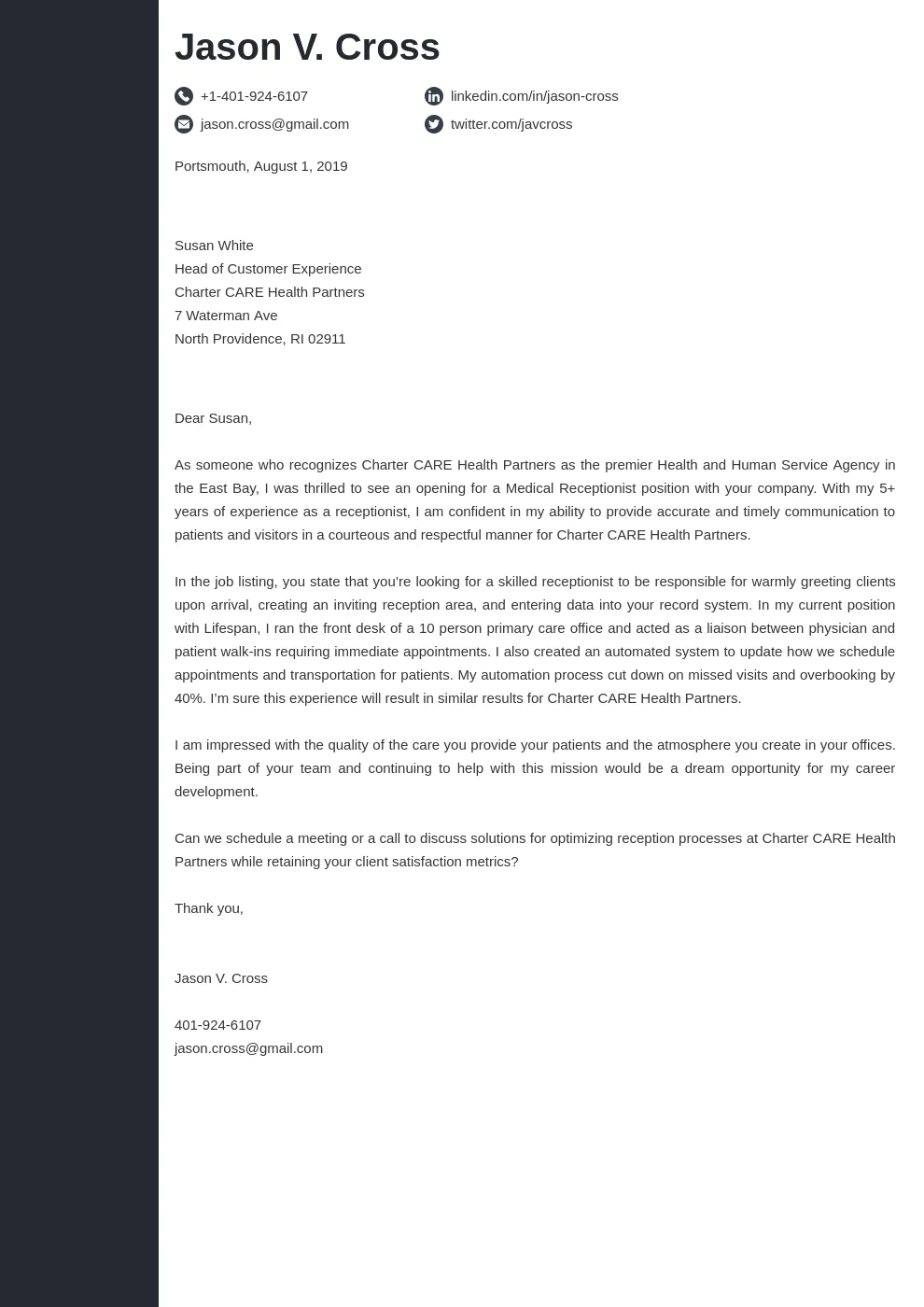
Formatting your cover letter address correctly adds to your professionalism. It shows your ability to adhere to business standards and creates a polished impression. Follow these guidelines to ensure your address is correctly formatted. Correct formatting is key to demonstrating your professionalism. Proper formatting reflects well on your organizational and attention to detail skills, which are highly valued by employers. Make sure your address is clear and easy to read, and that you are consistent with the formatting throughout the document.
General Formatting Guidelines

The address section should be left-aligned, similar to the rest of the letter. Include the recipient’s full name and professional title. Ensure the title is correct and up-to-date. Use formal titles, such as ‘Mr.’, ‘Ms.’, ‘Dr.’, or ‘Professor’, if applicable. Include the company’s name and address. Use a standard business letter format, with spaces between the date, the address, the greeting, and the body of the letter. Use a professional font, such as Times New Roman or Arial, with a font size of 10-12 points. This formatting ensures clarity and readability, demonstrating your professional approach.
Including the Date and Salutation
Always include the date at the top of your cover letter. The date should be formatted correctly, using either the month-day-year format or the day-month-year format, according to regional conventions. Following the date, add a space before including the recipient’s name and title. Start your salutation with a professional greeting, such as ‘Dear Mr./Ms./Dr. [Last Name]’ or ‘Dear Hiring Manager’. Ensure your greeting matches the level of formality of the company. Properly formatted dates and salutations add to your letter’s professional appearance and make a good first impression.
Common Mistakes to Avoid
Several common mistakes can undermine your cover letter. Avoiding these pitfalls will help you create a more professional impression. These mistakes are easy to avoid with careful attention. Taking the time to proofread and confirm the details shows your respect for the opportunity and demonstrates your attention to detail. Make sure you avoid these simple but critical mistakes. These errors can lead to an unfavorable perception of your abilities and can decrease your chances of landing an interview. Correcting these issues significantly boosts your chances.
Incorrect Titles and Misspellings

Incorrect titles and misspellings in the address section show a lack of attention to detail. Always verify the recipient’s name, title, and spelling. Misspellings and inaccuracies give the impression you do not care. Always double-check your sources. If you’re unsure, it’s better to use a less specific greeting, like ‘Dear Hiring Manager’, than to risk misspelling the name. Accurate titles and spellings demonstrate your respect for the hiring manager and the company. These details highlight your professionalism.
Ignoring the Address Section
Ignoring the address section is a missed opportunity to make a good first impression. Always include a specific greeting. If you can’t find the hiring manager’s name, use ‘Dear Hiring Manager’, but try to find an alternative. Not including an address makes your application seem generic. It may give the impression that you haven’t put in the effort. Personalizing your letter shows you care about the opportunity. By making a conscious effort to research and properly address your cover letter, you show respect to the hiring manager.
The Importance of Proofreading
Proofreading is essential. Typos and grammatical errors can damage your professional image. Proofread the entire cover letter, including the address. Double-check all details, including the recipient’s name, title, and company information. Use a grammar checker and consider asking a friend or family member to review your cover letter. Proofreading catches mistakes you may have missed. Thorough proofreading guarantees your application presents you as a polished, detail-oriented candidate. Correcting these errors can improve your chances of getting an interview.
Conclusion

Addressing your cover letter correctly is a crucial step in the job application process. It demonstrates your professionalism, attention to detail, and respect for the hiring manager. By researching the hiring manager, using a specific greeting, and formatting the address correctly, you can make a strong first impression and increase your chances of getting an interview. Avoid common mistakes such as incorrect titles, misspellings, and ignoring the address section. Proofread your cover letter to ensure your professionalism shines. Taking these steps will improve your application. Good luck with your job search!