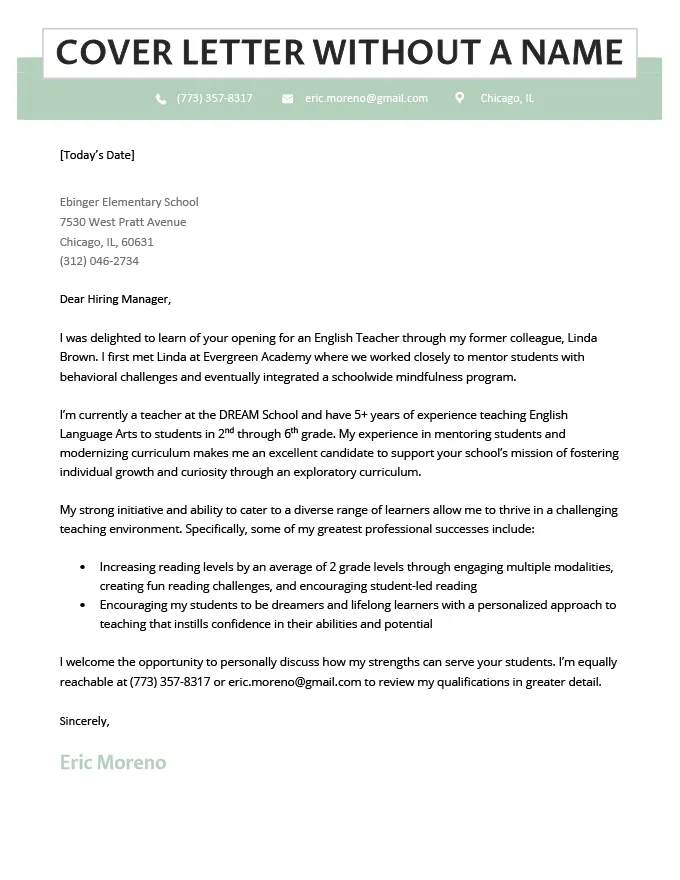
Know the Importance of Proper Cover Letter Addressing
Addressing a cover letter might seem like a small detail, but it significantly impacts a job application’s overall impression. It’s often the first interaction a hiring manager has with your candidacy and sets the tone for the rest of your application. Taking the time to address your cover letter correctly shows professionalism, attention to detail, and genuine interest in the position. Conversely, a poorly addressed cover letter can lead to immediate dismissal, even if the rest of your application is strong. Understanding the nuances of addressing a cover letter is therefore an essential skill for any job seeker aiming for success in the competitive job market. This guide provides practical advice and best practices to help you make the right impression.
Why Addressing Matters
Addressing your cover letter accurately goes beyond mere courtesy; it’s a strategic move that demonstrates your diligence and respect for the hiring process. The way you address your cover letter can reveal a lot about your approach to the job, whether you have taken the time to research the company, and whether you value the opportunity. When you take the extra step to personalize your cover letter, it shows that you are not just sending out generic applications. Instead, you are taking the time to learn about the organization and its needs and that you are truly interested in the specific role. This can significantly increase your chances of getting noticed by the hiring manager and moving forward in the application process. A well-addressed cover letter makes a positive first impression, which sets the foundation for a successful application.
Addressing the Right Person is Crucial

Identifying the correct recipient for your cover letter is the most critical aspect of addressing it. Researching and addressing the hiring manager or the specific person in charge of recruitment for the role can be a game-changer. When you personalize the letter, the hiring manager feels acknowledged and appreciated, making them more likely to engage with your application. Addressing your cover letter to a specific person indicates that you are proactive, attentive to detail, and invested in the application. Failing to identify the right person can signal a lack of attention to detail and can make your application seem less personalized, which could lead the hiring manager to believe that you are just sending a mass application. This can be detrimental to your chances of getting a job offer.
Steps to Identify the Hiring Manager
Finding the right person to address your cover letter is a vital step in the application process. Fortunately, several reliable methods can help you uncover the hiring manager’s name, ensuring that your cover letter makes a personalized impression. There are numerous resources available for identifying the hiring manager, including company websites and LinkedIn profiles. It is essential to use these methods carefully to ensure that you address the hiring manager correctly, demonstrating your professionalism and commitment to the role.
Researching the Company Website
The company website is often the most straightforward starting point to find the hiring manager’s details. Navigate to the ‘About Us’, ‘Contact Us’, or ‘Careers’ sections. Many companies list their HR team or the person managing recruitment for specific roles. Look for a section dedicated to the team or the individual overseeing the job posting. Even if the exact name isn’t available, you may find the department or role that handles applications, which can still help you personalize your cover letter by addressing it to the Hiring Manager or the recruitment department. This shows you’ve taken the initiative to get to know the company better.
Checking LinkedIn for Contacts

LinkedIn is an invaluable tool for job seekers. Search for the company and then look for individuals with titles like ‘Recruiter,’ ‘HR Manager,’ or the job title associated with the role you’re applying for. You may be able to identify the person who posted the job. Even if you cannot find the exact person, you can get a general idea of the hiring team. Always ensure you confirm the name and title before including it in your cover letter. Personalizing your letter with a specific name can significantly increase your chances of catching the hiring manager’s attention. Additionally, it’s acceptable to send a brief, polite message on LinkedIn to confirm if they are the appropriate contact for the role, showing your proactive approach.
Calling the Company to Inquire
If you have exhausted other options, calling the company’s main line can be a helpful step. Ask the receptionist or whoever answers the phone for the name of the hiring manager or the person handling applications for the specific position. Be polite and professional, explaining that you are preparing your application materials and want to address the cover letter to the correct person. This is a direct approach that demonstrates your initiative. This step shows that you are highly motivated to make a positive impression and are willing to invest time to get the details right. This proactive attitude will positively influence the hiring manager.
Formatting the Cover Letter Address
Once you know the recipient’s name, formatting the address in your cover letter correctly is essential. The address should be placed at the top of your cover letter, typically aligned to the left. Ensure the address is concise and easy to read. Formatting the address correctly demonstrates your attention to detail and professionalism. It also shows that you understand and follow proper business etiquette. This attention to formatting can positively affect the hiring manager’s first impression of your application.
Using Formal Salutations

Use formal salutations like ‘Dear Mr./Ms./Mx. [Last Name]’ or ‘Dear Dr. [Last Name]’ when addressing the hiring manager. If you are unsure about their gender, use ‘Dear [First Name] [Last Name]’ or a gender-neutral option like ‘Dear Hiring Manager.’ Never use casual greetings such as ‘Hi’ or ‘Hello.’ Remember, the salutation sets the tone for your entire cover letter. Using the correct salutation shows respect and professionalism. Always double-check the correct spelling and title of the person you are addressing. If you don’t know the name, it is acceptable to use a general greeting, such as ‘Dear Hiring Manager’ or ‘Dear Recruitment Team’.
Selecting Appropriate Titles
Using the correct title is crucial for showing respect and paying attention to detail. Always use ‘Mr.’ for men and ‘Ms.’ for women, unless you know they prefer another title. If you are unsure, use ‘Mx.’ or simply use the first name and last name. Using the correct title, such as ‘Dr.’ for someone with a doctorate or ‘Professor’ if they teach at a university, demonstrates your diligence and respect for their professional achievements. If you have difficulty finding this information, it is better to address the hiring manager by their full name without a title than to guess and potentially offend them. The title should be professional and in line with business etiquette.
Common Addressing Mistakes to Avoid
Certain mistakes in how you address a cover letter can negatively impact your application. These errors often stem from a lack of attention to detail or a failure to do adequate research. Avoiding these mistakes can make your cover letter appear more professional and engaging. It’s essential to double-check all details before submitting your application. This section will look into the common mistakes people make when addressing a cover letter, so you can avoid them and make a good first impression.
Incorrect Spelling or Name Errors

Spelling mistakes and errors in the hiring manager’s name are some of the most common and easily avoidable mistakes. Always double-check the spelling of the name before including it in your cover letter. Typos indicate carelessness and a lack of attention to detail, and these mistakes can create a negative first impression. To avoid these errors, carefully proofread the name, and consider using a name-checking tool. You can also verify it against the company website or LinkedIn profile. A correctly spelled name shows respect and shows that you put in the time and effort needed to complete the application.
Using Generic Salutations
Using generic salutations like ‘To Whom It May Concern’ or ‘Dear Sir/Madam’ is a sign that you haven’t done any research. This makes your cover letter seem impersonal, showing you have sent a mass application rather than one specifically tailored to the role. While using a generic salutation is sometimes unavoidable, it is best to avoid it. Instead, make an effort to find the hiring manager’s name or address the letter to the hiring team. A personalized cover letter immediately captures the attention of the reader and sets the tone for a more engaging conversation. Personalized approaches make your application stand out, which increases the likelihood of securing an interview.
Ignoring Gender Pronouns
In today’s professional environment, it’s vital to show respect for gender identity. When unsure of a person’s gender, it is acceptable to use the title ‘Mx.’ or omit the title and use the full name. It is also acceptable to use gender-neutral language, such as ‘Dear Hiring Manager,’ to avoid making assumptions. This is an important element of showing that you are aware of diversity and are an inclusive individual, making a better impression. When in doubt, always err on the side of respect and inclusivity.
Alternatives to Addressing Specific Individuals

While addressing a cover letter to a specific person is ideal, there are situations where this isn’t possible. In such cases, there are acceptable alternatives that still maintain a level of personalization and professionalism. Knowing these options ensures your cover letter remains effective, even when you cannot identify the hiring manager. This section explores strategies for addressing a cover letter when a specific name is unavailable, ensuring your application still makes a positive impact. It is a testament to your ability to adapt and demonstrate respect for the hiring process.
Addressing to a Department
Addressing your cover letter to a specific department is a viable option when you cannot identify the hiring manager. This can be done by using greetings like ‘Dear Hiring Team’ or ‘Dear [Department Name] Team.’ This shows that you understand the organization’s structure and are tailoring your letter to the relevant area. Make sure you research the specific department or team involved in the recruitment. This personalized approach still demonstrates your attention to detail and professional attitude. Focusing on the department’s role in the company also demonstrates your understanding of the job.
Using Gender-Neutral Salutations
Using gender-neutral salutations such as ‘Dear Hiring Manager’ or ‘Dear [Company Name] Team’ is appropriate when the hiring manager’s name is unknown. It is important to demonstrate respect and professionalism. Gender-neutral language ensures inclusivity and reflects current professional standards. It is a safe and effective way to maintain a respectful tone, showing your consideration for diversity and making your application inclusive. This approach maintains your professional demeanor and indicates that you value inclusivity, further enhancing your application.
Finalizing and Proofreading Your Cover Letter

Once you have addressed your cover letter, finalizing and proofreading it is essential to ensure that it makes the best possible impression. This final step is crucial in demonstrating your attention to detail and professionalism. Take the time to review your cover letter carefully and make sure it is polished and error-free. This helps show your commitment to the role and the organization. A well-proofread cover letter makes a more lasting impression on the hiring manager.
Ensuring Accuracy and Professionalism
Accuracy and professionalism are paramount in the final review of your cover letter. Double-check all the details, particularly the name, title, and contact information of the hiring manager or the department. Ensure your salutation is formal and appropriate for the situation. Read your cover letter multiple times to catch any grammatical errors, spelling mistakes, or typos. It is also helpful to have someone else review your letter for a fresh perspective. This final review validates that your cover letter is free of errors and portrays you as a qualified and attentive candidate.