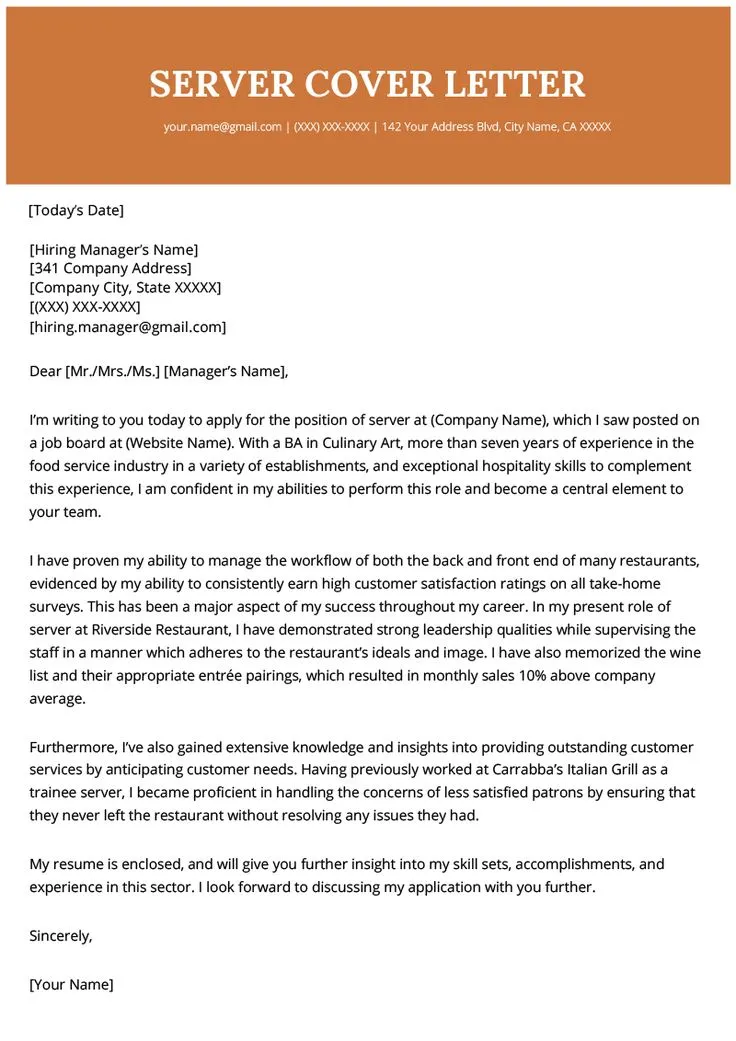
Understanding the Hospitality Cover Letter
A hospitality cover letter is your first opportunity to make a strong impression on a potential employer. It serves as a formal introduction, allowing you to highlight your skills, experience, and enthusiasm for a specific role. Unlike a resume, which provides a factual overview, a cover letter allows you to tell a story, explaining why you’re the perfect fit for the job and the company. It’s a chance to showcase your personality, communication skills, and understanding of the hospitality industry. A well-crafted cover letter can significantly increase your chances of securing an interview, setting the stage for a successful career in hospitality. Without one, your application may be overlooked, so it’s crucial to get it right. Remember, in a competitive field, every detail matters, and your cover letter is your secret weapon.
Key Components of a Hospitality Cover Letter
A compelling hospitality cover letter is made up of several key components, each playing a vital role in presenting you as a suitable candidate. These include a clear and concise introduction, a body that highlights your relevant skills and experience, and a strong conclusion. Attention to detail in formatting and ensuring proper grammar is essential. Each section must work together cohesively to create a narrative that captivates the reader and encourages them to learn more about you. Think of these components as the building blocks of your professional story. Mastering these components will significantly improve your chances of landing an interview and ultimately, your dream job in hospitality.
Contact Information

Start your cover letter with your full name, address, phone number, and email address. Make sure your email address is professional. If you have a LinkedIn profile, include the URL here as well. This section ensures the hiring manager knows how to contact you. It is a crucial detail that cannot be overlooked.
Date and Recipient Details
Include the current date, followed by the hiring manager’s name, title, and the company’s name and address. If you don’t know the hiring manager’s name, research the company website or LinkedIn. Addressing the letter to a specific person shows you’ve taken the initiative to learn more about the company and demonstrates a personalized approach, making a good first impression. This small detail can make a big difference.
Opening Paragraph The Hook
The opening paragraph is your hook. It should immediately grab the reader’s attention. Clearly state the position you’re applying for and how you learned about it. Briefly mention why you’re interested in the role and the company. This is your chance to make a strong first impression and set the tone for the rest of your letter. Consider leading with an impressive achievement or a statement about your passion for hospitality. This approach is designed to make the reader eager to continue. This initial impression is what convinces a hiring manager to read on.
Highlighting Relevant Skills and Experience

The body of your cover letter should showcase your relevant skills and experience. Focus on the skills and experience that directly align with the job description. Use specific examples to illustrate your abilities. Highlight your customer service skills, problem-solving abilities, and any experience you have with relevant software or systems. This section is where you demonstrate your qualifications. Show, don’t just tell, by providing real-world examples that prove your abilities. Quantify your achievements whenever possible to add weight to your claims. Back up your claims with evidence that showcases how you will contribute to the company.
Showcasing Hospitality Experience
Provide details of your previous hospitality experience, including your roles, responsibilities, and the duration of your employment. Highlight your ability to work in a fast-paced environment, handle customer complaints, and manage teams, if applicable. Emphasize how your experience has prepared you for the specific role you’re applying for. Focus on the aspects of your experience that demonstrate your ability to excel in the role, and show how your past experiences align with the requirements of the new position. The goal is to let the employer picture you succeeding in the job.
Quantifying Achievements
Whenever possible, quantify your achievements. Use numbers and statistics to demonstrate your success. For example, mention how you increased customer satisfaction scores by a certain percentage, reduced costs, or improved efficiency. Quantifiable results provide concrete evidence of your abilities and make your claims more compelling. This turns abstract descriptions of your skill into tangible benefits that the potential employer can understand.
Tailoring the Cover Letter to the Job

Customize your cover letter for each job application. Carefully review the job description and tailor your letter to match the specific requirements. Highlight the skills and experiences that are most relevant to the role. Avoid using a generic cover letter template, as it will not make a strong impression. By tailoring your letter, you demonstrate that you’ve taken the time to understand the job and the company’s needs, which makes you a more attractive candidate. Customization shows you are interested and prepared.
Researching the Company
Before writing your cover letter, research the company. Understand its mission, values, and culture. This information will help you tailor your letter to the company’s specific needs and show your genuine interest. Mention specific aspects of the company that appeal to you and explain why you’re a good fit. Demonstrating this level of preparation sets you apart from other applicants. Doing your homework shows that you are keen and proactive. This understanding will make it easier to impress the hiring manager.
Using Keywords
Incorporate keywords from the job description into your cover letter. Applicant Tracking Systems (ATS) often scan cover letters and resumes for specific keywords. By using these keywords, you increase the chances that your application will be selected for review. However, avoid keyword stuffing, which can make your letter sound unnatural. Use keywords strategically and naturally within the context of your writing. This step can significantly improve your chances of having your application seen by a human, as well as a machine. It’s a subtle yet effective way to make your application stand out.
Closing the Cover Letter

In your closing paragraph, reiterate your interest in the position and the company. Summarize your key qualifications and express your enthusiasm. Thank the hiring manager for their time and consideration. Indicate that you look forward to hearing from them soon. Maintain a professional and enthusiastic tone. Make a memorable, positive impact.
Expressing Enthusiasm and Next Steps
End your cover letter by expressing your enthusiasm for the opportunity and reiterating your interest in the position. Clearly state your availability for an interview. Include a call to action, such as ‘I look forward to hearing from you soon’ or ‘Thank you for your time and consideration.’ This helps ensure that the hiring manager knows that you are eager for the next step in the hiring process. This shows proactiveness and leaves a positive impression.
Proofreading and Editing
Proofread your cover letter carefully for any grammar, spelling, or punctuation errors. Errors can undermine your credibility and make you appear unprofessional. Have a friend or family member review your letter as well. A fresh pair of eyes can often catch mistakes that you might have missed. Ensure that your cover letter is polished and error-free before submitting it.
Common Mistakes to Avoid

Avoid common mistakes such as using generic language, not tailoring your letter to the job, and including irrelevant information. Do not exceed one page in length. Always tailor your cover letter to the specific job requirements and highlight your most relevant skills and experience. Keep it concise, focused, and tailored to the specific role. Always ensure that the tone of your cover letter reflects the culture of the potential employer.
Formatting and Design
Use a professional and easy-to-read font, such as Times New Roman, Arial, or Calibri, with a font size between 10 and 12 points. Use clear formatting with proper spacing and margins. Ensure your cover letter looks clean and organized. A well-formatted cover letter demonstrates attention to detail and professionalism. Consider that the letter may be read on a computer screen or a printed document, so it’s essential that it looks good in both formats.
Using Action Verbs
Use strong action verbs to describe your skills and experience. Start each bullet point or sentence with a verb that highlights your accomplishments. This approach adds energy and dynamism to your cover letter. For instance, instead of writing ‘Responsible for managing customer complaints,’ write ‘Resolved customer complaints effectively, resulting in improved customer satisfaction scores by 15%.’ Action verbs provide a clear, concise summary of your capabilities.
Cover Letter Examples

Reviewing cover letter examples can provide you with valuable insights into the structure, tone, and content. Examples offer a starting point. Understand the format and content structure before creating your cover letter. Tailor examples to fit your specific situation. Use this to help write your own cover letter.
Example for Entry-Level Positions
A sample cover letter for an entry-level position may emphasize enthusiasm, a willingness to learn, and any relevant skills or coursework. Highlight any customer service experience, teamwork skills, or passion for the hospitality industry. Emphasize transferable skills and a strong work ethic. Show your potential. This will help you to stand out amongst other candidates, as you are just starting out in the industry. Ensure that you show your enthusiasm in the letter.
Example for Management Positions
A cover letter for a management position should showcase leadership experience, problem-solving abilities, and a proven track record of success. Quantify your achievements whenever possible, such as increased revenue, improved employee satisfaction, or reduced costs. Highlight any experience with staff training, performance management, or operational improvements. Focus on your experience. Show how your leadership skills can benefit the company. This is where your ability to manage a team, resolve conflict, and increase profits will be highlighted.
Example for Specialized Roles
For specialized roles, such as event planning or culinary positions, tailor your cover letter to the specific requirements of the job. Highlight your technical skills, relevant certifications, and any experience in the specific area. Include a portfolio of your work, if applicable. Show what makes you unique. Emphasize your skills that align with the specific needs of the job and provide examples that demonstrate these skills in action. Highlight skills such as food preparation, food safety standards, and menu planning, to get you noticed.
Tips for Different Hospitality Roles
Tailor your cover letter to the specific role you are applying for. Highlight the skills and experience most relevant to the job description. Understand the requirements and how you can meet them. Showcase your skills and experiences. These tips will help you in any role you apply for.
Hotel Management
If applying for a hotel management position, highlight your experience in hotel operations, guest relations, and revenue management. Mention any experience with budgeting, staff training, or property management systems. Emphasize your ability to lead teams, solve problems, and ensure guest satisfaction. Focus on skills that align with hotel operation.
Restaurant Management
For restaurant management roles, highlight your experience in food service operations, staff management, and customer service. Mention any experience with menu planning, inventory management, or cost control. Emphasize your ability to create a positive dining experience and ensure customer satisfaction. Highlight your experience in these areas.
Event Planning
When applying for event planning roles, showcase your experience in event coordination, vendor management, and budget management. Mention any experience with event marketing, guest relations, or event logistics. Emphasize your ability to plan and execute successful events. Showcase how you plan and execute successful events. Emphasize your experience and ability.
Customer Service
For customer service positions, highlight your customer service skills, communication skills, and problem-solving abilities. Mention any experience with handling customer inquiries, resolving complaints, or providing excellent service. Emphasize your ability to create a positive customer experience. This role will rely on your ability to communicate, and provide a great customer experience. Highlight those qualities.
Resources and Further Reading
Numerous online resources and books can help you write a compelling cover letter. Websites such as Indeed, LinkedIn, and Glassdoor offer templates and examples. Career websites and professional organizations provide valuable advice. Search for books and articles focused on cover letter writing and hospitality careers. Consulting a career counselor or resume writer can provide personalized guidance. Utilizing these resources will help you create a compelling cover letter that showcases your qualifications.