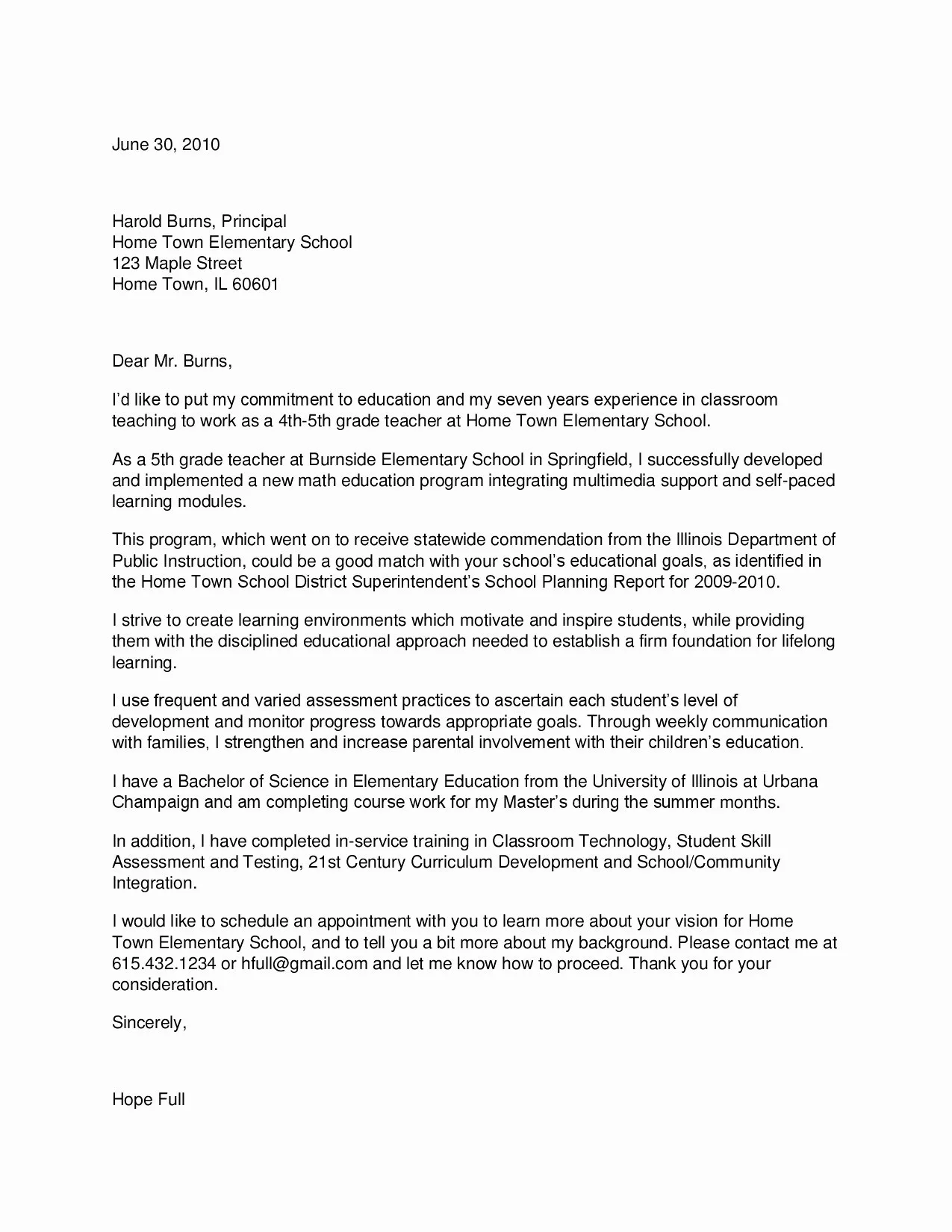
Why a Strong Cover Letter Matters for Government Jobs
In the competitive landscape of government job applications, a well-crafted cover letter is not merely a formality; it’s a critical tool that significantly impacts your chances of landing an interview. Unlike the private sector, government agencies often place a higher emphasis on the detail and precision demonstrated in your cover letter. It serves as your initial point of contact, giving you the opportunity to make a lasting first impression and showcase your understanding of the specific role and the agency’s mission. A compelling cover letter can set you apart from other applicants, especially when the selection process involves numerous qualified candidates. It provides a platform to articulate your qualifications, passion for public service, and your ability to contribute meaningfully to the organization’s objectives. Ignoring the importance of a well-structured cover letter can lead to your application being overlooked, regardless of the qualifications listed on your resume. Therefore, understanding the nuances of crafting a cover letter tailored to government job applications is essential for success.
Understanding Government Job Applications
Government job applications differ significantly from those in the private sector, with a strong emphasis on adherence to regulations and a clear demonstration of meeting the required qualifications. Applications often involve detailed forms, specific question prompts, and a stringent review process. The selection criteria usually focus on a candidate’s ability to meet the essential job requirements, as well as their experience, skills, and knowledge. Furthermore, demonstrating an understanding of the specific agency’s mission and values is crucial, as government jobs often require individuals to be aligned with public service principles. It’s common for government agencies to prioritize candidates who exhibit relevant experience in the field, have a track record of successful accomplishments, and demonstrate a strong commitment to ethical conduct. Researching the agency, understanding the specific requirements of the job description, and tailoring your cover letter to address these elements directly are essential steps in the application process. This level of specificity shows you’re prepared, informed, and a good fit for the role.
Key Differences from Private Sector Cover Letters

Cover letters for government jobs require a different approach than those for private sector positions. While private sector cover letters often emphasize innovation, profit-driven results, and a broader range of skills, government applications typically demand a more formal, structured, and detail-oriented style. Focus should be placed on demonstrating your ability to meet specific requirements outlined in the job description, addressing how your experience aligns with the agency’s mission, and showcasing your commitment to public service. The tone should be professional and respectful, avoiding overly casual language or self-promotional statements. Furthermore, government cover letters often necessitate a clear demonstration of compliance with relevant laws, regulations, and ethical guidelines. In contrast to the private sector, quantifiable results and concrete examples of achievements are vital, backed by specific data wherever possible. Highlighting your understanding of the agency’s work, mentioning relevant policies, and demonstrating knowledge of governmental procedures is crucial for setting you apart. Therefore, it is crucial to carefully analyze the specific requirements of each government job and tailor your cover letter to meet the precise needs and expectations of the agency.
Essential Cover Letter Elements
Contact Information and Date
Begin your cover letter with your contact information, including your full name, address, phone number, and professional email address. Ensure the email address is professional and reflects your name or initials. Following your contact information, include the date. It’s important to format the date correctly and to use a standard style, such as Month Day, Year (e.g., January 15, 2024). This section provides the hiring manager with easy access to your contact details and allows them to quickly identify the date the letter was written. Properly formatted contact information and date show professionalism and attention to detail, elements that are highly valued in government applications. Accuracy and clarity in this initial section set a positive tone for the rest of the document and reflect your organizational skills.
Addressing the Hiring Manager

Addressing the hiring manager correctly is crucial in a government job cover letter. Always try to find the name of the hiring manager. If the specific name is unavailable, use titles like ‘Hiring Manager’ or ‘Recruiting Team’. Avoid generic greetings such as ‘To Whom It May Concern,’ which can make your application seem less personalized. Researching the agency’s website or contacting the human resources department can often provide the necessary information. Addressing the letter to a specific individual demonstrates that you’ve done your research and that you’re genuinely interested in the position. This personalized touch can create a more positive impression and set you apart from candidates using a generic approach. Ensure that you spell the name correctly and use the appropriate title (e.g., Mr., Ms., Dr.) to show respect and attention to detail. This practice significantly enhances your chances of getting your application noticed.
Opening Paragraph and Hook
The opening paragraph of your cover letter sets the tone for the entire document, so it is essential to create a compelling hook that immediately grabs the hiring manager’s attention. Clearly state the position you are applying for and where you saw the job advertisement. Briefly highlight your most relevant qualifications or key achievements that make you an ideal candidate for the role. This introductory section should express your enthusiasm for the position and the agency’s mission. Avoid generic phrases and instead, strive to make your opening paragraph engaging and specific. For example, you might start by mentioning a recent accomplishment that directly relates to the job’s requirements, or by stating your admiration for the agency’s work. A strong opening paragraph sets a positive tone and encourages the reader to continue, increasing the likelihood that your application will be thoroughly reviewed. This initial impression can significantly influence the hiring manager’s perception of your suitability for the job.
Highlighting Relevant Skills and Experience
In the body of your cover letter, it’s important to highlight your relevant skills and experience, emphasizing how they align with the requirements of the specific government job. Review the job description carefully, identifying the key qualifications and competencies sought by the agency. Provide specific examples of your past accomplishments and explain how your skills have been successfully applied in previous roles. Use action verbs to describe your responsibilities and achievements, and quantify your accomplishments whenever possible. For instance, instead of saying ‘managed a team,’ you might say ’led a team of 10 employees, increasing productivity by 15%’. Tailor your examples to directly address the requirements of the job, demonstrating that you understand what the agency is looking for. Clearly articulate how your skills and experience make you a strong candidate, and explain why you are a good fit for the organization. This section of the cover letter is an opportunity to showcase your value and persuade the hiring manager of your suitability.
Quantifying Achievements with Data

One of the most effective ways to impress hiring managers in government jobs is to quantify your achievements with specific data and metrics. Instead of making general statements, back them up with concrete numbers that demonstrate your impact. This could include the percentage of improvement in a specific area, the number of projects completed successfully, or the amount of money saved or generated. For instance, instead of saying ‘improved customer service,’ you could write ‘improved customer satisfaction scores by 20%’. Highlighting your accomplishments with figures provides tangible evidence of your capabilities and makes your claims more credible and persuasive. Data also helps the hiring manager understand the scope and results of your work more effectively. This method is especially powerful in government roles where data-driven decision-making is often prioritized. Using quantifiable achievements underscores your ability to deliver results and provides concrete evidence of your effectiveness.
Tailoring Your Letter to the Job Description
Tailoring your cover letter to the specific requirements of each job description is a fundamental step in creating an effective application. Generic cover letters are easily identified and often discarded. To ensure your letter stands out, carefully analyze the job description and identify the key qualifications, skills, and experiences the agency is seeking. Then, customize your cover letter to directly address these requirements. Highlight how your previous experiences have prepared you for the role and how your skills align with the listed responsibilities. Use the language from the job description in your letter, mirroring the keywords and phrases used by the hiring agency. Provide specific examples and anecdotes that demonstrate your ability to meet the required criteria. This level of customization shows that you’ve taken the time to understand the position and are genuinely interested in the opportunity. It also demonstrates your ability to pay close attention to detail, a quality highly valued in government jobs.
Demonstrating Knowledge of the Government Agency
Demonstrating knowledge of the government agency you’re applying to is crucial for making a positive impression. Research the agency’s mission, values, recent projects, and any current challenges they face. This shows your genuine interest in the organization and your understanding of the work they do. In your cover letter, briefly mention the agency’s mission and explain how your skills and experience align with their goals. Reference specific programs, initiatives, or accomplishments of the agency to show that you’ve taken the time to familiarize yourself with their work. For example, if the agency recently launched a new program, you can discuss your interest in contributing to its success. Tailoring your letter with relevant information demonstrates your commitment and will make your application more relevant. Your familiarity with the agency’s operations sets you apart from applicants who have not done their research and greatly increases your chances of getting noticed. This thoughtful approach signals that you’re not just seeking a job, but are truly interested in contributing to the organization’s objectives.
Closing the Letter and Call to Action

The closing of your cover letter should leave a lasting positive impression, reiterating your interest in the position and providing a clear call to action. Express your enthusiasm for the opportunity and reiterate how your skills and experience align with the agency’s needs. Thank the hiring manager for their time and consideration, and then include a specific call to action, such as requesting an interview. Clearly state your availability for an interview and provide your contact information again, just in case the hiring manager wants to contact you quickly. This demonstrates your initiative and eagerness. Maintain a professional tone throughout the closing. Make sure to proofread this final section to avoid any errors that could undermine the positive message you have crafted in your letter. A well-written closing ensures that you end on a strong note and give the hiring manager a clear path to contact you.
Formatting and Style Guide
Font and Size Recommendations
Choosing the right font and size for your cover letter is essential for readability and professionalism. Select a standard, easy-to-read font such as Times New Roman, Arial, or Calibri. Font size should generally be set between 10 and 12 points. Avoid using overly elaborate or decorative fonts that might distract the reader. Ensure that your letter is well-formatted, with clear spacing between paragraphs and sections. Proper formatting enhances the readability of your letter, making it easier for the hiring manager to review your qualifications. Consistency in font and size throughout your cover letter demonstrates professionalism and attention to detail, which are highly valued in government applications. A clean, uncluttered design also presents a more favorable impression of your organizational skills and professionalism, increasing your chances of successfully conveying your message to the hiring manager.
Proofreading and Editing Best Practices

Proofreading and editing are critical steps in the cover letter writing process. Before submitting your letter, carefully review it for any grammatical errors, typos, or spelling mistakes. Errors, no matter how minor, can create a negative impression and undermine the credibility of your application. It is advisable to read the letter aloud to identify any awkward phrasing or sentence structure issues. Consider having a friend, family member, or career advisor review your cover letter to provide an objective perspective and catch any errors you might have missed. Pay close attention to the details, such as correct punctuation, capitalization, and formatting. Thorough proofreading demonstrates your attention to detail and commitment to quality, attributes highly valued in government employment. Take the time necessary to ensure that your cover letter is polished and professional, as this can significantly influence the hiring manager’s perception and enhance your chances of an interview.
Cover Letter Examples for Different Government Roles
Example for Administrative Positions
For administrative positions within government agencies, cover letters should highlight organizational skills, attention to detail, and proficiency in relevant software or systems. Emphasize your ability to manage schedules, handle correspondence, and maintain records accurately. Provide examples of how you’ve improved office efficiency, streamlined processes, or implemented successful administrative systems in previous roles. Demonstrate your understanding of office procedures and your ability to work effectively within a team. When applying for administrative jobs, focus on your organizational skills, your ability to manage multiple tasks, and any experience you have with governmental processes or procedures. Mention your skills with specific software or office tools used by the agency. Tailor your examples to showcase your capabilities in the areas outlined in the job description, highlighting your ability to contribute to the smooth functioning of the agency’s administrative operations. Administrative roles require strong organizational and communication skills, so make sure these are reflected in your cover letter.
Example for Law Enforcement Roles

Cover letters for law enforcement positions should emphasize your commitment to public safety, integrity, and ability to work under pressure. Highlight relevant experience in areas such as security, investigations, or community service. Showcase your physical fitness, your ability to follow procedures, and your knowledge of law enforcement protocols. Demonstrate your ability to make sound judgments and handle difficult situations effectively. Law enforcement cover letters should express a strong sense of ethics, responsibility, and adherence to the law. Include any specific certifications, training, or experience relevant to the position. Also, include examples of your ability to work as part of a team. Your letter should reflect your commitment to the principles of law enforcement and to serving the community. Make certain your conduct is irreproachable, and your letter will stand out among the competition.
Example for Technical Positions
For technical positions, highlight your specialized skills, relevant certifications, and hands-on experience. Detail your proficiency with specific technologies, systems, and tools used by the agency. Provide specific examples of projects you’ve completed and how you’ve contributed to successful outcomes. Also include projects or research that show your abilities in your specified fields. Quantify your accomplishments with data and metrics to demonstrate your impact. Technical positions require precision, problem-solving skills, and a strong understanding of specific technologies. In your cover letter, highlight your experience in the relevant technical areas, showing how your skills align with the job’s specific requirements. Emphasize your ability to troubleshoot problems, implement solutions, and adapt to new technologies. Tailor your letter to showcase your unique technical expertise and your contribution to the agency’s goals. Your attention to detail and proficiency in technology are critical attributes that should be clearly highlighted.
Common Mistakes to Avoid
Generic Language and Lack of Specificity

One of the most common mistakes in cover letters for government jobs is the use of generic language and a lack of specificity. Generic cover letters that could apply to any job show a lack of effort and understanding of the specific requirements of the role. To avoid this, ensure that you tailor your cover letter to each job description. Use specific examples and anecdotes from your past experience that directly relate to the job responsibilities. Quantify your achievements with data to demonstrate your impact. Avoid using vague statements that do not provide concrete evidence of your skills and abilities. Instead, be specific about what you have achieved, how you did it, and the results you produced. Tailoring your letter to the job shows you are genuinely interested in the position and that you have the skills and experience that align with what the agency is looking for. It’s important to avoid the use of clichés and vague statements that don’t provide the hiring manager with a clear picture of your qualifications.
Typos and Grammatical Errors
Typos and grammatical errors are major deterrents for hiring managers. They reflect poorly on your attention to detail, a key quality sought in government jobs. A poorly written cover letter can immediately undermine your credibility, regardless of your qualifications. To avoid this common mistake, proofread your cover letter carefully before submitting it. Read the letter aloud to catch any awkward phrasing or sentence structure issues. Consider having a friend, family member, or career advisor review it for errors. Ensure correct grammar, punctuation, and spelling throughout the document. Check for consistent formatting and accuracy in the contact information. Pay attention to details such as capitalization and proper use of pronouns. Proofreading and editing is a crucial part of the cover letter process and will enhance your chances of making a positive impression. Taking the time to eliminate these mistakes demonstrates your professionalism and commitment to quality.
Focusing Solely on Duties, Not Achievements
When writing your cover letter for a government job, it’s critical to avoid the mistake of focusing solely on describing your job duties rather than highlighting your achievements. Listing your responsibilities can provide a general understanding of your role, but it doesn’t showcase the value you brought to your previous positions. Instead of simply stating what you did, focus on what you accomplished. Explain how you made a difference, improved processes, or achieved specific results. Use action verbs to describe your accomplishments and quantify your achievements with data and metrics. For example, rather than saying ‘Managed social media accounts,’ you might write ‘Increased social media engagement by 30% by implementing a new content strategy.’ Demonstrating your successes is much more impactful than just listing your duties. Use your cover letter to showcase the skills and experiences that make you a successful candidate.
Final Thoughts and Next Steps
Crafting a compelling cover letter is an essential part of the government job application process. By understanding the key elements, formatting guidelines, and common mistakes to avoid, you can create a cover letter that sets you apart from the competition. Tailor your cover letter to each job description, highlighting relevant skills, experience, and achievements. Demonstrate your knowledge of the agency and express your enthusiasm for the position. Remember to proofread meticulously and ensure your letter is free of errors. By following these guidelines and taking the time to perfect your cover letter, you will significantly enhance your chances of securing an interview and landing your desired government job. Good luck with your application, and remember that a well-crafted cover letter is your key to success in the competitive world of government employment.