What is an ESL Teacher Cover Letter?
An ESL teacher cover letter is a crucial document that accompanies your resume when applying for English as a Second Language (ESL) teaching positions. It serves as your introduction to the hiring manager, allowing you to showcase your qualifications, experience, and passion for teaching. Unlike a resume, which provides a factual overview of your skills and accomplishments, a cover letter allows you to explain your suitability for the specific role and express your personality. A well-crafted cover letter can significantly increase your chances of landing an interview by demonstrating your genuine interest and highlighting what makes you the ideal candidate. It’s your opportunity to go beyond the bullet points and tell your story, making a memorable impression.
Key Components of a Compelling ESL Teacher Cover Letter
A compelling ESL teacher cover letter is composed of several essential components, each playing a vital role in conveying your suitability for the position. These components work together to create a cohesive narrative that highlights your strengths and demonstrates your enthusiasm. They include the header section, a strong opening paragraph, sections emphasizing your skills and experience, a demonstration of your passion, a clear call to action, and a professional closing. Each element needs careful attention to ensure your cover letter is impactful and memorable. The overall goal is to present a clear and concise narrative of your qualifications, making a strong case for why you should be considered for the ESL teaching role.
Header Section Essentials

The header section of your ESL teacher cover letter is the first thing the hiring manager will see. It’s essential to get it right as it sets the tone for the entire document. Start with your contact information the same as on your resume, including your full name, address, phone number, and professional email address. Ensure that your email address is professional, avoiding nicknames or unprofessional language. Underneath your contact information, include the date you are writing the letter. This is important for record-keeping purposes. Next, include the hiring manager’s contact information including their name, title, and the school’s address. This demonstrates that you’ve done your research and are addressing the specific person responsible for hiring. Correct formatting here shows attention to detail.
Applicant’s Contact Information
At the top left of your cover letter, clearly state your full name, followed by your complete mailing address. Include your phone number and a professional-sounding email address. Double-check all information for accuracy to ensure the hiring manager can easily contact you. This ensures the school knows how to reach you. Using a consistent style with your resume helps with the overall professional look.
Date
Immediately below your contact details, place the date you are writing the cover letter. This helps the recipient to know when you applied. The date should be formatted consistently with your other professional documents and formatted to meet the preference of the hiring company.
Hiring Manager’s Contact Information

Address your letter to the specific hiring manager if you know their name and title. This level of personalization shows that you have done your research and are serious about the position. Include their full name, title, and the school’s address. If you are unsure of the hiring manager’s name, you can use a generic greeting, such as ‘Dear Hiring Committee’.
Address the Hiring Manager Directly
Whenever possible, address your cover letter to a specific person. Research the hiring manager’s name and title before you start writing. Addressing the letter to an actual person instead of a generic title shows you’ve taken the time to learn about the organization and are genuinely interested in the position. If you cannot find the hiring manager’s name, use a professional greeting such as ‘Dear Hiring Manager’ or ‘Dear [School Name] Hiring Committee’.
Opening Paragraph Crafting a Strong First Impression
The opening paragraph is your chance to grab the reader’s attention. Start with a strong statement that highlights your interest in the position and the school. Mention the specific position you are applying for and where you saw the job posting. Briefly state your most relevant qualifications and skills. This sets the stage for the rest of your letter. Your opening paragraph should be concise and compelling, immediately conveying your enthusiasm and suitability. The goal is to make the hiring manager want to read more. It’s a critical opportunity to show your personality and make a positive first impression.
Highlighting Your ESL Teaching Skills and Experience

The main body of your cover letter should focus on your skills and experience. This section provides a detailed overview of your qualifications, demonstrating how you meet the requirements of the position. Describe your relevant skills, such as lesson planning, classroom management, and language proficiency. Provide specific examples of your experience, including the type of students you have taught, the teaching methods you have used, and the positive outcomes you have achieved. Use action verbs to describe your accomplishments and quantify your results whenever possible. This section is where you sell yourself as the ideal candidate.
Emphasize Relevant Skills
Focus on the skills most relevant to the ESL teaching position. These include communication, lesson planning, classroom management, cultural sensitivity, and language proficiency. Tailor your cover letter to match the job description by highlighting skills and experiences that align with the employer’s needs. Provide specific examples of how you have utilized these skills in your previous roles. Show, don’t just tell, by providing concrete examples that demonstrate your ability to excel in the role. Consider using keywords from the job description to further align your skills with the school’s requirements. This targeting ensures your letter remains focused and relevant.
Showcase Your Experience
Provide a clear overview of your teaching experience, including the institutions where you have worked, the levels of students you have taught, and the specific roles you have held. Describe your responsibilities and accomplishments in each position. Highlight any special programs or projects you were involved in, as well as any professional development or training you’ve completed. If you are new to the field, focus on any relevant experience, such as volunteer work, tutoring, or experience working with diverse groups. Your goal is to demonstrate your ability to work with students, manage a classroom, and create a positive learning environment.
Quantify Your Achievements

Whenever possible, quantify your achievements to make them more impactful. Use numbers, percentages, and data to demonstrate your success. For example, you could state that you increased student test scores by a certain percentage, improved student engagement by a certain amount, or successfully managed a classroom with a certain number of students. Quantifiable achievements provide concrete evidence of your abilities and make your cover letter more compelling. They show potential employers exactly what you’ve accomplished in previous roles, making your claims more credible and memorable. Such specific examples are much more effective than vague statements.
Demonstrating Your Passion for ESL Teaching
In addition to highlighting your skills and experience, your cover letter should convey your passion for ESL teaching. This is an opportunity to show your enthusiasm for working with students from diverse backgrounds and helping them achieve their language learning goals. Share what inspires you about teaching, why you enjoy working with students, and what makes you excited about the opportunity. Let your personality shine through. A genuine passion for teaching will make a positive impression and differentiate you from other candidates. Show how you are dedicated to the success of your students. Your genuine enthusiasm can be the key to making your application stand out.
Expressing Your Enthusiasm
Express your genuine enthusiasm for the ESL teaching profession and the specific school. Describe what attracts you to teaching English as a second language and your desire to support students in their language acquisition journey. Mention what excites you about the school’s mission, values, or programs. Discuss your teaching philosophy and how you create a positive and engaging learning environment. Showing you’re excited about the specifics of the school will leave a lasting impression. Letting your personality shine and showing your excitement about teaching can be a key differentiator.
Connecting with the School’s Values

Research the school’s mission, values, and any specific programs they offer. Demonstrate your understanding of their values by highlighting how your experience and teaching philosophy align with their goals. For example, if the school emphasizes cultural exchange or inclusivity, you can discuss your experience working with diverse student populations or promoting cross-cultural understanding. Show how your values fit in with the school’s culture. This will give them a good reason to invite you for an interview. Aligning your interests with the school’s will show them you have the ability to fit in and thrive.
Call to Action Requesting an Interview
End your cover letter with a clear call to action. State that you are eager to learn more about the position and welcome the opportunity for an interview. Express your availability for an interview and mention how the hiring manager can reach you. Thank the hiring manager for their time and consideration. This makes it easy for the hiring manager to know what action you want them to take. A strong call to action can increase your chances of getting an interview.
Closing Paragraph and Formalities
In your closing paragraph, reiterate your interest in the position and express your gratitude for the hiring manager’s time and consideration. Use a professional closing such as ‘Sincerely’, ‘Respectfully’, or ‘Best regards’, followed by your typed name. If you are sending a physical copy, make sure to sign your name above your typed name. Before submitting your cover letter, proofread it carefully for any errors in grammar, spelling, or punctuation. Make sure your contact information is current and accurate. The perfect ending ensures your application leaves a positive lasting impression. Always double-check your work!
Formatting Your ESL Teacher Cover Letter

Proper formatting is essential for creating a professional-looking cover letter. Use a clear, easy-to-read font, such as Times New Roman or Arial, and use a standard font size (11 or 12 points). Maintain consistent formatting throughout your letter, including consistent margins and spacing. Keep your letter concise and easy to read. A well-formatted cover letter demonstrates attention to detail and professionalism. Ensure that your formatting enhances readability and professionalism. Using proper formatting makes a great impact.
Choosing the Right Font
Select a professional and easy-to-read font for your cover letter. Fonts like Times New Roman, Arial, Calibri, and Helvetica are generally considered safe choices. Avoid using overly decorative or unusual fonts, as they can be distracting. Ensure the font size is readable (11 or 12 points). The right font choice ensures the readability of your letter. These fonts are not only widely accepted but also project a sense of professionalism. Your font choice will reflect your attention to detail.
Maintaining a Professional Tone
Maintain a professional tone throughout your cover letter. Use formal language and avoid slang, jargon, or overly casual language. Be polite, respectful, and enthusiastic. Proofread your letter carefully to ensure there are no grammatical errors or typos. The use of correct grammar and the absence of slang will enhance your credibility. Remember, this is your introduction to a potential employer, so your language should be polished. A professional tone shows you take the job seriously.
Proofreading and Editing Your Cover Letter

Before submitting your cover letter, proofread it carefully to catch any errors. Check for spelling mistakes, grammatical errors, and punctuation errors. Read the letter aloud to catch any awkward phrasing or unclear sentences. Ask a friend, family member, or career advisor to review your cover letter for feedback. Proofreading is critical because a poorly written cover letter can undermine your chances of getting hired. Ensuring it is free of errors reflects your attention to detail and commitment to excellence. Proofreading shows you care about the details.
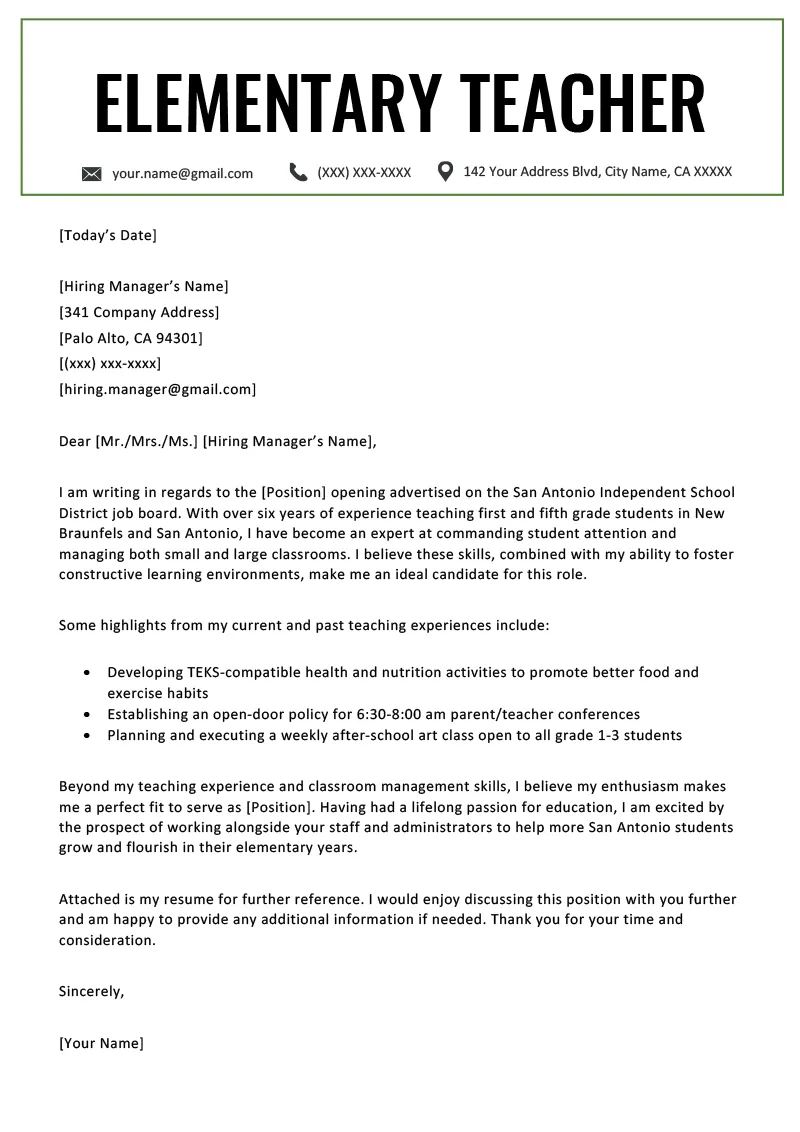
ESL Teacher Cover Letter Sample [Template]
While it is highly encouraged to personalize each cover letter, you can use the cover letter as a template to start your own. You can replace your information and modify the text according to the job requirements. There are many examples online to help you get started. Ensure that it reflects your unique skills and experience. This template helps you to create a strong and effective cover letter that impresses potential employers. This helps you get your best foot forward for a job interview.