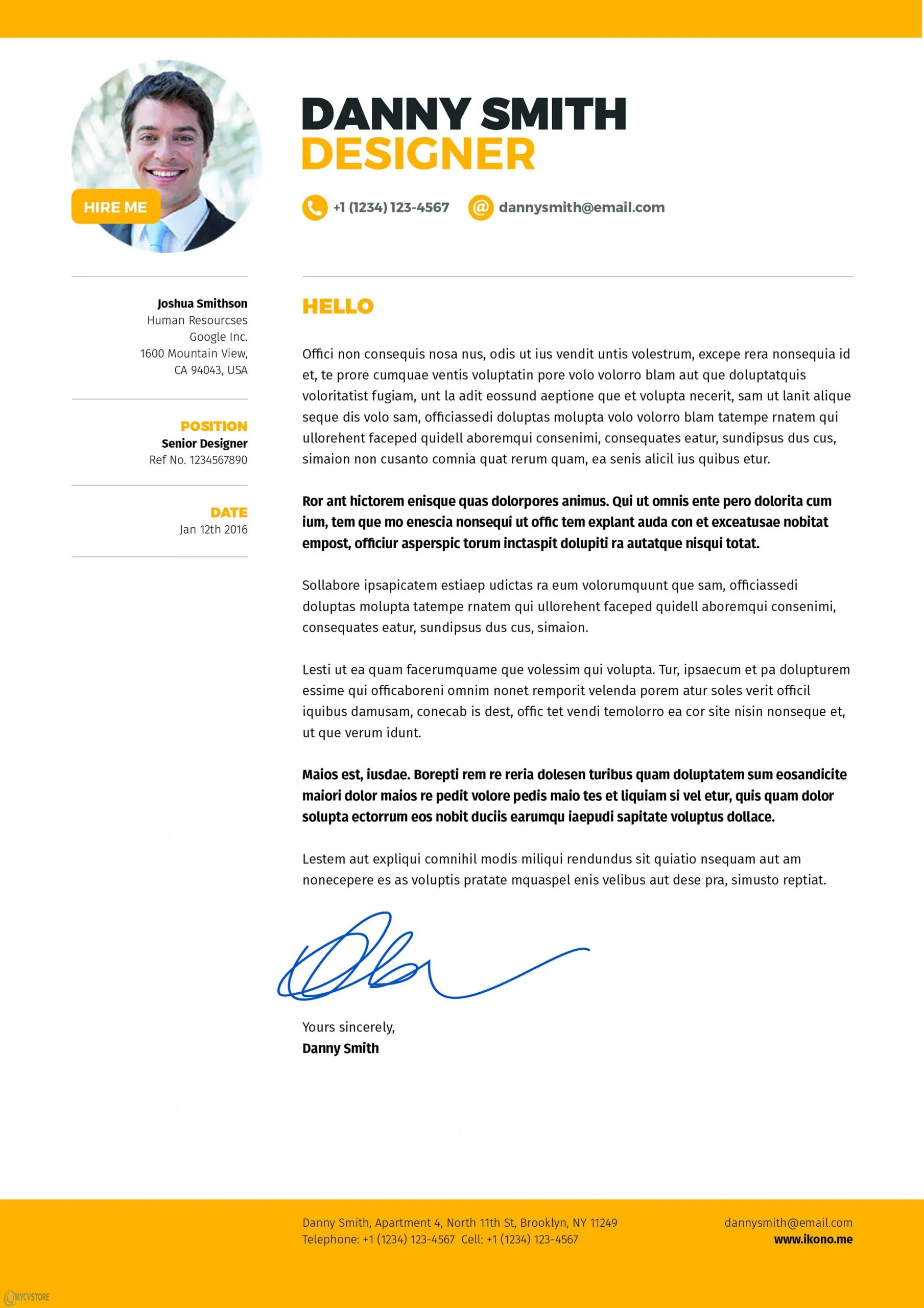
Understanding the Importance of a Cover Letter for Entry-Level Graphic Design
In the competitive field of graphic design, especially at the entry level, a cover letter is not just a formality; it’s your first opportunity to make a strong impression. While your portfolio showcases your visual capabilities, the cover letter provides context. It allows you to articulate your passion, explain your design philosophy, and connect with the hiring manager on a more personal level. Without a well-crafted cover letter, you risk being overlooked, even if your portfolio is outstanding. This document gives you a chance to highlight how your skills and experience align with the specific requirements of the job and why you’re the perfect fit for the company culture. Think of it as your personal introduction to the design team.
Why a Cover Letter Matters
A cover letter offers a unique opportunity to go beyond the bullet points of your resume and portfolio. It’s your chance to tell a story—your story. Explain what inspires you, what motivates you, and what makes you unique as a designer. It’s where you can convey your enthusiasm for the specific role and the company, demonstrating that you’ve done your research and understand their brand. Moreover, a cover letter allows you to address any potential gaps in your experience or explain unusual career choices. For example, if you’re transitioning from another field, a cover letter can effectively illustrate the transferable skills you bring to the table. This is your chance to set yourself apart from other applicants and prove why you deserve an interview.
Highlighting Your Skills and Passion

When crafting your cover letter, concentrate on your skills and passion. Start by identifying the skills most relevant to the job description. These might include proficiency in design software, understanding of design principles, or experience with specific project types. Then, showcase your passion for design by discussing what excites you about the industry and what you hope to achieve. Provide specific examples from your portfolio or past experiences that demonstrate these skills in action. This helps the hiring manager visualize your abilities and understand how you approach design challenges. Remember, authenticity is key; let your personality shine through your writing, showcasing your enthusiasm and genuine interest in the role and the company.
Key Components of a Successful Entry-Level Cover Letter
Contact Information and Salutation
Begin with your contact information, including your full name, phone number, email address, and a link to your online portfolio or website. Ensure your email address is professional and easy to read. Next, address the hiring manager by name, if possible. Researching the company’s website or LinkedIn can often help you find this information. A personalized salutation, such as “Dear Mr./Ms. [Last Name],” immediately grabs the reader’s attention and shows that you’ve taken the time to tailor your application. If you can’t find a specific name, use a general greeting like “Dear Hiring Manager” or “Dear [Company Name] Team” to avoid being too impersonal.
Opening Paragraph Hooking the Reader

The opening paragraph is your opportunity to capture the reader’s interest. Start with a compelling statement that immediately grabs their attention. You might mention a recent project that aligns with the company’s work, express your admiration for their brand, or describe your enthusiasm for the specific role. Avoid generic opening lines like “I am writing to express my interest.” Instead, be creative and show that you’ve done your research. The goal is to make the hiring manager want to read more. Think of this as your elevator pitch—a concise and engaging introduction to who you are and why you’re a great fit.
Body Paragraph Showcasing Your Skills
In the body paragraphs, delve into your skills and experiences. Explain how your abilities align with the job requirements. Use specific examples from your portfolio or past projects to demonstrate your capabilities. For instance, if the job description requires proficiency in Adobe Photoshop, describe a project where you used Photoshop to achieve a particular design outcome. Focus on what you can bring to the company. Show, don’t just tell. Provide tangible evidence of your design skills, problem-solving abilities, and creative thinking. Remember to tailor each cover letter to the specific job, highlighting the skills and experiences most relevant to that role.
Mentioning Relevant Software Proficiency
Proficiency in design software is often a basic requirement, but showcasing your skills effectively sets you apart. List the software you’re familiar with, such as Adobe Creative Suite (Photoshop, Illustrator, InDesign), Sketch, or Figma. Go beyond simply listing the software; briefly mention how you’ve used each tool to achieve specific design goals. For example, “Proficient in Adobe Illustrator, I created detailed vector illustrations for [project name], ensuring scalability and visual consistency.” Include details on any specialized skills, such as experience with motion graphics, web design, or UI/UX principles. Show that you are not just familiar with the software but that you understand how to apply it creatively and effectively.
Emphasizing Projects and Experience

Your portfolio is key, but the cover letter provides the context. Select 2-3 key projects that directly relate to the job requirements. Briefly describe each project, highlighting your role, the design challenges you faced, and the solutions you implemented. Focus on the results. Did you increase engagement, improve usability, or achieve a specific design goal? Quantify your achievements whenever possible. Even if you lack extensive professional experience, showcase student projects, freelance work, or personal projects that demonstrate your skills and creativity. If you’re applying for a branding role, highlight projects where you developed brand identities. If it is a web design position, showcase your website designs.
Quantifying Achievements
Whenever possible, quantify your achievements to demonstrate your impact. Use numbers, percentages, or other metrics to showcase the results of your work. For example, instead of saying “I improved the website design,” state “I redesigned the website, resulting in a 15% increase in user engagement.” If you don’t have direct metrics, you can use other ways to quantify your success. For instance, “Successfully managed [number] design projects simultaneously while maintaining a 95% client satisfaction rate.” Quantifiable information adds credibility to your claims and helps the hiring manager understand the value you bring to the table.
Closing Paragraph Call to Action
Your closing paragraph should reiterate your interest and include a call to action. Thank the hiring manager for their time and consideration, and express your enthusiasm for the opportunity. State your availability for an interview and how they can contact you. Keep it simple and direct. Avoid generic phrases like “Thank you for your time.” Instead, consider something like, “I am eager to discuss how my skills and passion can contribute to [Company Name]’s success. I am available for an interview at your earliest convenience and can be reached at [phone number] or [email address].” A strong call to action encourages the hiring manager to take the next step.
Expressing Enthusiasm and Availability

In your closing, reiterate your enthusiasm for the position and the company. Show that you are genuinely excited about the possibility of joining their team. Tailor this to the specific company; mention something you admire about their work or culture. State your availability for an interview, making it easy for the hiring manager to contact you. Providing your phone number and email address ensures they have all the information needed to reach out. End with a professional closing, such as “Sincerely” or “Best regards,” followed by your full name.
Essential Tips for Writing a Compelling Cover Letter
Tailoring Your Letter to the Job
One size does not fit all. Customize your cover letter for each job application. Carefully review the job description and identify the key skills, experiences, and qualities the employer is seeking. Then, adjust your cover letter to highlight the most relevant aspects of your qualifications. Mention specific projects, experiences, or skills that match the job requirements. Show that you understand the company’s needs and how you can meet them. Tailoring your letter demonstrates that you’ve invested time and effort, making your application more compelling. Generic cover letters are easily recognizable and are less likely to capture the hiring manager’s attention.
Proofreading and Editing for Perfection

Proofread and edit your cover letter meticulously before submitting. Typos, grammatical errors, and inconsistencies can undermine your credibility and make you look unprofessional. Use a grammar checker, and ideally, have someone else review your letter as well. Pay close attention to sentence structure, clarity, and flow. Ensure your writing is concise and easy to understand. A well-written, error-free cover letter demonstrates attention to detail and professionalism, both essential qualities in graphic design. Make sure all the formatting and fonts are consistent and clean.
Including a Strong Portfolio Link
Your portfolio is the most crucial element in your application, so make it easy for the hiring manager to access. Include a direct link to your online portfolio or website prominently in your cover letter, preferably in your contact information and throughout the body of the letter. Make sure the link is working and leads to your best work. Consider including a sentence mentioning a few key projects that are most relevant to the job description. This prompts the hiring manager to visit your portfolio and allows you to guide them through the highlights of your work.
Entry-Level Graphic Design Cover Letter Examples
Example 1 Addressing Creativity and Enthusiasm

Dear [Hiring Manager Name],
I am writing to express my enthusiastic interest in the Graphic Designer position at [Company Name], as advertised on [Platform]. As a passionate and creative graphic designer with a strong foundation in design principles and a keen eye for detail, I am excited by the opportunity to contribute to your team’s innovative work.
[Continue with body paragraphs showcasing skills and projects. End with a strong closing paragraph reiterating enthusiasm and availability].
Example 2 Highlighting Technical Skills
Dear [Hiring Manager Name],
With proficiency in Adobe Creative Suite, including Photoshop, Illustrator, and InDesign, I am confident in my ability to create compelling visual solutions. My experience in [Specific Project or Area] has allowed me to develop strong technical skills and a deep understanding of design workflows. I am eager to use my skills at [Company Name].
[Continue with body paragraphs showcasing skills and projects. End with a strong closing paragraph reiterating enthusiasm and availability].
Example 3 Showcasing Project Experience
Dear [Hiring Manager Name],
I am writing to express my interest in the Graphic Designer position at [Company Name], based on my experience in creating [mention a design area, e.g., branding, web design, etc.]. My portfolio showcases a variety of projects, including [mention a key project], where I successfully [mention key achievement]. I am excited about the opportunity to bring my skills to your team.
[Continue with body paragraphs showcasing skills and projects. End with a strong closing paragraph reiterating enthusiasm and availability].
Common Mistakes to Avoid

Generic Templates and Lack of Personalization
Avoid using generic cover letter templates without customizing them to the specific job and company. These letters often lack personality and fail to demonstrate your genuine interest. Research the company and tailor your letter to showcase your understanding of their brand and values. Highlight specific projects and experiences relevant to the role. Personalization demonstrates initiative and a genuine desire to join the company, increasing your chances of getting noticed.
Typos and Grammatical Errors
Typos and grammatical errors make you appear unprofessional and careless. Proofread your cover letter carefully and use a grammar checker to catch mistakes. Consider having a friend or career counselor review your letter for clarity and accuracy. Mistakes can distract from the quality of your work and make it difficult for the hiring manager to take you seriously. Attention to detail is a critical skill in graphic design, so your cover letter should reflect this.
Failing to Demonstrate Enthusiasm
Failing to show enthusiasm is a missed opportunity. A cover letter is your chance to express your excitement about the job and the company. Be passionate about design and show that you’re eager to contribute to their team. Mention specific aspects of the company’s work that resonate with you. Show that you have researched their brand and have a genuine interest in the role. Injecting your personality and enthusiasm into your cover letter makes it more memorable and shows that you are genuinely interested in the opportunity.